Published: 01 October ‘2025. The English Chronicle Desk. The English Chronicle Online
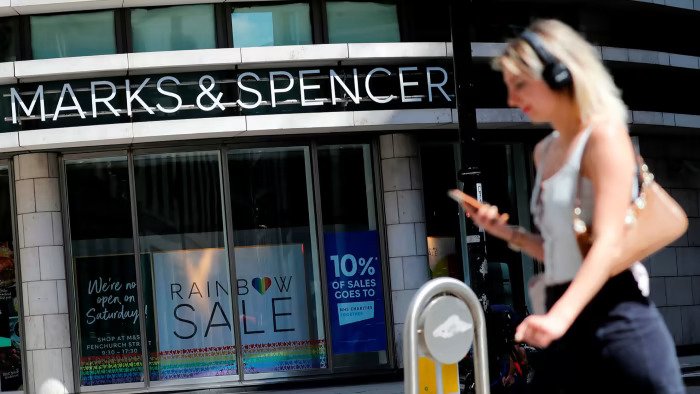
For the first time in half a decade, a significant number of Marks & Spencer employees are set to work on Boxing Day, marking a major shift in the retailer’s Christmas staffing policy. The decision comes as M&S moves to reduce operational costs and improve efficiency during the peak holiday period, but it has sparked frustration among staff, some of whom have described the changes as unfair and disheartening.
Traditionally, Marks & Spencer has offered its employees an automatic holiday on Boxing Day, particularly following the Covid-19 pandemic, when most stores were closed to allow staff an extended break after a demanding year. During the pandemic, only small food stores and certain discount outlets remained operational, while the majority of staff were granted time off. Last year, the retailer publicly emphasized its intention to give employees a well-deserved rest on 26 December, highlighting the importance of family and personal time after months of challenging work conditions.

However, internal communications indicate that this year, all staff are expected to work at least one of the days between 26 and 28 December, with some required to be available across all three days. According to a document obtained by the Guardian, the rationale for this change is that last year more than 40 percent of permanent employees and 30 percent of seasonal staff did not work one of the peak Christmas days. As a result, store restocking and operational readiness suffered, prompting management to enforce a policy ensuring that all colleagues participate in delivering a successful Christmas period.
Approximately a quarter of store employees are expected to work on Boxing Day alone. Staff members have reported that the policy was initially implemented in March, prior to a disruptive cyber-attack in April, which led to widespread technological disruptions and weeks of operational difficulties across M&S stores. Employees have expressed dissatisfaction with the change, describing the expectation to work on Boxing Day as a “slap in the face” and likening it to a punitive measure following an already challenging year.
Despite the increased staffing requirements, large M&S stores will remain closed on the public holiday itself. Instead, employees are required to allocate the day as part of their annual leave, with only a limited number permitted to take the day off in order to “save costs and reduce complexity,” according to internal communications. This decision represents a departure from previous years when volunteers were sought to work on Boxing Day, effectively granting the day off to most employees.
M&S operations director Jayne Wall defended the decision, emphasizing the importance of staffing during the critical festive trading period. She stated, “Christmas at M&S is very special, and we are grateful to our hardworking colleagues who make our stores great places for our customers to shop. Like most retailers, we always have some colleagues in our stores and depots on Boxing Day to help reset. However, this year we will have more colleagues working than previously so we are in great shape to welcome customers on 27 December.”
The policy shift has been described by staff as especially difficult given the context of the previous year, which was marked by a high-pressure cyber-attack that disrupted store operations and strained employee resources. One M&S worker told the Guardian that colleagues felt “strong-armed into agreeing to work more hours” amid already low staffing levels and challenging operational circumstances. “This has been an incredibly difficult year for colleagues dealing with the cyber incident, and the company has been reluctant to give extra hours to stores. After such a hard time, many colleagues feel this is an extra slap in the face,” the employee added.
Other staff members have expressed similar frustration on the company’s internal messaging platforms. One post read, “Over recent months it’s been recognized that colleagues have gone above and beyond, doing everything asked of them to keep standards high and deliver excellent service during very challenging times. That’s why it feels especially disheartening that Christmas – such a precious time for family – is being disrupted for so many of us. Instead of feeling rewarded for our commitment, it comes across more like a punishment.”
The decision by M&S mirrors similar trends in the wider retail sector, where several major retailers have adjusted staffing policies to maximize operational efficiency during peak trading periods. Chains such as Waitrose, The Range, and John Lewis have implemented comparable measures in recent years, though John Lewis traditionally ensured that staff had the Boxing Day bank holiday off. Morrisons, for instance, only required staff to work on Boxing Day in 2021, while most leading retailers continue to open stores on the holiday to meet customer demand.
While the changes have been framed as necessary for operational success, they raise broader questions about employee wellbeing and work-life balance, particularly during a period traditionally reserved for family and rest. M&S staff have highlighted the emotional toll of the policy, noting that after months of pressure during the cyber-attack and other operational challenges, the expectation to work additional hours over Christmas feels punitive.
The company has clarified that the increased staffing requirement is intended to ensure adequate restocking and service readiness for customers in the days following Christmas, especially leading into the critical January sales period. The move aims to streamline operations and maintain the retailer’s competitive position in a sector that faces rising operational costs and consumer demand during the festive season.
From a management perspective, ensuring that stores are sufficiently staffed is crucial to meeting customer expectations, avoiding stock shortages, and maintaining the retailer’s reputation. Jayne Wall emphasized that having more colleagues on duty during this period is part of a strategic effort to ensure that customers have a seamless shopping experience immediately after Christmas. “We want to make sure our customers can find what they need and enjoy their shopping experience. This requires a coordinated effort across all stores and depots,” she said.
For employees, however, the changes highlight the ongoing tension between operational needs and staff welfare. The Boxing Day break had long been regarded as a reward for hard work during the year, particularly following the pandemic when employees went above and beyond to keep stores running amid unprecedented challenges. By altering this tradition, M&S risks impacting employee morale at a time when workforce motivation is critical to successful holiday operations.
The debate over Boxing Day staffing reflects a broader challenge facing the retail sector, where balancing cost-saving measures, operational efficiency, and employee satisfaction is increasingly complex. Cybersecurity incidents, technological disruptions, and the pressures of peak trading periods amplify these challenges, requiring careful planning and clear communication with staff. Retailers must weigh operational needs against the expectations and wellbeing of their workforce to maintain productivity without compromising employee engagement.
Analysts note that this year’s approach by M&S may set a precedent for future holiday staffing policies across the sector, as companies look for ways to minimize disruptions and maximize sales. However, they caution that such measures must be implemented thoughtfully, with consideration for employee rights, legal obligations, and the importance of preserving workplace culture.

In summary, Marks & Spencer’s decision to require staff to work on Boxing Day for the first time in five years represents a significant shift in long-standing employment practices. While aimed at improving operational efficiency and cost management, the policy has generated unease among employees, many of whom feel their dedication and sacrifices over the past challenging years are being overlooked. The move underscores the complex balancing act facing retailers during the festive season, as they seek to satisfy customer expectations, maintain competitive advantage, and support a motivated and engaged workforce.
As the Christmas period approaches, the reactions of M&S staff, customers, and industry observers will serve as a gauge of the policy’s impact, not only on sales performance but also on employee morale and long-term loyalty within one of the UK’s most prominent retail chains.
Related News:
 UK Retail Sales Rise in August, but Tax Concerns Loom Over Festive Period
 UK Wage Growth Remains High, But Cost of Living Pressures Bite
 Dagenham Left in Limbo After Smithfield and Billingsgate Market Relocation Cancelled
 UK Government Secures £122m Win Against Michelle Mone-Linked Firm Over Defective PPE
 Millions Face Higher Water Bills After Regulator Approves Hikes
 Real living wage set to rise nearly 7% for UK workers in 2026
 Lotto result jackpot draw halted due to technical glitch
 Court Hears Challenge Over Water Bills Funding Sewage Fixes
 MPs Warn Thousands Still Face Poverty Despite Labour’s Welfare Reform Retreat
 Breaking Free from Costly Contracts and How Britons Can End Broadband Deals Without Paying Exit Fees
 Bank of England Poised to Cut Interest Rates Amid Rising Unemployment and Global Trade Pressures
 Non-Dom Tax Crackdown Risks Backfiring as Exodus Threatens UK Revenue and Investment
 It Shouldn’t Be Like This: Full-Time Workers in Cannock Chase Rely on Food Handouts Amid Cost of Living Crisis
 UK Jobs Market Faces Strain as Employers Cut Bonuses and Hiring Amid Economic Slowdown
 Inflation Latest: Cost of Living Expected to Rise Again in Key Figures Released Today
 WH Smith Market Value Plummets by £600m Following North American Accounting Error
 Energy Users Could Save £5bn Annually if Gas Power Plants Are Removed from Market
 Retail Sales See Uptick Amid Errors and Delays as ONS Faces Scrutiny
 UK House Prices Hit Record £299,331 as Market Shows Steady Growth
Shein UK Faces Allegations of Shifting Majority of Profits to Singapore to Reduce UK Tax
UK House Prices Hit Record £299,331 as Market Shows Steady Growth
Shein UK Faces Allegations of Shifting Majority of Profits to Singapore to Reduce UK Tax
 Vodafone Faces Fourth Probe into Franchising Division Amid £120m Legal Battle
 John Lewis Partnership Posts £88m Loss as Costs and Restructuring Bite
 UK Economy Flatlines in July, Raising Pressure on Rachel Reeves Ahead of Autumn Budget
Business Rates Hike Could Threaten Hundreds of UK Retailers, Putting 100,000 Jobs at Risk
UK Economy Flatlines in July, Raising Pressure on Rachel Reeves Ahead of Autumn Budget
Business Rates Hike Could Threaten Hundreds of UK Retailers, Putting 100,000 Jobs at Risk
 Starmer Urged to Champion Workers’ Rights Amid Low Public Awareness
 Rachel Reeves Hosts Top UK and US Financial Executives as Trump’s State Visit Begins
 UK Labour Market Shows Signs of Cooling as Wage Growth Slows and Redundancies Rise
UK Inflation Holds Steady at 3.8% as Rising Fuel Costs Offset Falling Air Fares
UK Labour Market Shows Signs of Cooling as Wage Growth Slows and Redundancies Rise
UK Inflation Holds Steady at 3.8% as Rising Fuel Costs Offset Falling Air Fares
 Ben & Jerry’s Co-Founder Resigns, Accusing Unilever of Silencing Brand’s Social Mission
 Next Shares Slide Amid Warning on Weak UK Growth and Jobs
 UK Borrowing Surges to £18bn in August, Exceeding Forecasts
 Farage’s Reform UK Receives £100,000 from Design Firm with Past Tax Issues
 King Charles Earns Over £1 Million from Duchy Land Linked to Scrapped HS2 Project
 Vodafone Franchisees Sound Alarm: Mental Health Toll of Commission Cuts Revealed Years Before £120m Court Battle
 Gatwick Secures Approval for £2.2bn Second Runway Expansion
Nearly 1.5 Million Homes Could Be Built on Brownfield Sites in England, Report Reveals
Gatwick Secures Approval for £2.2bn Second Runway Expansion
Nearly 1.5 Million Homes Could Be Built on Brownfield Sites in England, Report Reveals
 UK Government Backs Return of International Rail Travel to Kent Stations
 AstraZeneca to List on New York Stock Exchange While Retaining London Ties
 Retailers Warn Tax Rises Could Prolong Inflation as Shop Prices Climb
UK Housing Market Returns to Growth Amid Signs of Stability and Regional Variation
Retailers Warn Tax Rises Could Prolong Inflation as Shop Prices Climb
UK Housing Market Returns to Growth Amid Signs of Stability and Regional Variation
 Richard Desmond Begins High Court Battle Over National Lottery Licence
 UK households brace for October benefit payments and rising energy costs amid cost-of-living pressures
Millions of households in England face looming water bill hikes amid regulatory scrutiny
UK households brace for October benefit payments and rising energy costs amid cost-of-living pressures
Millions of households in England face looming water bill hikes amid regulatory scrutiny
 Delivery Apps Could Double the Cost of Your Groceries, Warns Consumer Watchdog
 Jaguar Land Rover to Resume Production After Cyber-Attack, Launches Supplier Support Scheme
 Gold Hits Historic $4,000 Amid Global Uncertainty
 Pubs and Clubs Could Stay Open Until Early Hours to Boost UK Economy
 Massive Vodafone Outage Disrupts Internet and Mobile Services Across the UK
 UK GDP edges up 0.1% in August as Reeves faces budget pressure
 Rachel Reeves urged to consider welfare cuts to boost fiscal credibility
 UK inflation update: New rate expected as Budget approaches
 Co-op Urged Staff to Promote Vapes After Cyber-Attack Hit Sales
 Rachel Reeves to lead UK trade push in Saudi Arabia amid rights debate
 Derby Bounce Centre to Close Amid Car Park Dispute
 UK Small Business Owner to Challenge L’Oréal in Tribunal
 150-Year-Old Arctic Beer to Be Reborn in Scotland
 Rachel Reeves Set to Break Labour Pledge and Raise Income Tax
 Thinktanks Urge Rachel Reeves to Reform UK Tax System
 Tony Blair think tank warns Rachel Reeves must cut taxes if manifesto broken
 Oprah enjoys Meghan’s jam on English muffins
MPs Press Rachel Reeves to Hike Gambling Taxes
Oprah enjoys Meghan’s jam on English muffins
MPs Press Rachel Reeves to Hike Gambling Taxes
 NHS Takes Over Nuffield Hospital in ‘Windfall’ for London Care
 North Sea oil workers must lose weight or face job loss
 Cuts to home insulation funding threaten UK climate goals
 Crisis charity to become landlord amid UK housing emergency
 Warning as Britons prepare to spend £4 billion this Black Friday
 Troubled drinks giant Diageo names former Tesco boss to lead turnaround push
 UK toy market enjoys bumper year as ‘kidults’ fuel demand
 Reeves’s Tax U-Turn Triggers Fresh Jitters in UK Markets
 Global markets drop amid tech sell-off and China slowdown
 PM Highlights UK Business at G20 in South Africa
 Mossmorran Plant Closure Hits Cowdenbeath Hard
 UK Energy Bills to Rise Slightly in January
 UK Government Borrowing Higher Than Expected
Reeves to Crack Down on Benefit Fraud While Lifting Two-Child Limit
UK Government Borrowing Higher Than Expected
Reeves to Crack Down on Benefit Fraud While Lifting Two-Child Limit
 Minister Denies Budget Leaks Have Harmed UK Economy
Budget 2025: Reeves Drops Economic Growth Reference
Minister Denies Budget Leaks Have Harmed UK Economy
Budget 2025: Reeves Drops Economic Growth Reference
 Black Friday Footfall Falls as UK Shoppers Hold Back Amid Economic Concerns
 Virgin Media Fined £23.8m Over Telecare Safety Failures
 Rising Water Bills Lift Troubled Thames Back to Profit