Published: 10 February 2026. The English Chronicle Desk. The English Chronicle Online.
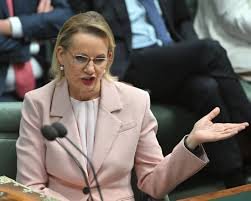
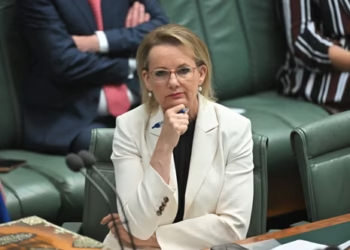
In the heart of Australian politics, the Liberal leadership crisis rattled Canberra as senior figures prepared for a possible challenge to Opposition Leader Sussan Ley. From the moment her moderates urged transparency within the party ranks, the Liberal leadership crisis began shaping up as a defining political drama this week. The Liberal leadership crisis focus has intensified as conservative MPs rallied around Angus Taylor, forcing allies of Ms Ley to call openly for them to “put your name to it” if they wished to move against her.
Across closed-door party rooms, whispers of the Liberal leadership crisis spread like wildfire, with shadow cabinet sources confirming mounting speculation that Taylor would resign from his current position to trigger a leadership ballot by Friday at the latest. The Liberal leadership crisis erupted after the Coalition’s support dipped to a historic low, with the primary vote slumping to just 18 per cent in the latest Newspoll, leaving Ms Ley’s position increasingly untenable in the eyes of her detractors.

Ms Ley’s allies responded to this mounting challenge by insisting party rules were clear and that any move to oust her should be transparent and signed by those willing to stake their reputations on such a bold course of action. On national broadcasts, moderates such as Senator Maria Kovacic publicly urged Taylor’s supporters to reveal themselves, framing the Liberal leadership crisis as a battle for accountability and clear commitment within the ranks.
While conservative backers of the prospective challenger poured over internal numbers in anticipation of a spill, moderates continued to stand behind Ley, arguing that internal party leaks and leadership speculation would only deepen divisions and further damage the Coalition’s prospects ahead of the next federal election. The Liberal leadership crisis, therefore, became not just a contest over who wears the title of leader but a wider contest over the party’s identity and future direction.
Among those urging unity were senior MPs pleading with both factions to focus on policy direction rather than personality clashes. Yet as momentum grew behind Taylor’s expected resignation from the frontbench to pursue leadership, talk of a formal challenge to Ms Ley’s authority became almost inevitable. The timing of Taylor’s move remained uncertain, but whispers throughout Parliament House suggested that by midweek, the Liberal leadership crisis could reach its critical turning point.
At a closed-door meeting on Tuesday, questions were raised about how Ms Ley planned to reverse the party’s fortunes, with some MPs warning that without a dramatic shift in strategy, the Coalition faced obliteration at the polls. Ms Ley defended her leadership with a terse message evoking party unity and pointedly remarking that “disunity is death,” a line that quickly became a rallying cry for her remaining backers.

The Liberal leadership crisis also revealed deeper ideological rifts, as debates over policy direction — particularly on climate targets and energy — contrasted between moderates and conservatives. Earlier divisions over net zero emissions targets had already splintered the Coalition and contributed to an atmosphere of distrust that now fuels the leadership turmoil.
As the week unfolded, murmurs of resignations and alliances forming behind the scenes reflected how deeply the tents of the Liberal Party had splintered. Some moderates maintained that even if a spill motion were lodged, the numbers might still favor Ms Ley — a testament to the tenuous balance of power within the party’s 150-member room.
Beyond internal factional strife, broader political observers weighed in publicly, noting that the Liberal leadership crisis carried significant implications for Australia’s broader political landscape. With the Labor government firmly in power, the opposition’s ability to present a united front became more critical than ever. The outcome of this leadership battle could therefore redefine conservative politics in Australia for years to come.
Behind the scenes, senior figures continued to negotiate, align, and strategize. Every whisper of support for Taylor or Ley became fodder for speculation, heightening anticipation of what could be the most consequential party room ballot of the year. Amidst this charged atmosphere, the Liberal leadership crisis stood as a stark reminder of how fragile political unity can be when electoral fortunes falter, and ideological divides widen.
Related News:
 Shock US Raid: Maduro Pleads Not Guilty in Manhattan Court
 Trump Plans Venezuela Meeting, Warns of Cartel Land Strikes
 Mandelson apologises over Epstein ties after public scrutiny
 Rudd successor: Defence chief and former ministers considered
 US Senate rejects resolution limiting Trump military powers
 Trump Calls Greenland Critical for US Security After Denmark Talks
 Trump: Iran Killing Has Stopped, Strike Threats Pulled Back
 Machado Trump medal gesture reshapes Venezuela power struggle
 Trump Receives Machado’s Nobel Medal in White House Meeting
 Iran unrest slows under brutal crackdown and global tensions
 Trump Allies Pursue $200m European Gas Pipeline Deal
 US Considers Asylum for British Jews Amid Rising Antisemitism
 Starmer Challenges US Over Controversial Greenland Deal
 Spoof “Make America Go Away” Caps Rally Denmark Over Greenland
 Trump slams UK ‘stupidity’ over Chagos Islands, eyes Greenland takeover
 UK Presses On With Chagos Handover Despite Trump Criticism
 Kim Jong-un Fires Vice-Premier Over Factory Failures
 Shinzo Abe’s killer receives life sentence in Japan
 Starmer Resists Matching Trump Amid Greenland Tensions
 Netanyahu Accepts Trump’s ‘Board of Peace’ Invitation
 South Korean Ex-PM Jailed 23 Years Over Martial Law Role
 Russia Strikes Kyiv and Kharkiv as Peace Talks Enter Day Two
 Canada Rules Out Free Trade Deal With China Amid US Tensions
 Turnbull urges Albanese to confront Trump’s global ‘bully’ politics
 Snow Threatens Japan Election Turnout Amid Extreme Cold
 Keir Starmer meets Xi to strengthen UK-China economic relations
 Crisis Looms as Liberals Debate Sussan Ley Future
 Cambridge Faces Scrutiny Over Arms Investment Transparency
 Files Link Andrew to Epstein Dinner After Prison Release
 Thousands Protest ICE Operations in Nationwide US Day of Action
 Epstein Files Reveal Trump Officials’ Emails with Financier
 Thousands Protest ICE in New York Against Trump Deportation Campaign
 Trump-Petro Meeting Sparks Hopes of Diplomatic Detente
 Trump softens stance on Chagos Islands deal after Starmer call
 Epstein UAE Emails Shake British Royal Andrew’s Legacy
 Green Party Surges Past Labour in Latest UK Poll
 Army Officers Orders to Cut Ties with Men-Only Clubs
 Trump’s UK Ambassador Urges North Sea Drilling to Strengthen US Ties
 French Taxi Driver Cleared in David Lammy Theft Case After Fare Dispute
 Labour immigration crackdown could cost UK £4.4bn
BBC to Apologise Over Edited Trump Speech Amid Backlash
Labour immigration crackdown could cost UK £4.4bn
BBC to Apologise Over Edited Trump Speech Amid Backlash
 Britain deploys RAF specialists to assist Belgium with drone threats
 Millionaires group urge Reeves to introduce wealth tax to ‘lift kids out of poverty’
 Starmer Faces Growing Dissent as Labour MPs Weigh Leadership Challenge
 Reeves rejects £1bn plea for NHS redundancy payouts
 PM Condemns Leaks, Vows Loyalty to Ministers and Stability
 Major Rent Reform Ends No-Fault Evictions in England
 Senator John Fetterman Hospitalized After Fall from Heart Flare-Up, Keeps Sense of Humor
 Greene Pushes Epstein Files Amid Trump Fallout
 Trump Deploys DHS to Charlotte in Major Arrest Operation
 December Run-Off in Chile as Election Produces No Winner
 Canada Passes Carney’s First Budget in Tight Parliamentary Vote
 Shadow Fleet at Sea: Europe’s Battle Against Illicit Oil Shipping
 Most Tories Expect to Support a Farage-Led Government
 Georgians Defy Government Crackdown After Year of Protests
 US National Guard Member Killed in DC Shooting
 ICC to Rule on Duterte’s Provisional Release
 Starmer Says Labour’s Economic Plan Needs Years to Deliver
 Khaleda Zia Death in Bangladesh: First Female PM Dies at 80
 Russia losses Ukraine war peace talks intensify amid rising deaths
 Albanese Opens Door to Bondi Royal Commission Amid Rising Pressure
 Trump Escalates Minnesota Immigration Surge Amid Rising Tensions
 Saudi Officials Report Zubaidi Flee Before Yemen Peace Talks
 UK Targets in New York Bomb Threat Hoax: Man Jailed
 Gulf states warn Trump Iran strikes risk wider Middle East war
 Geopolitical football: Iran, Trump and the World Cup clash
 EU weighs response amid Greenland tariff crisis with Trump
 UK Ministers Drop Foreign Student Targets for Global Education Push
 No Gas Boiler Ban as UK Warm Homes Plan Backs Heat Pumps
 American democracy faces crisis after Trump’s return
 Sussan Ley leadership milestone shakes Liberal future
 EU Says US Ties Have Suffered ‘Big Blow’ After Greenland Crisis
 Satire Can Skewer Trump, But It Won’t Save Democracy
 Police response times face strict new national limits
 China General Under Investigation Amid Leadership Purge
 Labour policing overhaul sparks fears over growing central control
 Starmer warns of toxic division politics in Reform challenge
 Israel Moves to Bar MSF From Gaza Operations
 Palantir contracts face UK halt calls over transparency
 Australia’s Opposition Coalition Reunites After Rift