Published: 11 February 2026. The English Chronicle Desk. The English Chronicle Online.
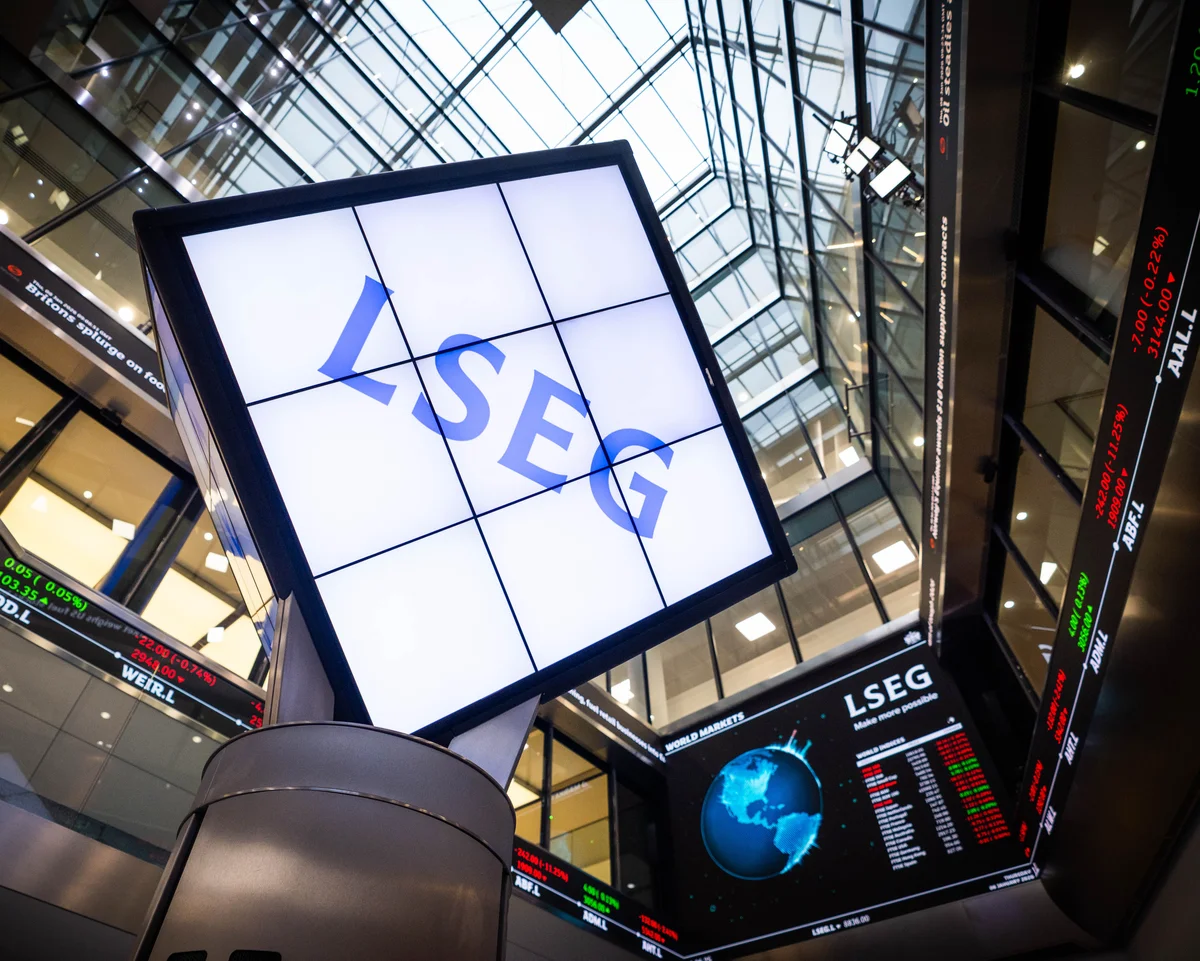
A major development around the LSEG stake has drawn sharp attention across global financial markets this week. Activist investor Elliott Management has built a significant holding in London Stock Exchange Group and begun direct engagement with leadership. The move arrives during a period of weaker listings and rising anxiety about artificial intelligence reshaping financial data services. Market participants say the LSEG stake could become a turning point for strategy, capital returns, and competitive positioning.
Traders reacted quickly once reports of the LSEG stake emerged through widely followed financial media channels. Shares in London Stock Exchange Group jumped strongly in early trading before easing later in the session. Even with the pullback, the market response showed investors expect pressure for operational and financial adjustments. The company has faced a difficult year as valuation multiples compressed and technology disruption fears intensified across the sector.
Elliott Management is known for taking influential positions in companies it believes are undervalued or poorly directed. The fund typically pushes for performance improvements, governance changes, and sharper capital allocation discipline after entry. Sources familiar with the situation indicate Elliott has already opened discussions with LSEG about future priorities. Those talks reportedly include efficiency measures and the possibility of additional shareholder returns through buybacks.

The exact size of the holding has not been publicly confirmed by either side so far. However, market analysts describe it as large enough to command serious boardroom attention and engagement. Elliott has a long record of assertive campaigns across energy, pharmaceuticals, retail, and industrial businesses worldwide. Its involvement often signals an extended period of strategic review and heightened investor scrutiny for target companies.
London Stock Exchange Group has changed significantly since its landmark acquisition of Refinitiv several years ago. That deal transformed the group from a traditional exchange operator into a diversified data and analytics provider. Nearly half of total revenue now comes from data, indices, and analytics rather than trading activity. This shift created more stable recurring income but also exposed the firm to technology competition risks.
Investors have grown cautious about whether artificial intelligence tools could erode parts of premium data services. New AI-driven legal and research platforms promise faster document analysis and automated insight generation for institutions. Some shareholders worry such systems could reduce demand for established high-cost financial data terminals and feeds. These concerns have weighed heavily on sentiment toward the company over recent months.
The share price decline over the past year reflects those structural and competitive worries among institutional holders. London Stock Exchange Group stock has lost more than a third of its value over twelve months. A particularly sharp drop followed the launch of a new AI-focused professional tool by a US startup. That release triggered fears that segments of LSEG’s information business could face pricing pressure.
Against this backdrop, Elliott’s arrival is being interpreted as both a challenge and a potential stabilising force. Activist investors often argue that market pessimism creates opportunities for operational resets and value creation programs. By building a LSEG stake, Elliott signals belief that performance can improve through targeted strategic adjustments. Other shareholders may support proposals that promise clearer growth pathways and stronger cash distribution.
People close to the discussions say capital allocation policy could become an early focus of engagement talks. Share buybacks are one option frequently promoted by activist funds seeking to enhance shareholder value metrics. A refreshed repurchase program can lift earnings per share and signal management confidence in long-term prospects. It can also help narrow valuation gaps between peers operating in similar data and exchange markets.
Comparisons with rival exchange and data groups have become more common in recent analyst commentary notes. Some competitors trade at higher earnings multiples despite facing comparable technology and regulatory headwinds. Activist involvement sometimes aims to close that valuation gap through restructuring and sharper investor communication. That dynamic is now central to market debate following news of the LSEG stake.
Elliott’s broader track record adds weight to expectations of sustained pressure rather than symbolic involvement. The fund recently built a multibillion-pound position in a leading global energy company and pushed leadership change. Senior executives and board chairs have previously departed target firms after extended activist engagement campaigns. Those precedents suggest London Stock Exchange Group may face robust demands if progress appears too slow.
The hedge fund also holds ownership interests in well-known international retail book chains across two continents. Reports indicate it is exploring a future stock market listing for that combined bookselling business group. Market observers say a London listing would be viewed as supportive for domestic equity market activity. Such a move would also align with wider efforts to revive the UK listing environment.

London markets have experienced mixed conditions for new listings and public company retention in recent periods. While activity improved somewhat in the latter half of last year, overall numbers remain historically subdued. Takeovers and private equity buyouts have reduced the count of domestically listed firms across several sectors. Policymakers and exchange leaders continue searching for reforms that make London more attractive for issuers.
The timing of the LSEG stake therefore carries symbolic importance beyond one company’s share performance alone. It places the operator of the national exchange itself under activist investor examination and proposed reform pressure. That situation highlights tension between traditional market infrastructure and fast-moving financial technology innovation. It also underlines how global capital now rapidly targets perceived inefficiencies in flagship institutions.
Company insiders maintain that the Refinitiv integration and platform investments will deliver durable long-term returns. They argue that diversified data revenues provide resilience compared with pure transaction-based exchange income models. Continued product development and partnership expansion remain central parts of current management strategy statements. Elliott’s input may test whether those plans are accelerated, reshaped, or partially redirected.
For now, investors are watching signals from both sides for signs of cooperation or confrontation ahead. Early engagement language suggests dialogue rather than an immediate public campaign or proxy confrontation scenario. Still, activist situations can evolve quickly if performance targets and timelines are not mutually accepted. The presence of a determined shareholder with a notable LSEG stake keeps pressure firmly in place.
Market volatility around the shares may continue as further details about proposals and responses emerge. Analysts expect additional disclosures once regulatory thresholds or formal filings are triggered by ownership levels. Each update will likely influence short-term price swings and longer-term valuation assumptions across the sector. The story remains fluid, but the strategic spotlight is now firmly fixed on London Stock Exchange Group.
Related News:
 Tories Push to Dilute Labour’s Workers’ Rights Bill
 CMA Flags Concerns Over Greencore-Bakkavor Merger
 Derby Bounce Centre to Close Amid Car Park Dispute
 P.Louise Christmas Event Cancelled in Manchester
 Reeves Faces Setback as Labour May Miss Homes Target
 UK Small Business Owner to Challenge L’Oréal in Tribunal
 Trump’s UK Ambassador Urges North Sea Drilling to Strengthen US Ties
 150-Year-Old Arctic Beer to Be Reborn in Scotland
 Court Hears Challenge Over Water Bills Funding Sewage Fixes
 London bagel shop tops Deliveroo’s global orders list
 ABF May Split Primark from Food Division Amid Tough Market
 Rachel Reeves Set to Break Labour Pledge and Raise Income Tax
 UPS Cargo Plane Crash in Kentucky Kills Seven
 Thinktanks Urge Rachel Reeves to Reform UK Tax System
 Gopichand Hinduja, UK’s Wealthiest Business Leader, Dies
 M&S Profits More Than Halve After Cyber-Attack
 Company linked to Michelle Mone owes £39m in tax
 Tony Blair think tank warns Rachel Reeves must cut taxes if manifesto broken
 Oprah enjoys Meghan’s jam on English muffins
MPs Press Rachel Reeves to Hike Gambling Taxes
Oprah enjoys Meghan’s jam on English muffins
MPs Press Rachel Reeves to Hike Gambling Taxes
 NHS Takes Over Nuffield Hospital in ‘Windfall’ for London Care
 North Sea oil workers must lose weight or face job loss
 Cuts to home insulation funding threaten UK climate goals
 Warning as Britons prepare to spend £4 billion this Black Friday
 Troubled drinks giant Diageo names former Tesco boss to lead turnaround push
 Millionaires group urge Reeves to introduce wealth tax to ‘lift kids out of poverty’
 Taylor Wimpey Sales Drop Amid Budget Uncertainty
 Borough Market Clash Sparks Influencer Backlash
 UK toy market enjoys bumper year as ‘kidults’ fuel demand
 Reeves’s Tax U-Turn Triggers Fresh Jitters in UK Markets
 Global markets drop amid tech sell-off and China slowdown
 PM Highlights UK Business at G20 in South Africa
 Eurotunnel Investment Halted as UK Rates Soar
 Mossmorran Plant Closure Hits Cowdenbeath Hard
 UK Energy Bills to Rise Slightly in January
 UK Government Borrowing Higher Than Expected
 UK Taskforce Unveils Plan to Streamline Nuclear Reactor Rules
 Steel billionaire Lakshmi Mittal reportedly leaves UK
 Minister Denies Budget Leaks Have Harmed UK Economy
Budget 2025: Reeves Drops Economic Growth Reference
Minister Denies Budget Leaks Have Harmed UK Economy
Budget 2025: Reeves Drops Economic Growth Reference
 Expanded Version – Black Friday Shoppers Warned Over ‘Dud Deals’
 English Mayors Set to Introduce Tourist Taxes
 Black Friday Footfall Falls as UK Shoppers Hold Back Amid Economic Concerns
 Starmer Says Labour’s Economic Plan Needs Years to Deliver
 Virgin Media Fined £23.8m Over Telecare Safety Failures
 Rising Water Bills Lift Troubled Thames Back to Profit
BBC bosses ‘right to stick by their guns’ against Trump, says minister
Rising Water Bills Lift Troubled Thames Back to Profit
BBC bosses ‘right to stick by their guns’ against Trump, says minister
 Bet365 Boss Nets £280m Despite Profit Drop
 Sainsbury’s CEO leads business honours in New Year list
 UK Car Sales Pass 2 Million as Chinese Brands Surge
 Starmer Faces Parliamentary Battles Over UK-EU ‘Reset’ Plan
 Phoenixism Costs UK Taxpayers Millions in Recruitment Sector
 3,000 Jobs at Risk Without UK Helicopter Order
 China Dependence Threatens UK Energy Supply Chains and Jobs
 South East Water chief faces £400,000 bonus amid outages
 ScottishPower Tops List of Worst UK Energy Suppliers
MPs warn AI financial risks threaten UK stability
ScottishPower Tops List of Worst UK Energy Suppliers
MPs warn AI financial risks threaten UK stability
 MPs warn AI financial risks threaten UK stability
 City & Guilds pay surge sparks backlash amid £22m cuts
 UK Government Borrowing Drops to £11.6bn in December
 UK Disposable Income Growth Transforms Eleven Towns and Cities
 AI job losses UK: Britain faces sharper employment shock
 Most young adults in UK fear uncertain jobs and economic future
 Royal Mail delivery delays affect 16 million during Christmas
 Labour Must Revive High Streets to Avoid Election Collapse
 Households in England Face Rising Water Bills in April
 UK New Car Discounts Near £6,000 as Prices Are Slashed
 Study Finds One in Seven England Takeaways Are Dark Kitchens
 Riverford sales surge as UK organic market booms
 Barclays drops Global Counsel after Mandelson link scrutiny
 UK average home price exceeds £300,000 milestone, Halifax reports
 UK Experts Raise Alarm Over Machinery Export to Armenian Firm
 Barclays CEO Reacts to Epstein Fallout Amid Legal and Profit Pressures
 Unsustainable gaps in franchise policing, MPs warn
 Historic £100-Weekly Pension Boost Brings Relief for UK Mineworkers
 Children to Receive Home Vaccines as England Acts
 Cambridge College Faces Backlash Over Private School Recruitment
 Bereaved Fathers Gain New Paternity Leave Rights in UK
 Woman Jailed for Life After Killing E-Bike Rider in Tragic Mistaken Identity Case
 No Gas Boiler Ban as UK Warm Homes Plan Backs Heat Pumps