The English Chronicle
Publishing Date: 14 February 2026
Desk: Entertainment & Health
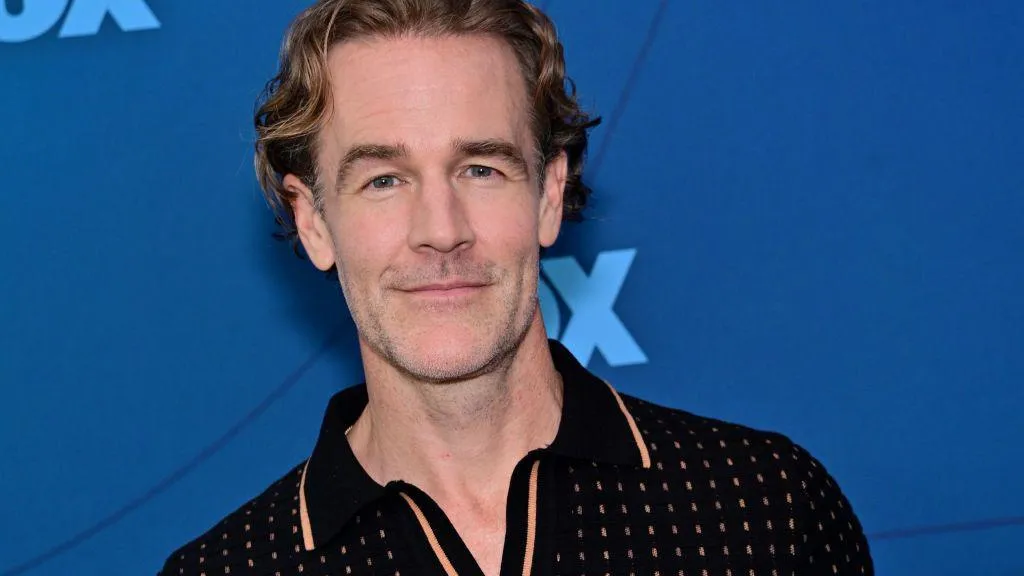
James Van Der Beek was once one of television’s most recognisable teen idols. Best known for his breakout role in Dawson’s Creek, he became a household name in the late 1990s and early 2000s. But recent reports that he needed financial assistance to cover medical bills have surprised fans and sparked wider discussion about healthcare costs in the United States.
So how did a former teen “superstar” find himself in that position?

Van Der Beek rose to fame playing Dawson Leery, a sensitive aspiring filmmaker whose coming-of-age story resonated with a generation. The show ran for six seasons and turned its young cast into international celebrities.
Like many child and teen stars, however, career momentum inevitably shifted once the series ended. While Van Der Beek continued acting in television and film, he never replicated the same commercial peak of his early fame.
Reports indicate that Van Der Beek faced substantial medical expenses related to personal or family health matters. In the United States, even insured individuals can encounter significant out-of-pocket costs, including deductibles, specialist care, and hospital stays.
The situation has prompted broader conversations about:
-
The unpredictability of medical emergencies
-
Gaps in insurance coverage
-
The misconception that celebrity equals lifelong financial security
Industry observers note that public perception often overestimates the long-term earnings of television actors from earlier eras.
Unlike modern streaming contracts, many 1990s television deals did not always secure extensive long-term royalties for actors. While stars of hit shows can earn residual income, it may fluctuate significantly over time.
Financial planners often highlight that:
-
Early fame does not always translate into sustained wealth
-
Career gaps can affect income stability
-
Large families or lifestyle changes can increase financial pressure
Van Der Beek, now a father of several children, has spoken openly in the past about prioritising family life and stepping back from Hollywood’s spotlight.
Fans expressed sympathy online, with many surprised that a former teen icon could face such financial strain. Others pointed out that medical debt affects millions of Americans annually, regardless of background.
Advocates for healthcare reform say the story underscores systemic challenges rather than personal mismanagement.
“This isn’t about one actor,” said healthcare policy analyst Laura Greene. “It reflects how vulnerable people can be to medical costs, even those who once appeared financially secure.”
The narrative challenges the assumption that fame provides permanent financial immunity. For many actors, earnings can be unpredictable, and unexpected health crises can strain even well-managed finances.

Van Der Beek’s situation has sparked empathy — and renewed debate about the realities behind celebrity headlines.
James Van Der Beek may have been a teen “superstar,” but his reported need for help with medical bills highlights a sobering truth: fame is not always synonymous with financial invulnerability. As discussions continue, the story has become less about celebrity and more about the broader issue of healthcare affordability in America.
Related News:
 Prunella Scales: From Fawlty Towers Icon to Beloved Canal Explorer
 Charlie Kaufman: They told me Being John Malkovich would never get made
 The Line of Beauty, Almeida review: A wild, witty ride through Thatcher-era high society
 Kate Winslet to Narrate Film Highlighting King’s Environmental Mission
 The upcoming book-to-screen adaptations I’m most excited about
 Hollywood Is an Industry of Looney Tunes Pretending to Be Normal
 Prince of Wales showcases volleyball skills on Brazil visit
 My standout favourite book of 2025: The Names
 Top Christmas Books Reads: Classics to Cozy Romcoms
 Meghan ‘to return to acting’ after eight-year hiatus
 Oprah enjoys Meghan’s jam on English muffins
 Pauline Collins, Beloved ‘Shirley Valentine’ Star, Dies at 85
 Lola Petticrew: ‘Calling it the Troubles minimises what it really was’
 Amber Davies Shines on Strictly – Time to Drop the West End Debate
 VAR Must Rein Its Neck In to Save Football’s Spirit
 From Lego to Pokémon: How Adults Are Driving UK Toy Market Growth
 David Szalay’s ‘Flesh’ Wins 2025 Booker Prize
 Boos, backlash and body horror: The story of Alpha
 Pop Stars Call on UK Government to Cap Resale Prices for Fans
 Princess of Wales Hosts Festive Christmas Service at Abbey
 Anthony Joshua Faces Backlash Over Proposed Jake Paul Fight
 Akon Arrested in Georgia Over Outstanding Warrant
 Princess of Wales Hosts Carol Service Celebrating Love for All
‘I’ve Read 38 Books, but This Is My Standout Favourite’
Princess of Wales Hosts Carol Service Celebrating Love for All
‘I’ve Read 38 Books, but This Is My Standout Favourite’
 Pat Butcher Returns to EastEnders in Touching Dementia Storyline
 EastEnders icon Pat Butcher returns to Walford this Christmas
 Wuthering Heights: bold new trailer for Emerald Fennell’s epic adaptation

 Yungblud Pauses Tour Over Health Concerns, Apologises to Fans
 SS Rajamouli Announces ‘Varanasi,’ a Mythic Time-Travel Epic
 UK Government to Ban Reselling Tickets Above Face Value
 Tom Cruise Receives Honorary Oscar, Celebrates Cinema
 Eminem Takes Legal Aim at Australian ‘Swim Shady’ Brand
 The Lasting Legacy of Seven: Crime, Morality, and Urban Decay
 Two Judges Quit Miss Universe Amid Allegations of Rigged Competition
 New Miss Universe Crowned Amid Controversy in Thailand
 Australia to Ban Social Media for Kids Under-16 Starting December
 Director Michael Caton-Jones Reflects on Career and Beginnings
 TikTok Star Jessie Yendle Mocked by KFC
 Miss Mexico Wins Miss Universe After Walkout Drama
 Sony, Warner, Universal Sign AI Music Deals With Klay
 Chef Skye Gyngell, Slow Food Pioneer, Dies Aged 62
 11 Best Supermarket Wines Chosen by Experts and Sommeliers
 Reggae Legend Jimmy Cliff Dies at 81
 Rosalía Inspires Young Listeners to Discover Classical Music
 Belfast’s Elle Vosque finishes runner-up on Drag Race UK
 Rusty Bond-Era Aston Martin Restored to £1m Glory
 Pavarotti statue frozen in Italian ice rink sparks backlash
 Franklin Turtle, Sabrina Carpenter Slam US Social Media Use
 Liverpool Cinema Proposal Inspired by Love Actually’s Iconic Scene
 Stranger Things 5 Documentary Reveals Last-Minute Finale
 Amanda Seyfried, Faith and Fear in a Radical Musical Leap
 ‘A long time coming’: US table tennis finds its moment
 Victoria Beckham Breaks Silence as Spice Girls Close Ranks
 John Lithgow criticises Rowling stance in trans debate
 Draco Malfoy Emerges as Lunar New Year Icon in China
 Julia Donaldson Reveals New Character and Title for Third Gruffalo Book
 Top 10 Must-See Films Arriving This February
 UK Banks Granted Reprieve as BoE Delays Basel III Capital Rules Until 2028
 Ozzy Osbourne: The Prince of Darkness Bows Out, Leaving Behind a Legacy of Metal and Myth
 Singapore Corruption Scandal: Details Emerge on Iswaran’s Luxury Flight and Ties to Tycoon Ong Beng Seng
 Corfu Beyond the Crowds: Discovering Serenity in Southern Villages and Hidden Taverns
 Peter Andre Praises Son Junior’s ‘Quiet Season’ Amid Ongoing Family Dispute
 Massive 641-Mile Storm Set to Batter UK with 15 Hours of Rain and Strong Winds
 Jeremy Clarkson’s Pub: A Sunday Lunch Like No Other
 Scottish Government Mandates Single-Sex Toilets and Changing Facilities in Schools
 Paedophile Singer Ian Watkins Dies After Prison Attack
 Reeves Faces Setback as Labour May Miss Homes Target
 Trump’s UK Ambassador Urges North Sea Drilling to Strengthen US Ties
 UK Bans Fake Numbers: Scammers Lose Their Trick
 Vibe coding’ named Collins dictionary’s word of the year
BBC to Apologise Over Edited Trump Speech Amid Backlash
Vibe coding’ named Collins dictionary’s word of the year
BBC to Apologise Over Edited Trump Speech Amid Backlash
 Millionaires group urge Reeves to introduce wealth tax to ‘lift kids out of poverty’
 US Dollar Hits Four-Year Low Amid Market Turmoil
 AI breast screening cuts later cancer diagnoses by 12%, study finds
 Police Doubt Fugitive Dezi Freeman Survived Bushland
 Most Statin Side-Effects Are Not Caused by Drugs, Study Confirms
 Australia’s Opposition Coalition Reunites After Rift
 Portugal Election Delivers Socialist Win as Far Right Surges
 Send spending gap leaves deprived areas behind