Published: 16 February 2026. The English Chronicle Desk. The English Chronicle Online.
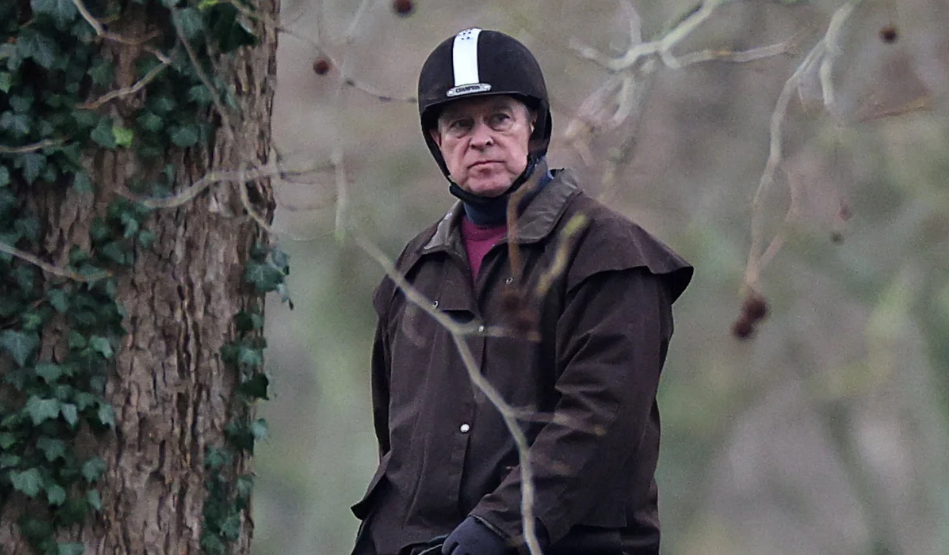
The phrase nobody above law has taken centre stage in Britain’s political debate this week. Britain’s chief prosecutor has delivered that message amid mounting scrutiny over Andrew Mountbatten-Windsor’s conduct. His remarks come as police assess fresh material linked to the late financier Jeffrey Epstein. The unfolding controversy has prompted renewed public concern about transparency, accountability, and trust in public office.
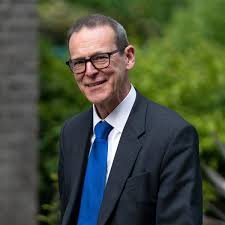
Stephen Parkinson, the Director of Public Prosecutions, made clear that status does not shield anyone from legal scrutiny. Speaking to a national newspaper, he stressed that enforcing the law without fear or favour is his duty. He insisted that his approach remains consistent regardless of an individual’s title or past role. His comments follow confirmation that Thames Valley Police are consulting the Crown Prosecution Service over potential misconduct in public office allegations.
The former royal, who previously served as Britain’s special representative for trade and investment, now faces questions about his links to Epstein. Emails emerging from newly examined files have suggested exchanges that critics describe as troubling. These communications reportedly relate to official visits and business introductions made during his tenure as trade envoy. Investigators are reviewing whether those contacts breached public trust or crossed legal boundaries.
Parkinson expressed confidence that detectives would assess all relevant evidence thoroughly. He explained that misconduct in public office hinges on proving a serious breach of trust. According to legal experts, such cases require clear demonstration of wilful neglect or abuse of authority. While the threshold for prosecution remains high, the prosecutor’s firm tone underscored the principle that nobody above law applies equally to all citizens.

Mountbatten-Windsor’s role between 2001 and 2011 involved promoting British trade interests overseas. During that period, he undertook taxpayer-funded visits to several global financial centres. Among them were trips to Beijing, Hong Kong, and Shenzhen in 2010. Emails cited by investigative reports indicate that a close associate maintained contact with Epstein during those missions. Critics argue that this association may have influenced official engagements.
One strand of the controversy concerns meetings allegedly arranged at Epstein’s suggestion. Correspondence suggests that business introductions were coordinated around the financier’s network. These claims have fuelled allegations that confidential information could have been shared inappropriately. Reports indicate that discussions involved sensitive matters linked to the Royal Bank of Scotland following its government bailout.
Further disclosures describe a senior palace aide allegedly circulating a diplomatic cable about UK-China trade relations. The cable reportedly reached a banker described as a friend and business associate of the former envoy. While no charges have been brought, the optics have intensified calls for scrutiny. Observers note that public confidence depends on the clear separation of private relationships from official duties.
Another element drawing attention involves a dinner in Beijing attended by Mountbatten-Windsor and Jes Staley. Staley later faced regulatory findings concerning his relationship with Epstein. Emails suggest that Epstein facilitated that engagement at a five-star hotel. Photographs from the period also show the former prince attending social events during official travel. Critics argue that such gatherings blurred lines between diplomacy and private networking.
The debate has widened beyond the immediate allegations. Former prime minister Gordon Brown has urged a comprehensive police investigation. Writing in the New Statesman, he described the revelations as deeply disturbing. Brown argued that the scale of potential misconduct demands full examination. He emphasised the need for transparency to restore public trust.
Former Liberal Democrat leader Vince Cable has echoed those concerns. Cable called for authorities to determine whether criminal corruption occurred during the envoy’s tenure. He described the alleged behaviour as unacceptable if proven. His comments reflect broader unease across party lines about safeguarding public institutions.
Thames Valley Police confirmed they are reviewing multiple strands of information. These include allegations that Epstein provided a woman to Mountbatten-Windsor in 2010. Officers are also assessing claims related to misconduct in public office. The force has stressed that no assumptions will be made until evidence is evaluated carefully. The Crown Prosecution Service will ultimately decide whether any charges meet evidential and public interest tests.
Mountbatten-Windsor has consistently denied wrongdoing. Representatives have previously stated that he ceased contact with Epstein in 2010. They maintain that he acted appropriately throughout his public duties. Supporters argue that association alone does not constitute criminal conduct. Critics counter that ethical standards for public office require more than mere legality.
Legal scholars note that misconduct in public office remains a complex and evolving area of law. Successful prosecutions depend on demonstrating deliberate abuse of authority. The standard is exacting, reflecting the seriousness of criminalising official conduct. Yet the principle that nobody above law guides prosecutorial decisions. That message appears designed to reassure a sceptical public.
The controversy also revives scrutiny of institutional oversight during the late 2000s. Britain was navigating the global financial crisis when many of these events occurred. Government bailouts and trade diplomacy unfolded under intense pressure. Any suggestion that private interests intersected with official missions raises difficult questions. The reputational impact may extend beyond individuals to the credibility of public bodies.
International observers are watching developments closely. Epstein’s global connections have triggered investigations across several jurisdictions. While he died in custody in 2019, disclosures from associated files continue to emerge. Each revelation adds complexity to an already sensitive narrative. For British authorities, balancing due process with transparency remains paramount.
Public reaction has been mixed but intense. Some citizens demand swift legal action, citing the importance of equal accountability. Others urge caution, warning against prejudgment before evidence is tested. Social media debate has amplified both perspectives. Amid that noise, prosecutors emphasise that decisions must rest on verifiable facts.

At the heart of the matter lies confidence in the rule of law. When senior figures face allegations, the response must be measured and impartial. Parkinson’s assertion that nobody above law seeks to reinforce that foundation. His office operates independently of political influence, guided by statutory duty. That independence will shape whatever course the case ultimately takes.
As investigations proceed, attention will focus on the quality and credibility of available evidence. Detectives must determine whether communications constitute criminal misconduct or poor judgement. The Crown Prosecution Service will apply established tests before authorising any charge. In that process, the guiding standard remains clear: nobody above law.
Britain’s constitutional framework depends on accountability at every level. Allegations involving former royals inevitably draw heightened scrutiny. Yet the legal system is designed to treat all individuals equally. Whether this inquiry leads to prosecution or closure, the principle will endure. For many observers, reaffirming that nobody above law is essential to sustaining public trust.
Related News:
 Peterborough Mosques Tighten Security After Attack
 Reeves Faces Setback as Labour May Miss Homes Target
 Hospice Cuts Raise Alarm Across England Amid Funding Crisis
 Kate Winslet to Narrate Film Highlighting King’s Environmental Mission
 Green Party Surges Past Labour in Latest UK Poll
 Trump’s UK Ambassador Urges North Sea Drilling to Strengthen US Ties
 Children to Learn Local History in Major Curriculum Overhaul
 Granit Xhaka Rescue Earns Everton Draw at Sunderland
 French Taxi Driver Cleared in David Lammy Theft Case After Fare Dispute
 UK Bans Fake Numbers: Scammers Lose Their Trick
 Prince William Plants Trees with Brazil’s Nature Heroes
 M&S Profits More Than Halve After Cyber-Attack
 Just Stop Oil Protesters Convicted Amid Climate Defence Row
 Kent village told to remove flags before Christmas lights go up
 Patients to Test Health at Home to Ease NHS Winter Pressure
 King Charles to Lead Nation in Remembrance Sunday Service
 How to get help when a child goes missing – call 999 urgently
 Palace May Restore Hyphen to Andrew Mountbatten-Windsor’s Name
 Millionaires group urge Reeves to introduce wealth tax to ‘lift kids out of poverty’
 Starmer Faces Growing Dissent as Labour MPs Weigh Leadership Challenge
 Shouting Works Best to Deter Gulls, UK Study Finds
 Reeves rejects £1bn plea for NHS redundancy payouts
 Northern Lights may illuminate UK skies this week
 PM Condemns Leaks, Vows Loyalty to Ministers and Stability
 Son Reveals UK Couple in Iran Resort to Hunger Strike for Help
 Major Rent Reform Ends No-Fault Evictions in England
 Peers Flood Assisted Dying Bill with 942 Amendments
 Former Lion Heskey Warns of Shortage of England Strikers
 Criminal Gangs Pose as Truckers to Hijack UK Supply Chains
 Stroke Patient Mistaken for Drunk, Care Delayed
 Van Dwellers Face Eviction After Park Misuse Sparks Outcry
 ‘Traumatic Wait’: Northern Ireland Women Face Breast Cancer Delays
 Serial Rapist and Former Cop Found Guilty Again
 Royal Navy Shadows Russian Warships Entering the Channel
 Inside the Helpline Protecting Missing Children in the UK
 Most Tories Expect to Support a Farage-Led Government
 Boots Showstopper Beauty Bundle Outshines Many Advent Calendars This Holiday Season
 Labour’s ‘blinkered’ drive to build risks pushing wildlife to point of no return, nature experts warn
 PlayStation PS5 Deals Hit Lowest Prices Ahead of Black Friday
 Karen Carney Stuns on Blackpool Week, Deserves Strictly Final
 Five-Year-Old Dies After Rare Tonsil Surgery Complication
 Fibromyalgia Patients Struggle as NHS Fails to Provide Care
 Starmer Says Labour’s Economic Plan Needs Years to Deliver
 Virgin Media Fined £23.8m Over Telecare Safety Failures
 More Patients Now Contacting GPs Online, Data Shows
 UK unemployment rises to four-year high of 5.1% before budget
 Wiltshire Police Use Lasso to Catch Rampaging Village Goat
 Children to Receive Home Vaccines as England Acts
 Cambridge College Faces Backlash Over Private School Recruitment
 NHS Violence Crisis: Staff Face Daily Assaults
 Celebrity Campaign Highlights SMA Screening Failures
 Bereaved Fathers Gain New Paternity Leave Rights in UK
 Storm Goretti leaves Cornwall homes without power
 New Documentary Examines Teen’s Zombie Knife Murder
 Woman Jailed for Life After Killing E-Bike Rider in Tragic Mistaken Identity Case
 Right Must Unite After Jenrick Defection, Urges Rees-Mogg
 UK Ministers Drop Foreign Student Targets for Global Education Push
MPs warn AI financial risks threaten UK stability
UK Ministers Drop Foreign Student Targets for Global Education Push
MPs warn AI financial risks threaten UK stability
 No Gas Boiler Ban as UK Warm Homes Plan Backs Heat Pumps
 UK Glaucoma Rise Signals Looming Eye Health Crisis by 2060
 Shinzo Abe’s killer receives life sentence in Japan
 Police response times face strict new national limits
 Edinburgh, Glasgow Lead UK Nightlife Hotspots, Uber Data
 Labour policing overhaul sparks fears over growing central control
 Devon hosts first high-density hydro power system
 Pornhub blocks new UK users over age checks dispute
 Reform candidate sparks British identity row in byelection
 Starmer warns of toxic division politics in Reform challenge
 Households in England Face Rising Water Bills in April
 UK New Car Discounts Near £6,000 as Prices Are Slashed
 Pneumonia Surge Pushes England Emergency Cases Higher
 Harvey Willgoose School Stabbing Red Flags Missed
 Email Appears to Confirm Photo of Andrew With Virginia Giuffre Is Real
 Wigan Dump Crisis Sparks Health and Safety Alarm
 Channel Boat Tragedy Could Have Been Prevented, Inquiry Finds
 Palantir contracts face UK halt calls over transparency
 Teen Girl Chased in Broad Daylight in Ipswich
 Archbishop Mullally Pledges Reform to Restore Church Abuse Trust
 Send spending gap leaves deprived areas behind
 Cabinet Secretary Shake-Up Triggers Due Diligence Warning