Published: 16 February 2026. The English Chronicle Desk. The English Chronicle Online.
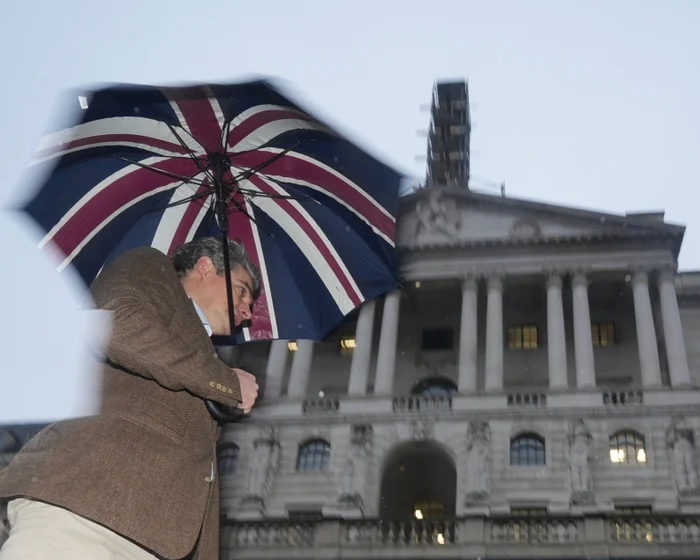
The Trades Union Congress has called for the Bank of England to reduce interest rates, warning that stagnant consumer spending is dragging the UK economy behind its international peers. This thinktank probe highlights that households struggling with high borrowing costs are unable to sustain growth, while other industrialised nations continue to see rising consumer demand. The TUC emphasised that immediate action on rates could help revive economic momentum and restore confidence among shoppers and businesses alike.
Paul Nowak, the TUC’s general secretary, insisted that the Bank’s monetary policy should prioritise growth over inflation fears. He said last year’s cautious approach left households squeezed and slowed recovery, urging a rapid sequence of cuts to stimulate spending. “Lower interest rates would directly put money into people’s pockets, supporting high streets and local services while boosting confidence across the economy,” Nowak explained.

Official figures confirm weak performance, with GDP expanding only 0.1% in the final quarter of 2025. According to the TUC, high borrowing costs with the Bank’s base rate at 3.75% have contributed to this sluggish growth. Their analysis shows that UK consumer demand has grown more slowly over the past three years than in 32 of 37 industrialised countries in the Organisation for Economic Co-operation and Development, many of which have kept inflation low.
Consumer spending has historically accounted for around two-thirds of the UK’s economic growth since 2008, but the TUC notes that in the past two years it contributed almost nothing. They argue that prioritising household affordability and high street support should now outweigh concerns about wage-driven inflation. The thinktank probe asserts that without action, growth will continue to lag while international competitors pull ahead.
The Bank of England’s monetary policy committee narrowly voted 5-4 to maintain rates this month, leaving markets uncertain. Economists expect a potential cut at the March meeting, although the scale of reductions may not mirror the aggressive moves seen last year. Huw Pill, the Bank’s chief economist, recently described current rates as “a little bit too low” and estimated underlying inflation at roughly 2.5%, excluding policy-driven price adjustments.
Chancellor Rachel Reeves has indicated support for growth-focused measures, particularly through her November budget. By lowering energy bills from April and encouraging investment-friendly policies, she aims to balance inflation management with economic expansion. However, businesses have expressed concerns that previous increases to employer national insurance and the national minimum wage have pushed prices upward, complicating inflation control efforts.

Following recent Labour party turbulence, Reeves is determined to signal stability and a commitment to her growth strategy. This includes targeted infrastructure investment, planning reforms, and regulatory changes designed to foster business confidence. She will provide a Commons statement on 3 March updating the public on the Office for Budget Responsibility’s latest forecasts, followed by a spring speech detailing her “securonomics” approach, which blends industrial policy with supply-side measures.
The TUC’s call for a proactive interest rate reduction underscores the ongoing tension between stimulating growth and managing inflation. Analysts suggest that any shifts in Labour’s economic policies, particularly during leadership discussions, could influence the direction of government borrowing and bond markets. The thinktank probe serves as a reminder that consumer spending is central to the UK’s recovery and that decisive monetary policy action is required.
Market commentators also note that slower growth could undermine the Bank’s broader objectives, with persistent low consumer demand leaving households financially constrained and businesses hesitant to invest. The TUC argues that immediate intervention through rate cuts could rejuvenate consumer confidence, enhance retail activity, and support small and medium enterprises.
In summary, the UK economy faces a critical juncture where household affordability and consumer spending are increasingly pivotal. The Trades Union Congress’s thinktank probe advocates for decisive action from the Bank of England, suggesting that prioritising growth over inflation fears will strengthen the economy in the year ahead. By following this advice, policymakers could see higher domestic demand, greater confidence among investors, and a more resilient economic outlook.
Related News:
 Tories Push to Dilute Labour’s Workers’ Rights Bill
 CMA Flags Concerns Over Greencore-Bakkavor Merger
 Derby Bounce Centre to Close Amid Car Park Dispute
 P.Louise Christmas Event Cancelled in Manchester
 Reeves Faces Setback as Labour May Miss Homes Target
 UK Small Business Owner to Challenge L’Oréal in Tribunal
 Trump’s UK Ambassador Urges North Sea Drilling to Strengthen US Ties
 150-Year-Old Arctic Beer to Be Reborn in Scotland
 Court Hears Challenge Over Water Bills Funding Sewage Fixes
 London bagel shop tops Deliveroo’s global orders list
 ABF May Split Primark from Food Division Amid Tough Market
 Rachel Reeves Set to Break Labour Pledge and Raise Income Tax
 UPS Cargo Plane Crash in Kentucky Kills Seven
 Thinktanks Urge Rachel Reeves to Reform UK Tax System
 Gopichand Hinduja, UK’s Wealthiest Business Leader, Dies
 M&S Profits More Than Halve After Cyber-Attack
 Company linked to Michelle Mone owes £39m in tax
 Tony Blair think tank warns Rachel Reeves must cut taxes if manifesto broken
 Oprah enjoys Meghan’s jam on English muffins
MPs Press Rachel Reeves to Hike Gambling Taxes
Oprah enjoys Meghan’s jam on English muffins
MPs Press Rachel Reeves to Hike Gambling Taxes
 NHS Takes Over Nuffield Hospital in ‘Windfall’ for London Care
 North Sea oil workers must lose weight or face job loss
 Cuts to home insulation funding threaten UK climate goals
 Warning as Britons prepare to spend £4 billion this Black Friday
 Troubled drinks giant Diageo names former Tesco boss to lead turnaround push
 Millionaires group urge Reeves to introduce wealth tax to ‘lift kids out of poverty’
 Taylor Wimpey Sales Drop Amid Budget Uncertainty
 Borough Market Clash Sparks Influencer Backlash
 UK toy market enjoys bumper year as ‘kidults’ fuel demand
 Reeves’s Tax U-Turn Triggers Fresh Jitters in UK Markets
 Global markets drop amid tech sell-off and China slowdown
 PM Highlights UK Business at G20 in South Africa
 Eurotunnel Investment Halted as UK Rates Soar
 Mossmorran Plant Closure Hits Cowdenbeath Hard
 UK Energy Bills to Rise Slightly in January
 UK Government Borrowing Higher Than Expected
 UK Taskforce Unveils Plan to Streamline Nuclear Reactor Rules
 Steel billionaire Lakshmi Mittal reportedly leaves UK
 Minister Denies Budget Leaks Have Harmed UK Economy
Budget 2025: Reeves Drops Economic Growth Reference
Minister Denies Budget Leaks Have Harmed UK Economy
Budget 2025: Reeves Drops Economic Growth Reference
 Expanded Version – Black Friday Shoppers Warned Over ‘Dud Deals’
 English Mayors Set to Introduce Tourist Taxes
 Black Friday Footfall Falls as UK Shoppers Hold Back Amid Economic Concerns
 Starmer Says Labour’s Economic Plan Needs Years to Deliver
 Virgin Media Fined £23.8m Over Telecare Safety Failures
 Rising Water Bills Lift Troubled Thames Back to Profit
BBC bosses ‘right to stick by their guns’ against Trump, says minister
Rising Water Bills Lift Troubled Thames Back to Profit
BBC bosses ‘right to stick by their guns’ against Trump, says minister
 Bet365 Boss Nets £280m Despite Profit Drop
 Sainsbury’s CEO leads business honours in New Year list
 UK Car Sales Pass 2 Million as Chinese Brands Surge
 Starmer Faces Parliamentary Battles Over UK-EU ‘Reset’ Plan
 Phoenixism Costs UK Taxpayers Millions in Recruitment Sector
 3,000 Jobs at Risk Without UK Helicopter Order
 China Dependence Threatens UK Energy Supply Chains and Jobs
 South East Water chief faces £400,000 bonus amid outages
 ScottishPower Tops List of Worst UK Energy Suppliers
MPs warn AI financial risks threaten UK stability
ScottishPower Tops List of Worst UK Energy Suppliers
MPs warn AI financial risks threaten UK stability
 MPs warn AI financial risks threaten UK stability
 City & Guilds pay surge sparks backlash amid £22m cuts
 UK Government Borrowing Drops to £11.6bn in December
 UK Disposable Income Growth Transforms Eleven Towns and Cities
 AI job losses UK: Britain faces sharper employment shock
 Most young adults in UK fear uncertain jobs and economic future
 Royal Mail delivery delays affect 16 million during Christmas
 Labour Must Revive High Streets to Avoid Election Collapse
 Households in England Face Rising Water Bills in April
 UK New Car Discounts Near £6,000 as Prices Are Slashed
 Study Finds One in Seven England Takeaways Are Dark Kitchens
 Riverford sales surge as UK organic market booms
 Barclays drops Global Counsel after Mandelson link scrutiny
 UK average home price exceeds £300,000 milestone, Halifax reports
 UK Experts Raise Alarm Over Machinery Export to Armenian Firm
 Barclays CEO Reacts to Epstein Fallout Amid Legal and Profit Pressures
 Unsustainable gaps in franchise policing, MPs warn
 Elliott Takes LSEG Stake, Pressures Strategy Shift
 UK Housing Market Shows Early Recovery Signs
 UK economy struggles as growth stalls at 0.1% in late 2025
 Aberdeen Chosen for GB Energy HQ at Marischal Square
 Inside the Helpline Protecting Missing Children in the UK
 PlayStation PS5 Deals Hit Lowest Prices Ahead of Black Friday