Published: 05 December 2025. The English Chronicle Desk. The English Chronicle Online
A senior ally of Prime Minister Sir Keir Starmer is facing mounting scrutiny after being placed under investigation over allegations of involvement in a coordinated smear campaign targeting political opponents. The development has sent ripples through Westminster, intensifying pressure on the Labour leadership at a politically sensitive moment.
The investigation centres on claims that individuals connected to the Prime Minister’s inner circle may have participated in, or failed to prevent, the dissemination of damaging and potentially misleading material aimed at rival figures. While no formal charges have been brought, the inquiry is examining whether established codes of conduct or electoral standards were breached.

The controversy erupted after a series of anonymous online briefings and targeted communications circulated in recent weeks, criticising specific opposition politicians and amplifying unverified claims about their conduct. Political observers noted similarities in messaging and timing, prompting speculation about coordinated activity. Questions soon arose about whether those close to Downing Street had knowledge of, or involvement in, the campaign.
Officials confirmed that the matter has been referred for independent review. Although the identity of the ally under investigation has not been formally disclosed in official documentation, multiple parliamentary sources describe the individual as a long-standing supporter of the Prime Minister with a visible advisory role. The Government has declined to comment on specific allegations but stated that “all appropriate processes will be followed.”
The Prime Minister’s office issued a brief statement emphasising its commitment to integrity and transparency. It said Sir Keir Starmer “expects the highest standards of conduct from all colleagues and associates” and would “not hesitate to act should any wrongdoing be established.” The statement did not confirm whether the ally in question has been suspended pending the outcome of the inquiry.
Opposition figures have seized upon the allegations, calling for full disclosure and urging the Government to ensure the investigation remains independent. Critics argue that any attempt to discredit opponents through covert campaigns undermines democratic debate and erodes public trust in political institutions. Some have drawn comparisons with past controversies in British politics where internal party disputes spilled into the public domain through anonymous briefings and media manipulation.
The Labour Party, which under Starmer’s leadership has repeatedly pledged to restore standards in public life, now faces a test of that commitment. Since becoming party leader, Sir Keir has sought to distance Labour from factional infighting and allegations of internal hostility that characterised previous periods. The present controversy risks reopening questions about political culture and accountability within the party’s upper ranks.
Legal analysts note that smear campaigns can fall into various categories, ranging from ethically questionable political messaging to potentially unlawful defamation or misuse of data. Much will depend on the findings of the ongoing inquiry. If the investigation concludes that false statements were knowingly spread to damage reputations, consequences could include disciplinary measures, civil claims, or further regulatory scrutiny.
The Electoral Commission has declined to comment on whether it is directly involved but reiterated that political campaigning must adhere to transparency and funding rules. Meanwhile, parliamentary ethics authorities are said to be reviewing whether any codes governing advisers or party officials were breached.
Within Westminster, the episode has fuelled speculation about internal tensions and strategic missteps. Some Labour MPs privately expressed concern that even unproven allegations could distract from the Government’s legislative agenda. Others urged colleagues not to prejudge the outcome, warning against trial by media.
Public reaction has been mixed. While critics view the allegations as evidence of cynical political tactics, supporters argue that modern political communication is often aggressive across party lines and caution against conflating sharp campaigning with coordinated misconduct. Social media platforms have also faced renewed scrutiny, as the initial circulation of the disputed material reportedly occurred online before being amplified more widely.
Sir Keir Starmer has built much of his leadership profile on a reputation for professionalism and prosecutorial precision, drawing on his background as a former Director of Public Prosecutions. For that reason, observers say, the handling of this investigation carries particular symbolic weight. Any perception of inconsistency between rhetoric and action could have lasting political implications.

At present, the investigation remains ongoing, and no conclusions have been published. Those close to the ally under scrutiny insist that allegations are exaggerated and politically motivated. They argue that robust rebuttal of opposition claims should not be mischaracterised as a smear campaign.
As the inquiry proceeds, attention will focus on whether clear evidence emerges linking senior figures to coordinated efforts to damage rivals through misleading information. The Prime Minister’s response, both in tone and substance, will likely shape public perception of his administration’s commitment to ethical standards.
For now, the episode stands as a reminder of the delicate balance between competitive political messaging and responsible democratic conduct. In an era of rapid digital communication and heightened partisan tension, allegations of smear tactics carry significant weight. The outcome of this investigation will determine whether the controversy fades as a minor dispute or evolves into a defining challenge for the Prime Minister’s leadership.
Related News:
 Tories Push to Dilute Labour’s Workers’ Rights Bill
 It’s time to come clean on the China spy case
 Rachel Reeves Admits Renting Home Without Required Licence
 Experts Question HMRC Over Possible Child Benefit Privacy Breach
 Phillipson urges careful review of gender recognition guidance
 French Taxi Driver Cleared in David Lammy Theft Case After Fare Dispute
 Met Police Culture Makes Racial Harm ‘Inevitable’
 Remaining rebel Labour MPs have whip restored
 Tim Davie resigns as BBC director general amid bias claims
 Palace to reinstate hyphen in Andrew’s surname
 BBC Apologises to Trump but Rejects $1bn Compensation Claim
 Major Rent Reform Ends No-Fault Evictions in England
 Peers Flood Assisted Dying Bill with 942 Amendments
 Your Party Turmoil Deepens Over Withheld Donations
 UK Unveils Fast-Track Deportation and Asylum Overhaul
 UK Asylum Overhaul Sparks Debate Over Human Rights and Deportations
 UK Asylum Reforms: Temporary Refugee Status and Faster Deportations
 Mahmood Defends Tough Overhaul of UK Asylum System
 Scottish Ministers Express Alarm Over UK Asylum Reforms
 Westminster Advances Legacy Bill Amid Criticism
 Minister Defends Tough New Asylum Reform Plan
 UK Net Migration Falls Sharply After ONS Revisions
 Peers Get Extra Time to Debate Assisted Dying Bill
 Plans to Limit Jury Trials Face Retreat After Mounting Opposition
 Tim Walz urges Trump to withdraw federal agents immediately
 UK and EU Signal Fresh Push for Defence Cooperation Talks
 Labour Attacks Reform Candidate Over Tommy Robinson Backing
 Starmer Reverses Local Election Delay Plan
 Tanni Grey-Thompson Faces Abuse Over Opposition to Assisted Dying Bill
 Mahmood Pledges Reform of Modern Slavery Laws After Court Blocks Deportation Appeal
 Digital ID Plans Ignite Debate Over £600m Treasury Tax Boost and Privacy Concerns
 Johnson Approved China’s London ‘Super-Embassy’ in 2018
 Green Party Surges Past Labour in Latest UK Poll
 Celebrities and Charities Demand UK Government Act on Child Poverty
 Trump’s UK Ambassador Urges North Sea Drilling to Strengthen US Ties
 FBI Director Kash Patel Defends Girlfriend Amid Government Jet Claims
 Just Stop Oil Protesters Convicted Amid Climate Defence Row
 King Charles to Lead Nation in Remembrance Sunday Service
 ‘Reckless’ cuts to victims’ services will cost more than they save
 Millionaires group urge Reeves to introduce wealth tax to ‘lift kids out of poverty’
 Starmer Faces Growing Dissent as Labour MPs Weigh Leadership Challenge
 Reeves rejects £1bn plea for NHS redundancy payouts
 Politics latest: Starmer ‘will fight any leadership coup’ as Streeting denies attempt to oust Labour PM
 PM Condemns Leaks, Vows Loyalty to Ministers and Stability
 England’s Special Needs Support Faces Breaking Point
 US Justice Department Files Lawsuit Against California Over Partisan Voting Maps
 MoD warned over Excel risks before Afghan data breach
 Trump Deploys DHS to Charlotte in Major Arrest Operation
 Serial Rapist and Former Cop Found Guilty Again
 Most Tories Expect to Support a Farage-Led Government
 Labour MP claims devolution bill is ‘blatant discrimination’ against Cornwall
 Millions Face Higher Taxes Under Reeves New Budget
 US National Guard Member Killed in DC Shooting
 ICC to Rule on Duterte’s Provisional Release
 Starmer Says Labour’s Economic Plan Needs Years to Deliver
 Virgin Media Fined £23.8m Over Telecare Safety Failures
 Culture secretary to review Telegraph takeover by Daily Mail owner
 Google Employee Claims Redundancy After Harassment Report
 Woman Jailed for Life After Killing E-Bike Rider in Tragic Mistaken Identity Case
 Right Must Unite After Jenrick Defection, Urges Rees-Mogg
 UK Ministers Drop Foreign Student Targets for Global Education Push
 MPs warn AI financial risks threaten UK stability
 MPs warn AI financial risks threaten UK stability
 No Gas Boiler Ban as UK Warm Homes Plan Backs Heat Pumps
 Hugh Grant Joins Call for Under-16 Social Media Ban in UK
 Shinzo Abe’s killer receives life sentence in Japan
 Lords Vote Piles Pressure on Starmer Over Social Media Ban
 Reform UK Health Plan ‘Would Cost £1.7bn’, Streeting Says
 Police response times face strict new national limits
 Labour policing overhaul sparks fears over growing central control
 Tories criticised after Braverman defection sparks mental health row
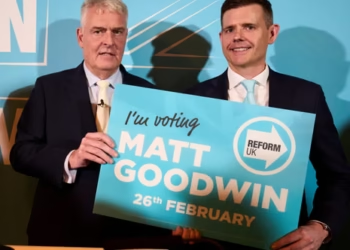 Starmer warns of toxic division politics in Reform challenge
 Starmer China visit raises human rights pressure on Beijing
 Study Finds One in Seven England Takeaways Are Dark Kitchens
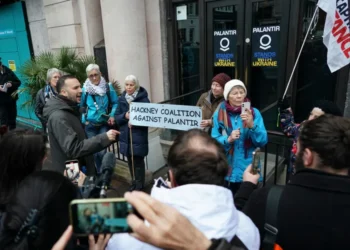 Palantir contracts face UK halt calls over transparency
 Australia’s Opposition Coalition Reunites After Rift
 Labour Lord Doyle Apologises Over Paedophile Ties in Political Storm
 Cabinet Secretary Shake-Up Triggers Due Diligence Warning
 Starmer Faces Inquiry Calls Over Thinktank Probe
 Royal Mail Delivery Crisis Deepens Amid Weather Chaos