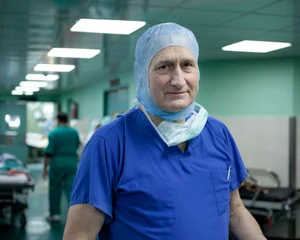
Published: 17 February 2026. The English Chronicle Desk. The English Chronicle Online.
Gaza medics have emerged at the centre of concern after UK and US doctors reported being barred from entering Gaza, raising alarms over restrictions on humanitarian access. Medical professionals and aid workers say their entry was denied after speaking publicly about conditions, highlighting growing fears over politicisation of medical access in the region. Doctors serving with international organisations described refusals as arbitrary, often receiving no explanation, suggesting that public statements or prior experience in Gaza may trigger such denials. International law requires unimpeded humanitarian aid, yet Gaza medics increasingly face repeated blockages.
Among those affected is James Smith, a UK emergency doctor blocked from Gaza since June 2024. Despite two attempts in 2025, Smith received no explanation. He believes his public statements and media engagement influenced the decision, saying, “It’s the expression of my politics that must have rattled them.” His experience underscores concerns that testimony from humanitarian work is being treated as a political risk, directly impacting Gaza medics’ ability to operate.
Khaled Dawas, a London-based consultant surgeon, echoed these frustrations, noting that outspoken doctors are more frequently denied entry than peers who remain silent. “I can’t think of anything else,” Dawas said. Thaer Ahmad, a Palestinian-American emergency physician from Chicago, faced four refusals since 2024, attributing part of the restriction to his identity and advocacy efforts. Authorities cited security concerns, but many argue that these denials reflect political motives, directly affecting international Gaza medics.
The World Health Organization (WHO) reported in August that denial rates for international health professionals had risen nearly 50%, with 102 individuals barred as of 18 March 2025. The restrictions coincide with a humanitarian crisis in Gaza, where casualties continue to rise. International organisations warn that continued denial of entry threatens patient care and humanitarian response, placing Gaza medics in a precarious position.
Recent deregistration of 37 NGOs in Gaza, including the UK-based Medical Aid for Palestinians (MAP), has further complicated access. MAP has been unable to send staff or aid for six months, describing the actions as deliberate barriers. Steve Cutt, MAP’s chief executive, said, “Israel’s restrictions on medical personnel are cruelly blocking humanitarian aid and obstructing independent medical witnesses.” Petitions filed with Israel’s supreme court cite multiple cases of alleged illegal refusals of entry, highlighting the systemic challenges faced by Gaza medics.

Medical workers often discover denials just hours before planned entry or days prior to travel, disrupting aid delivery. Cogat, Israel’s military authority overseeing Gaza access, denied claims, asserting that their registration process protects humanitarian integrity while supporting local healthcare. UK Foreign, Commonwealth and Development Office officials urged Israel to lift restrictions immediately, emphasizing obligations under international law to allow medical supplies, food, and fuel.
The barring of international Gaza medics illustrates the politicisation of access and its life-and-death consequences. Witnesses, including Graeme Groom, a London orthopaedic surgeon, highlight repeated refusals seemingly tied to independent reporting of Gaza conditions. Victoria Rose, a London plastic surgeon, suggested authorities may be targeting experienced professionals capable of effective assistance, rather than simply reacting to public statements.
Global advocates emphasise that transparent, impartial access is vital to support the health system in Gaza. Repeated refusals and NGO deregistrations threaten the effectiveness of humanitarian operations, underscoring the urgent need for reform. Observers insist that entry policies for Gaza medics should prioritise professional expertise over political considerations, ensuring healthcare reaches those in urgent need.
As the humanitarian crisis continues, international pressure mounts to guarantee unobstructed access for medical personnel. Denial of entry for UK and US medics has amplified global attention, highlighting the risks posed to impartial healthcare delivery. Experts warn that politicising access undermines international humanitarian standards and endangers both patients and the credibility of aid organisations.
Related News:
 Hospice Cuts Raise Alarm Across England Amid Funding Crisis
 Celebrities and Charities Demand UK Government Act on Child Poverty
 Experts Warn on Home Birth Risks, Call for Skilled Midwives
 Patients to Test Health at Home to Ease NHS Winter Pressure
 London’s Childlessness Crisis: Schools Closing as Families Shrink
 Seven Conditions That Automatically Qualify You for a Free Bus Pass
 Shouting Works Best to Deter Gulls, UK Study Finds
 Reeves rejects £1bn plea for NHS redundancy payouts
 Working-Class Men with Prostate Cancer Left Behind by NHS
 Senator John Fetterman Hospitalized After Fall from Heart Flare-Up, Keeps Sense of Humor
 New AI tool could cut wasted efforts in organ transplants
 From Baby Teeth to Bioengineering: The Future of Self-Healing Teeth
 Stroke Patient Mistaken for Drunk, Care Delayed
 ‘Traumatic Wait’: Northern Ireland Women Face Breast Cancer Delays
 Healthy Habits in Your 30s That Boost Life in Your 70s
 Woman Meets Boy Whose Life She Saved with Kidney
 Scottish Families Take Legal Action Over School CO Leak
 Coffins Now Too Large to Cremate Amid Rising Obesity Crisis
 Vicki Fears Losing Motability Car
 Delhi’s Toxic Air Crisis Leaves Children Sick and Vulnerable
 Five-Year-Old Dies After Rare Tonsil Surgery Complication
 Fibromyalgia Patients Struggle as NHS Fails to Provide Care
 More Patients Now Contacting GPs Online, Data Shows
 Kenya Signs $2.5bn Health Deal with US Amid Data Concerns
 People in England’s Poorest Areas Face Higher Lung Health Emergencies
 George Clooney and Amal Clooney Receive French Citizenship
 Damien Martyn in Induced Coma After Meningitis Diagnosis
 Minor A&E Visits Surge Across England as Hospitals Face Pressure
 Children to Receive Home Vaccines as England Acts
 Childhood Hypertension Sparks Urgent UK Testing Calls
 Salt Intake England: Crisps Comparison Sparks Health Alarm
 Capitol Attack Anniversary Sparks Deep Political Divide
 Saudi Officials Report Zubaidi Flee Before Yemen Peace Talks
 UK Targets in New York Bomb Threat Hoax: Man Jailed
 Offenders to Receive Health Support During Probation Appointments
 Gambia Supreme Court Hears Case to Overturn FGM Ban
 NHS Violence Crisis: Staff Face Daily Assaults
 Celebrity Campaign Highlights SMA Screening Failures
 Google Removes Some AI Health Summaries Over Safety Concerns
 Trump targets Iran trade with 25% tariff warning
 Rudd successor: Defence chief and former ministers considered
 US Senate rejects resolution limiting Trump military powers
 Venezuela regime claims release of political prisoners signals new era
 Gulf states warn Trump Iran strikes risk wider Middle East war
 Machado Trump medal gesture reshapes Venezuela power struggle
 Greenland defence seen as shared Nato duty amid troop arrivals
 Geopolitical football: Iran, Trump and the World Cup clash
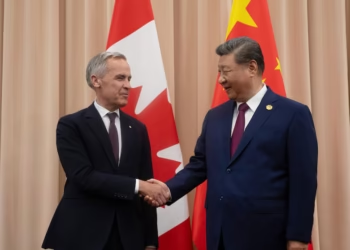 Canada-China trade gains momentum in new strategic partnership
 Trump Receives Machado’s Nobel Medal in White House Meeting
 Syria President Declares Victory as Ceasefire Reached with SDF
 US Considers Asylum for British Jews Amid Rising Antisemitism
 Trump slams UK ‘stupidity’ over Chagos Islands, eyes Greenland takeover
 More Than 100 Islamic State Inmates Escape Amid Syrian Clashes
 UK Glaucoma Rise Signals Looming Eye Health Crisis by 2060
 Trump Tightens Grip on EU and UK Energy Supply
 Shinzo Abe’s killer receives life sentence in Japan
 UK ADHD medication use triples over 13 years, landmark study finds
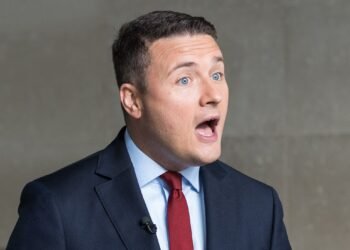 Reform UK Health Plan ‘Would Cost £1.7bn’, Streeting Says
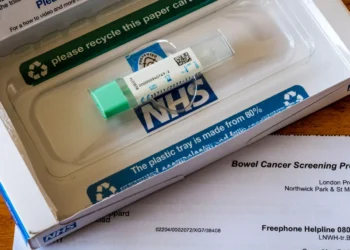 NHS boosts bowel screening accuracy with FIT reform
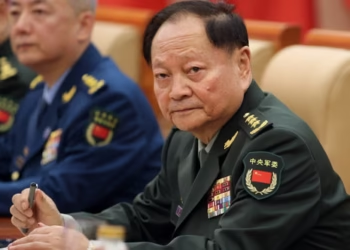 China General Under Investigation Amid Leadership Purge
 Philippines ferry disaster leaves 15 dead, dozens missing
 UK loses measles-free status amid deaths and jab decline
 Nottingham survivor warns of repeat attacks without mental health reform
 Crisis Looms as Liberals Debate Sussan Ley Future
 AI breast screening cuts later cancer diagnoses by 12%, study finds
 Cambridge Faces Scrutiny Over Arms Investment Transparency
 Study Finds One in Seven England Takeaways Are Dark Kitchens
 Files Link Andrew to Epstein Dinner After Prison Release
 Deadly Cancer Postcode Lottery Limits NHS Care
 James Valentine Retires from ABC After Cancer Battle
 Pneumonia Surge Pushes England Emergency Cases Higher
 Most Statin Side-Effects Are Not Caused by Drugs, Study Confirms
 Epstein UAE Emails Shake British Royal Andrew’s Legacy
 Headline: Measles Alert: Dr Oz Urges Americans to Vaccinate
 Minnesota Nurse Saves Refugees, Witnesses Tragedy Decades Later
 Christchurch gunman seeks to vacate guilty plea
 Liberal Fallout: Taylor Challenge Casts Shadow Over Sussan Ley’s Leadership
 Infantino Faces Russia Threat and Trump Concerns at Uefa Congress
 Concerns rise for Canberra boy amid Iran detention fears
 Ukraine, Russia Meet in Geneva Ahead of War Anniversary