Published: 18 February 2026. The English Chronicle Desk. The English Chronicle Online
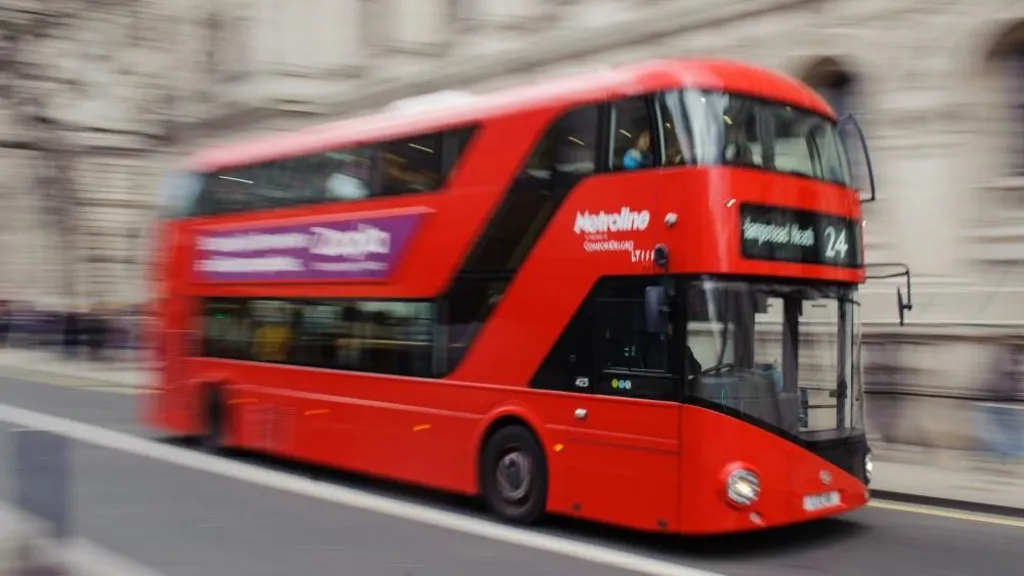
Transport for London (TfL) has faced criticism and regulatory action after one of its social media adverts was banned for reinforcing a harmful racial stereotype, the Advertising Standards Authority (ASA) has ruled. The controversial ad, part of TfL’s “Act Like a Friend” campaign aimed at encouraging people to safely intervene if they witness sexual harassment or hate crime on its network, was judged likely to cause serious offence due to its portrayal of a black male figure.

The advert in question — distributed on Facebook — depicted a black teenage boy verbally harassing a young girl, accompanied by a white male friend who appeared to be close by but not overtly shown participating in the intimidation. A viewer complained that, when seen in isolation, the advert perpetuated negative and harmful racial stereotypes about black men as threatening or aggressive. The ASA agreed, ruling that the cut‑down version “reinforced a negative racial stereotype” and was “irresponsible and likely to cause serious offence.”
TfL defended the broader campaign, saying the scenes were taken from a two‑minute film that featured a diverse range of scenarios, including other cut‑downs showing white men committing hate crimes against victims of different ethnicities. The transport authority said it had used a bespoke casting diversity tracker and that the likelihood of an individual seeing only the complained‑about advert was very low. However, the ASA’s concern stemmed from the fact that the shortened version could appear on its own to many viewers.
In response to the ruling, TfL apologised and confirmed it would no longer use the specific ad in its current form. A TfL spokeswoman said the organisation aims to ensure that its advertising “reflects London’s diverse population and does not perpetuate any stereotypes,” and reaffirmed TfL’s commitment to meeting advertising standards and inclusivity goals.

The ASA’s refusal highlights the strict standards in UK advertising policy designed to avoid content that could cause serious offence or reinforce damaging societal stereotypes, especially on sensitive issues related to race and ethnicity. It also underscores the challenges organisations face when conveying complex social messages through short‑form adverts on social media platforms.
Related News:
 Police Assessing Stansted Airport Private Flights Over Epstein Ties
 Snow and Rain Warnings as Cold Snap Continues in the UK
 UK Must Act with Courage and Clarity on Israel-Palestine Conflict, Says Foreign Affairs Committee Report
 MPs Call on UK Government to Delay Biometric Visa Checks for Gaza Students Amid Humanitarian Crisis
 Trump Pushes for Peace: Plans Surprise Meeting with Putin and Zelensky to End Ukraine War
 Radioactive Leak at UK’s Nuclear Warhead Base Sparks Outcry Over Safety and Secrecy
 Mutual Inconvenience: Why Alaska Was Chosen for the Trump-Putin Summit on Ukraine
 Manchester City Announce Their Return in Style with Haaland Double and Debut Goals at Wolves
 Terence Stamp, ’60s British Film Legend and Star of Superman, Dies at 87
 Where Is Prince William and Kate Middleton’s New House? Inside the Historic Lodge Set to Become Their ‘Forever Home’
 FIFA Eyes Biennial Club World Cup from 2029, Plans Possible Expansion
 EuroMillions Record-Breaking £210m Jackpot Won by Lucky Lottery Ticket Holder
 Is the UK Ready to Put Boots on the Ground in Ukraine? Assessing Military Capacity and Challenges
 Shein UK Faces Allegations of Shifting Majority of Profits to Singapore to Reduce UK Tax
 British Couple Among 16 Killed in Lisbon Funicular Tragedy
 Protests Expected as Israeli Arms Firms Join Global Defence Trade Fair in London
 Madeleine McCann Case: German Woman at Centre of Hit-and-Run Theory Speaks Out
 Serbia Humiliated 0-5 by England in World Cup Qualifier
 Thousands Gather in London to Protest Donald Trump’s Second UK State Visit
 Trump Urges UK to “Call Out the Military” to Secure Borders Amid State Visit
 British AI Startup Outshines Human Forecasters in Global Prediction Contest
 Liverpool Vs outhampton Set for Carabao Cup Clash at Anfield
Trump’s UN Speech Criticises London and UK Policies, Draws Far-Right Attention
Liverpool Vs outhampton Set for Carabao Cup Clash at Anfield
Trump’s UN Speech Criticises London and UK Policies, Draws Far-Right Attention
 UK Fighter Jet Purchase Could Breach Nuclear Treaty, Warns CND
 A Third of EU Citizens in UK Report Discrimination by Public Bodies Post-Brexit
 Jailed Georgian Opposition Leaders Warn UK of Iranian Links to Ruling Party
 Russia repeatedly targets UK military satellites, warns Space Command chief
 Pro-Palestine March to Proceed in London Despite Calls to Cancel After Manchester Attack
 UK Universities Warn Students Ahead of 7 October Pro-Palestine Protests
 Public Trust in SNP Hits Historic Low Amid NHS Concerns
 Cooper Unveils £4m Cyber Plan Against Russian Hackers
 Tuchel Criticises ‘Silent Wembley’ After England Win
 Johnson Suggests Mandelson Linked to China Spy Controversy
 Kane’s Double Seals England’s World Cup Qualification
 Witness statements reveal the CPS China spy row collapse in the UK
 Nigel Farage Calls Vladimir Putin ‘A Very Bad Dude’
 China warns UK over delayed London mega embassy decision
 Rachel Reeves signals welfare reform ahead of key budget
 Barnes Inspires Newcastle to Champions League Triumph Over Benfica
 Kosovo agrees to host Britain’s refused asylum seekers
 Fabio Wardley stuns Joseph Parker to earn Usyk title shot
 Rachel Reeves to lead UK trade push in Saudi Arabia amid rights debate
 British Woman in Iran ‘Losing Hope’ Amid Ongoing Detention
 Johnson Approved China’s London ‘Super-Embassy’ in 2018
 BBC Journalist Held and Interrogated in Vietnam
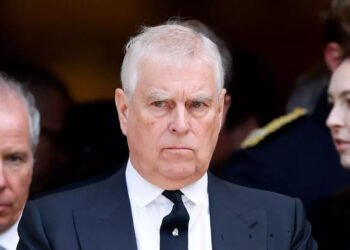 Trump Speaks on Prince Andrew’s Royal Scandal Fallout
 Top Christmas Books Reads: Classics to Cozy Romcoms
 UPS Cargo Plane Crash in Kentucky Kills Seven
 Just Stop Oil Protesters Convicted Amid Climate Defence Row
 Tension and Turmoil at Aston Villa v Maccabi Match
 I’m a Celebrity 2025 line-up revealed: Osbourne joins
 Lando Norris Dominates Brazil GP to Strengthen F1 Title Bid
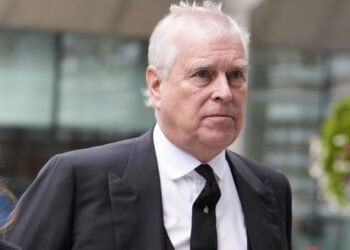 Palace May Restore Hyphen to Andrew Mountbatten-Windsor’s Name
 Ronaldo Confirms Final World Cup and Plans Retirement
 New review urges UK to repatriate Shamima Begum, others from Syria
 Rama Rebukes Mahmood for Targeting Albanian Families
 Russian Vessel Used Lasers on RAF Pilots, UK Claims
 Royal Navy Shadows Russian Warships Entering the Channel
 Trump Taiwan China drills: US President Downplays Tensions
 Britain Demands Israel Reverse Ban on Aid Groups
 US Africa aid remarks spark anger after leaked State email
 Starmer China visit raises human rights pressure on Beijing
 UK New Car Discounts Near £6,000 as Prices Are Slashed
 Emails Show Epstein Funded Mandelson’s Husband After Jail
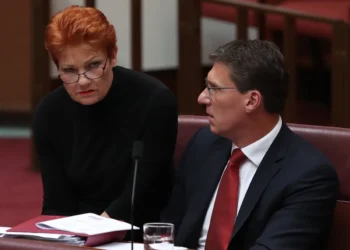 Cory Bernardi joins One Nation for SA election
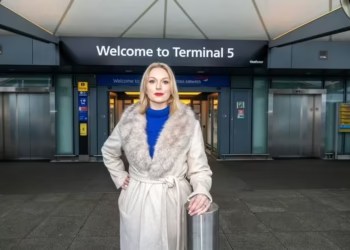 Labour Utterly Humiliated by Straight-Talking Mum Who Cut Through Keir Starmer’s Insanity
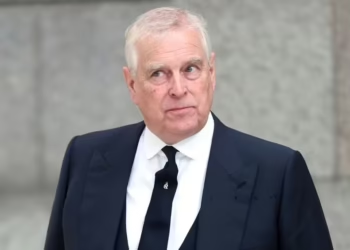 Royal Family LIVE: ‘Pariah’ Andrew Mountbatten-Windsor Sparks Fresh Revolt Among Staff
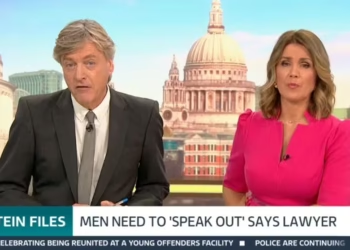 GMB Issues Bombshell Andrew Update Minutes Into Show as Furious Viewers ‘Switch Off’
 Tributes to Hospital’s First Black Ward Sister
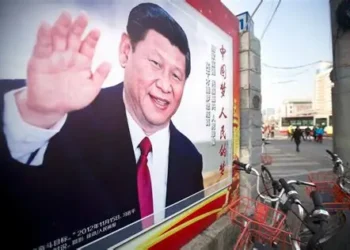 Universities and Politicians Briefed on China and Russia Spy Threat
 Hindu Man’s Stand Sparks Hope in India
 Renters Furious as Decent Homes Standard Delayed Until 2035
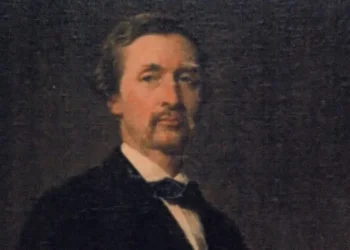 The Victorian aristocrat who became Britain’s first Muslim lord
 UP IN FLAMES: Huge Blaze Rips Through Odeon Cinema, Students Evacuated
 Starmer Weighs Fast-Tracking Defence Boost
 Motorists Could Face ‘Mandatory’ Driving Ban for Road Offences Under Tougher Laws
 Royal Mail Blames Poor Weather and Sickness for Delayed Deliveries
 Disability and LGBT Hate Crimes Set to Become Aggravated Offences
 Flooding May Worsen Before It Improves as More Rain Forecast for the UK
 Teacher Who Lied About Cambridge Degree Banned From Profession