
Published: 19 February 2026. The English Chronicle Desk. The English Chronicle Online.
Tim Wilson has clarified his position on the Reserve Bank of Australia’s dual mandate after initial comments sparked political backlash. The new shadow treasurer said he fully supports the bank’s twin objectives, despite suggesting earlier that inflation control should take precedence over full employment. Wilson’s remarks, made just days into his appointment, prompted strong criticism from government ministers and union leaders who warned higher interest rates could follow. The focus keyword for this article is RBA dual mandate.
Wilson spoke to the Nine papers, indicating that the opposition would review the legislated requirement obliging the RBA to maintain an equal focus on inflation and employment. He argued that the bank’s “core purpose” should prioritise lowering inflation, particularly after December’s headline monthly inflation rate reached 3.8%, up from 1.9% six months earlier. The rise, coupled with a recent rate hike by Governor Michele Bullock’s board, triggered Wilson’s call for a more targeted approach. His position drew immediate attention, suggesting the opposition may push for a more nuanced framework in monetary policy.
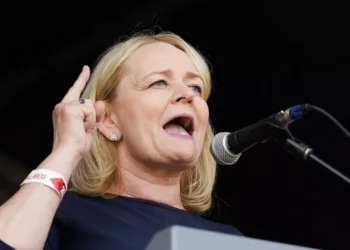
Critics were quick to respond, with Treasurer Jim Chalmers insisting the dual mandate has long formed the backbone of Australia’s economic strategy. Chalmers highlighted that the mandate was formalised under John Howard and Peter Costello and has consistently received bipartisan support. He described Wilson’s comments as “an early sign of extreme ideology” that could risk higher unemployment. Similarly, Australian Council of Trade Unions secretary Sally McManus accused Wilson of aligning with corporate interests seeking to maintain a large unemployed workforce to suppress wages.
In further interviews, Wilson clarified that he still supports the dual mandate but believes the RBA has not adequately emphasised inflation management. He argued that periods of misjudged monetary policy had contributed to rising prices without any corresponding unemployment problem, which he stated remained at 4.1% in January. Wilson asserted that Australians were experiencing the consequences of higher inflation, stagnant wage growth, and escalating living costs, while the central bank had publicly claimed inflation was under control. His comments aimed to underscore the need for a review without removing the employment objective entirely.

The opposition’s broader economic stance was echoed by leader Angus Taylor, who avoided directly advocating the removal of the RBA’s dual mandate but supported Wilson’s concern over inflation. Taylor said that reducing inflation should remain a priority, alongside efforts to restore living standards and give Australians hope in the economy. He highlighted that the government has, in his view, failed to act decisively in curbing price growth, leaving households under pressure. Both Taylor and Wilson emphasised that the central bank’s focus should be realigned to address current economic challenges more effectively.
Wilson also addressed taxation, linking high marginal rates to disincentives for work and business investment. He singled out the 47% top marginal tax rate, which applies to incomes over $190,000, calling it “punitive.” Wilson suggested a “robust conversation” about tax policy could incentivise Australians to take entrepreneurial risks and support small business creation. He argued that reducing tax burdens could encourage productive activity, potentially benefiting employment without undermining the RBA’s commitment to controlling inflation. His remarks framed tax policy as a complementary tool to monetary measures, reinforcing the balance central to the dual mandate.
Economic analysts have noted that Wilson’s approach reflects growing concern over inflationary pressures, which have been heightened by global commodity price shocks and domestic wage stagnation. The debate comes amid a period of heightened scrutiny on central bank policy worldwide, as countries navigate the challenges of post-pandemic economic recovery. In Australia, inflation remains above the historical target band of 2% to 3%, prompting discussions about whether monetary policy should adapt more aggressively to current conditions. Wilson’s intervention has therefore placed the dual mandate at the centre of national economic discourse.
Market commentators suggest that a review of the RBA dual mandate could influence investor confidence, particularly if perceived as a shift toward prioritising inflation over employment. Bond yields, mortgage rates, and consumer sentiment may all react to perceived changes in central bank policy direction. While Wilson’s clarification maintains support for full employment, his emphasis on inflation control signals potential shifts in how the opposition frames economic debates in parliament. Stakeholders across industries, from small businesses to multinational corporations, are closely monitoring any policy discussions that could impact borrowing costs and investment incentives.
The union response highlights the broader social implications of adjusting central bank priorities. Critics argue that prioritising inflation at the expense of employment could disproportionately affect vulnerable workers and low-income households. The tension between macroeconomic stability and labour market security has long been a feature of debates over monetary policy, and Wilson’s comments have reignited these discussions. By advocating for a careful balance, Wilson seeks to address both inflationary concerns and the social responsibility inherent in the dual mandate framework.
Australia’s economic context remains complex, with inflationary pressures intersecting with global supply chain challenges, energy costs, and wage growth concerns. Wilson’s emphasis on reviewing how the RBA manages its dual mandate underscores the importance of policy coordination between government fiscal decisions and central bank actions. By highlighting perceived shortcomings in the current approach, the shadow treasurer aims to influence a more proactive stance, potentially reshaping public expectations about the central bank’s priorities. His interventions suggest a strategy that emphasises accountability while maintaining the longstanding framework of the dual mandate.
Looking ahead, the conversation around the RBA dual mandate is likely to remain central in Australian politics. As the opposition calls for more targeted inflation control, public and media scrutiny of central bank decisions will intensify. Analysts predict that ongoing debates will consider both short-term economic pressures and long-term structural implications for labour markets. Wilson’s clarification that he supports the dual mandate, while stressing inflation, represents an attempt to balance economic prudence with political messaging. How the government and central bank respond will have implications for economic stability and voter confidence across the nation.

The discussion also raises questions about the interaction between monetary policy, taxation, and business incentives. By linking high marginal tax rates to reduced labour participation and entrepreneurship, Wilson frames policy decisions within a broader economic strategy. The dual mandate, in this context, becomes not just a tool for central bank guidance but part of a wider economic philosophy prioritising balanced growth. The ongoing public debate will likely influence legislative reviews and inform how future governments approach monetary objectives while protecting employment levels.
Tim Wilson’s intervention demonstrates the complexities involved in maintaining the RBA dual mandate amid shifting economic realities. Balancing inflation control with full employment continues to be a delicate task, reflecting both macroeconomic theory and political strategy. The discussion in Australia underscores how monetary policy decisions reverberate through households, businesses, and broader economic confidence. By advocating for a nuanced review rather than radical change, Wilson positions himself as a figure seeking reform while upholding the principles underpinning Australia’s economic framework.
The focus on inflation and employment reflects broader global trends, where central banks must adapt to evolving conditions without undermining social and economic stability. Wilson’s approach illustrates a pragmatic perspective that acknowledges existing economic achievements while identifying areas for improvement. By clarifying his stance, the shadow treasurer attempts to balance public concern over rising living costs with support for structured, predictable central bank policy. This measured approach ensures that discussions on the RBA dual mandate remain grounded in both economic realities and political responsibility.
Related News:
 Tories Push to Dilute Labour’s Workers’ Rights Bill
 Wales May Introduce Four-Day Work Week After Elections
 Trump’s UK Ambassador Urges North Sea Drilling to Strengthen US Ties
 Rachel Reeves Set to Break Labour Pledge and Raise Income Tax
 Thinktanks Urge Rachel Reeves to Reform UK Tax System
 Company linked to Michelle Mone owes £39m in tax
MPs Press Rachel Reeves to Hike Gambling Taxes
Company linked to Michelle Mone owes £39m in tax
MPs Press Rachel Reeves to Hike Gambling Taxes
 Cuts to home insulation funding threaten UK climate goals
 Millionaires group urge Reeves to introduce wealth tax to ‘lift kids out of poverty’
 Canada Passes Carney’s First Budget in Tight Parliamentary Vote
 PM Highlights UK Business at G20 in South Africa
 English Mayors Set to Introduce Tourist Taxes
 India’s Labour Law Overhaul Sparks Fierce Debate
 Carney’s Alberta Pipeline Deal Sparks Immediate Pushback
 Starmer Says Labour’s Economic Plan Needs Years to Deliver
BBC bosses ‘right to stick by their guns’ against Trump, says minister
Starmer Says Labour’s Economic Plan Needs Years to Deliver
BBC bosses ‘right to stick by their guns’ against Trump, says minister
 Closer EU Trade Ties ‘Strategic Necessity’ for UK Firms
 Austrian Airlines Halts Tehran Flights Amid Political Unrest
 Starmer links foreign trips to tackling cost of living crisis
 Mark Carney Walks Diplomatic Tightrope on China Visit
 Government Unveils Northern Powerhouse Rail Plans
 China Dependence Threatens UK Energy Supply Chains and Jobs
 MPs warn AI financial risks threaten UK stability
 MPs warn AI financial risks threaten UK stability
 Trump Fed bid heads to Supreme Court
 Starmer Plans UK-China Visit Amid Business and Diplomatic Goals
 UK Government Borrowing Drops to £11.6bn in December
 Labour Must Revive High Streets to Avoid Election Collapse
 Keir Starmer meets Xi to strengthen UK-China economic relations
 UK food industry urges transition if post-Brexit rules reset
 AstraZeneca China Investment Signals Strategic Shift Abroad
 EU Signals Open Mind on UK Customs Union Talks
 Barclays drops Global Counsel after Mandelson link scrutiny
 Unsustainable gaps in franchise policing, MPs warn
 UK shelves £110m border project amid trade strain
 Sanders Condemns Billionaire ‘Greed’ in California Tax Debate
 Kemi Badenoch Unveils ‘Golden Rule’ to Halve Spending Cuts for Deficit Reduction at Tory Conference
 Reeves Faces Setback as Labour May Miss Homes Target
 Virgin Trains Moves Closer to Challenging Eurostar Monopoly
 Army Officers Orders to Cut Ties with Men-Only Clubs
 Ryanair Chief UK Economy ‘Doomed’ Under Labour
 French Taxi Driver Cleared in David Lammy Theft Case After Fare Dispute
M&S Profits More Than Halve After Cyber-Attack
BBC to Apologise Over Edited Trump Speech Amid Backlash
French Taxi Driver Cleared in David Lammy Theft Case After Fare Dispute
M&S Profits More Than Halve After Cyber-Attack
BBC to Apologise Over Edited Trump Speech Amid Backlash
 Britain deploys RAF specialists to assist Belgium with drone threats
 From Lego to Pokémon: How Adults Are Driving UK Toy Market Growth
 Reeves rejects £1bn plea for NHS redundancy payouts
 PM Condemns Leaks, Vows Loyalty to Ministers and Stability
 Major Rent Reform Ends No-Fault Evictions in England
 Senator John Fetterman Hospitalized After Fall from Heart Flare-Up, Keeps Sense of Humor
 Greene Pushes Epstein Files Amid Trump Fallout
 December Run-Off in Chile as Election Produces No Winner
 Shadow Fleet at Sea: Europe’s Battle Against Illicit Oil Shipping
 Georgians Defy Government Crackdown After Year of Protests
 US National Guard Member Killed in DC Shooting
 ICC to Rule on Duterte’s Provisional Release
 Khaleda Zia Death in Bangladesh: First Female PM Dies at 80
 FTSE 100 Hits 10,000: UK Market Celebrates Record Year
 Albanese Opens Door to Bondi Royal Commission Amid Rising Pressure
 US Senate rejects resolution limiting Trump military powers
 EU weighs response amid Greenland tariff crisis with Trump
 UK Ministers Drop Foreign Student Targets for Global Education Push
 No Gas Boiler Ban as UK Warm Homes Plan Backs Heat Pumps
 Shinzo Abe’s killer receives life sentence in Japan
 Sussan Ley leadership milestone shakes Liberal future
 EU Says US Ties Have Suffered ‘Big Blow’ After Greenland Crisis
 Satire Can Skewer Trump, But It Won’t Save Democracy
 Police response times face strict new national limits
 Labour policing overhaul sparks fears over growing central control
 Starmer warns of toxic division politics in Reform challenge
 US Dollar Hits Four-Year Low Amid Market Turmoil
 UK New Car Discounts Near £6,000 as Prices Are Slashed
 Israel Moves to Bar MSF From Gaza Operations
 Palantir contracts face UK halt calls over transparency
 Australia’s Opposition Coalition Reunites After Rift
 BT Names New Openreach Chief Amid Major Fibre Expansion
 Could Manchester Lead the UK’s Economic Revival?
 Australian Families Leave Syrian Camp for Home
 Farage to Name Jenrick as Reform Chancellor Pick
 Civil Service Pay: Union Urges Ministers to End ‘Barking Mad’ Limits