Published: 20 February 2026. The English Chronicle Desk. The English Chronicle Online
The arrest of Prince Andrew in connection with alleged financial misconduct has sent shockwaves through the British monarchy and reignited intense debate about the public’s trust in the Royal Family. As one of the most senior members of the Windsors to face criminal charges in modern times, Andrew’s legal troubles not only threaten his personal reputation but also pose broader questions about the future image and stability of one of the world’s most visible royal institutions.

While Buckingham Palace has attempted to maintain an official tone of restraint, royal watchers and constitutional experts agree the ramifications could extend well beyond this single case. Over the past decade, the monarchy has faced mounting scrutiny over its finances, relevance in contemporary society, and the personal conduct of its members. Andrew’s arrest — coming seven years after he stepped back from public duties — now adds fresh fuel to critics who argue that the monarchy must evolve or risk further eroding its standing.
In the immediate aftermath of the news, public response has been sharply divided. Polling in the UK suggests that a significant proportion of the population believes no individual, regardless of birthright, should be above the law. Supporters of the arrest argue that accountability is a cornerstone of democratic society and that the rule of law must apply equally to royals and civilians alike. By contrast, monarchists fear that the optics of an arrest — especially one involving allegations tied to financial impropriety — could damage the Crown’s symbolic role as a unifying institution.
An arrest of this magnitude also poses practical challenges for the Royal Family’s operations. The monarchy’s public engagements and charitable work rely heavily on goodwill and public perception. Prince Andrew’s past role as a representative of the Crown included patronages and international engagements; his legal situation now clouds the legacy he leaves behind of those roles. Although he no longer performs official duties, the association with controversy could inadvertently cast a shadow over institutions connected to him.
Media coverage has been relentless, with major international outlets chronicling developments minute by minute. Social media has amplified public discourse, often framing the arrest as emblematic of deeper cultural and institutional tensions within the UK. Commentators have drawn parallels to past scandals involving members of the Royal Family, debating whether this episode could be another inflection point in the monarchy’s long history or a transient crisis that ultimately fades from public memory.
Legal experts emphasise that the consequences of the arrest will be determined in court and hinge on the strength of the prosecution’s case. Should Prince Andrew be convicted, the monarchy would face a constitutional quandary unlike any in recent history. Conversely, if the charges are dismissed or he is acquitted, the emotional and reputational toll of the legal proceedings might still linger, shaping public perceptions long after legal closure.
Beyond the courtroom, the political implications are unavoidable. Politicians from across the British political spectrum have weighed in, with some seeing the arrest as evidence of the impartial application of justice, while others caution against undermining institutions that hold historical and cultural significance. Members of opposition parties have called for broader transparency regarding royal finances and accountability mechanisms, a debate that could shape legislative priorities in the coming years.
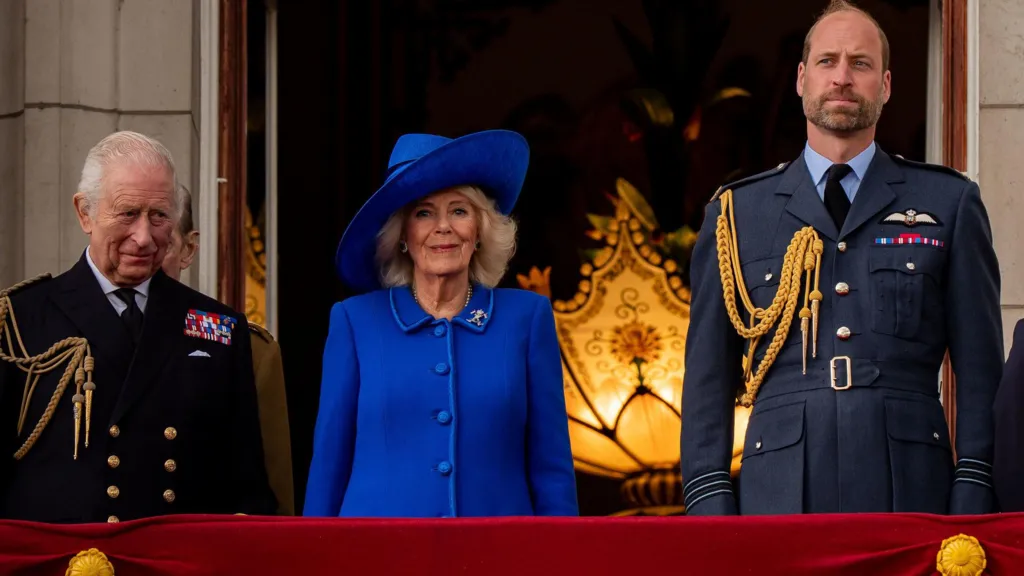
For the monarchy itself, the crisis tests the careful balancing act the institution has tried to maintain between tradition and modern relevance. King Charles III has been faced with navigating a delicate path — expressing respect for the legal process while seeking to protect the dignity of the Crown. Palace sources have indicated that the King and senior royals are determined to support the rule of law, recognising that public confidence in the monarchy depends on its perceived integrity.
Internationally, the arrest has also attracted attention from Commonwealth realms and global media. In countries where the British monarch remains head of state, the situation has rekindled discussions about republicanism and the future of ties to the Crown. While it is too early to assess any concrete political repercussions abroad, the conversation signals that the impact of Andrew’s legal troubles could resonate far beyond the UK’s borders.

At a cultural level, the episode underscores the ongoing evolution of attitudes toward deference, privilege, and accountability in the 21st century. Public institutions — royal or otherwise — are being held to increasingly demanding standards by citizens who expect transparency and fairness. How the Royal Family weathers this storm may shape its role in British life for years to come.
Ultimately, the degree to which Prince Andrew’s arrest hurts the Royal Family will depend not just on legal outcomes but on how the institution navigates the crisis, addresses public concerns, and adapts to heightened expectations for ethical behaviour and accountability. Whether this marks a transformative moment for the monarchy or a temporary reputational dent remains to be seen, but the reverberations are already being felt across British society and beyond.
Related News:
 Charlie Kirk Killing Used to Mobilise UK’s Largest Far-Right Rally in Decades
 Jailed Georgian Opposition Leaders Warn UK of Iranian Links to Ruling Party
 Emails Show Epstein Funded Mandelson’s Husband After Jail
 Tasers Introduced in UK Prisons to Combat Rising Violence and Protect Staff
 Ministers Accused of Defamation Over Palestine Action Ban and Mass Arrests
 Police Advised to Disclose Ethnicity of Suspects in High-Profile Cases
 UK Home Office to Launch French Beach Signage to Warn Asylum Seekers of Risks
 Father’s Tip Leads to Arrest in Charlie Kirk Murder Case
 UK and Ireland Set to Unveil New Proposals to Address Northern Ireland’s Troubles Legacy
 UK Recognises State of Palestine in Push to Preserve Hope for Peace
 UK Police to Gain New Powers to Manage Repeated Protests, Home Office Announces
 Boris Johnson Breached Rules on Post-Office Business Contacts
 China’s Mega Embassy in London Faces Further Delay
 Shabana Mahmood Warns Border Failings Are Eroding Trust in States
 Prince Andrew met alleged Chinese spies during Pitch@Palace China trips
 Kosovo agrees to host Britain’s refused asylum seekers
 UK Gamer Recruited by Wagner Group Found Guilty of Arson
 China Spy Case Hearing Reveals Key Gaps in Prosecution
 It’s time to come clean on the China spy case
Johnson Approved China’s London ‘Super-Embassy’ in 2018
It’s time to come clean on the China spy case
Johnson Approved China’s London ‘Super-Embassy’ in 2018
 Pregnant UK Teen to Be Freed from Georgian Jail
 French Taxi Driver Cleared in David Lammy Theft Case After Fare Dispute
 Just Stop Oil Protesters Convicted Amid Climate Defence Row
 Met Police Culture Makes Racial Harm ‘Inevitable’
 British Grandmother to Return Home After Death Sentence in Bali
 Remaining rebel Labour MPs have whip restored
 Second world war veterans honoured as King leads Remembrance Sunday
 New review urges UK to repatriate Shamima Begum, others from Syria
 Victims’ commissioner Baroness Newlove dies aged 63
 UK and EU Signal Fresh Push for Defence Cooperation Talks
 Police Probe Mandelson Over Alleged Epstein Leak
 Last‑ditch Call to Save Police Front Counters in London
 Nine Arrested in France Over Death of Far‑Right Student
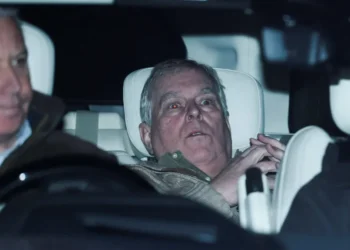 Andrew Released Under Investigation After Arrest
 Trump Administration Dismisses 17 Immigration Judges, Sparking Debate Over Judicial Independence
 UK Must Act with Courage and Clarity on Israel-Palestine Conflict, Says Foreign Affairs Committee Report
 Northern Ireland Family of Three Shot Dead in Maguiresbridge Home Incident
 Targeted Attack in Bury Sparks Murder Investigation as Community Awaits Justice
 Man Remanded After Children Fall Ill at Leicestershire Summer Camp in Shocking Child Cruelty Case
 Radioactive Leak at UK’s Nuclear Warhead Base Sparks Outcry Over Safety and Secrecy
 Mass Arrests in London as Protest Defies Ban on Palestine Action
 Mutual Inconvenience: Why Alaska Was Chosen for the Trump-Putin Summit on Ukraine
 Merseyside Police Helicopter Crew Cleared After Low-Altitude Pursuit of Suspect
 Is the UK Ready to Put Boots on the Ground in Ukraine? Assessing Military Capacity and Challenges
 Urgent Action Needed on Windrush Compensation as Survivors Speak of “Waiting to Die”
 Tanni Grey-Thompson Faces Abuse Over Opposition to Assisted Dying Bill
 Protests Expected as Israeli Arms Firms Join Global Defence Trade Fair in London
 UK Launches Major Crackdown on Networks Profiting from Online Child Sexual Abuse
 Thousands Gather in London to Protest Donald Trump’s Second UK State Visit
 Zarah Sultana Seeks Legal Action After Bitter Clash with Jeremy Corbyn Over Party Membership Funds
Channel Crossings Surge: Over 1,000 People Arrive in the UK in Small Boats in a Single Day
Zarah Sultana Seeks Legal Action After Bitter Clash with Jeremy Corbyn Over Party Membership Funds
Channel Crossings Surge: Over 1,000 People Arrive in the UK in Small Boats in a Single Day
 Mahmood Pledges Reform of Modern Slavery Laws After Court Blocks Deportation Appeal
 A Third of EU Citizens in UK Report Discrimination by Public Bodies Post-Brexit
 No Evidence Found to Substantiate Alleged Rape in Oxfordshire Churchyard, Police Confirm
 Digital ID Plans Ignite Debate Over £600m Treasury Tax Boost and Privacy Concerns
 Public Trust in SNP Hits Historic Low Amid NHS Concerns
 Johnson Suggests Mandelson Linked to China Spy Controversy
 Rachel Reeves signals welfare reform ahead of key budget
 Trump Urges Herzog to Grant Netanyahu Full Pardon
 Major Rent Reform Ends No-Fault Evictions in England
 Peers Flood Assisted Dying Bill with 942 Amendments
 US Justice Department Files Lawsuit Against California Over Partisan Voting Maps
 Indian authorities demolish Kashmir home linked to Red Fort blast
 Greene Pushes Epstein Files Amid Trump Fallout
 Trump Deploys DHS to Charlotte in Major Arrest Operation
 Serial Rapist and Former Cop Found Guilty Again
 Venezuela Threatens Nobel Winner Machado with Fugitive Status
 Most Tories Expect to Support a Farage-Led Government
 Plans to Limit Jury Trials Face Retreat After Mounting Opposition
 Woman Jailed for Life After Killing E-Bike Rider in Tragic Mistaken Identity Case
 Betfair Faces Pressure Over Funds Lost to Gambling Fraud
 Police response times face strict new national limits
 Starmer China visit raises human rights pressure on Beijing
 Appeal to B&B Owners Over Cash Point Ram-Raid
 Starmer Weighs Fast-Tracking Defence Boost
 Disability and LGBT Hate Crimes Set to Become Aggravated Offences
 Dual Nationals Face Scramble for UK Passports as New Rules Come Into Force
 South Korea’s Ex-President Faces Death Penalty in Insurrection Trial
 Civil Service Pay: Union Urges Ministers to End ‘Barking Mad’ Limits
 Trump and Chagos Deal Rift Over Iran Strikes