Published: 10th June 2025
The English Chronicle Online
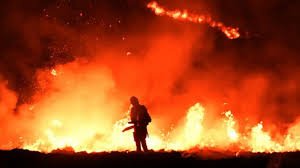
The United Kingdom is facing an unprecedented wildfire emergency, with official figures revealing 2025 has already become the most destructive fire season in modern history. Government data shows 173 significant wildfires have scorched the countryside since January, consuming more land than in any previous year since records began. The crisis has pushed fire and rescue services to their limits while raising urgent questions about the nation’s preparedness for climate extremes.
Meteorologists attribute the disaster to a deadly combination of record-breaking spring temperatures and abnormally dry conditions across southern and eastern England. The UK Health Security Agency has issued repeated heat health alerts as temperatures consistently hovered 5-7°C above seasonal averages, creating tinderbox conditions in normally damp woodlands and heathlands. Satellite imagery reveals vast swathes of charred landscape in protected areas including the New Forest, Dartmoor, and the North York Moors, where ecosystems may require decades to recover.
Fire crews from across Europe have joined the battle against the blazes, with specialist teams from France and Portugal deploying water-bombing aircraft to assist overwhelmed local services. Disturbing footage from Surrey last week showed flames reaching the outskirts of residential areas, forcing the evacuation of nearly 300 homes. The Ministry of Defence has placed soldiers on standby after Fire and Rescue Services reported some units working 72-hour continuous shifts.
The environmental consequences are becoming increasingly severe. Air quality monitoring stations from London to Manchester have registered hazardous pollution levels, while experts warn of catastrophic biodiversity loss in ancient woodlands. The RSPB reports at least twelve endangered species have lost critical habitats, including nightjars and sand lizards. Farmers’ unions estimate agricultural losses exceeding £120 million, with crops destroyed and livestock displaced.
Climate scientists describe the situation as a “grim milestone” confirming long-standing warnings. Professor Eleanor Harris of the Met Office Hadley Centre states, “What we’re seeing isn’t just a bad year – it’s the new reality of British summers. The data shows wildfire risk has increased 150% since 2000.” Opposition leaders have criticized the government’s delayed response, pointing out that a promised national wildfire strategy remains unfunded.
As the country braces for the traditional peak fire season in July and August, emergency planners are implementing unprecedented measures. Water companies have begun drafting drought contingency plans, while the National Trust has closed vulnerable parklands. With weather models predicting continued dry conditions, experts fear the worst may still lie ahead for Britain’s burning countryside.
Related News:
 Ed Miliband Faces Setback as Government Quietly Shelves Divisive ‘Zonal Pricing’ Energy Policy
 “I Feel English”: Young Migrant’s Dream of Britain Amid Political Pressure Over Channel Crossings
 Concerns Mount Over Potential 27% Council Tax Hike in London Under Angela Rayner’s Redistribution Plan
 Post Office Scandal Compensation Tops £1 Billion as Victims Finally See Justice
 UK Housing Market Defies Economic Headwinds as Prices Poised for Growth
 Inferno Engulfs Billet Road in Chadwell Heath: Major Fire Erupts in Havering – Live Updates
 Bradford Crowned UK City of Culture 2025: A Year of Celebration and Transformation Begins
 Tragic End to Racing Event as Powerboat Driver Dies in Collision near Lowestoft
 Verbal Abuse in Childhood Linked to Greater Risk of Poor Mental Health in Adulthood, New Study Reveals
 Beyond the Veil: Woman Who ‘Died’ for Eight Minutes Says Death is an Illusion
 UK race equality campaigner warns abuse of suspected migrants is deliberate, not an ‘innocent mistake’
 Close Friend of Princes William and Harry Faces Delicate Godparent Decision
 Lisbon’s Historic Funicular Turns to Tragedy: The Elevador da Glória Derailment
 Blaze Engulfs BBC’s Former Headquarters in West London
 “Social Housing Crisis in England: Tenant Complaints Soar Amid Dangerous Living Conditions”
 British Couple Detained in Iran: Family Raises Alarm Over Deteriorating Health in Prison
 Women Challenge Meta Over Targeted Ads After Miscarriage
 Lotto result jackpot draw halted due to technical glitch
 Prince Andrew May Leave Royal Lodge for Frogmore Cottage
 Man Trapped in Quicksand Rescued in Dramatic Coastal Rescue
 Army Barracks to House Migrants as Hotels Phase Out
 Derby Bounce Centre to Close Amid Car Park Dispute
 Hospice Cuts Raise Alarm Across England Amid Funding Crisis
 Morning-After Pill Now Free Across England’s Pharmacies
 From Lego to Pokémon: How Adults Are Driving UK Toy Market Growth
 Seven Conditions That Automatically Qualify You for a Free Bus Pass
 Shouting Works Best to Deter Gulls, UK Study Finds
 PM Condemns Leaks, Vows Loyalty to Ministers and Stability
 Son Reveals UK Couple in Iran Resort to Hunger Strike for Help
 Deadly Peru Bus Crash Kills 37 on Pan-American Highway
 Two in Three Women in UK Armed Forces Report Harassment
 Bataclan Anniversary: France Remembers but Jihadist Danger Lingers
 UK Asylum Reforms: Temporary Refugee Status and Faster Deportations
 Five Young People Killed in Tragic Dundalk Road Crash
 Owner Hits Out at Amazon After Pet Hurt During Delivery
 Mother Watches in Horror as Teen Daughter Dies on Tracks
 Seven Countries, One Winner: Europe’s Best Christmas Market
 Mum and Three Children Killed in Jealous Ex’s Fire
 Van Dwellers Face Eviction After Park Misuse Sparks Outcry
 Commuters warned as yellow snow and ice alert hits Northern Ireland
 Paramilitary Murals and Memorials Persist on Public Housing Land
 Court to Hear Challenge to Wimbledon Expansion Plan
 Snow and Ice Cause Travel Chaos in North Yorkshire
 Woman Meets Boy Whose Life She Saved with Kidney
 Senedd Suspends Politician Over Offensive Racial Slur
 Covid Doctor’s Emotional Farewell Letter to Family
 Raccoons Could Become America’s Next Pet
 Australia to Ban Social Media for Kids Under-16 Starting December
 Director Michael Caton-Jones Reflects on Career and Beginnings
 TikTok Star Jessie Yendle Mocked by KFC
 UK Energy Bills to Rise Slightly in January
 South African Women Call Purple Protest Over Gender Violence
 Rookie Driver Hollie McRae Flips Car but Walks Away Safe
 Vicki Fears Losing Motability Car
 Planned Palestinian Flag Raising at Belfast City Hall Faces Delay Amid Legal Concerns
 Sudanese Family Vows to Stay After Racist Graffiti
 Australians Angry as BOM Website Revamp Backfires
 Five-Year-Old Dies After Rare Tonsil Surgery Complication
 Scotland Gains 33 New Towns – Life in Growing Communities
 Machynlleth High Street Left Without Christmas Lights
 Second homes curbs quashed in Gwynedd legal ruling
 Fury After Hong Kong’s Deadliest Fire in Decades
 Southeast Asia floods claim 241 lives, rescue efforts continue
 Search underway for British man overboard off Tenerife
 Hong Kong Orders Probe Into Deadly 151-Death Fire
 UK Criticises Gaza Aid Delays as Tents Arrive After Year
 Pavarotti statue frozen in Italian ice rink sparks backlash
 More Patients Now Contacting GPs Online, Data Shows
 Trump Administration Dismisses 17 Immigration Judges, Sparking Debate Over Judicial Independence
 My Husband Won’t Stop Playing with Lego and It’s Driving Me Nuts
 Access to Iconic Cornish Beach Cut Off by National Trust Amid Safety Concerns
 Costa Blanca Holiday Horror as Food Poisoning Outbreak Hits Four-Star Hotel
 Tragedy Strikes Britain’s Richest Divorcee as Boyfriend Dies Just Four Years After £350m Breakup
 Why E-Bikes and E-Scooters Are Making Streets a ‘Nightmare’ for Blind People
 Zarah Sultana Seeks Legal Action After Bitter Clash with Jeremy Corbyn Over Party Membership Funds
 Arsenal Showcase Depth and Flexibility as Arteta Eyes Title Challenge
 WW2 Pilot’s Long-Lost Crash Site Unearthed in Essex
 Children to Learn Local History in Major Curriculum Overhaul
 Prince William Plants Trees with Brazil’s Nature Heroes
 Kenya Signs $2.5bn Health Deal with US Amid Data Concerns