Published: 31 December 2025
The English Chronicle Desk
The English Chronicle OnlineBritain demands Israel reverse ban on aid groups as the UK steps up diplomatic pressure over new restrictions that will prevent dozens of humanitarian organisations from operating in Gaza. The British government has condemned Israel’s decision to block 37 non-governmental organisations, including major international charities such as Oxfam and Doctors Without Borders (MSF), warning that the move risks deepening an already catastrophic humanitarian crisis in the enclave.
Under the new Israeli regulations, the affected organisations will be barred from delivering aid from Thursday unless they comply with stringent new registration requirements. By March 1, the NGOs will be forced to cease operations entirely unless they provide detailed information on all Palestinian staff members, including personal identification data, to Israeli authorities. Israeli officials say the measures are designed to prevent “hostile actors or supporters of terrorism” from operating under the cover of humanitarian work.

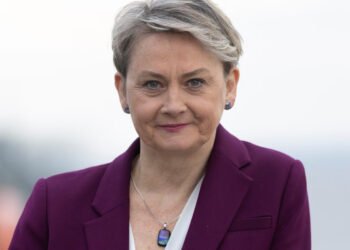
The UK has joined a group of Western governments in denouncing the policy. In a joint statement alongside Canada, Denmark, Finland, France, Iceland, Japan, Norway, Sweden and Switzerland, Foreign Secretary Yvette Cooper described the restrictions as “unacceptable” and warned they would severely undermine the delivery of essential services in Gaza. The statement stressed that humanitarian organisations play a critical role in providing healthcare, food, shelter and water to civilians and that any attempt to curtail their operations would have grave consequences.
British officials argue that the scale of need in Gaza makes the continued presence of international aid agencies indispensable. According to the joint statement, without these organisations it would be impossible to meet urgent humanitarian needs, particularly as winter conditions worsen and hundreds of thousands of people remain displaced. The governments also warned that one in three healthcare facilities in Gaza could be forced to close if NGO operations are halted, further straining an already overwhelmed medical system.
Israel’s Ministry of Diaspora Affairs and Combating Anti-Semitism has defended the decision, citing security concerns and accusing some organisations of failing to operate transparently. The ministry has alleged that employees of certain NGOs have links to Hamas and other militant groups, claims that have prompted the wider crackdown. Israeli officials insist that the new requirements are necessary to safeguard humanitarian activity from exploitation by terrorist elements.
A spokesperson for the ministry told international media that some organisations have refused to provide lists of Palestinian employees because they are aware that certain individuals may be involved in terrorism or linked to Hamas. Israel’s new rules require NGOs to submit passport details and personal identification numbers for both foreign and local staff, a demand that many organisations say raises serious concerns about staff safety and confidentiality.
Hamas has condemned the Israeli move, branding it “criminal behaviour” and accusing Israel of a blatant disregard for international humanitarian norms. The group said the ban represents a dangerous escalation that threatens the survival of Gaza’s civilian population. The United Nations has also expressed alarm, with the UN’s human rights chief Volker Türk describing the suspension of numerous aid agencies as “outrageous” and warning that it would make an intolerable situation even worse for people on the ground.
Among the organisations ordered to halt operations by March 1 are MSF, Oxfam, and the Danish and Norwegian Refugee Councils. MSF has rejected allegations that it employs individuals involved in militant activity, stating that it would never knowingly do so as it would endanger both staff and patients. The medical charity has repeatedly warned that blocking its work would deprive hundreds of thousands of people of access to medical care, clean water and life-saving assistance.
Israeli authorities, however, dispute the scale of the impact described by NGOs. The Co-ordinator of Government Activities in the Territories (Cogat), the Israeli defence ministry unit responsible for civilian coordination with Gaza, has said that some organisations have exaggerated their importance. Cogat claims that MSF operates only a small fraction of Gaza’s primary care clinics and field hospitals, with much of its work carried out by local employees.
Israel has also highlighted the volume of aid it says has entered Gaza this year, stating that more than 1.8 million tonnes of humanitarian supplies have been delivered, with thousands of aid trucks crossing into the territory each week. Officials argue that since the ceasefire in October, access for aid convoys has improved, helping to pull Gaza City out of famine conditions identified earlier by UN-backed food security monitors.
Despite these assertions, humanitarian agencies and Western governments maintain that conditions in Gaza remain dire. Many displaced families are living in makeshift tents in overcrowded camps, exposed to winter storms, flooding and shortages of basic supplies. Aid groups warn that additional bureaucratic barriers risk delaying or preventing assistance from reaching those most in need at a critical moment.

Oxfam has accused Israel of conducting a long-running campaign to marginalise and smear civil society organisations. A spokesperson for the charity said that large quantities of food, shelter materials and medical supplies remain blocked despite the ceasefire, due to new regulatory requirements imposed on humanitarian actors. While NGOs say they are willing to comply with legitimate registration processes, they argue that some demands compromise staff safety and violate legal obligations.
As diplomatic pressure mounts, Britain demands Israel reverse ban on aid groups and allow humanitarian organisations to continue their work without obstruction. UK officials have emphasised that protecting civilians and ensuring unimpeded humanitarian access are obligations under international law. With warnings growing that the situation in Gaza could deteriorate rapidly if aid is curtailed, the coming weeks are likely to see intensified scrutiny of Israel’s policy and further calls for it to be reconsidered.
Related News:
 UK Must Act with Courage and Clarity on Israel-Palestine Conflict, Says Foreign Affairs Committee Report
 Starmer and Trump to Meet in Scotland Amid Growing Gaza Ceasefire Pressure
 Minister Dismisses Legal Concerns Over UK’s Pledge to Recognise Palestinian State
 MPs Call on UK Government to Delay Biometric Visa Checks for Gaza Students Amid Humanitarian Crisis
 Radioactive Leak at UK’s Nuclear Warhead Base Sparks Outcry Over Safety and Secrecy
 ‘I’m collateral damage’: ex-minister Tulip Siddiq on her Bangladesh corruption trial
 Mutual Inconvenience: Why Alaska Was Chosen for the Trump-Putin Summit on Ukraine
 “I Don’t Expect to Live a Normal Life”: How a Leeds Teenager Became the Target of a Chinese Bounty
 Ministers Accused of Defamation Over Palestine Action Ban and Mass Arrests
 UK Defence Secretary Says Allied Troops ‘Ready to Act from Day One’ if Ukraine Ceasefire Agreed
 Is the UK Ready to Put Boots on the Ground in Ukraine? Assessing Military Capacity and Challenges
 Protests Expected as Israeli Arms Firms Join Global Defence Trade Fair in London
 UK Home Office to Launch French Beach Signage to Warn Asylum Seekers of Risks
 Charlie Kirk Killing Used to Mobilise UK’s Largest Far-Right Rally in Decades
 UK Immigration Figures: Separating Facts from Perceptions
 Far-Right Rally in London Draws Record Crowds Amid Clashes with Police
 Thousands Gather in London to Protest Donald Trump’s Second UK State Visit
 UK and Ireland Set to Unveil New Proposals to Address Northern Ireland’s Troubles Legacy
 Trump Urges UK to “Call Out the Military” to Secure Borders Amid State Visit
Tulip Siddiq Raises Concerns Over Alleged ‘Fake’ Documents in Bangladesh Corruption Trial
Trump Urges UK to “Call Out the Military” to Secure Borders Amid State Visit
Tulip Siddiq Raises Concerns Over Alleged ‘Fake’ Documents in Bangladesh Corruption Trial
 UK Recognises State of Palestine in Push to Preserve Hope for Peace
 UK’s Recognition of Palestine: Symbolic Step or Real Change?
Trump’s UN Speech Criticises London and UK Policies, Draws Far-Right Attention
UK’s Recognition of Palestine: Symbolic Step or Real Change?
Trump’s UN Speech Criticises London and UK Policies, Draws Far-Right Attention
 UK Fighter Jet Purchase Could Breach Nuclear Treaty, Warns CND
 A Third of EU Citizens in UK Report Discrimination by Public Bodies Post-Brexit
 Jailed Georgian Opposition Leaders Warn UK of Iranian Links to Ruling Party
 Russia repeatedly targets UK military satellites, warns Space Command chief
 Pro-Palestine March to Proceed in London Despite Calls to Cancel After Manchester Attack
 UK Universities Warn Students Ahead of 7 October Pro-Palestine Protests
Starmer Considers Stricter Measures on Pro-Palestinian Protest Chants
UK Universities Warn Students Ahead of 7 October Pro-Palestine Protests
Starmer Considers Stricter Measures on Pro-Palestinian Protest Chants
 Public Trust in SNP Hits Historic Low Amid NHS Concerns
 Tony Blair Met Jeffrey Epstein at Downing Street in 2002
 China’s Mega Embassy in London Faces Further Delay
 Johnson Suggests Mandelson Linked to China Spy Controversy
 Minister Blames Deputy for Collapse of China Spy Case
 Shabana Mahmood Warns Border Failings Are Eroding Trust in States
 Witness statements reveal the CPS China spy row collapse in the UK
 Large scale Chinese spying in UK sparks political storm
 Nigel Farage Calls Vladimir Putin ‘A Very Bad Dude’
 Rachel Reeves signals welfare reform ahead of key budget
 Prince Andrew met alleged Chinese spies during Pitch@Palace China trips
 Kosovo agrees to host Britain’s refused asylum seekers
 Plaid Cymru Triumphs in Caerphilly, Ending Labour Century-Long Hold
 Rachel Reeves to lead UK trade push in Saudi Arabia amid rights debate
 British Woman in Iran ‘Losing Hope’ Amid Ongoing Detention
 Johnson Approved China’s London ‘Super-Embassy’ in 2018
 BBC Journalist Held and Interrogated in Vietnam
 Zohran Mamdani becomes New York City’s first Muslim mayor
Zohran Mamdani names all-female transition team for NYC mayoralty
Zohran Mamdani becomes New York City’s first Muslim mayor
Zohran Mamdani names all-female transition team for NYC mayoralty
 Second world war veterans honoured as King leads Remembrance Sunday
 BBC director-general and news chief resign amid bias row
 New review urges UK to repatriate Shamima Begum, others from Syria
 Rama Rebukes Mahmood for Targeting Albanian Families
 Russian Vessel Used Lasers on RAF Pilots, UK Claims
 Ireland Boosts Ukraine Aid as Zelensky Visits Dublin
 Pro-Palestine Prisoners Temporarily End Hunger Strike Amid Health Fears
 Terence Stamp, ’60s British Film Legend and Star of Superman, Dies at 87
 Hong Kong Summons UK and Australian Envoys Following Asylum Grants to Democracy Activists
 Tanni Grey-Thompson Faces Abuse Over Opposition to Assisted Dying Bill
 Nigel Farage Unveils Controversial Immigration and Welfare Plans at Reform UK Press Conference
 Yvette Cooper Signals Global Momentum Towards Gaza Peace Deal Amid Humanitarian Crisis
 UK border officers deployed to Balkans to tackle migrant smuggling
 UK MPs warn of repeat riots over online misinformation
 Russia’s Latest Push to Win US Favors Shows Deep Desperation
 Trump’s UK Ambassador Urges North Sea Drilling to Strengthen US Ties
BBC to Apologise Over Edited Trump Speech Amid Backlash
Trump’s UK Ambassador Urges North Sea Drilling to Strengthen US Ties
BBC to Apologise Over Edited Trump Speech Amid Backlash
 Britain deploys RAF specialists to assist Belgium with drone threats
 Millionaires group urge Reeves to introduce wealth tax to ‘lift kids out of poverty’
 Reeves rejects £1bn plea for NHS redundancy payouts
 PM Condemns Leaks, Vows Loyalty to Ministers and Stability
 Trump Urges Herzog to Grant Netanyahu Full Pardon
 Major Rent Reform Ends No-Fault Evictions in England
 Indian authorities demolish Kashmir home linked to Red Fort blast
 Greene Pushes Epstein Files Amid Trump Fallout
 December Run-Off in Chile as Election Produces No Winner
 Shadow Fleet at Sea: Europe’s Battle Against Illicit Oil Shipping
 India’s COP30 Delay Raises Global Climate Concerns
 Georgians Defy Government Crackdown After Year of Protests
Starmer Says Labour’s Economic Plan Needs Years to Deliver
Georgians Defy Government Crackdown After Year of Protests
Starmer Says Labour’s Economic Plan Needs Years to Deliver
 England delays four mayoral elections amid criticism