Published: 08 January 2026. The English Chronicle Desk. The English Chronicle Online.
Rachel Reeves has strongly condemned Nigel Farage’s opposition to lifting the two-child benefit cap, calling it discriminatory and harmful. The Labour chancellor emphasised that children should not be penalised because of their parents’ birthplace, insisting that economic support should reach all families in need. Farage suggested that only British-born families should benefit from the policy change, a stance Reeves described as keeping children in poverty based on origin. The two-child benefit cap, a long-debated policy, has left hundreds of thousands of children struggling, and lifting it could significantly reduce child poverty across the country.
Reeves said she felt frustrated that legislation to lift the cap had been delayed for so long, stressing the importance of introducing it during a period of market stability. “We are finally in a position where this change can happen, and it will lift children out of poverty,” she explained. She also criticised Farage for linking the benefits to a family’s place of birth, saying such reasoning is morally unacceptable. “It’s absurd to suggest that a child born elsewhere deserves hardship while a British-born child does not,” Reeves added, underlining her commitment to equality.

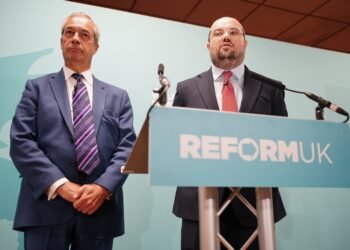
During a press conference on Wednesday, Farage indicated that his Reform UK party would vote against removing the two-child limit, despite having previously hinted he might support it. He expressed concern that the policy would “benefit huge numbers of foreign-born people,” framing his opposition around nationality rather than child welfare. Reeves responded by calling this position cruel, highlighting that it effectively condemns children to poverty due to circumstances beyond their control.
The Labour leader questioned the fairness of Farage’s stance, asking whether children from families who have lived and contributed to the UK for years should be denied essential support. She emphasised that families in the NHS and other public service sectors, even if not British-born, deserve assistance. “This is about children’s life chances, not nationality. Every child should have an equal opportunity to thrive,” Reeves said, drawing attention to the human impact of the policy.
Prime Minister Keir Starmer will visit Bedfordshire on Thursday to advocate for lifting the cap, describing the opposition from Farage and the Conservatives as a “child poverty pact.” Starmer emphasised that this alliance endangers thousands of children, turning what should be a policy of support into a mechanism for exclusion. Labour analysis suggests Farage’s proposal, limiting benefits to households with two working UK-born parents, would impact fewer than 3,700 children—a fraction of those affected by the two-child cap.
Farage also addressed allegations of racist and antisemitic bullying during his school years at Dulwich College, denying the claims while criticising the media coverage. He insisted that accusations were politically motivated and refused to apologise, saying, “I don’t apologise for things that are complete made-up fantasies.” These statements drew boos from Reform UK members present at the press conference, reflecting the contentious nature of the discussion surrounding his political stance.
Reeves said that public support will be crucial to safeguarding the policy and ensuring it is not reversed by opposition parties. She stressed that lifting the cap will affect 550,000 children, improving housing conditions, nutrition, and overall wellbeing. “This is about social justice and protecting children from poverty. No party should feel they can roll back this progress,” she said, reinforcing Labour’s commitment to equitable economic support.

Farage, when asked about his vote on the legislation, maintained that his approach is intended to support working families struggling with childcare costs. However, his emphasis on prioritising British-born families drew criticism from across the political spectrum. Critics argue that tying benefits to birthplace undermines the principles of fairness and inclusivity, potentially leaving thousands of children without essential support.
Reeves concluded that lifting the two-child benefit cap represents a significant milestone in reducing child poverty. She urged voters to recognise the tangible improvements this policy offers, noting that children across the UK would experience healthier living conditions and better life prospects. The chancellor warned that political opposition should not overshadow the moral imperative to provide all children, regardless of background, with the opportunity to grow up free from deprivation.
As debates continue in Parliament, the focus on child welfare remains central to Labour’s campaign narrative. Reeves’ insistence on fairness, social justice, and inclusivity highlights the broader ethical considerations surrounding public policy, placing children’s rights at the heart of economic decision-making. With the proposed legislation, the government aims to ensure that poverty does not define a child’s future, reaffirming the commitment to support families in every corner of the nation.
Check our latest news
Related News:
 British Woman in Iran ‘Losing Hope’ Amid Ongoing Detention
 BBC Journalist Held and Interrogated in Vietnam
 Boris Johnson: Tories Risk Election Loss if They ‘Bash the Green Agenda’
 Prince Andrew Under Pressure as MPs Question Royal Lodge Rent Arrangements
 Green Party Surges Past Labour in Latest UK Poll
 Celebrities and Charities Demand UK Government Act on Child Poverty
 Sultana says new party is aiming to ‘run government’
 Reform Councillor Defects to Tories Over ‘Uncomfortable’ Policies
 Trump’s UK Ambassador Urges North Sea Drilling to Strengthen US Ties
 FBI Director Kash Patel Defends Girlfriend Amid Government Jet Claims
 Phillipson urges careful review of gender recognition guidance
 French Taxi Driver Cleared in David Lammy Theft Case After Fare Dispute
 Rachel Reeves Set to Break Labour Pledge and Raise Income Tax
 Thinktanks Urge Rachel Reeves to Reform UK Tax System
 Who is Rama Duwaji? What Zohran Mamdani’s wife has said about Gaza and ICE as he’s elected NYC mayor
 Lancashire council plans to close care homes and day centres
MPs Press Rachel Reeves to Hike Gambling Taxes
Lancashire council plans to close care homes and day centres
MPs Press Rachel Reeves to Hike Gambling Taxes
 Met Police Culture Makes Racial Harm ‘Inevitable’
 Nicola Sturgeon Urges SNP to Oppose New Oil Fields
 Lisa Nandy Broke Rules by Appointing Donor as Football Regulator
 Eleven Arrested After Pro-Palestine Protest at Villa Match
 Labour Falls to Fourth in Poll, Faces Historic Election Loss
Boris Johnson accused of undermining BBC leadership
Labour Falls to Fourth in Poll, Faces Historic Election Loss
Boris Johnson accused of undermining BBC leadership
 Remaining rebel Labour MPs have whip restored
 Cuts to home insulation funding threaten UK climate goals
 Tim Davie resigns as BBC director general amid bias claims
 ‘Reckless’ cuts to victims’ services will cost more than they save
 BBC director-general and news chief resign amid bias row
 Millionaires group urge Reeves to introduce wealth tax to ‘lift kids out of poverty’
 Starmer Faces Growing Dissent as Labour MPs Weigh Leadership Challenge
 BBC Faces Backlash as Reform UK Withdraws from Film
 Tim Davie Defends BBC Amid Bias Scandal Storm
 Reeves rejects £1bn plea for NHS redundancy payouts
 Farage appointee to lead Reform youth accused of anti-British views
Palace to reinstate hyphen in Andrew’s surname
Donald Trump threatens BBC over edited speech
Farage appointee to lead Reform youth accused of anti-British views
Palace to reinstate hyphen in Andrew’s surname
Donald Trump threatens BBC over edited speech
 British state supplied victims to ‘worst sex offender in history’
 Politics latest: Starmer ‘will fight any leadership coup’ as Streeting denies attempt to oust Labour PM
 PM Condemns Leaks, Vows Loyalty to Ministers and Stability
 Major Rent Reform Ends No-Fault Evictions in England
 Peers Flood Assisted Dying Bill with 942 Amendments
 England’s Special Needs Support Faces Breaking Point
 MoD warned over Excel risks before Afghan data breach
 UK Unveils Fast-Track Deportation and Asylum Overhaul
 UK Asylum Overhaul Sparks Debate Over Human Rights and Deportations
 UK Asylum Reforms: Temporary Refugee Status and Faster Deportations
 UK Candidate Moved to Safe House After Election Threats
 Mahmood Defends Tough Overhaul of UK Asylum System
 Scottish Ministers Express Alarm Over UK Asylum Reforms
 UK Warns China After MI5 Issues Espionage Alert
 Westminster Advances Legacy Bill Amid Criticism
 Minister Defends Tough New Asylum Reform Plan
 UK Net Migration Falls Sharply After ONS Revisions
 UK Vulnerable to Attack, Defence Committee Finds
 Labour Faces Historic Decline in Wales
 Rama Rebukes Mahmood for Targeting Albanian Families
 Russian Vessel Used Lasers on RAF Pilots, UK Claims
 PM Shares Emotional Letter to Son on Men’s Struggles
 MP Offers Seat to Help Burnham Challenge Starmer
 PM Highlights UK Business at G20 in South Africa
 Boris Johnson Oversaw Toxic No 10 Culture, Covid Inquiry Finds
 Kate Forbes: Motherhood Harder Than Politics
 Welsh Government Christmas 2020 Lockdown Criticised
Reeves to Crack Down on Benefit Fraud While Lifting Two-Child Limit
Welsh Government Christmas 2020 Lockdown Criticised
Reeves to Crack Down on Benefit Fraud While Lifting Two-Child Limit
 BBC to Expand Standards Panel and Create Deputy Director Role
 Most Tories Expect to Support a Farage-Led Government
 Labour MP claims devolution bill is ‘blatant discrimination’ against Cornwall
 English Mayors Set to Introduce Tourist Taxes
 Ex-Classmate Accuses Farage of Dishonesty on Racism Claims
 Millions Face Higher Taxes Under Reeves New Budget
 Peers Get Extra Time to Debate Assisted Dying Bill
 Planned Palestinian Flag Raising at Belfast City Hall Faces Delay Amid Legal Concerns
 Ex-Brexit MEP Rejects Claim of Pro-Russia Payments
 Government righting decades-old injustice for miners
 UK refugee resettlement under UN schemes drops sharply in one year
 Starmer Says Labour’s Economic Plan Needs Years to Deliver
 UK delays ruling on China embassy plan until January
 Culture secretary to review Telegraph takeover by Daily Mail owner
 Andy Burnham Apologises for Past LGBTQ+ Police Discrimination
 UK to Launch Military ‘Gap Year’ Scheme to Boost Recruitment