Published: 02 February 2026. The English Chronicle Desk. The English Chronicle Online.
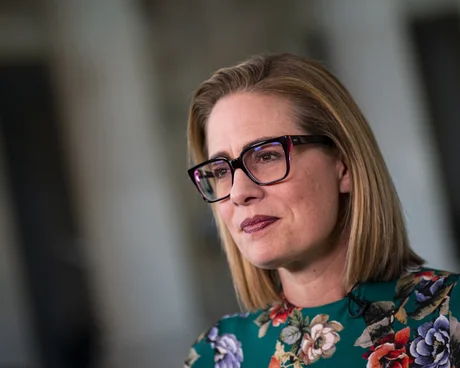
Fresh controversy is surrounding former US senator Kyrsten Sinema after new filings revealed a disputed Sinema payment linked to a former security contractor. Newly disclosed federal election records show that nearly $9,000 was paid from a former campaign committee to a man later identified in court papers connected to an alleged personal relationship. The Sinema payment has drawn scrutiny across political and legal circles, especially as related court claims continue unfolding. The development follows accusations from the man’s estranged spouse, who alleges the relationship damaged her marriage and involved financial benefits.
According to recently submitted Federal Election Commission documents, the recipient was Matthew J Ammel, who previously worked within Sinema’s security detail. The records show two separate payroll entries made in October, totaling just under $9,000 overall. One entry lists a mid-month payroll amount, while another larger sum appears at the end of the same month. Both were categorized as payroll expenses by the reporting committee. The Sinema payment classification has become central to questions about whether the spending aligned with campaign rules.

Extended FEC records covering a longer reporting period show Ammel received much larger cumulative sums connected to Sinema-aligned political entities. Between mid-2024 and late-2025, total payments exceeded six figures when combining campaign and political action committee sources. Election finance experts note that security staffing is an allowed campaign expense category, yet the timing and continued payments after office departure raise compliance questions. Observers say the Sinema payment trail will likely receive closer regulatory examination in coming weeks.
The same disclosure also confirms that the former campaign committee has now been formally closed. Financial reports indicate that large balances were returned to donors near the end of operations. However, additional spending continued during the shutdown period, including travel, accommodation, and service costs tied to security personnel. Some expenditures appear unrelated to direct election campaigning, according to analysts reviewing the filings. That pattern has increased public interest in the context surrounding each Sinema payment entry.
Reported expenses include airline tickets, lodging, meals, and event attendance costs linked to security staff coverage. There are also entries labeled as health services connected to protective personnel arrangements. These items were logged after Sinema left public office in January 2025, which has intensified debate over appropriate committee use. Governance specialists say post-office spending is permitted only under narrow wind-down rules. Each Sinema payment made after departure may therefore face heightened interpretive review.
Court action filed in North Carolina adds a personal legal dimension to the financial disclosures now under discussion. Heather Ammel, the estranged wife of Matthew Ammel, alleges that Sinema played a direct role in the breakdown of their marriage. The lawsuit claims gifts, travel opportunities, and lifestyle support were provided during the alleged relationship period. It also asserts that certain experiences and treatments were encouraged and financially backed. While separate from election law, the Sinema payment revelations have amplified attention on these allegations.
The complaint describes what it calls a previously stable marriage that later deteriorated during the period of professional engagement. It alleges that Sinema knew Ammel was married yet continued close personal involvement regardless. Travel records cited in the filing reference several domestic and international destinations visited during security assignments. Locations named include major US travel hubs and at least one Middle Eastern destination. Legal analysts say such claims remain allegations until tested fully in court proceedings.
Campaign finance specialists caution that payroll labels alone do not prove wrongdoing or rule compliance automatically. Security contractors often travel extensively and may receive irregular compensation tied to assignment schedules. However, they also note that transparency requirements exist precisely to allow public accountability review. When personal allegations overlap with political spending, regulatory interest tends to intensify quickly. That dynamic is now clearly visible in the public response to the Sinema payment disclosures.
Sinema’s political career has already been marked by unusual positioning and high-profile party shifts in recent years. First elected as a Democrat, she later changed affiliation to become an independent senator. Her policy stances often diverged from party leadership, drawing both criticism and cross-party negotiation roles. She chose not to seek another Senate term in the 2024 election cycle. Her departure from Congress did not end public scrutiny of her financial and professional relationships.
After leaving office, she joined a major Washington legal and lobbying firm with international reach. Public filings show her involvement in advocacy areas including data infrastructure and emerging therapeutic research funding. That work has drawn interest but less controversy than the current personal and finance questions. Communications representatives connected to Sinema have not issued detailed public responses to the lawsuit claims. They have also not provided expanded clarification regarding each Sinema payment entry reported.
Donor refunds reported during the committee closure period approached several hundred thousand dollars in total value. Additional operational costs during the same timeframe reached significant levels as well. Election compliance professionals say refunds are common when campaigns end with surplus funds available. The key regulatory test focuses on whether remaining expenses directly support permitted closure activities. Each Sinema payment logged during that window may therefore be evaluated against those criteria.

Public reaction across social platforms has been swift, with debate often mixing legal, ethical, and political arguments together. Some commentators argue the payments reflect normal staffing costs within high-risk political security operations. Others believe the overlap with personal allegations demands a deeper independent audit review. Experts warn against drawing final conclusions before regulatory and judicial processes reach findings. Still, the Sinema payment issue has already reshaped discussion around her post-Senate public profile.
Legal observers expect the civil lawsuit to move slowly through procedural stages before substantive judgments appear. Election oversight bodies may also request supplemental documentation if they see grounds for clarification. Such requests are routine when filings attract unusual public or media attention. Until then, the disclosed numbers remain factual entries without formal violation findings attached. Even so, each Sinema payment will likely remain under sustained analytical spotlight.
The broader episode highlights how personal allegations and campaign finance transparency can intersect in complex modern politics. Financial disclosures are designed to build trust through openness and traceability of political spending. When filings reveal unexpected patterns, they naturally trigger closer examination and wider public debate. That process is now unfolding around these records and related court accusations. The Sinema payment controversy therefore continues developing across both legal and regulatory fronts.
Related News:
 US National Guard Member Killed in DC Shooting
 Trump to Recheck Green Cards from 19 Nations After DC Attack
 Trump Escalates Minnesota Immigration Surge Amid Rising Tensions
 Homeland security agents deployed amid Minneapolis protests
 Democrats Push Affordability to Challenge Trump Ahead of Votes
 Greenland Faces Pivotal Summit Over Arctic Power Struggle
 Government Unveils Northern Powerhouse Rail Plans
 Trump press secretary attacks reporter over ICE question
 Kyrsten Sinema Faces High-Profile Lawsuit Over Marriage Interference
 ‘He Believed Help Was Coming’: Why Iran’s Protesters Feel Betrayed
 Trump Fed bid heads to Supreme Court
 EU Says US Ties Have Suffered ‘Big Blow’ After Greenland Crisis
 Trump officials continue false claims after Alex Pretti shooting
 Fulton election raid hits Georgia election office
 Partial US Government Shutdown Hits Homeland Security Funding
 Thousands Protest ICE Operations in Nationwide US Day of Action
 Epstein Files Reveal Trump Officials’ Emails with Financier
 Thousands Protest ICE in New York Against Trump Deportation Campaign
 Trump Praises ‘Terrific’ Petro After White House Talks
 Sanders Condemns Billionaire ‘Greed’ in California Tax Debate
 California Democrats Vow Trump Reckoning
 Trump’s Surgeon General Pick Evades Vaccine Questions
 Clinton Testimony Erupts in Fiery Exchange
 Scaramucci on Trump: ‘Epstein files won’t end him’
 Texas Senate seat fight heads to runoff as votes split
 Cooper and Whatley Win Primaries for North Carolina Senate
 Thousands Protest Iran Strikes Outside US Embassy London
 US Bombers Arrive at RAF Base Amid Rising Iran Tensions
 UK Prepares Aircraft Carrier for Middle East Crisis
 Pete Hegseth Iran War Remarks Spark Alarm
 Can Congress Stop US Sports Teams From Moving Cities?
 Can King Charles Calm Trump on Key US Visit?
 Melania Trump Epstein remarks spark survivor backlash
 US Catholics Caught Between President and the Pope
 Iron Worker Challenges Trump Loyalist in Ohio
 Trump Faces Crisis as Iran Reopens Hormuz Tensions
 GOP Senator Criticizes Trump’s Feud With Pope Leo XIV
 Charles Faces Trump Test in High-Stakes US Visit
 Trump at Press Dinner Sparks Tension
 Trump Defiant After Washington Hotel Shooting
 Identity Revealed: Suspected Washington Gunman Named
 US Court Weighs Fate of TPS for Migrants
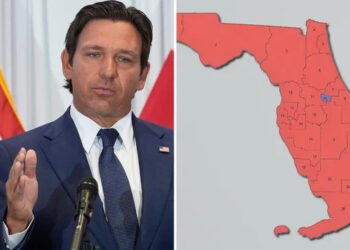 Florida Redistricting Map Sparks Major US Political Battle
 USS Gerald R Ford Ends Record Naval Deployment
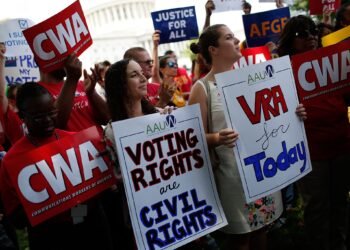 US Voting Rights Ruling Sparks Celebration and Outcry
 US Court Ruling Reshapes Voting Rights Landscape
 US states redraw maps after voting rights ruling
 Judge halts deportation of Yemeni refugees in US
 White House Security Case Sparks Political Firestorm
 Trump approval plunges amid Iran war fears
 Ohio’s Battle for Trust: Democrats Vying to Flip the Buckeye State
 Trump Threatens UN Budget Cuts as US Pushes ‘Trade Over Aid’ Agenda
 Trump warns Iran as Middle East tensions surge again
 US Supreme Court fast-tracks Voting Rights ruling
 US ‘Narco Boat’ Strikes Draw Global Outcry
 Ohio Primaries Set Stage for Crucial Midterms
 Afghan Families Left in Limbo Face Risk of Deportation
 Tensions Emerge in Netanyahu-Trump Alliance
 US Awaits Iran Reply on New Ceasefire Proposal
 Immigration Judges Fear Pressure in Trump Era
 FDA Chaos Deepens as Trump Eyes Makary Exit
 US green card applicants must apply from abroad, DHS says
 Tulsi Gabbard exits after turbulent intelligence tenure
 Hormuz Talks Near Critical Stage
 Former ICC prosecutor condemns US sanctions
 Gunman Killed After White House Security Shootout
 Trump Claims Iran Peace Deal Near Completion
 DeSantis’s ‘Alligator Alcatraz’ Faces Final Shutdown
 Prosecutor Proposes Law to Combat Election Deceit
 US Midterm Primaries: Democrats Target Key Republican Seats
 House Curbs Trump’s War Powers in Rare Rebellion
 US Courts Back Trump on Park Signage Removals
 Trump’s Mount Rushmore Speech: A Divisive Anniversary
 Court Rejects Florida Campus Speech Restrictions
 Graham Platner’s Exit Leaves Democrats in Chaos
 Trump Refuses to Sign Housing Bill, But Law Takes Effect
 Senate Halts Defense Bill Over Iran Clashes
 Houthis Strike Saudi Arabia as Middle East Tensions Rise
 Trump Orders Signs Criticising Smithsonian Museum
 Is America Ready for an AOC Presidential Run?