Published: 04 February 2026. The English Chronicle Desk. The English Chronicle Online
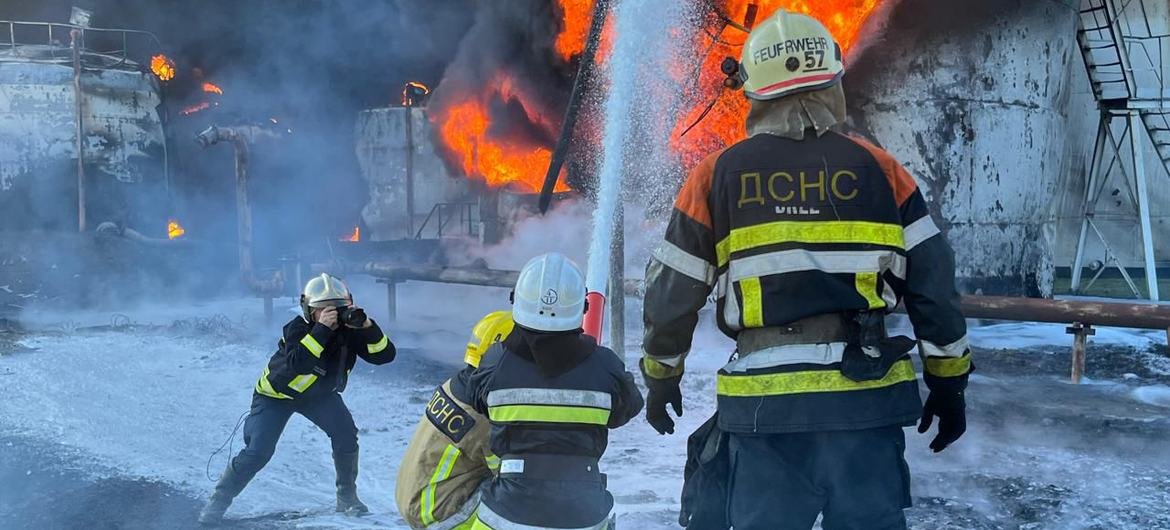
UK Prime Minister Sir Keir Starmer has condemned Russia’s renewed attacks on Ukraine’s energy infrastructure as “barbaric” and “particularly depraved”, after a wave of overnight strikes plunged large parts of the country into darkness amid dangerously low winter temperatures.
The comments came after Starmer held talks with US President Donald Trump, only hours after Russian missiles and drones struck power plants and other critical energy facilities in Kyiv and across the country. The attacks coincided with a severe cold snap, with temperatures in parts of Ukraine falling to minus 20 degrees Celsius, intensifying the humanitarian impact of the strikes.
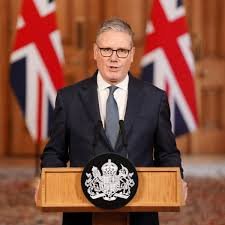
Speaking to reporters, Starmer said targeting energy infrastructure during extreme winter conditions amounted to a deliberate attempt to punish civilians. He said Russia’s actions demonstrated “a callous disregard for human life” and added that Britain would continue to stand firmly behind Ukraine in its defence against what he described as ongoing aggression.

The strikes marked the end of a week-long pause in major attacks on Ukraine’s energy sector, a pause that President Trump had personally urged Russian President Vladimir Putin to observe as freezing weather swept across the region. Trump said on Tuesday that Putin had “kept his word” during that period and expressed hope that the Russian leader could still be persuaded to end the war.
Asked whether he was disappointed by the resumption of attacks, Trump appeared to play down the breach. He told reporters that the understanding had covered the period from Sunday to Sunday and suggested that even a temporary lull had been worthwhile. “It’s a lot, you know, one week, we’ll take anything, because it’s really, really cold over there,” he said.
The damage caused by Monday night’s strikes has been described by Ukrainian authorities as extensive. In Kyiv alone, officials said more than 1,000 residential tower blocks were left without heating, forcing families to endure sub-zero conditions in their homes. In the eastern city of Kharkiv, a major power plant was reportedly hit so badly that it is now beyond repair, compounding an already dire energy situation in a city that has faced repeated bombardment since the start of the war.
As temperatures plunged overnight, thousands of residents sought shelter in metro stations, which have repeatedly doubled as bomb shelters during air raids. Images and footage from Kyiv showed families bedding down on platforms, some pitching tents to shield themselves from the cold while waiting for electricity and heating to be restored. Children wrapped in blankets sat beside parents clutching hot drinks provided by volunteers and emergency workers.
Ukrainian authorities moved quickly to establish emergency warming centres across the capital and other affected areas. Schools, community halls and public buildings were opened to provide heat, food and basic medical assistance. Officials said additional generators were being imported to help cope with longer blackout periods, but warned that repairs could take days or weeks, particularly in areas where infrastructure had been severely damaged.
The attacks have once again highlighted Ukraine’s dependence on Western military and logistical support, particularly air defence systems and missiles capable of intercepting Russian strikes. Kyiv has repeatedly warned of dwindling stocks and urged allies to accelerate deliveries, arguing that delays directly translate into civilian suffering.
Nato Secretary General Mark Rutte was in Kyiv just hours after the latest strikes and used the visit to renew his call for alliance members to increase support. He said he was urging countries to “dig deep in their stockpiles” to provide Ukraine with the missiles it urgently needs to protect its cities and critical infrastructure. Rutte said the timing of the attacks, during extreme cold, underlined why continued assistance was essential.
The renewed bombardment comes as diplomatic efforts to end the conflict gather pace under US leadership. President Trump has made ending the war a central foreign policy objective of his administration, appointing senior envoys to engage directly with both Moscow and Kyiv. On Wednesday and Thursday, US representatives are due to meet negotiators from Russia and Ukraine in Abu Dhabi in an attempt to move forward a proposed peace framework.
The talks are expected to focus on several contentious issues, chief among them Russia’s demand that Ukraine cede the remaining parts of the eastern Donbas region that Moscow does not currently control. Russian forces have made slow but incremental gains in the area in recent months, bolstering the Kremlin’s insistence that territorial concessions must form part of any settlement.
Ukrainian officials have repeatedly rejected such demands, arguing that conceding territory would reward aggression and set a dangerous precedent. President Volodymyr Zelensky has said Ukraine is willing to discuss security guarantees and post-war arrangements but insists that sovereignty and territorial integrity are non-negotiable.
Sir Keir Starmer echoed those concerns, warning that any peace deal imposed under the shadow of continued attacks on civilians would lack legitimacy. He said the UK supported diplomatic efforts but stressed that negotiations must not come at the expense of international law or Ukraine’s right to self-defence.
“The targeting of power plants in the depths of winter is not the action of a state seeking peace,” Starmer said. “It is the action of a regime intent on breaking the will of a people.”
Russia, for its part, has continued to deny deliberately targeting civilians, insisting that its strikes are aimed at military-related infrastructure. However, Ukraine and its allies argue that the systematic targeting of energy facilities has little military justification and is instead designed to create hardship for the civilian population.
Since launching its full-scale invasion of Ukraine in February 2022, Russia has repeatedly targeted power stations, substations and transmission lines, particularly during winter months. Ukrainian officials say this strategy has left millions without electricity, heating and water at various points during the war, prompting what they describe as a humanitarian crisis by design.
The latest attacks have also reignited debate within Europe about the adequacy of current sanctions and military assistance. While the UK, EU and US have imposed sweeping economic measures on Russia, critics argue that Moscow has adapted to many of the restrictions and continues to fund its war effort.
In Washington, Trump’s assertion that Putin had honoured a temporary pause has drawn mixed reactions. Some analysts say even short breaks in attacks can save lives during extreme weather, while others argue that such pauses allow Russia to regroup and resume strikes at moments of maximum impact.

For civilians in Ukraine, the strategic calculations offer little comfort as they endure another winter under fire. In Kyiv, residents spoke of exhaustion and fear as they faced freezing nights without heating. Many said they felt Russia was deliberately trying to make life unbearable, hoping to erode public support for the war effort.
As engineers work around the clock to restore power and heating, Ukrainian officials warn that further attacks are likely. Air raid sirens continued to sound in several regions on Tuesday, a reminder that the respite sought by diplomats remains elusive.
More than three years after the invasion began, the war shows no sign of an imminent end. The renewed strikes on Ukraine’s energy system, and the fierce reactions they have provoked from leaders like Sir Keir Starmer, underline the stark gap between diplomatic rhetoric and the reality on the ground.
For now, Ukraine braces itself for more cold nights, uncertain talks, and a conflict that continues to exact its heaviest toll on ordinary people.
Related News:
 British Woman in Iran ‘Losing Hope’ Amid Ongoing Detention
 BBC Journalist Held and Interrogated in Vietnam
 Zohran Mamdani becomes New York City’s first Muslim mayor
Zohran Mamdani names all-female transition team for NYC mayoralty
Zohran Mamdani becomes New York City’s first Muslim mayor
Zohran Mamdani names all-female transition team for NYC mayoralty
 Second world war veterans honoured as King leads Remembrance Sunday
 BBC director-general and news chief resign amid bias row
 Rama Rebukes Mahmood for Targeting Albanian Families
 Russian Vessel Used Lasers on RAF Pilots, UK Claims
 Ireland Boosts Ukraine Aid as Zelensky Visits Dublin
 US Africa aid remarks spark anger after leaked State email
 Starmer China visit raises human rights pressure on Beijing
 UK and EU Signal Fresh Push for Defence Cooperation Talks
 Cory Bernardi joins One Nation for SA election
 Trump Warns Over Chagos Islands Deal
 Trump and Chagos Deal Rift Over Iran Strikes
 Andrew Mountbatten-Windsor Arrest After FBI Radar
 Farage Chagos Islands Row Sparks Fury
 Trump Tariffs Threat Spark UK and EU Alarm
 UK Allows US Base Use Amid Iran Tensions
 Trump Rebukes Starmer Over Iran Strikes Row
 UK Prepares Aircraft Carrier for Middle East Crisis
 Gordon Brown urges court for crimes against children
 Yvette Cooper: UK Must Follow Principles, Not US Pressure
 UK Minister Denies Iran Missile Threat to Britain
 Army Probes Apache Flyover at Kid Rock’s Nashville Estate
 Relationship with Trump may be beyond repair, Starmer warned
 Charles Faces Trump Test in High-Stakes US Visit
 UK Stands Firm on Falklands Amid US Rift
 Ceasefire Standoff Deepens in Ukraine War
 Koh-i-noor Diamond Row Reignites Colonial Debate
 Starmer Faces Revolt After Crushing Election Losses
 UK Pushes for New EU Goods Trade Deal
 Reeves Fights to Keep Treasury Role Amid Labour Turmoil
 Farage and Reform UK Reshape British Politics
 Starmer Leadership Under Pressure After Setbacks
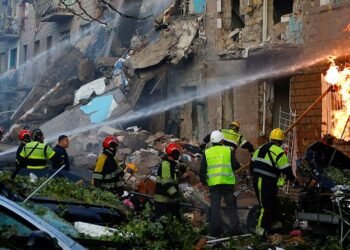 Deadly Russian Air Raids Strike Across Ukraine
 UK Government Cancels Higher Education Programme for Women and Girls
 New South Wales Premier Chris Minns Signals Tough Road Ahead for Labor
 Labour MPs Urge Burnham to Revive UK Aid Target
 UK Must Act with Courage and Clarity on Israel-Palestine Conflict, Says Foreign Affairs Committee Report
 Radioactive Leak at UK’s Nuclear Warhead Base Sparks Outcry Over Safety and Secrecy
 Is the UK Ready to Put Boots on the Ground in Ukraine? Assessing Military Capacity and Challenges
 Trump’s UK Ambassador Urges North Sea Drilling to Strengthen US Ties
BBC to Apologise Over Edited Trump Speech Amid Backlash
Trump’s UK Ambassador Urges North Sea Drilling to Strengthen US Ties
BBC to Apologise Over Edited Trump Speech Amid Backlash
 Millionaires group urge Reeves to introduce wealth tax to ‘lift kids out of poverty’
 Reeves rejects £1bn plea for NHS redundancy payouts
 PM Condemns Leaks, Vows Loyalty to Ministers and Stability
 Greene Pushes Epstein Files Amid Trump Fallout
 Shadow Fleet at Sea: Europe’s Battle Against Illicit Oil Shipping
 Starmer Says Labour’s Economic Plan Needs Years to Deliver
 Pentagon Signals Reduced Role in Deterring North Korea
 Artificial intelligence will cost jobs, admits Liz Kendall
 Mandelson Faces Police Inquiry Over Epstein Leak
 Labour Thinktank Row Deepens Over Journalist Probe Claims
 Cabinet Secretary Shake-Up Triggers Due Diligence Warning
 Starmer Faces Inquiry Calls Over Thinktank Probe
 Royal Mail Delivery Crisis Deepens Amid Weather Chaos
 UK shelves £110m border project amid trade strain
 AFP Reviews Pauline Hanson Comments
 California Democrats Vow Trump Reckoning
 The Dangerous Rise of Remigration Across Modern Europe
 US to offer passport services in West Bank settlements
 Green Party Stuns Labour in Gorton and Denton Byelection
 Labour Together scandal sparks clean break vow
 Iranian Australian community divided after vigils
 UK Rescue Flight Delayed Amid Middle East War
 Iran Defiance Grows Amid US-Israel War Pressure
 Starmer Praised for Stance on Trump and Iran Conflict
 NHS Plans to Cut Overseas Workers Labeled Overambitious
 Danish Election Deadlock Shakes Frederiksen’s Grip
 Pope Rebukes Leaders for War as Middle East Tensions Rise
 Italian Town Buys Mussolini Villa to Keep Away Fascist Fans
 Report Says Pezzullo Acted ‘Recklessly’ in Dealings
 Reform UK Faces Crisis as Newly Elected Councillors Resign
 Secret Role of UK Security Services in Troubles Amnesty Law
 The Hidden Crisis Eroding Trust in British Communities
 Deepfake Abuse on X Sparks Safety Concerns for Dissidents
 Farage Warns Sky News Following Financial Inquiry
 Ann Widdecombe, Formidable Political Figure, Dies at 78
 Houthis Strike Saudi Arabia as Middle East Tensions Rise