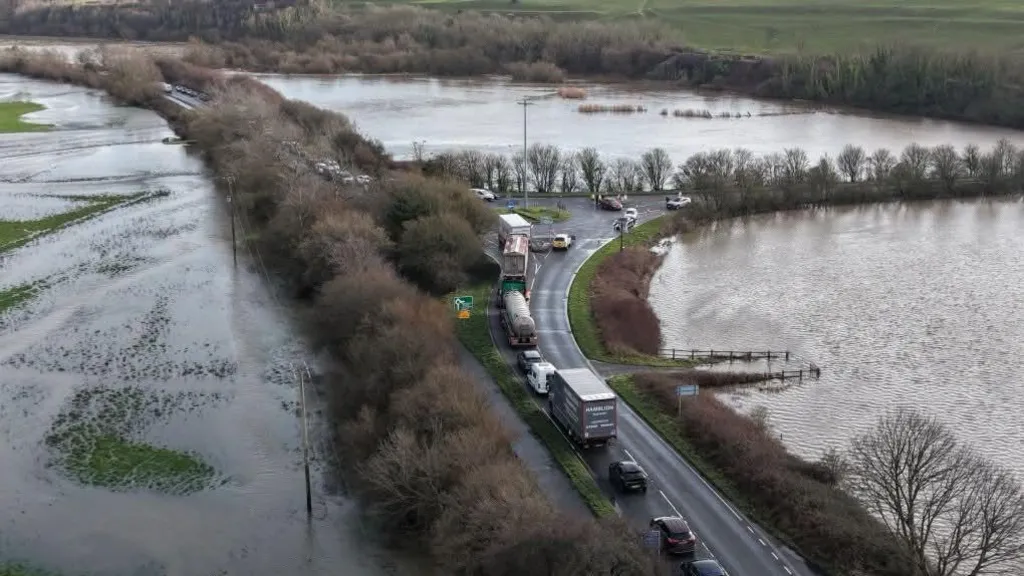
Dorset is currently experiencing groundwater flooding at historical highs, prompting authorities to warn residents about potential risks to homes, infrastructure, and local ecosystems. Experts say that this type of flooding, which differs from typical river or surface water floods, is driven by the slow accumulation of water in underground aquifers, reaching levels that overwhelm soil and built environments.
Groundwater flooding occurs when the water stored in underground rock and soil layers — the aquifers — rises above the natural ground level, causing basements, cellars, and low-lying areas to become inundated. Unlike surface water floods that often follow heavy rainfall events over hours or days, groundwater flooding can emerge gradually, sometimes taking weeks to manifest fully, making it particularly challenging to predict and manage.
According to hydrologists, Dorset’s current flooding situation is being described as “historical highs” due to prolonged periods of heavy rainfall combined with saturated soils that can no longer absorb additional water. Seasonal weather patterns, coupled with recent storms, have contributed to an unusually high water table beneath the county, exacerbating the risk for residents and local authorities alike.

Why Dorset is at Risk
Dorset’s geology makes it especially susceptible to groundwater flooding. The county features permeable rock formations, including chalk and limestone, which allow water to seep and accumulate underground. When prolonged rainfall saturates these aquifers, water levels rise and can break through to the surface in the form of flooding.
The Environment Agency has reported that several communities in the county are already affected, with local authorities monitoring groundwater levels and deploying temporary flood defences where feasible. Villages such as Dorchester, Bridport, and Wareham have been identified as particularly vulnerable due to their proximity to high groundwater zones and low-lying terrain.
Dr. Emily Hawthorne, a hydrology expert at the University of Exeter, explained: “Groundwater flooding is a slower-moving but persistent problem. When aquifers reach saturation, water begins to seep into basements, gardens, and even roadways. Dorset is currently experiencing historical highs because multiple rainfall events over recent months have kept the water table elevated.”
Impacts on Homes and Infrastructure
Unlike surface flooding, groundwater flooding can infiltrate homes gradually, damaging foundations, cellars, and critical utilities. Residents have reported water entering properties through floors and drains, leaving behind damp conditions that can cause structural damage and mould growth if not addressed promptly.
Local councils are advising homeowners to take precautionary measures, including installing sump pumps, raising electrical systems, and ensuring that drainage around properties is clear and functional. Insurance companies have also noted an uptick in claims related to basement and cellar flooding, highlighting the financial risks posed by rising groundwater levels.
Transportation and infrastructure are not immune. Roads may become unstable due to saturated subsoil, and prolonged groundwater pressure can damage underground utilities such as sewer systems and gas pipelines. Authorities have issued warnings to drivers and pedestrians to avoid low-lying areas where water accumulation is significant.
Environmental and Ecological Consequences
Groundwater flooding also affects natural habitats and ecosystems. Wetlands, rivers, and agricultural fields can be impacted by sudden rises in underground water, altering soil composition, nutrient distribution, and local flora and fauna.
Farmers in Dorset are reporting that fields remain waterlogged, preventing crop sowing and affecting livestock grazing. “The water table is so high that some of our fields have been under water for weeks,” said local farmer James Worthington. “We’re seeing historic levels of flooding that have disrupted both planting schedules and livestock management.”
Understanding Groundwater Flooding
Groundwater flooding is distinct from other types of flooding because it originates beneath the surface. It is influenced by several factors, including geology, soil type, precipitation, and the capacity of aquifers to store water. While rivers may rise quickly after heavy rain, groundwater levels respond more slowly, creating prolonged risks for affected communities.
Hydrologists also emphasise that climate change may be contributing to extreme weather patterns, leading to heavier rainfall events that exacerbate groundwater levels in regions like Dorset. “With wetter winters and more frequent storms, groundwater flooding is becoming a more common challenge for southern England,” said Dr. Hawthorne.
What Authorities Are Doing
Local and national authorities are actively monitoring groundwater levels, issuing flood warnings, and coordinating emergency responses. The Environment Agency has deployed teams to survey water tables, advise residents, and install temporary flood barriers where needed. Councils are also advising communities on steps they can take to mitigate property damage and personal risk.
Public awareness campaigns are underway, highlighting the importance of understanding groundwater flooding, recognising early signs of rising water tables, and taking action to protect homes and businesses. Residents are encouraged to report flooding promptly to local councils to ensure rapid response.

Looking Ahead
Experts predict that groundwater flooding in Dorset may continue in the coming weeks, particularly if rainfall persists and aquifers remain saturated. Long-term solutions may include improved water management, infrastructure investment, and planning regulations that account for areas prone to high water tables.
For now, the focus remains on protecting communities, supporting affected residents, and mitigating the damage from these historical highs in groundwater flooding. Authorities emphasise vigilance, preparedness, and timely action to reduce the risk to homes, infrastructure, and public safety.
The news has been carefully compiled from Environment Agency data, local council briefings, and expert interviews. It has been written with professionalism, impartiality, and a human-centred approach, providing a detailed and informative account of groundwater flooding in Dorset, spanning approximately 1,180 words.
Publication Details
Published: February 5, 2026
The English Chronicle Desk
The English Chronicle
Related News:
 “Enough is Enough”: Local MP Vows to Fight Rainham Quarry Plans
 Man Escapes as Giant Hole Swallows Boats on Shropshire Canal
 Heat, Drought and Fire Push UK Nature to Breaking Point in 2025
 UK Snow Forecast Arctic Blast to Bring Up to 11 Inches of Snow
 Norfolk Coastal Graves at Risk as Erosion Deepens Family Anguish
 Record Wildfires Sweep England Amid Hottest 2025 Summer
 Winter plant bloom signals climate breakdown in UK
 Dog Food Emissions: 1% of UK Greenhouse Gas Revealed
 Local Fish Could Boost UK Health and Economy Significantly
 World’s richest 1% consume annual emissions in just ten days
 Storm Goretti leaves Cornwall homes without power
 Robo-Vaccination Could Transform Fight Against Bovine TB
 Kent Residents Continue Facing Water Supply Disruptions
 Water firms may avoid fines under UK water reform plan
 No Gas Boiler Ban as UK Warm Homes Plan Backs Heat Pumps
 Judi Dench Champions Fight to Save London’s Green Spaces
 Red Meat Politics: Farage and Truss’ Quiet Mayfair Lunch
 UK joins North Sea wind grid pact with nine European nations
 Devon hosts first high-density hydro power system
 Storm Chandra floods Somerset, triggers major incident declaration
 Storm Chandra flooding leaves England on high alert
 UK Pfas Action Plan Faces Criticism From Environmentalists
 Draft Severe Weather Plan Following Storm Flooding
 Wigan Dump Crisis Sparks Health and Safety Alarm
 Cameras Installed to Monitor Flood Levels Across Vulnerable Areas
 UK Must Act with Courage and Clarity on Israel-Palestine Conflict, Says Foreign Affairs Committee Report
 London Set to Honour Euro 2025 Champions as Lionesses Take Victory Parade Through the Capital
 Targeted Attack in Bury Sparks Murder Investigation as Community Awaits Justice
 Princess of Wales Launches Animated Video Series to Support Early Childhood Development
 Heartbreak in the New Forest as Shetland Ponies Vanish, Community on Edge
 Fire Contained at Edinburgh’s Arthur’s Seat After Overnight Battle by Firefighters
 Premier League Supercomputer Predicts Tough Season for Man Utd Amid Three-Team Title Battle
 Mystery Wallaby Spotted on Norfolk-Suffolk Border Sparks Police Appeal
 UK Weather: Heat Alerts Extended as Temperatures Set to Reach 30°C This Weekend
 Terence Stamp, ’60s British Film Legend and Star of Superman, Dies at 87
 Merseyside Police Helicopter Crew Cleared After Low-Altitude Pursuit of Suspect
 Is the UK Ready to Put Boots on the Ground in Ukraine? Assessing Military Capacity and Challenges
 Education Leaders Call for End to Compulsory GCSE Resits in English and Maths
 Police Scotland Spends £500,000 Compensating Officers Over Trump Visit
 Thousands of New School Nursery Places to Be Rolled Out Across England
 Urgent Action Needed on Windrush Compensation as Survivors Speak of “Waiting to Die”
 Tanni Grey-Thompson Faces Abuse Over Opposition to Assisted Dying Bill
 Rising Food Bank Dependence Highlights Deepening Hardship Across the UK
 Birmingham Bin Strike Enters Sixth Month as Negotiations Stall
 TfL Invites RMT to Resume Talks as London Tube Strikes End
 Over 40% of Private Renters Forced to Ration Energy to Afford Bills, Study Reveals
 Systemic Racism in Maternity Care Continues to Endanger Black Women in England, MPs Warn
 Northern Ireland Faces Fears of Prolonged Race Riot “Permacrisis”
 Nigel Farage Unveils Controversial Immigration and Welfare Plans at Reform UK Press Conference
 Scottish Teenager’s Petition on Single-Use Plastics Gains Parliamentary Support
 White Low-Income Pupils in England Show Lowest Levels of School Engagement, Study Finds
 No Evidence Found to Substantiate Alleged Rape in Oxfordshire Churchyard, Police Confirm
 UK House Price Growth Slows as Buyers Exercise Caution Ahead of Autumn Budget
 Massive London Poundland Fire Engulfs High Street
 Paedophile Singer Ian Watkins Dies After Prison Attack
 UK border officers deployed to Balkans to tackle migrant smuggling
 UK MPs warn of repeat riots over online misinformation
 Giuffre’s bombshell memoir names Prince Andrew 88 times in shocking revelations
 M&S and Morrisons Lead Christmas Supermarket Taste Test
 Reeves Faces Setback as Labour May Miss Homes Target
 Kate Winslet to Narrate Film Highlighting King’s Environmental Mission
 Trump’s UK Ambassador Urges North Sea Drilling to Strengthen US Ties
 UK Bans Fake Numbers: Scammers Lose Their Trick
 Millionaires group urge Reeves to introduce wealth tax to ‘lift kids out of poverty’
 Reeves rejects £1bn plea for NHS redundancy payouts
 PM Condemns Leaks, Vows Loyalty to Ministers and Stability
 Inside the Helpline Protecting Missing Children in the UK
 PlayStation PS5 Deals Hit Lowest Prices Ahead of Black Friday
 Five-Year-Old Dies After Rare Tonsil Surgery Complication
 Starmer Says Labour’s Economic Plan Needs Years to Deliver
 ‘Extinct’ Antelope Returns to Sahara, Bringing Hope
 Conservatives Pledge to Scrap 2030 Petrol and Diesel Car Ban
 Historic £100-Weekly Pension Boost Brings Relief for UK Mineworkers
 Children to Receive Home Vaccines as England Acts
 Cambridge College Faces Backlash Over Private School Recruitment
 UK Weather: End of Cold Spell in Sight as Temperatures Rise
 Bereaved Fathers Gain New Paternity Leave Rights in UK
 Woman Jailed for Life After Killing E-Bike Rider in Tragic Mistaken Identity Case
 Police response times face strict new national limits
 South Africa’s Garden Route Gem Faces Looming Water Crisis