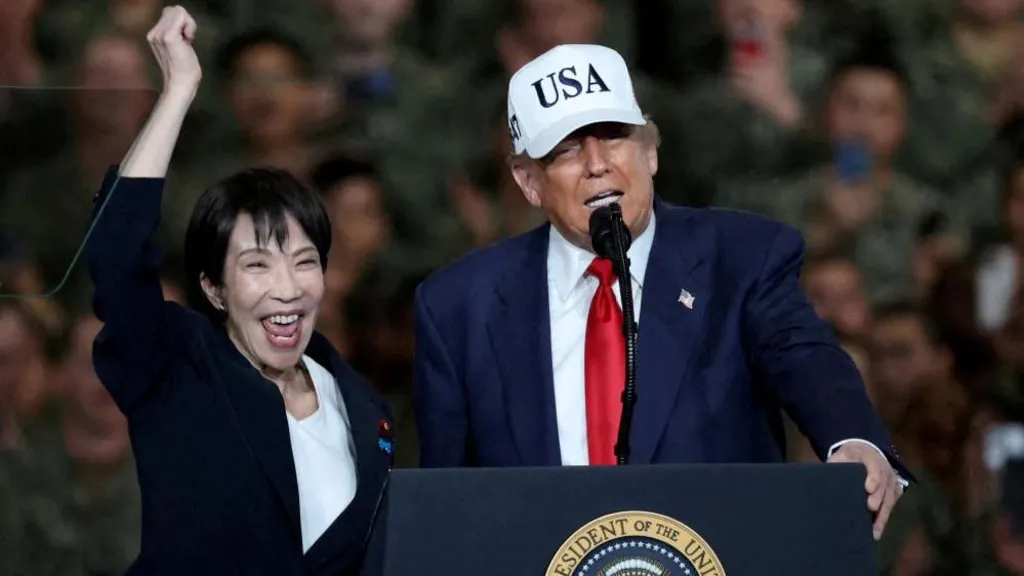
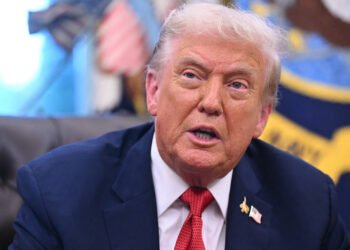
Former U.S. President Donald Trump has officially endorsed Japan’s Takaichi ahead of snap election, throwing Washington’s political influence into the intense and closely watched electoral contest in Tokyo. The endorsement, delivered via social media and amplified by Trump’s allies, marks a rare intervention by a former U.S. leader in Japanese domestic politics — and it has stirred debate both in Japan and internationally over foreign influence, alliances and the future direction of the U.S.–Japan relationship.
Trump’s backing comes as Japan prepares for an unexpected general election called amid growing domestic pressures, economic uncertainty and shifting regional security dynamics. Yuriko Takaichi, a leading figure in the ruling Liberal Democratic Party (LDP) and a former defence minister, secured Trump’s endorsement following a series of meetings and phone calls between their respective political teams.
In a statement posted on Truth Social, Trump wrote: “I proudly endorse Japan’s Takaichi for Prime Minister of Japan. She is strong, decisive, and will work with the United States to keep our nations safe and prosperous. A vote for Takaichi is a vote for strength and stability in the Indo-Pacific.” The message quickly drew thousands of replies and was picked up by international media outlets.

A Controversial Move
Trump’s intervention has ignited debate and criticism on multiple fronts. Many analysts note that former U.S. presidents rarely wade directly into foreign electoral politics, especially in allied democracies. Critics argue that such endorsements can blur diplomatic norms, creating tension between sovereignty and strategic influence.
Japan’s Constitution and political norms stress autonomy in domestic political decision-making, and several opposition parties reacted strongly to Trump’s message. The country’s largest opposition bloc, the Constitutional Democratic Party, condemned the endorsement as “unwarranted interference,” urging voters not to let foreign political figures influence internal debates.
Supporters, however, maintain that Trump’s backing could signal stronger security cooperation and continuity of the U.S.–Japan alliance, particularly at a time when tensions with China and North Korea are escalating.
Who Is Yuriko Takaichi?
Takaichi, often described as a conservative hardliner within the LDP, has risen through party ranks with a platform emphasising national security, economic revitalisation, and closer defence ties with the United States. She previously served as Minister of Defence and Minister of Internal Affairs, gaining a reputation for assertive positions on regional security and domestic reform.
Takaichi’s campaign has focused on strengthening Japan’s self-defence capabilities, bolstering economic growth through regulatory reform, and deepening strategic partnerships with like-minded democracies. Trump’s endorsement is widely seen as bolstering her credentials among right-leaning voters and those who favour a firm stance on security issues. Nonetheless, it also risks polarising voters who prioritise domestic socio-economic policy or who remain wary of close alignment with U.S. foreign policy.
Domestic Political Reactions
Within Japan, the endorsement served as a rallying point for both Takaichi’s supporters and her critics. Liberal opposition parties warned that foreign endorsements could backfire by energising nationalist sentiments and anti-establishment voters. Former prime minister and opposition leader Kenta Izumi criticised the message, saying: “Japanese voters will make their choice based on Japan’s interests, not signals from abroad.”
Some political commentators caution that the timing of Trump’s intervention — just weeks before the election — could overshadow domestic policy discussions, diverting attention from issues such as healthcare, labour market reforms, and economic inequality.
International and Regional Context
Trump’s endorsement comes amid heightened regional tensions in East Asia. China’s assertiveness in the East and South China seas, North Korea’s missile tests, and global competition over technology and supply chains have pushed security issues to the forefront of Japanese politics. For the United States, Japan remains a cornerstone ally in the Indo-Pacific, and leadership in Tokyo is seen as pivotal to sustaining regional deterrence strategies.
Security experts suggest that Trump’s endorsement of Takaichi may signal a desire to reinforce this alliance and ensure that leadership in Tokyo remains aligned with key U.S. objectives in the region. “From a strategic perspective, it underscores the importance Washington places on Japan’s role in countering emerging threats,” said one Washington-based foreign policy analyst.
Trump’s Influence on Global Politics
Trump’s involvement in a foreign election also highlights his enduring influence on international affairs, even after leaving office. The endorsement reflects a broader pattern in which Trump and his allies seek to shape global political outcomes in ways that mirror their worldview — particularly regarding security alliances and economic policy. However, it also carries risks, potentially drawing criticism from governments and voters who view outside endorsements as infringing on domestic democratic processes.

What Comes Next
With polls indicating a competitive race, analysts say Trump’s endorsement may help rally some segments of the electorate around Takaichi’s campaign. Yet it could also energise opposition forces who argue that Japan must chart its own course free from foreign influence.
As the election approaches, Japan’s political landscape is expected to remain in flux. Voter turnout, party coalitions, and the framing of key policy debates — from national security to social welfare — will shape the outcome in ways that extend far beyond the implications of a single endorsement.
For now, Trump’s public backing means that the spotlight on Japan’s election has grown even brighter on the global stage, with leaders and observers alike watching to see how voters respond to an unprecedented intervention from a former U.S. president.
Publication Details
Published: 6 February 2026
The English Chronicle Desk
The English Chronicle Online
Related News:
 Trump Says US Will Act on Greenland ‘Whether They Like It or Not’
 Trump Receives Machado’s Nobel Medal in White House Meeting
 Thousands Protest ICE Operations in Nationwide US Day of Action
 Epstein Files Reveal Trump Officials’ Emails with Financier
 Thousands Protest ICE in New York Against Trump Deportation Campaign
 US Must Be Prudent When Supplying Arms to Taiwan, Xi Tells Trump
 Fears of New Arms Race as US-Russia Nuclear Weapons Treaty Expires
 US Military Says Two Killed in Strike on Alleged Drug Boat in Eastern Pacific
 Two National Guard Soldiers Critically Injured Near White House
 Putin Intensifies Territorial Demands Before US Talks
 Trump to Recheck Green Cards from 19 Nations After DC Attack
 US Defence Chief on Drug Boat Strike: “Did Not See Survivors”
 American Mother Extradited From UK to U.S. on Murder Charges
 Russia losses Ukraine war peace talks intensify amid rising deaths
 Trump Taiwan China drills: US President Downplays Tensions
 US Venezuela protests sweep cities after intervention
 US Cities Erupt in Protests Against Trump’s Venezuela Military Action
 Shock US Raid: Maduro Pleads Not Guilty in Manhattan Court
 UK and France Agree Troop Deployment Plan for Ukraine
 Trump Escalates Minnesota Immigration Surge Amid Rising Tensions
 Capitol Attack Anniversary Sparks Deep Political Divide
 EU Weakens as Trump Targets Venezuela and Greenland
 Israel Dossier Sparks Australian Political Interference Concern
 Venezuela Oil Deal Opens Tensions with US Control
 Trump Labels Renee Good a ‘Paid Agitator’ After Minneapolis ICE Killing
 Trump: US Stands Ready to Help Iran Find Freedom Amid Widespread Unrest
 US Conducts Large-Scale Strikes Against ISIS Targets Across Syria
 Trump Says US Must ‘Own’ Greenland to Block Russia, China
 US Citizens Warned to Venezuela Flee Amid Paramilitary Threats
 Trump Weighs Response to Iran Crackdown as Tehran Says Communication Open With US
 Australia’s US Ambassador Rudd to Step Down Early
 Trump Administration Probe of Fed’s Powell Draws Pushback
 Trading Day: Trump Crosses Fed Rubicon, Market Shrugs
 Trump targets Iran trade with 25% tariff warning
 Greenland Faces Pivotal Summit Over Arctic Power Struggle
 US Clears Nvidia AI Chip Sales to China in Policy Shift
 Trump Threatens Strong Action If Iran Executes Protesters
 Gulf states warn Trump Iran strikes risk wider Middle East war
 Machado Trump medal gesture reshapes Venezuela power struggle
 Greenland defence seen as shared Nato duty amid troop arrivals
 Gulf states warn Trump Iran strikes risk wider Middle East war
 Iran unrest slows under brutal crackdown and global tensions
 Greenland Crisis Forces Europe to Draw a Line With Trump
 Iran Cannot Be Bombed Into Democracy, Only Helped There
 Syria President Declares Victory as Ceasefire Reached with SDF
 US Considers Asylum for British Jews Amid Rising Antisemitism
 Trump Aide Sparks Fury as Greenland Dispute Intensifies
 Historic Abu Dhabi Talks Bring US, Ukraine and Russia Together
 Trump Pulls Canada from His Controversial ‘Board of Peace’ Plan
 EU Says US Ties Have Suffered ‘Big Blow’ After Greenland Crisis
 Russia Strikes Kyiv and Kharkiv as Peace Talks Enter Day Two
 Arizona border shooting leaves suspect hospitalised after agent pursuit
 Videos reveal earlier clash before Alex Pretti shooting
 Emails Show Epstein Funded Mandelson’s Husband After Jail
 US-Cuba Negotiations Shift as Oil Blockade Looms
 ‘Painful Times’ as Melinda Gates Responds to Epstein Files
 Trump Praises ‘Terrific’ Petro After White House Talks
 US and Iran Talks to Begin as Fears of Direct Conflict Continue
 UK Must Act with Courage and Clarity on Israel-Palestine Conflict, Says Foreign Affairs Committee Report
 Yvette Cooper Signals Global Momentum Towards Gaza Peace Deal Amid Humanitarian Crisis
 Chaos at Ibrox as Martin’s Rangers Era Comes to an End
 Trump Claims Modi Has Agreed to Halt Russian Oil Imports Amid Heightened US Pressure
 Russia’s Latest Push to Win US Favors Shows Deep Desperation
 BBC to Apologise Over Edited Trump Speech Amid Backlash
 Britain deploys RAF specialists to assist Belgium with drone threats
 Trump Urges Herzog to Grant Netanyahu Full Pardon
 Indian authorities demolish Kashmir home linked to Red Fort blast
 Greene Pushes Epstein Files Amid Trump Fallout
 December Run-Off in Chile as Election Produces No Winner
 Zelenskyy Signs Fighter Jet Deal Amid Russian Drone Attacks
 Shadow Fleet at Sea: Europe’s Battle Against Illicit Oil Shipping
 Tiny Curacao Makes History as Smallest Nation to Reach World Cup
 India’s COP30 Delay Raises Global Climate Concerns
 US Suspends Afghan Immigration After White House Shooting
 Georgians Defy Government Crackdown After Year of Protests
 ‘Extinct’ Antelope Returns to Sahara, Bringing Hope
 Facebook Slow to Remove Bondi Attack Praise, Anti-Hate Group Claims
 Minnesota Sues Trump Administration Over ICE Surge
 US Senate rejects resolution limiting Trump military powers
 Sydney Shark Attack Surge Shocks Australia Beaches