
Published: 12 February 2026. The English Chronicle Desk. The English Chronicle Online.
The Labour elections bill is set to reshape how political donations and voter registration work across the UK. The proposed law aims to block hidden funding routes and improve democratic transparency nationwide. According to verified reports and official briefings, ministers want tighter controls on company donations and foreign-linked gifts. The reforms arrive amid rising concern about opaque funding channels and growing public pressure for cleaner political finance rules.
Government sources say the elections bill will close loopholes that allow newly created companies to donate large sums. These firms often have limited trading history and unclear ownership structures, which critics say create risk. By tightening eligibility tests, ministers intend to ensure only genuinely UK-linked businesses can fund political parties. The plan is being described inside government as a major structural reset for democratic safeguards.

Under the proposed framework, companies must prove a real operational presence inside the United Kingdom before donating funds. They will need to show headquarters location, ownership details, and sufficient revenue that reasonably covers any political contribution. Officials argue that this will prevent shell entities from acting as donation vehicles for concealed donors. Transparency checks will become stricter before any contribution is formally accepted by a political organisation.
The elections bill also introduces new limits on gifts and hospitality offered to elected representatives by foreign states or companies. High-value benefits from overseas-linked sources would be heavily restricted under the new compliance thresholds. Ministers believe this measure will reduce the perception and risk of influence tied to expensive sponsored engagements. Oversight rules will require clearer reporting and faster disclosure of any approved hospitality received.
Another key area of reform involves digital and cryptocurrency-based political donations, which have grown in visibility recently. Lawmakers are increasingly worried that crypto transfers can obscure the original funding source behind large contributions. The elections bill is expected to introduce tighter verification duties and reporting obligations around such payments. Regulatory bodies would receive stronger powers to question and pause suspicious donation flows during review periods.
Recent public debate intensified after several high-value donations linked to internationally based donors drew political scrutiny and media attention. While some donors remain legally eligible due to citizenship status, critics say current rules still allow grey areas. Ministers argue that updated financial tracing requirements will make future donation pathways far more transparent. The government position is that democratic confidence depends on visible and enforceable funding standards.
Alongside donation controls, the elections bill contains major changes to how citizens join the electoral register across the country. Pilot schemes will test a system where individuals are added when interacting with selected government services. Events like address changes or marriage registrations could trigger voter registration prompts under the new model. Supporters say this approach will expand participation while keeping personal choice through opt-out safeguards.
However, several democracy campaign groups believe the reforms should go further with fully automatic nationwide voter registration instead. They argue that linking registration directly to national insurance databases would be more effective and inclusive overall. Some organisations also want stronger independence guarantees for the Electoral Commission written directly into statute. They say enforcement bodies must be insulated from political pressure to maintain long-term credibility.
The elections bill further proposes lowering the national voting age to include sixteen and seventeen year olds. If passed, around 1.7 million younger citizens would gain the right to vote in UK elections. Ministers describe this as a generational expansion of democratic participation and civic engagement opportunities. Opposition parties are expected to challenge the move, arguing that broader constitutional consensus is still required.
Security and conduct protections also feature prominently within the proposed legislative package presented to Parliament this week. Tougher penalties are planned for intimidation, harassment, or abuse directed at candidates and election staff members. Officials say rising threats against campaign workers have created an urgent need for stronger deterrent sentencing tools. The elections bill links safe participation directly with the health and resilience of democratic competition.
There are also plans to allow more flexible and accessible voting location pilots in selected local authority areas. Trial concepts include temporary polling points inside transport hubs and large retail centres during election periods. The intention is to reduce practical barriers that prevent some citizens from casting their votes conveniently. Accessibility advocates say carefully monitored pilots could reveal which approaches most effectively increase turnout.
Government briefings indicate the legislation may still be refined after an independent review into political interference reports. Recommendations from that review could shape final wording around foreign funding limits and investigative powers. Ministers say they remain open to targeted amendments that strengthen protections without weakening lawful participation. Parliamentary debate is expected to be detailed, with cross-party proposals likely during committee examination stages.

Civil society groups broadly welcome the direction of travel but continue calling for donation caps across all major funding sources. They argue that very large domestic donations can still create disproportionate influence even when legally declared. A cap, they say, would balance participation rights with fairness and public trust in policy outcomes. The government has not yet committed to a universal ceiling within the elections bill structure.
Inside Parliament, supporters describe the package as the most significant democratic process update in many decades. They point to combined reforms on funding, registration, youth voting, and candidate protection as system-wide improvements. Critics respond that delivery and enforcement capacity will determine whether the law achieves its intended impact. Much will depend on regulatory resourcing, audit powers, and real-time data verification capability.
Public reaction so far reflects both relief at stronger oversight and caution about how rules will operate in practice. Voters consistently report concern about hidden money and foreign influence within modern campaign financing environments. The elections bill attempts to answer those fears with stricter eligibility tests and clearer reporting duties. Whether it fully satisfies reform advocates will become clearer as parliamentary scrutiny continues in coming months.
Related News:
 British Woman in Iran ‘Losing Hope’ Amid Ongoing Detention
 BBC Journalist Held and Interrogated in Vietnam
 Green Party Surges Past Labour in Latest UK Poll
 Celebrities and Charities Demand UK Government Act on Child Poverty
 Trump’s UK Ambassador Urges North Sea Drilling to Strengthen US Ties
 FBI Director Kash Patel Defends Girlfriend Amid Government Jet Claims
 French Taxi Driver Cleared in David Lammy Theft Case After Fare Dispute
 Rachel Reeves Set to Break Labour Pledge and Raise Income Tax
 MPs Press Rachel Reeves to Hike Gambling Taxes
 Boris Johnson accused of undermining BBC leadership
 ‘Reckless’ cuts to victims’ services will cost more than they save
 Millionaires group urge Reeves to introduce wealth tax to ‘lift kids out of poverty’
 Starmer Faces Growing Dissent as Labour MPs Weigh Leadership Challenge
 Reeves rejects £1bn plea for NHS redundancy payouts
 Farage appointee to lead Reform youth accused of anti-British views
 Politics latest: Starmer ‘will fight any leadership coup’ as Streeting denies attempt to oust Labour PM
 PM Condemns Leaks, Vows Loyalty to Ministers and Stability
 Major Rent Reform Ends No-Fault Evictions in England
 Peers Flood Assisted Dying Bill with 942 Amendments
 England’s Special Needs Support Faces Breaking Point
 MoD warned over Excel risks before Afghan data breach
 UK Asylum Overhaul Sparks Debate Over Human Rights and Deportations
 UK Asylum Reforms: Temporary Refugee Status and Faster Deportations
 UK Candidate Moved to Safe House After Election Threats
 Mahmood Defends Tough Overhaul of UK Asylum System
 UK Warns China After MI5 Issues Espionage Alert
 Westminster Advances Legacy Bill Amid Criticism
 UK Vulnerable to Attack, Defence Committee Finds
 Labour Faces Historic Decline in Wales
 Rama Rebukes Mahmood for Targeting Albanian Families
 PM Highlights UK Business at G20 in South Africa
 Kate Forbes: Motherhood Harder Than Politics
 Welsh Government Christmas 2020 Lockdown Criticised
 Most Tories Expect to Support a Farage-Led Government
 Labour MP claims devolution bill is ‘blatant discrimination’ against Cornwall
 Millions Face Higher Taxes Under Reeves New Budget
 Peers Get Extra Time to Debate Assisted Dying Bill
 Planned Palestinian Flag Raising at Belfast City Hall Faces Delay Amid Legal Concerns
 Government righting decades-old injustice for miners
 Starmer Says Labour’s Economic Plan Needs Years to Deliver
 UK delays ruling on China embassy plan until January
 Culture secretary to review Telegraph takeover by Daily Mail owner
 Andy Burnham Apologises for Past LGBTQ+ Police Discrimination
 Reeves Slams Farage Over Two-Child Benefit Cap Opposition
 Mandelson Refuses Apology Over Epstein Ties
 Plans to Limit Jury Trials Face Retreat After Mounting Opposition
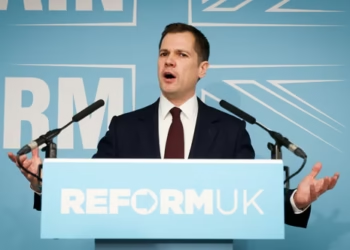 Jenrick Reform defection deepens Tory civil war
 China Dependence Threatens UK Energy Supply Chains and Jobs
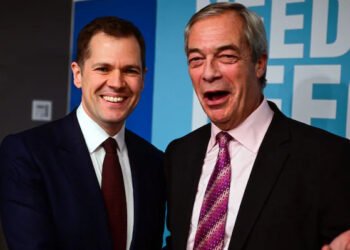 Right Must Unite After Jenrick Defection, Urges Rees-Mogg
 Romford MP Andrew Rosindell defects to Reform UK
 UK Ministers Drop Foreign Student Targets for Global Education Push
 MPs warn AI financial risks threaten UK stability
 MPs warn AI financial risks threaten UK stability
 No Gas Boiler Ban as UK Warm Homes Plan Backs Heat Pumps
 Hugh Grant Joins Call for Under-16 Social Media Ban in UK
 Shinzo Abe’s killer receives life sentence in Japan
 US Africa aid remarks spark anger after leaked State email
 Lords Vote Piles Pressure on Starmer Over Social Media Ban
 Judge-only trials plan fails to ease court backlog
 Planned Troubles Board Game Sparks Outrage in Northern Ireland
 Reform UK Health Plan ‘Would Cost £1.7bn’, Streeting Says
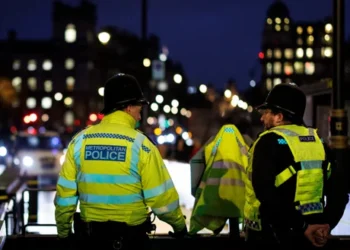 Police response times face strict new national limits
 Labour policing overhaul sparks fears over growing central control
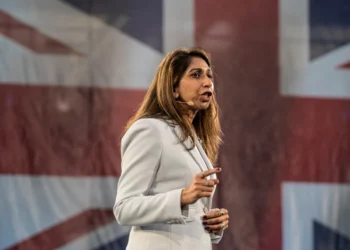 Tories criticised after Braverman defection sparks mental health row
 Burnham Westminster return hopes fade amid Labour rift
 Starmer warns of toxic division politics in Reform challenge
 Starmer China visit raises human rights pressure on Beijing
 Labour Must Revive High Streets to Avoid Election Collapse
 Conservative Party Rejects Centrism Under Badenoch’s Leadership
 Calls Grow for King Charles to Apologise for Crown’s Role in Slavery
 Starmer Signals UK Return to EU Defence Pact Talks
 Starmer crisis deepens as Labour MPs turn on PM
 Palantir contracts face UK halt calls over transparency
 Barclays drops Global Counsel after Mandelson link scrutiny
 Labour Thinktank Row Deepens Over Journalist Probe Claims
 Morgan McSweeney downfall shocks Labour leadership
 Sarwar call shakes Labour as No 10 calms fears
 Starmer Aide Loses Lords Role in Doyle Whip Row
 Labour Lord Doyle Apologises Over Paedophile Ties in Political Storm
 Palestine Action Verdict Sparks Debate on Activist Tactics