Published: 12 February 2026. The English Chronicle Desk. The English Chronicle Online.
A growing debate around the cabinet secretary role has intensified after a former senior official urged deeper vetting before any final appointment decision is made. The warning comes as Downing Street considers replacing Chris Wormald, with Antonia Romeo widely viewed as a leading contender for the cabinet secretary position. The discussion has drawn attention across Whitehall, where officials say the cabinet secretary role carries exceptional constitutional weight. Because of that influence, several experienced figures believe the selection process must be handled with extreme care and procedural discipline.
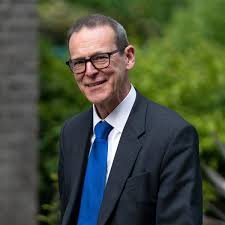
Sir Simon McDonald, the former permanent secretary at the Foreign Office, publicly stated that more thorough background checks should take place before confirmation. He explained that the appointment process should restart fully rather than move forward on informal assumptions. Speaking in a televised interview, he stressed that proper vetting protects both the government and the credibility of the civil service leadership. His remarks were measured but firm, pointing to the scale of responsibility attached to the post.
https://theenglishchronicle.com/wp-content/uploads/2025/08/CourseCave-scaled.png
Government insiders had expected an announcement confirming Wormald’s departure earlier in the day, but that communication was delayed without detailed explanation. Several sources inside government departments indicated that any leadership transition may now happen in stages rather than immediately. According to those familiar with internal planning, responsibilities could be temporarily divided among senior officials on an acting basis. This approach would allow continuity while further assessment continues behind closed doors.
The cabinet secretary serves as the most senior civil servant in the United Kingdom and advises the prime minister directly. The position also coordinates across departments and helps manage complex policy delivery across government structures. Because of that reach, appointments are usually subject to extensive scrutiny, background review, and internal consultation. Former office holders often warn that rushed decisions can create operational strain across multiple departments.
Antonia Romeo, currently serving as permanent secretary at the Home Office, is widely regarded as a strong operational leader with reform credentials. She previously appeared on a shortlist for the top job during an earlier recruitment round. Supporters describe her as energetic, modern in outlook, and willing to challenge established departmental habits when necessary. Those traits have reportedly appealed to ministers who want faster administrative reform across Whitehall systems.
Her record includes a high-profile moment when she raised concerns about workplace conduct involving a senior cabinet minister at the time. That intervention later gained recognition among civil servants who saw it as an example of principled leadership under pressure. She is also said to have built a productive working relationship with current Home Office leadership. Allies say this reflects her ability to balance political awareness with administrative independence.
However, past questions have also resurfaced regarding her time serving in a diplomatic posting in New York several years ago. The matter related to spending oversight during that assignment and prompted an internal review by the Cabinet Office. That investigation concluded with no finding of wrongdoing and formally cleared her of misconduct. Even so, critics argue that every past issue deserves fresh review during a sensitive appointment process.
Sir Simon McDonald noted that vetting systems exist precisely to test such issues carefully and fairly before confirmation decisions are reached. He suggested that private review channels, rather than media debate, are the correct place for those discussions. His comments did not accuse any candidate directly but emphasized process integrity above speed. He repeated that institutional trust depends on visible and careful evaluation standards.
A government source responded strongly to renewed criticism, describing Romeo as a respected figure with a long record of public service delivery. The source said earlier complaints came from a single grievance that was formally assessed and dismissed. Officials close to the matter insist there is no unresolved disciplinary finding against her professional record. They also argue that reopening cleared cases risks discouraging decisive leadership across the service.
No official statement has yet confirmed who will ultimately take over the cabinet secretary office following Wormald’s expected exit. A Cabinet Office spokesperson declined to comment on individual names or ongoing internal discussions about succession planning. That silence has increased speculation but also reflects standard practice around senior civil service appointments. Such processes are usually finalized before any formal public announcement is released.
Chris Wormald himself has held the role for a relatively short period compared with several of his predecessors. Some insiders suggest that reform expectations within government have accelerated faster than traditional administrative structures can easily accommodate. There is growing political pressure for faster delivery, tighter coordination, and measurable performance improvements across departments. Leadership style has therefore become a central factor in succession conversations.
Observers say the present moment reflects a broader tension between continuity and change within the UK civil service model. Reform advocates want more flexible management and quicker operational shifts across policy delivery systems. Institutionalists warn that stability, neutrality, and procedural fairness must remain the foundation of the service. The cabinet secretary office sits directly at the center of that ongoing balance debate.

Recruitment for such a senior post normally involves formal panels, structured interviews, and layered background verification procedures. External commentary rarely influences final outcomes, but it can shape how transparent the process appears to the public. Governance experts note that perception matters almost as much as outcome in high constitutional appointments. Public trust depends on visible fairness, not just internal confidence.
Downing Street is expected to clarify next steps once interim arrangements are finalized and procedural checks are completed. Until then, departments are continuing routine operations under existing leadership structures without disruption to daily government work. Senior officials privately say contingency planning has been active for several weeks already. That preparation reduces the risk of operational gaps during any leadership transition period.
The debate is therefore less about personalities and more about safeguards surrounding the cabinet secretary selection process itself. Experienced former officials continue urging patience, structured review, and disciplined verification before any final confirmation is issued. Whether the leading candidate changes or not, the call for deeper scrutiny has now entered the public conversation. That alone may influence how future top civil service appointments are handled.
Related News:
 British Woman in Iran ‘Losing Hope’ Amid Ongoing Detention
 BBC Journalist Held and Interrogated in Vietnam
 Green Party Surges Past Labour in Latest UK Poll
 Celebrities and Charities Demand UK Government Act on Child Poverty
 Trump’s UK Ambassador Urges North Sea Drilling to Strengthen US Ties
 FBI Director Kash Patel Defends Girlfriend Amid Government Jet Claims
 French Taxi Driver Cleared in David Lammy Theft Case After Fare Dispute
 Rachel Reeves Set to Break Labour Pledge and Raise Income Tax
 MPs Press Rachel Reeves to Hike Gambling Taxes
 Boris Johnson accused of undermining BBC leadership
 ‘Reckless’ cuts to victims’ services will cost more than they save
 Millionaires group urge Reeves to introduce wealth tax to ‘lift kids out of poverty’
 Starmer Faces Growing Dissent as Labour MPs Weigh Leadership Challenge
 Reeves rejects £1bn plea for NHS redundancy payouts
 Farage appointee to lead Reform youth accused of anti-British views
 Politics latest: Starmer ‘will fight any leadership coup’ as Streeting denies attempt to oust Labour PM
 PM Condemns Leaks, Vows Loyalty to Ministers and Stability
 Major Rent Reform Ends No-Fault Evictions in England
 Peers Flood Assisted Dying Bill with 942 Amendments
 England’s Special Needs Support Faces Breaking Point
 MoD warned over Excel risks before Afghan data breach
 UK Asylum Overhaul Sparks Debate Over Human Rights and Deportations
 UK Asylum Reforms: Temporary Refugee Status and Faster Deportations
 UK Candidate Moved to Safe House After Election Threats
 Mahmood Defends Tough Overhaul of UK Asylum System
 UK Warns China After MI5 Issues Espionage Alert
 Westminster Advances Legacy Bill Amid Criticism
 UK Vulnerable to Attack, Defence Committee Finds
 Labour Faces Historic Decline in Wales
 Rama Rebukes Mahmood for Targeting Albanian Families
 PM Highlights UK Business at G20 in South Africa
 Kate Forbes: Motherhood Harder Than Politics
 Welsh Government Christmas 2020 Lockdown Criticised
 Most Tories Expect to Support a Farage-Led Government
 Labour MP claims devolution bill is ‘blatant discrimination’ against Cornwall
 Millions Face Higher Taxes Under Reeves New Budget
 Peers Get Extra Time to Debate Assisted Dying Bill
 Planned Palestinian Flag Raising at Belfast City Hall Faces Delay Amid Legal Concerns
 Government righting decades-old injustice for miners
 Starmer Says Labour’s Economic Plan Needs Years to Deliver
 UK delays ruling on China embassy plan until January
 Culture secretary to review Telegraph takeover by Daily Mail owner
 Andy Burnham Apologises for Past LGBTQ+ Police Discrimination
 Reeves Slams Farage Over Two-Child Benefit Cap Opposition
 Mandelson Refuses Apology Over Epstein Ties
 Plans to Limit Jury Trials Face Retreat After Mounting Opposition
 Jenrick Reform defection deepens Tory civil war
 China Dependence Threatens UK Energy Supply Chains and Jobs
 Right Must Unite After Jenrick Defection, Urges Rees-Mogg
 Romford MP Andrew Rosindell defects to Reform UK
 UK Ministers Drop Foreign Student Targets for Global Education Push
 MPs warn AI financial risks threaten UK stability
 MPs warn AI financial risks threaten UK stability
 No Gas Boiler Ban as UK Warm Homes Plan Backs Heat Pumps
 Hugh Grant Joins Call for Under-16 Social Media Ban in UK
 Shinzo Abe’s killer receives life sentence in Japan
 US Africa aid remarks spark anger after leaked State email
 Lords Vote Piles Pressure on Starmer Over Social Media Ban
 Judge-only trials plan fails to ease court backlog
 Planned Troubles Board Game Sparks Outrage in Northern Ireland
 Reform UK Health Plan ‘Would Cost £1.7bn’, Streeting Says
 Police response times face strict new national limits
 Labour policing overhaul sparks fears over growing central control
 Tories criticised after Braverman defection sparks mental health row
 Burnham Westminster return hopes fade amid Labour rift
 Starmer warns of toxic division politics in Reform challenge
 Starmer China visit raises human rights pressure on Beijing
 Labour Must Revive High Streets to Avoid Election Collapse
 Conservative Party Rejects Centrism Under Badenoch’s Leadership
 Calls Grow for King Charles to Apologise for Crown’s Role in Slavery
 Starmer Signals UK Return to EU Defence Pact Talks
 Starmer crisis deepens as Labour MPs turn on PM
 Palantir contracts face UK halt calls over transparency
 Barclays drops Global Counsel after Mandelson link scrutiny
 Labour Thinktank Row Deepens Over Journalist Probe Claims
 Morgan McSweeney downfall shocks Labour leadership
 Sarwar call shakes Labour as No 10 calms fears
 Starmer Aide Loses Lords Role in Doyle Whip Row
 Labour Lord Doyle Apologises Over Paedophile Ties in Political Storm
 Palestine Action Verdict Sparks Debate on Activist Tactics