Published: 16 February 2026. The English Chronicle Desk. The English Chronicle Online.
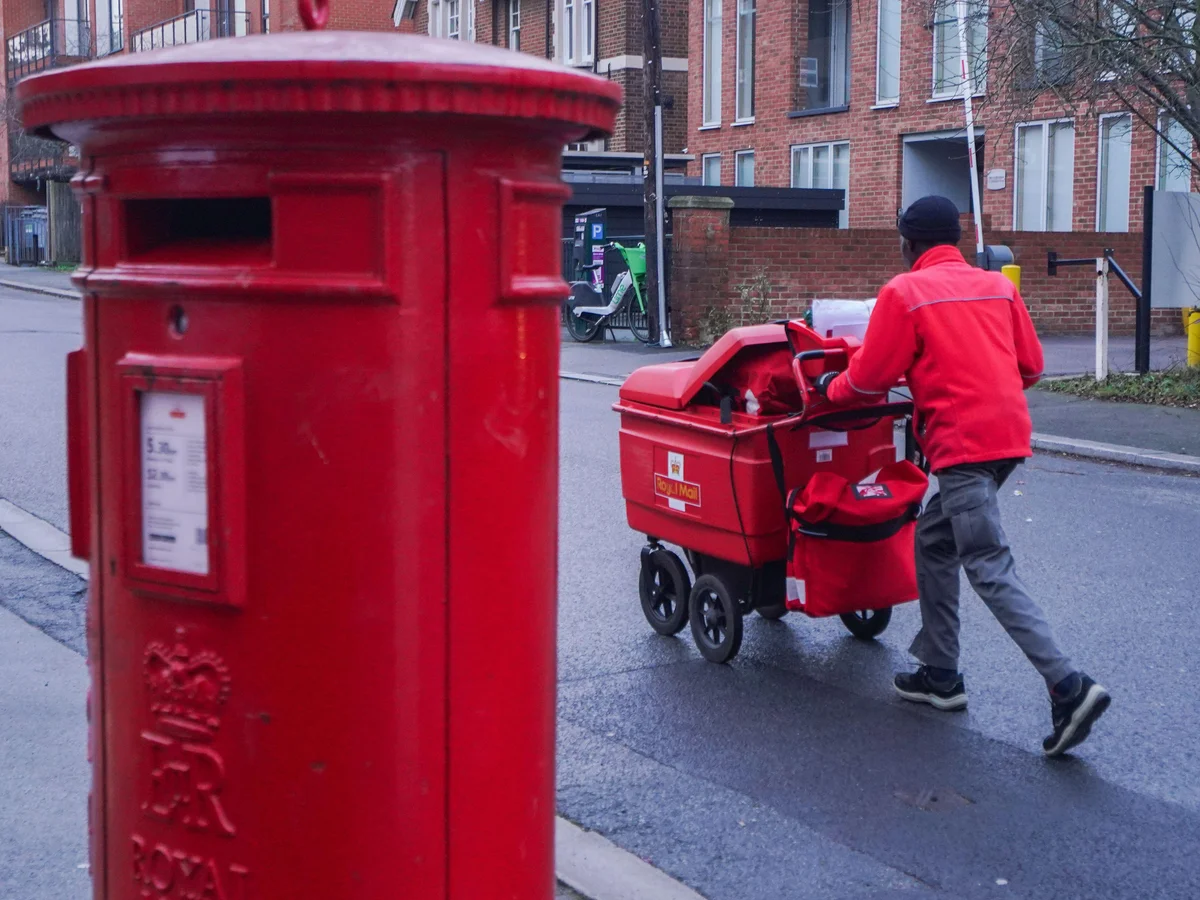
RoyalMail delays have sparked frustration across the United Kingdom as deliveries falter under relentless weather disruption. The focus keyword RoyalMail delays appears in the opening sentence because millions of people are now struggling to receive essential letters and parcels on time. Unusually severe storms in January have battered the nation, including Storm Goretti and Storm Chandra, which brought snow, heavy rain and gale‑force winds, causing travel chaos and widespread disruption. Amid these conditions, the national postal service has openly linked RoyalMail delays to staff shortages, rising sickness and dangerous weather conditions that have at times halted operations. According to worker accounts and independent reports, routes are frequently missed, and some households have waited weeks for their mail.
At the heart of the controversy around RoyalMail delays is a growing sense among the public that the service is failing to meet everyday needs. Many residents have complained that vital letters, including medical appointment notices or official documents, are either arriving late or not at all. These claims have been echoed by local officials in parts of England who describe the backlog as intolerable and unsustainable, placing undue stress on families and businesses alike. Royal Mail maintains its stance that the bulk of items still reach recipients within service targets, but the lived experience of many suggests otherwise.

The root causes of RoyalMail delays are complex and multifaceted, combining environmental pressures with internal operational issues. Storm Goretti, reported as a “weather bomb” with blizzards and powerful winds, forced school closures, transportation shutdowns and created hazards that impeded deliveries across large swathes of the country. Similarly, Storm Chandra brought further disruption with flooding and closed motorways, adding to logistical challenges for postal workers striving to navigate treacherous conditions.
Royal Mail has explained that adverse weather such as snow, ice and flood conditions directly impact its ability to fulfil scheduled delivery commitments. The company emphasised that the safety of staff remains the top priority and that temporary disruptions, sometimes affecting multiple delivery offices, are inevitable under such extreme weather patterns. In response to communities hit hardest by the chaos, Royal Mail said additional resources are directed where possible to restore normal service levels, but acknowledged that certain areas might not receive post on traditional six‑day schedules until stability returns.
Compounding environmental challenges, high absenteeism due to sickness among postal staff has further fuelled the crisis of RoyalMail delays. Royal Mail’s internal communications attribute service shortfalls to higher than usual sick leave rates, straining a network already under pressure from the steady growth in parcel volumes year after year. The shift towards parcels overtook traditional letter delivery demands, leaving sorting offices and vans packed with bulkier consignments that take longer to process. While Royal Mail insists that both letters and parcels are treated with equal priority, staff testimonies suggest that parcel deliveries often take precedence simply because of their size and volume.
The company’s difficulties are unfolding against the backdrop of a major ownership transition that took place nearly a year ago. International Distribution Services (IDS), Royal Mail’s parent company, was acquired by Czech billionaire Daniel Křetínský in a £3.6 billion deal. Initially supported by the Communication Workers Union (CWU), the takeover now faces criticism from union officials who describe the service as being in crisis. Some union representatives have openly expressed concerns that standards have slipped under the new ownership, and that visible improvements remain elusive even months after the change.
Public frustration has also been amplified by findings from consumer watchdogs. Citizens Advice reported that tens of millions of people failed to receive letters and cards on time over the festive period, a statistic that has intensified criticism and calls for regulatory intervention. Despite Royal Mail’s assertion that 99 percent of overall items were delivered on schedule in the last quarter of the previous year, the watchdog’s data and customer testimonials paint a less reassuring picture, especially for letters, which dropped significantly in volume and punctuality.

Royal Mail’s relationship with regulators also underscores the severity of the situation. The postal service was fined £21 million by Ofcom last October for missing delivery targets, marking one of the largest penalties ever imposed by the communications watchdog. Regulators have responded to persistent underperformance by modifying universal service obligations, at times allowing Royal Mail to reduce second‑class deliveries on Saturdays and adjust weekday services, a move that has further unsettled consumers who rely on reliable mail schedules.
Amid the uproar, industry experts say that long‑term strategies must be explored to address structural challenges within Royal Mail if RoyalMail delays are to be resolved. This includes investment in recruitment and retention of staff, better contingency planning for extreme weather events, and advanced logistics technologies capable of scaling to meet both parcel growth and traditional mail demands. Observers also stress that transparent communication with customers will be essential to rebuilding trust eroded by recent delays and disruptions.
As the UK braces for future weather volatility and navigates economic transition, the legacy of the postal service faces intense scrutiny. For many, the experience of waiting days or weeks for simple correspondence highlights not only operational shortcomings but also deeper questions about how essential services adapt in an era of climate unpredictability and evolving consumer expectations. The unfolding debate over RoyalMail delays is set to shape public discourse on postal reliability well into the coming months.
Related News:
 British Woman in Iran ‘Losing Hope’ Amid Ongoing Detention
 BBC Journalist Held and Interrogated in Vietnam
 Green Party Surges Past Labour in Latest UK Poll
 Celebrities and Charities Demand UK Government Act on Child Poverty
 Trump’s UK Ambassador Urges North Sea Drilling to Strengthen US Ties
 FBI Director Kash Patel Defends Girlfriend Amid Government Jet Claims
 French Taxi Driver Cleared in David Lammy Theft Case After Fare Dispute
 Rachel Reeves Set to Break Labour Pledge and Raise Income Tax
 MPs Press Rachel Reeves to Hike Gambling Taxes
 Boris Johnson accused of undermining BBC leadership
 ‘Reckless’ cuts to victims’ services will cost more than they save
 Millionaires group urge Reeves to introduce wealth tax to ‘lift kids out of poverty’
 Starmer Faces Growing Dissent as Labour MPs Weigh Leadership Challenge
 Reeves rejects £1bn plea for NHS redundancy payouts
 Farage appointee to lead Reform youth accused of anti-British views
 Politics latest: Starmer ‘will fight any leadership coup’ as Streeting denies attempt to oust Labour PM
 PM Condemns Leaks, Vows Loyalty to Ministers and Stability
 Major Rent Reform Ends No-Fault Evictions in England
 Peers Flood Assisted Dying Bill with 942 Amendments
 England’s Special Needs Support Faces Breaking Point
 MoD warned over Excel risks before Afghan data breach
 UK Asylum Overhaul Sparks Debate Over Human Rights and Deportations
 UK Asylum Reforms: Temporary Refugee Status and Faster Deportations
 UK Candidate Moved to Safe House After Election Threats
 Mahmood Defends Tough Overhaul of UK Asylum System
 UK Warns China After MI5 Issues Espionage Alert
 Westminster Advances Legacy Bill Amid Criticism
 UK Vulnerable to Attack, Defence Committee Finds
 Labour Faces Historic Decline in Wales
 Rama Rebukes Mahmood for Targeting Albanian Families
 PM Highlights UK Business at G20 in South Africa
 Kate Forbes: Motherhood Harder Than Politics
 Welsh Government Christmas 2020 Lockdown Criticised
 Most Tories Expect to Support a Farage-Led Government
 Labour MP claims devolution bill is ‘blatant discrimination’ against Cornwall
 Millions Face Higher Taxes Under Reeves New Budget
 Peers Get Extra Time to Debate Assisted Dying Bill
 Planned Palestinian Flag Raising at Belfast City Hall Faces Delay Amid Legal Concerns
 Government righting decades-old injustice for miners
 Starmer Says Labour’s Economic Plan Needs Years to Deliver
 UK delays ruling on China embassy plan until January
 Culture secretary to review Telegraph takeover by Daily Mail owner
 Andy Burnham Apologises for Past LGBTQ+ Police Discrimination
 Reeves Slams Farage Over Two-Child Benefit Cap Opposition
 Plans to Limit Jury Trials Face Retreat After Mounting Opposition
 Jenrick Reform defection deepens Tory civil war
 China Dependence Threatens UK Energy Supply Chains and Jobs
 Right Must Unite After Jenrick Defection, Urges Rees-Mogg
 UK Ministers Drop Foreign Student Targets for Global Education Push
 MPs warn AI financial risks threaten UK stability
 MPs warn AI financial risks threaten UK stability
 No Gas Boiler Ban as UK Warm Homes Plan Backs Heat Pumps
 Hugh Grant Joins Call for Under-16 Social Media Ban in UK
 Shinzo Abe’s killer receives life sentence in Japan
 US Africa aid remarks spark anger after leaked State email
 Lords Vote Piles Pressure on Starmer Over Social Media Ban
 Planned Troubles Board Game Sparks Outrage in Northern Ireland
 Reform UK Health Plan ‘Would Cost £1.7bn’, Streeting Says
 Police response times face strict new national limits
 Labour policing overhaul sparks fears over growing central control
 Tories criticised after Braverman defection sparks mental health row
 Burnham Westminster return hopes fade amid Labour rift
 Starmer warns of toxic division politics in Reform challenge
 Starmer China visit raises human rights pressure on Beijing
 Labour Must Revive High Streets to Avoid Election Collapse
 Conservative Party Rejects Centrism Under Badenoch’s Leadership
 Calls Grow for King Charles to Apologise for Crown’s Role in Slavery
 Starmer Signals UK Return to EU Defence Pact Talks
 Starmer crisis deepens as Labour MPs turn on PM
 Palantir contracts face UK halt calls over transparency
 Barclays drops Global Counsel after Mandelson link scrutiny
 Labour Thinktank Row Deepens Over Journalist Probe Claims
 Morgan McSweeney downfall shocks Labour leadership
 Sarwar call shakes Labour as No 10 calms fears
 Starmer Aide Loses Lords Role in Doyle Whip Row
 Labour Lord Doyle Apologises Over Paedophile Ties in Political Storm
 Palestine Action Verdict Sparks Debate on Activist Tactics
 Cabinet Secretary Shake-Up Triggers Due Diligence Warning
 Starmer Faces Inquiry Calls Over Thinktank Probe
 Arrested Retirees Vindicated by Palestine Action Ruling