Published: 18 February 2026. The English Chronicle Desk. The English Chronicle Online.
A major overseas contract has delivered a fresh sense of momentum for British Steel, as the Scunthorpe-based manufacturer confirmed a substantial order linked to the Ankara–Izmir high-speed line. The agreement, described as an eight-figure deal, will see 36,000 tonnes of rail produced in North Lincolnshire and shipped to Turkey over the coming months. For a business that has faced mounting losses and political uncertainty, the development marks a rare moment of optimism.
The rail will be supplied to ERG International Group and used on a 599-kilometre electric railway connecting the Turkish capital of Ankara with the western port city of İzmir. Once completed, the line is expected to cut journey times significantly and lower carbon emissions by encouraging passengers away from road and air travel. The scale of the infrastructure project reflects Turkey’s long-term transport ambitions and underlines the global demand for high-specification rail products.
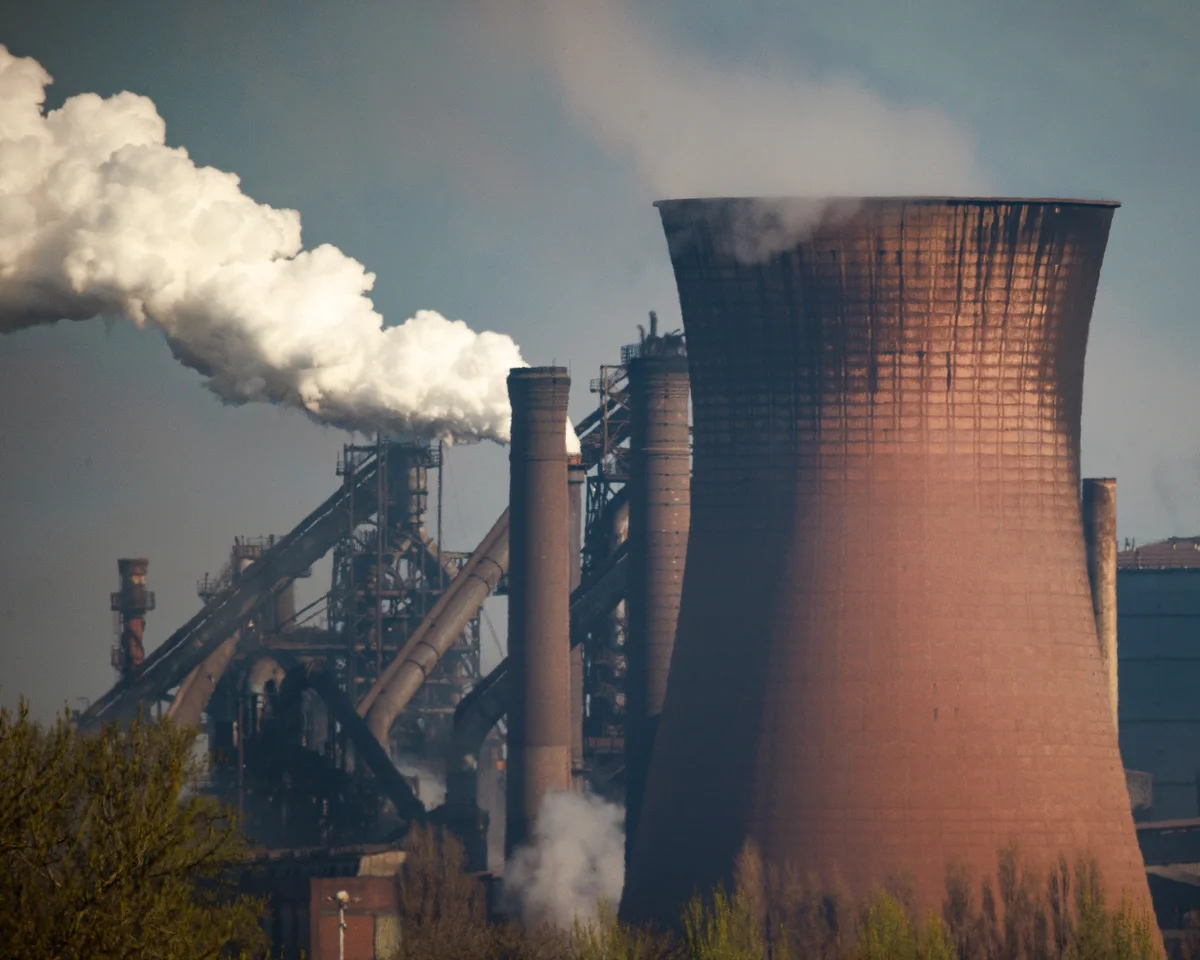
At the heart of the contract stands British Steel, whose Scunthorpe works have been under government control since emergency legislation was passed last year. The plant employs around 3,500 people and remains one of the last sites in the UK capable of turning iron ore into long steel products used in railways, bridges and major construction schemes. Securing the Turkish order has enabled the company to create 23 new roles and restart continuous rail manufacturing for the first time in more than a decade.

The Ankara–Izmir project itself is one of Turkey’s most ambitious transport undertakings. By linking the political centre of the country with a key Aegean port, the railway aims to boost regional trade and tourism. High-speed electric trains are expected to provide faster, cleaner connections between major cities. For British Steel, participation in such a flagship scheme enhances its international profile at a critical time.
Market observers note that export success has long been a cornerstone of the company’s strategy. The Scunthorpe works has supplied rail to projects across Europe, Asia and the Americas. Maintaining those global relationships is vital if the business is to move beyond reliance on government support. The Turkish contract demonstrates that international customers continue to regard the manufacturer as a trusted supplier of specialised rail products.
Nevertheless, questions remain about sustainability. UK steel production has fallen to its lowest level in more than a century, reflecting a combination of high costs, global overcapacity and shifting demand patterns. The transition to greener forms of steelmaking, including electric arc furnaces, requires significant investment. Policymakers face difficult choices over how much public funding should be committed to preserve traditional blast furnace operations.

The government has maintained that any long-term solution must balance fiscal responsibility with industrial strategy. Officials have indicated that discussions are ongoing regarding the plant’s future structure and potential private sector partnerships. While the Turkish deal offers breathing space, it does not by itself resolve deeper financial challenges.
Economic commentators argue that the contract’s true significance lies in the signal it sends. At a moment when scepticism about heavy industry runs high, securing a major international order reinforces the argument that advanced steelmaking retains value. It also highlights the interconnected nature of global infrastructure development, where British engineering expertise contributes to projects far beyond national borders.
For now, production lines in Scunthorpe are preparing to meet delivery schedules. Steel billets will be rolled, heat-treated and quality tested before shipment overseas. The sight of renewed activity has lifted morale on the shop floor, even as broader uncertainties persist. Workers understand that sustained recovery will depend on a pipeline of similar agreements.
As the trains that will eventually run between Ankara and İzmir move closer to reality, the rails beneath them will carry a British imprint. Whether this moment marks the beginning of a genuine turnaround remains to be seen. What is clear is that the Turkish high-speed project has provided a timely boost at a pivotal chapter in the company’s long history.
Related News:
 Reeves Faces Setback as Labour May Miss Homes Target
 Trump’s UK Ambassador Urges North Sea Drilling to Strengthen US Ties
 ABF May Split Primark from Food Division Amid Tough Market
 M&S Profits More Than Halve After Cyber-Attack
 Tony Blair think tank warns Rachel Reeves must cut taxes if manifesto broken
 Millionaires group urge Reeves to introduce wealth tax to ‘lift kids out of poverty’
 UK toy market enjoys bumper year as ‘kidults’ fuel demand
 Global markets drop amid tech sell-off and China slowdown
 PM Highlights UK Business at G20 in South Africa
 Mossmorran Plant Closure Hits Cowdenbeath Hard
 Steel billionaire Lakshmi Mittal reportedly leaves UK
 Starmer Says Labour’s Economic Plan Needs Years to Deliver
 Virgin Media Fined £23.8m Over Telecare Safety Failures
 Rising Water Bills Lift Troubled Thames Back to Profit
 Sainsbury’s CEO leads business honours in New Year list
 Starmer Faces Parliamentary Battles Over UK-EU ‘Reset’ Plan
 Phoenixism Costs UK Taxpayers Millions in Recruitment Sector
 ScottishPower Tops List of Worst UK Energy Suppliers
 City & Guilds pay surge sparks backlash amid £22m cuts
 UK Government Borrowing Drops to £11.6bn in December
 AI job losses UK: Britain faces sharper employment shock
 Most young adults in UK fear uncertain jobs and economic future
 Royal Mail delivery delays affect 16 million during Christmas
 UK Housing Market Shows Early Recovery Signs
 UK economy struggles as growth stalls at 0.1% in late 2025
 Bank of England Urged to Cut Rates to Spur Growth
 UK Unemployment Rate Climbs to 5.2% Peak
 UK shelves £110m border project amid trade strain
 UK Inflation Surprise Sparks Early Rate Cut Hopes
 UK Sees Record £30.4bn Budget Surplus, Boosting Reeves’ Position
 Progress on gender equality at top UK firms ‘achingly slow’
 Strong Rebound for UK Housing Market Sees 6% More Homes
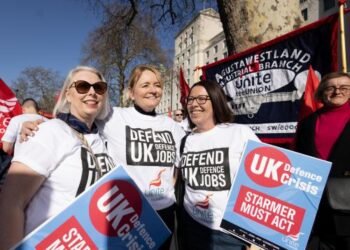 Reeves Must Back Defence Plan or Face Dismissal, Says Unite Chief
 Doom Bar Closure Stuns Cornish Brewing Fans
 Switching Energy Deal Can Save £200 as Price Cap Falls
 OBR Reform Row Deepens Before Spring Forecast
 UK Hotel Data Sharing Probe Shakes Global Chains
 UK house prices rise as market steadies
 Grocery Inflation Rises Amid War Fears
 Peak Greggs fears as profits tumble sharply
 BrewDog sold Highland estate for knockdown price after abandoning reforestation plans
 Yorkshire Water Funding Sparks Debate Amid Fines and Pay Row
 John Lewis bonus returns after four years as profits rise
 New £10bn rescue plan offered for Thames Water
 UK Energy Reform Could Cut Bills by £200
 UK Doubles Steel Tariffs to 50% to Protect Domestic Plants
 Starmer Adviser Urges New Profit Cap on Energy Firms
 Hospitality Sector Teeters on Brink as Costs Surge
 Iceland Boss Offers Role to Sacked Waitrose Employee
 Student Loan Interest May Rise Despite 6% Cap
 Major Housebuilder Cuts Land Buying Amid Global Unrest
 City & Guilds Sale Sparks Fees and Pay Uproar
 Heathrow Chair Seeks Peace to Save Third Runway
Carillion Executives Banned After Reckless Misconduct
Heathrow Chair Seeks Peace to Save Third Runway
Carillion Executives Banned After Reckless Misconduct
 Labour Faces Internal Pressure for Bold Economic Shift
 Millionaires Back Higher Taxes to Save UK Public Services
 Crypto Tycoon Enters UK Rich List at Number Six
 UK Firms Freeze Spending as Iran Conflict Bites
 Summer Shock: British Energy Bills Set for Grim July Hike
 Reeves to Fast-Track Clean Energy Amid Iran Crisis
 M&S Boss Slates Food Price Caps as ‘Preposterous’
 UK Urged to Build EU Rejoin Consensus, Says Miliband
 Tube Strike Brings Capital to a Standstill Over Shift Disputes
 BP Stands Firm on Amanda Blanc Amid Boardroom Storm
 Steel Tensions Rise Between United Kingdom and European Union
 UK House Prices Drop For Third Month Due To War Fears
 Top Chefs Back Andy Burnham to Save UK Hospitality Sector
 UK Steel Crisis: Jingye Demands Payout After Takeover
 Flutter to Cancel London Stock Exchange Share Listing
 AI Scams Push UK Investment Fraud Past £220m
 Whitehall Steps In: The Battle Over Thames Water Deepens
 Thames Water Nationalisation Pushes Closer After Rescue Objected
 John Lewis Invests £20m in Glasgow Store Upgrade
 Andy Burnham Enlists Economic Heavyweights for Leadership Bid
 Tories Clinch Shock Victory in Aberdeen South Byelection
 Rethinking the Blueprint for Youth Employment in Britain
 Sainsbury’s Boss Optimistic As Grocery Inflation Eases
 UK Households Suffer Squeeze As Disposable Incomes Drop
 Bank of England Eases Rules Despite Rising AI Risks
 BBC Faces Real Jeopardy as Licence Fee Income Declines