Published: 18 February 2026. The English Chronicle Desk. The English Chronicle Online
India has rapidly emerged as a central player in global trade diplomacy in recent months, signing a series of landmark agreements with major economic powers that signal its growing economic confidence. However, while these historic trade deals have lifted the country’s international profile, experts warn that significant structural, logistical, and competitive challenges still stand in the way of turning diplomatic success into sustained export growth and economic advantage.
In a remarkable diplomatic push, New Delhi has concluded major agreements with both the European Union (EU) and the United States (US) – moves described by officials and analysts as emblematic of India’s pivot from longstanding protectionism towards a more proactive global trade strategy. The pact with the EU, agreed in late January this year, was hailed as a historic Free Trade Agreement after nearly two decades of negotiation and is expected to significantly ease tariffs and broaden market access once ratified.

Meanwhile, India’s interim agreement with the US has already led to a considerable cut in tariffs – with American duties on Indian exports lowered to 18% – and set the stage for deeper trade cooperation. That deal comes amid broader political and economic negotiations, including indirect shifts in energy sourcing strategies.
Together, these recent trade milestones mark India’s 10th free trade agreement (FTA) since 2014, underscoring a clear shift in the country’s trade policy stance after decades of slow negotiations and limited market opening. These developments have also helped deepen India’s economic ties with other partners, including plans to start negotiations with the Gulf Cooperation Council (GCC) bloc, which accounts for roughly 15% of global trade flows.
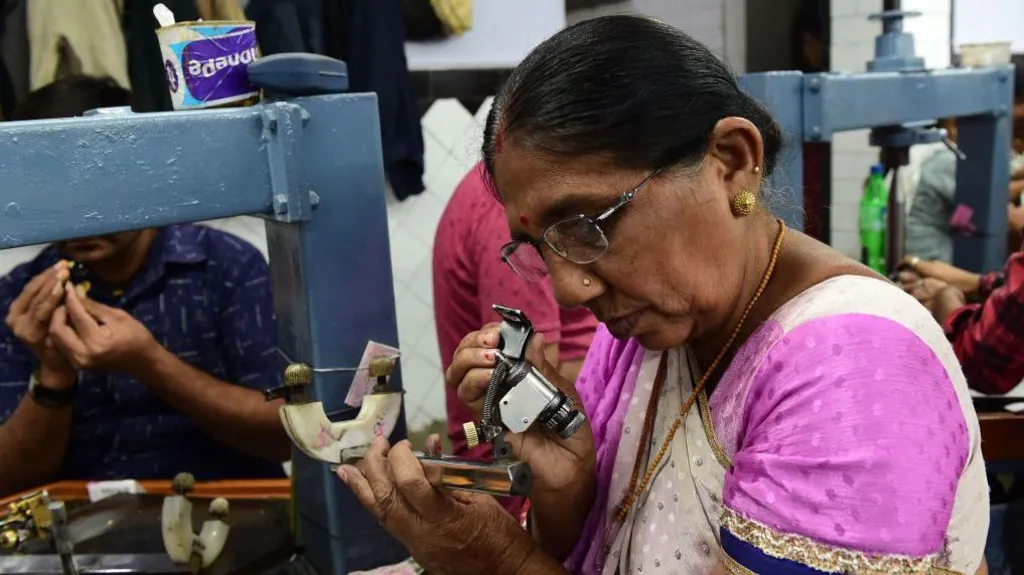
Yet, while the diplomatic achievements are significant, experts caution that realising tangible export growth and competitive advantage will require more than the ink on agreements. Historically, India has struggled to fully capitalize on FTAs: its rate of utilisation of preferential tariff benefits has hovered around only about 25%, compared with 70–80% in advanced economies. This gap reflects persistent issues such as cumbersome paperwork, high compliance costs, inconsistent customs procedures, and complex “Rules of Origin” requirements that hold back many exporters, especially smaller firms.
Structural challenges also extend beyond documentation. Exporters face non‑tariff barriers, lengthy logistics times, infrastructure bottlenecks, and higher transaction costs that blunt the competitive edge FTAs are supposed to confer. Analysts note that other Asian economies like Vietnam and Bangladesh, which have prioritized export‑oriented manufacturing with streamlined supply‑chains and faster customs processes, have outpaced India in recent years.
Experts argue that unless New Delhi accelerates reforms to support export competitiveness – including improving logistics, simplifying compliance, and investing in supply‑chain efficiency – its FTAs risk being opportunities on paper but under‑utilized in practice. They also urge deeper reforms such as modernising investment treaty frameworks and joining broader regional trade partnerships to attract more foreign direct investment and integrate India more fully into global value chains.

Nevertheless, many in India’s business and diplomatic communities believe that the recent deals lay an important foundation. They view the trade agreements as structural benchmarks that can, with the right domestic follow‑through, help India reach its ambitious goal of $1 trillion in annual exports and further solidify its position on the global economic stage.
As India transitions from negotiating tables to implementation on the ground, the focus now shifts to how these agreements translate into jobs, investment, and sustainable economic growth for its diverse industries and trading partners.
Related News:
 Kinnock’s Rebuke Echoes Loudly as Corbyn Allies Launch Left-Wing Breakaway: “A Gift to Farage”
 Trump Administration Dismisses 17 Immigration Judges, Sparking Debate Over Judicial Independence
 England’s Euro Odyssey: A Tale of Grit, Glory and the Lionesses’ Miraculous March to the Final
 UK Must Act with Courage and Clarity on Israel-Palestine Conflict, Says Foreign Affairs Committee Report
 Northern Ireland Family of Three Shot Dead in Maguiresbridge Home Incident
 Seventeen Dead as Russia Targets Ukrainian Prison in Devastating Airstrike
 Tottenham Takes On Newcastle
 Gen Z Embraces the Big, Bold ‘Fake’ Indian Wedding Party Trend
 Trump Threatens 100% Tariff on Nations Importing Russian Oil Amid India Standoff Over Ukraine War
 Radioactive Leak at UK’s Nuclear Warhead Base Sparks Outcry Over Safety and Secrecy
 Mutual Inconvenience: Why Alaska Was Chosen for the Trump-Putin Summit on Ukraine
 China’s crackdown on civil servant perks sparks economic concerns
 Terence Stamp, ’60s British Film Legend and Star of Superman, Dies at 87
 Hong Kong Summons UK and Australian Envoys Following Asylum Grants to Democracy Activists
 Is the UK Ready to Put Boots on the Ground in Ukraine? Assessing Military Capacity and Challenges
 Costa Blanca Holiday Horror as Food Poisoning Outbreak Hits Four-Star Hotel
 Shein UK Faces Allegations of Shifting Majority of Profits to Singapore to Reduce UK Tax
 Conservative Influencer Charlie Kirk Fatally Shot During University Debate
 Channel Crossings Surge: Over 1,000 People Arrive in the UK in Small Boats in a Single Day
 Widow of Charlie Kirk Forgives Killer at Emotional Memorial Service
 Las Vegas Faces Decline as Rising Costs Drive Tourists Away
 Public Executions in Gaza City Captured on Video Amid Ongoing Conflict
 Macron Phones Trump Over Traffic Jam in New York
 Comey Indictment Deepens Fears of Political Retribution Under Trump
 Google at 27: The Untold Story of Ruth Kedar, the Woman Behind the Iconic Logo
 Yvette Cooper Signals Global Momentum Towards Gaza Peace Deal Amid Humanitarian Crisis
 “It Was Very Tough, But I Love Life”: Former Israeli Hostage Rebuilds Life After Family Killed by Hamas
 Chaos at Ibrox as Martin’s Rangers Era Comes to an End
 Arsenal Showcase Depth and Flexibility as Arteta Eyes Title Challenge
 Nobel Prize Honours Pioneers Behind Materials That Could Heal the Planet
 Public Trust in SNP Hits Historic Low Amid NHS Concerns
 Johnson Suggests Mandelson Linked to China Spy Controversy
 Trump Claims Modi Has Agreed to Halt Russian Oil Imports Amid Heightened US Pressure
 Rachel Reeves signals welfare reform ahead of key budget
 Russia’s Latest Push to Win US Favors Shows Deep Desperation
 WW2 Pilot’s Long-Lost Crash Site Unearthed in Essex
 I’m a Celebrity 2025 line-up revealed: Osbourne joins
 BBC to Apologise Over Edited Trump Speech Amid Backlash
 Britain deploys RAF specialists to assist Belgium with drone threats
 Palace May Restore Hyphen to Andrew Mountbatten-Windsor’s Name
 Trump Urges Herzog to Grant Netanyahu Full Pardon
 Indian authorities demolish Kashmir home linked to Red Fort blast
 Greene Pushes Epstein Files Amid Trump Fallout
 December Run-Off in Chile as Election Produces No Winner
 Zelenskyy Signs Fighter Jet Deal Amid Russian Drone Attacks
 Canada Passes Carney’s First Budget in Tight Parliamentary Vote
 Shadow Fleet at Sea: Europe’s Battle Against Illicit Oil Shipping
 Tiny Curacao Makes History as Smallest Nation to Reach World Cup
 Deadly Russian Strikes Hit Western Ukraine, 20 Killed in Ternopil
 Ukraine Peace Plan: Zelensky Ready for Dialogue
 India’s COP30 Delay Raises Global Climate Concerns
 Royal Navy Shadows Russian Warships Entering the Channel
 Trump EPA Moves to Roll Back Soot Pollution Limits
 US Suspends Afghan Immigration After White House Shooting
 Georgians Defy Government Crackdown After Year of Protests
 Tokyo court rules Japan’s same-sex marriage ban constitutional
 ‘Extinct’ Antelope Returns to Sahara, Bringing Hope
 American Mother Extradited From UK to U.S. on Murder Charges
 Facebook Slow to Remove Bondi Attack Praise, Anti-Hate Group Claims
 Albanese Opens Door to Bondi Royal Commission Amid Rising Pressure
 Trump Weighs Response to Iran Crackdown as Tehran Says Communication Open With US
 US Clears Nvidia AI Chip Sales to China in Policy Shift
 Gulf states warn Trump Iran strikes risk wider Middle East war
 EU weighs response amid Greenland tariff crisis with Trump
 Sydney Shark Attack Surge Shocks Australia Beaches
 EU Says US Ties Have Suffered ‘Big Blow’ After Greenland Crisis
 Videos reveal earlier clash before Alex Pretti shooting
 UK New Car Discounts Near £6,000 as Prices Are Slashed
 Israel Moves to Bar MSF From Gaza Operations
 Tragic Ski Lift Accident Claims Australian Snowboarder
 Portugal Election Delivers Socialist Win as Far Right Surges
 After the Landslide: Can India Reset Ties with BNP Bangladesh?
 Claims Navalny Was Killed by Frog Toxin Spark Debate
 Australian Families Leave Syrian Camp for Home
 SA Police Intensify Search in Gus Lamont Case
 Starmer Weighs Fast-Tracking Defence Boost
 Japan’s Lost “Tigers” Were Actually Lions, Study Reveals
 Trump Attacks UK-California Energy Pact
 ‘I Would Scream in My Sleep’: Alawite Women from Syria Tell of Kidnap and Rape
 Iran Says ‘Guiding Principles’ Agreed With US at Nuclear Talks