Published: 17 January 2026. The English Chronicle Desk. The English Chronicle Online
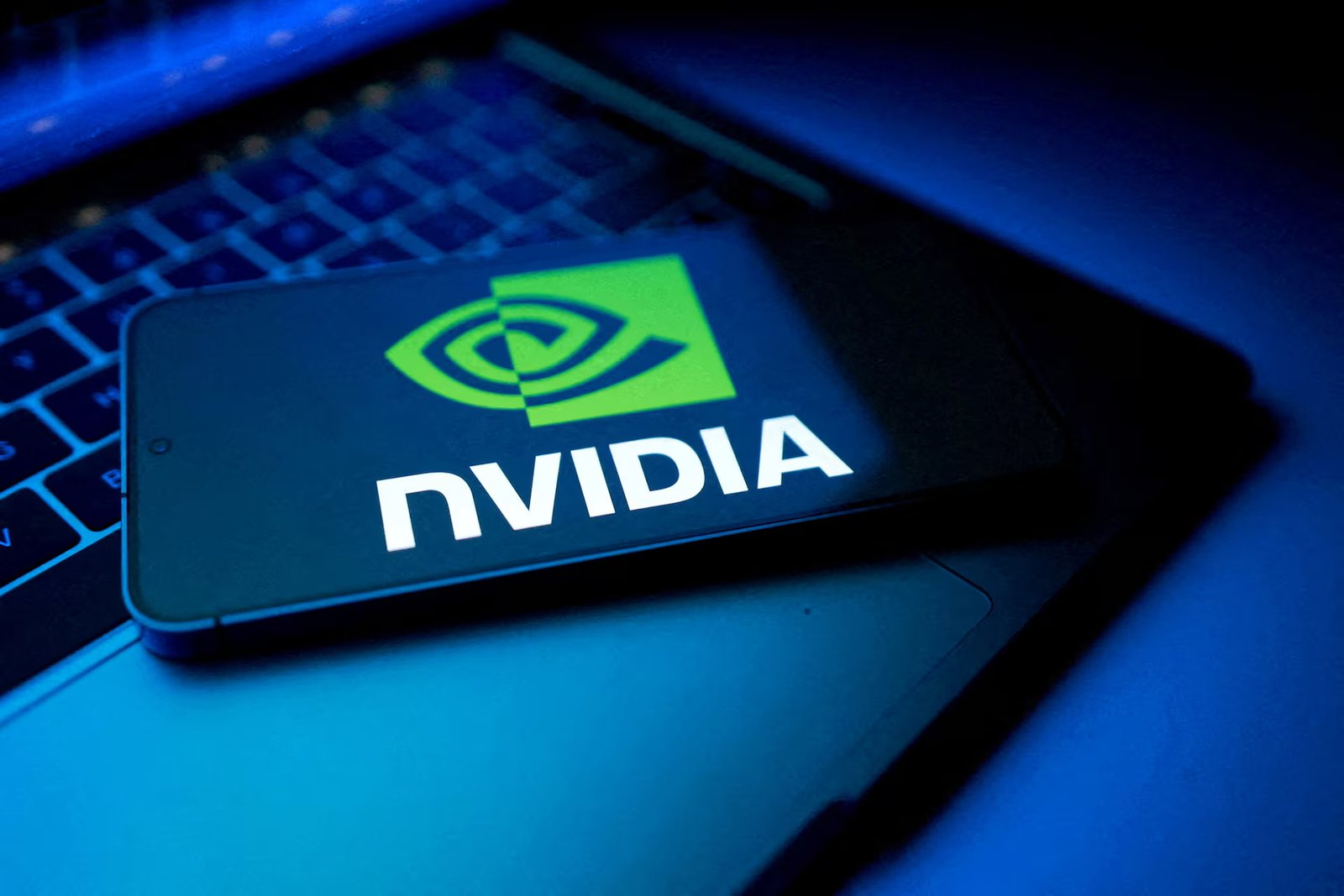
China has effectively blocked imports of Nvidia’s powerful H200 artificial intelligence chips, despite the processors having recently received clearance from the US government for export, according to reports that have deepened confusion over the rapidly escalating technology dispute between Washington and Beijing. The move has prompted parts suppliers linked to Nvidia’s supply chain to pause production, underlining the uncertainty now surrounding one of the most commercially and strategically sensitive products in the global semiconductor market.
According to a report first published by the Financial Times, citing two people familiar with the matter, Chinese customs authorities have prevented shipments of the H200 chips from entering the country. Reuters said it was unable to independently verify the report, while Nvidia did not respond to requests for comment outside normal business hours. Nevertheless, multiple sources with knowledge of the situation have described mounting disruption across Nvidia’s supplier network as firms attempt to interpret conflicting signals from both governments.

Nvidia had reportedly anticipated orders exceeding one million units from Chinese customers, a figure that reflects the enormous demand for high-end AI processors among China’s technology companies, cloud service providers and research institutions. In preparation, suppliers had been running production lines around the clock, aiming to begin shipping as early as March. That momentum has now stalled, with some parts manufacturers placing production on hold until there is greater clarity on whether the restrictions represent a temporary administrative measure or a formal ban.
This week, Chinese customs officials informed local agents that Nvidia’s H200 chips were not permitted to enter the country, according to people briefed on the guidance. At the same time, government officials reportedly summoned domestic technology firms and warned them against purchasing the chips unless absolutely necessary. The officials did not offer a public explanation for the move, nor did they clarify whether it formed part of a broader policy shift or was linked to ongoing trade and security negotiations with Washington.
The lack of transparency has fuelled speculation about Beijing’s intentions. The H200 is Nvidia’s second most powerful AI processor and sits at the heart of global debates over technological dominance, military capability and economic leverage. Some analysts believe China may be considering an outright ban as a way to accelerate the development of domestic alternatives and reduce reliance on US-designed technology. Others argue the move could be provisional, giving Beijing room to adjust its position depending on how broader talks with the Trump administration evolve.
If confirmed, the import block would add yet another layer of complexity to an already convoluted policy landscape. Earlier this year, the Trump administration signalled that it would allow the export of the H200 to China, despite objections from national security hawks in Washington. The chips are designed in the US but manufactured in Taiwan, and the approval reportedly included provisions allowing the US government to take a share of the profits from sales to Chinese customers.
That approval, however, came with a significant condition. Instead of being shipped directly from Taiwan to China, the completed chips were required to pass through a US laboratory for testing. By routing the chips through the US, the administration imposed a 25% tariff on their sale, citing national security grounds. The same tariff was applied to AMD’s competing MI325X AI processor, signalling that the policy was not limited to Nvidia alone but formed part of a broader effort to monetise and control the flow of advanced semiconductors.
For Chinese firms, the result has been a confusing mix of permission and restriction. On paper, the chips are legal to purchase; in practice, customs authorities appear unwilling to allow them into the country. For Nvidia and its suppliers, the uncertainty threatens to disrupt revenue projections and production schedules at a time when demand for AI hardware is surging globally.
Experts remain sharply divided over whether allowing sales of the H200 to China serves US strategic interests. Supporters of the policy argue that continued access to Nvidia’s most advanced chips could slow China’s progress in developing indigenous alternatives, keeping its tech sector dependent on US intellectual property and design expertise. From this perspective, controlled exports are seen as a way to maintain leverage while generating substantial profits for American companies and, indirectly, the US government.
Critics, however, warn that the H200 is powerful enough to be repurposed for military and surveillance applications. They argue that advanced AI processors could one day underpin weapons systems, intelligence analysis and autonomous platforms deployed by China’s military against US allies. From this standpoint, even heavily conditioned exports represent an unacceptable risk, particularly at a time when trust between the two powers is at a low ebb.
Beijing’s silence on the precise rationale for the customs block has only heightened tensions. By neither confirming nor denying a formal ban, Chinese authorities retain flexibility while sending a clear signal that access to advanced US technology cannot be taken for granted. Some observers believe the move may be intended as a bargaining chip, giving China leverage in negotiations over tariffs, export controls and broader economic relations with Washington.

For Nvidia, the episode underscores the fragility of operating at the centre of a geopolitical struggle. The company has already redesigned products in recent years to comply with shifting US export rules, only to see those rules tightened again. The H200 was widely viewed as a compromise chip that balanced performance with regulatory limits. Its apparent rejection by Chinese customs raises questions about whether any such compromise remains viable.
The wider implications extend well beyond a single product. The semiconductor industry is increasingly shaped by national security considerations, with supply chains rerouted and investment decisions driven as much by politics as by market logic. For suppliers now idling production lines, the immediate concern is financial. For governments, the stakes are strategic, touching on technological leadership, economic resilience and military power.
As things stand, neither Nvidia nor Chinese authorities have provided definitive answers. Whether the H200 chips will eventually be allowed into China, or whether the pause marks the beginning of a more decisive decoupling, remains unclear. What is certain is that the episode highlights the growing instability at the intersection of technology and geopolitics, where even officially approved products can become collateral in a broader struggle for influence and control.
Related News:
 Anglian Water Fined £63 Million Over Sewage Scandal Amid National Outrage
 How to Exit Your Broadband Contract Without Paying Exit Fees
 Permission Granted for Britain’s First Vertical Rocket Launch at Shetland Spaceport
 Government Expands Electric Car Grant Scheme, Offers Discounts on Five More Models
 Ed Davey Urges Government to Block Elon Musk’s Tesla from Supplying UK Home Energy
 Apple Unveils Ultra-Thin $999 iPhone Air at “Awe-Dropping” Annual Event
 Merck Abandons £1bn London Research Hub and Cuts 125 Jobs in Blow to UK Life Sciences
 UK and US Forge Landmark Deals to Build Modular Nuclear Reactors Across Britain
 Big Pharma Investment Freeze Puts UK Life Sciences Sector Under Strain
 UK Could Generate Nearly £2bn Annually by Taxing SUVs, New Study Reveals
 Google Pledges £5bn AI Investment in UK Ahead of Trump State Visit
 Donald Trump’s UK State Visit Kicks Off Amid Major Tech Investments and Business Engagements
 Jaguar Land Rover Extends Production Halt Following Cyber-Attack
 British AI Startup Outshines Human Forecasters in Global Prediction Contest
 Royal Mail Owner Acquires Stake in Collect+ and Launches High Street Rebrand
 Jaguar Land Rover to Resume Production After Cyber-Attack, Launches Supplier Support Scheme
 NHS May Pay 25% More for Medicines Amid US Drug Talks
 Watchdog Rules Red Tractor Ad Misled Public on Environmental Claims
 Eurostar to launch doubledecker trains through Channel Tunnel by 2031
 Bloomsbury chief: AI will aid authors in beating writer’s block
Virgin Trains Moves Closer to Challenging Eurostar Monopoly
Bloomsbury chief: AI will aid authors in beating writer’s block
Virgin Trains Moves Closer to Challenging Eurostar Monopoly
 North Sea oil workers must lose weight or face job loss
 New laws to bolster UK’s defences against cyber attacks on NHS, transport and energy
 UK Taskforce Unveils Plan to Streamline Nuclear Reactor Rules
 UK Car Sales Pass 2 Million as Chinese Brands Surge
 Uber Faces Sexual Assault Trial in Arizona, Safety Record Scrutinised
 German Supermarket Aldi to Open 180 US Stores This Year
 Top Senate Republican Says Federal Probe of Powell Could Challenge Fed Nominees
 Trump Administration Probe of Fed’s Powell Draws Pushback
 Trading Day: Trump Crosses Fed Rubicon, Market Shrugs
 US Clears Nvidia AI Chip Sales to China in Policy Shift
 Government Unveils Northern Powerhouse Rail Plans
 Post Office Scandal Compensation Tops £1 Billion as Victims Finally See Justice
 Tensions Unfold in Market Harborough as Asylum Seeker Hotel Sparks Divisive Protests
 China’s crackdown on civil servant perks sparks economic concerns
 Chancellor Rachel Reeves Pushes for Sweeping Changes to Environmental Protections to Accelerate Development
 Inflation Latest: Cost of Living Expected to Rise Again in Key Figures Released Today
 Shein UK Faces Allegations of Shifting Majority of Profits to Singapore to Reduce UK Tax
 Spectacular ‘Blood Moon’ Illuminates Skies Across the Globe
 British Pilot Joins Crew Training for Year-Long Mars Simulation Mission
 Persistent Offenders Owe Over £700m in Ulez Fines as TfL Cracks Down on Evasion
 Great Britain’s Energy Operator Commits to Strengthening Grid to Prevent Blackouts
 Google at 27: The Untold Story of Ruth Kedar, the Woman Behind the Iconic Logo
 UK House Price Growth Slows as Buyers Exercise Caution Ahead of Autumn Budget
 Kemi Badenoch Unveils ‘Golden Rule’ to Halve Spending Cuts for Deficit Reduction at Tory Conference
 New V-Level qualification to transform post-16 education
 Reform UK candidate fined £19,000 after using AI-generated cases to challenge election
 Real living wage set to rise nearly 7% for UK workers in 2026
 UK Campaigners Launch Bill to Grant Legal Rights to Nature
 Reeves Faces Setback as Labour May Miss Homes Target
 Trump’s UK Ambassador Urges North Sea Drilling to Strengthen US Ties
 Ryanair Chief UK Economy ‘Doomed’ Under Labour
 UK Bans Fake Numbers: Scammers Lose Their Trick
 M&S Profits More Than Halve After Cyber-Attack
 Vibe coding’ named Collins dictionary’s word of the year
 Patients to Test Health at Home to Ease NHS Winter Pressure
 Britain deploys RAF specialists to assist Belgium with drone threats
 Millionaires group urge Reeves to introduce wealth tax to ‘lift kids out of poverty’
 From Lego to Pokémon: How Adults Are Driving UK Toy Market Growth
 Stop using ChatGPT to write speeches, AI minister tells MPs
 Northern Lights may illuminate UK skies this week
 New AI tool could cut wasted efforts in organ transplants
 Canada Passes Carney’s First Budget in Tight Parliamentary Vote
 Sundar Pichai Cautions on AI Hype and Market Risks
 Google Chief Urges Caution: Don’t Trust AI Blindly
 Two National Guard Soldiers Critically Injured Near White House
 US National Guard Member Killed in DC Shooting
 Starmer Says Labour’s Economic Plan Needs Years to Deliver
 Virgin Media Fined £23.8m Over Telecare Safety Failures
 Beachy Head Woman Identified as Local Eastbourne Resident
 Historic £100-Weekly Pension Boost Brings Relief for UK Mineworkers
 American Mother Extradited From UK to U.S. on Murder Charges
 Russia losses Ukraine war peace talks intensify amid rising deaths
 FTSE 100 Hits 10,000: UK Market Celebrates Record Year
 US Cities Erupt in Protests Against Trump’s Venezuela Military Action
 Trump Escalates Minnesota Immigration Surge Amid Rising Tensions
 Homeland security agents deployed amid Minneapolis protests
 Trump Weighs Response to Iran Crackdown as Tehran Says Communication Open With US
 Minnesota Sues Trump Administration Over ICE Surge
 Trump targets Iran trade with 25% tariff warning