Published: 30 January 2026. The English Chronicle Desk. The English Chronicle Online.
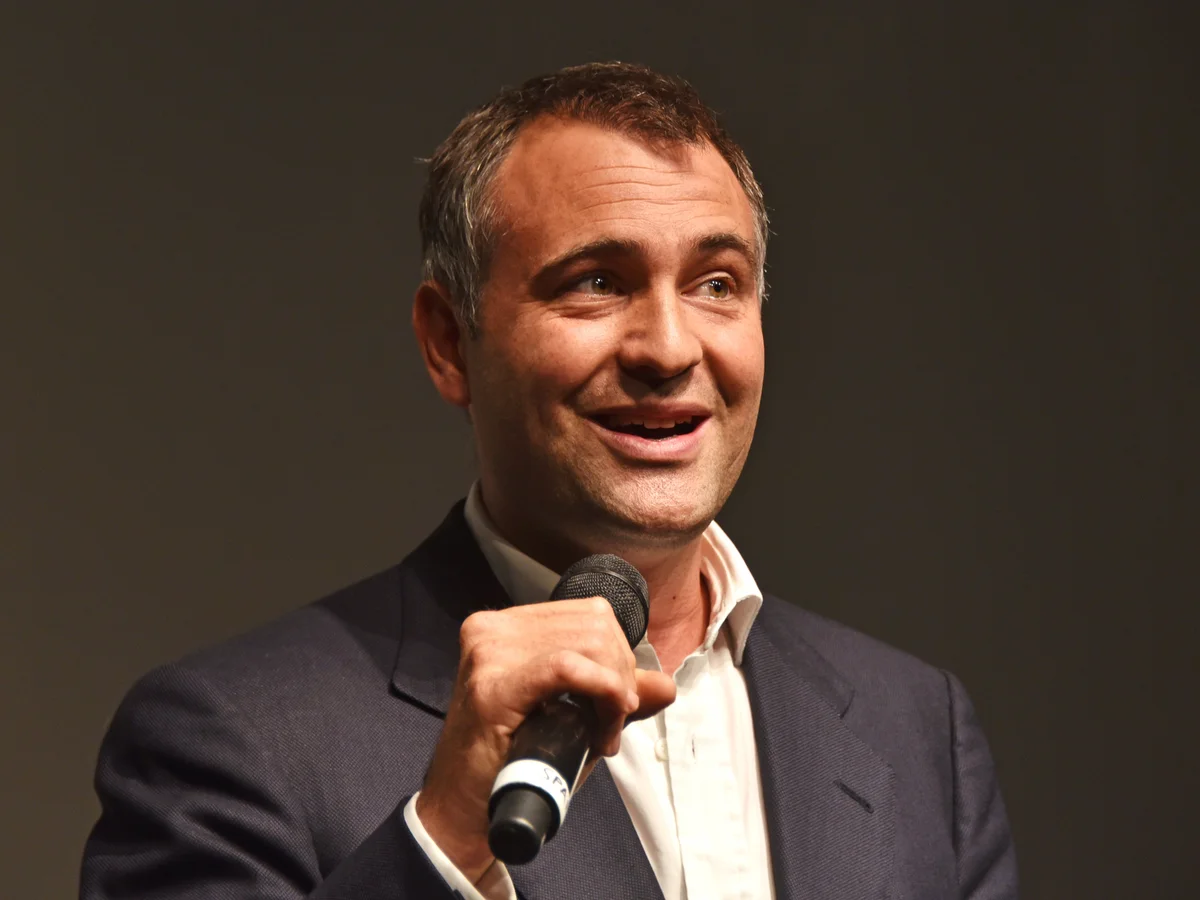
Reform UK has enlisted a close ally of Boris Johnson to shape its nature policies, as the party seeks to appeal to environmentally concerned voters. Ben Goldsmith, the well-known Conservative environmentalist and wildlife campaigner, has been approached to advise on policy areas including green belt preservation and sustainable fishing practices. Reform’s leadership, led by Nigel Farage and his policy adviser James Orr, hopes that integrating nature-focused policies will broaden the party’s appeal, particularly among Conservative voters wary of Farage’s previous climate positions.
Goldsmith, who has campaigned for the reintroduction of beavers and preservation of endangered species worldwide, will remain independent and not formally join Reform UK. His input is expected to shape the party’s stance on nature protection, reflecting both public concern and polling data showing that nature is a key issue for over 80% of potential Reform voters. The party’s efforts coincide with ongoing criticism of Labour’s environmental record, particularly its unwillingness to restrict bottom trawling in UK waters due to EU trading considerations.

Reform UK has steadily gained traction among right-leaning voters over the past 18 months, with polls suggesting the party is competitive with the Conservatives. Yet, opposition to net zero and perceived indifference to climate issues has alienated environmentally conscious voters. Goldsmith’s guidance on nature policy is seen as a strategic move to address this gap, potentially winning support from Conservative voters concerned about biodiversity and countryside protection.
Polling presented to senior Reform figures reportedly highlights that environmental issues resonate strongly with voters. Luke Tryl, UK director of More in Common, explained that both climate-sceptic Reform supporters and pro-climate Conservatives prioritise nature. Tryl noted that a majority of Reform and Conservative voters are more likely to back a party actively protecting nature, making this policy area a decisive factor in the upcoming election. Reform sources have indicated that the party is closely considering these insights to refine its platform.
Farage has cultivated relationships with Tory elites in London’s exclusive Mayfair club, 5 Hertford Street, which is owned by Robin Birley, half-brother of Ben and Zac Goldsmith. While Ben and Zac have not joined Reform, Ben’s impartial advisory role allows him to influence nature policy without political affiliation. This strategy reflects Reform’s broader attempt to attract environmentally minded Conservatives who might otherwise avoid Farage due to his climate scepticism.
Several issues are expected to dominate Reform’s nature agenda. Bottom trawling, a controversial fishing method that damages seabeds, remains largely unregulated due to Labour’s reluctance to enforce bans against EU fishermen. Advocates including David Attenborough have campaigned against this practice, which discards much of the catch and harms marine biodiversity. Reform’s policies are expected to propose stricter regulation of bottom trawling, appealing to voters concerned about sustainable fishing practices.
The green belt is another likely focal point. Labour’s planning deregulation, aimed at expanding housing, has prompted concerns about the impact on protected land. Reform leaders including Richard Tice have consistently argued for the preservation of the countryside, contrasting their position with Labour’s development policies. While Reform has opposed certain renewable energy projects like solar and onshore wind, claiming they affect natural landscapes, the party’s emerging nature policy will emphasise protection of habitats and wildlife across both urban and rural areas.
Goldsmith’s advisory role reflects the growing recognition that nature is a unifying concern across the right. He has long championed rewilding projects in the UK, including the restoration of river ecosystems and the reintroduction of native species. By advising Reform UK, he brings credibility and environmental expertise to a party whose previous climate positions have limited appeal among eco-conscious voters. Party insiders view this collaboration as a way to demonstrate genuine commitment to biodiversity without alienating core supporters.
Labour’s perceived inability to address certain nature issues effectively, combined with Reform UK’s targeted approach, is expected to shape political debate leading up to the next election. Reform figures argue that focusing on nature could help differentiate the party from both traditional Conservatives and Labour, especially among voters prioritising the protection of landscapes and wildlife. Sources suggest that Goldsmith’s contributions could result in concrete policy proposals that appeal across party lines, reflecting the wider public concern for environmental sustainability.
Reform’s broader environmental strategy is designed to balance voter concerns while avoiding full endorsement of net zero policies, which remain controversial among its base. Tice and other senior Reform figures have questioned the impact of human activity on climate change and expressed scepticism about fossil fuel regulations. Nevertheless, advisors like Goldsmith are likely to steer the party towards policies that promote biodiversity and protect ecosystems, demonstrating that nature protection can be pursued independently of broader climate commitments.

The party’s emerging nature agenda is seen as a critical factor for its next electoral strategy. Polling indicates that environmental issues influence both Reform and Conservative voter behaviour, with a significant number willing to shift allegiance to parties demonstrating genuine ecological concern. By incorporating expert advice from figures like Goldsmith, Reform UK hopes to present a credible, actionable plan for nature protection, potentially capturing the support of undecided or environmentally aware Conservative voters.
Farage’s approach demonstrates the party’s recognition that voter priorities are evolving. Nature conservation, habitat restoration, and sustainable land use are increasingly decisive in shaping political loyalty. While Reform continues to challenge Labour on housing and energy policies, its collaboration with environmental experts underscores a strategic pivot that aims to resonate across the right, appealing to both traditional supporters and those motivated by ecological concerns.
Ultimately, the partnership with Goldsmith could redefine Reform UK’s profile, signalling a commitment to nature that extends beyond party ideology. By addressing issues such as bottom trawling, green belt protection, and wildlife conservation, Reform positions itself as a party responsive to voter priorities, capable of blending political pragmatism with environmental stewardship. As the party prepares its platform for the next election, the emphasis on nature may prove decisive in attracting environmentally minded voters previously hesitant to support Farage.
Related News:
 BP’s Influence Sparks Controversy in UK STEM Education
 Water firms may avoid fines under UK water reform plan
 No Gas Boiler Ban as UK Warm Homes Plan Backs Heat Pumps
 Green Party Surges Past Labour in Latest UK Poll
 Celebrities and Charities Demand UK Government Act on Child Poverty
 Army Officers Orders to Cut Ties with Men-Only Clubs
 Trump’s UK Ambassador Urges North Sea Drilling to Strengthen US Ties
 FBI Director Kash Patel Defends Girlfriend Amid Government Jet Claims
 French Taxi Driver Cleared in David Lammy Theft Case After Fare Dispute
 Labour immigration crackdown could cost UK £4.4bn
BBC to Apologise Over Edited Trump Speech Amid Backlash
Labour immigration crackdown could cost UK £4.4bn
BBC to Apologise Over Edited Trump Speech Amid Backlash
 Britain deploys RAF specialists to assist Belgium with drone threats
 ‘Reckless’ cuts to victims’ services will cost more than they save
 Millionaires group urge Reeves to introduce wealth tax to ‘lift kids out of poverty’
 Starmer Faces Growing Dissent as Labour MPs Weigh Leadership Challenge
 Reeves rejects £1bn plea for NHS redundancy payouts
 Politics latest: Starmer ‘will fight any leadership coup’ as Streeting denies attempt to oust Labour PM
 PM Condemns Leaks, Vows Loyalty to Ministers and Stability
 Major Rent Reform Ends No-Fault Evictions in England
 Peers Flood Assisted Dying Bill with 942 Amendments
 England’s Special Needs Support Faces Breaking Point
 Senator John Fetterman Hospitalized After Fall from Heart Flare-Up, Keeps Sense of Humor
 US Justice Department Files Lawsuit Against California Over Partisan Voting Maps
 MoD warned over Excel risks before Afghan data breach
 Greene Pushes Epstein Files Amid Trump Fallout
 Trump Deploys DHS to Charlotte in Major Arrest Operation
 December Run-Off in Chile as Election Produces No Winner
 Canada Passes Carney’s First Budget in Tight Parliamentary Vote
 Shadow Fleet at Sea: Europe’s Battle Against Illicit Oil Shipping
 Pentagon Officials in Ukraine to Discuss War End
 Venezuela Threatens Nobel Winner Machado with Fugitive Status
 Most Tories Expect to Support a Farage-Led Government
 Labour MP claims devolution bill is ‘blatant discrimination’ against Cornwall
 Millions Face Higher Taxes Under Reeves New Budget
 Georgians Defy Government Crackdown After Year of Protests
 US National Guard Member Killed in DC Shooting
 ICC to Rule on Duterte’s Provisional Release
 Jordan Bardella: France’s Young Presidential Contender
 Starmer Says Labour’s Economic Plan Needs Years to Deliver
 ‘Extinct’ Antelope Returns to Sahara, Bringing Hope
 EU plans $105bn Ukraine aid using frozen Russian assets
 Global campaign launched to free Palestinian leader Barghouti
 Culture secretary to review Telegraph takeover by Daily Mail owner
 Khaleda Zia Death in Bangladesh: First Female PM Dies at 80
 Russia losses Ukraine war peace talks intensify amid rising deaths
 Zelenskyy Accuses Russia of Sabotaging Peace Talks
 Eden Project Founder Celebrates 25 Years of Nature’s Hope
 Albanese Opens Door to Bondi Royal Commission Amid Rising Pressure
 Trump Escalates Minnesota Immigration Surge Amid Rising Tensions
 Iran Protesters Defy Crackdown as Violent Clashes Intensify
 Homeland security agents deployed amid Minneapolis protests
 Storm Goretti leaves Cornwall homes without power
 Plans to Limit Jury Trials Face Retreat After Mounting Opposition
 Hanson and Joyce Use Rinehart Jet to Tour Flooded Queensland
 Trump Threatens Strong Action If Iran Executes Protesters
 US Senate rejects resolution limiting Trump military powers
 Quebec Premier François Legault Resigns in Surprise Move
 Machado Trump medal gesture reshapes Venezuela power struggle
 Right Must Unite After Jenrick Defection, Urges Rees-Mogg
 EU weighs response amid Greenland tariff crisis with Trump
 ICE street raids expose a chilling future for public freedoms
 UK Ministers Drop Foreign Student Targets for Global Education Push
 MPs warn AI financial risks threaten UK stability
 MPs warn AI financial risks threaten UK stability
 Hugh Grant Joins Call for Under-16 Social Media Ban in UK
 Shinzo Abe’s killer receives life sentence in Japan
 Lords Vote Piles Pressure on Starmer Over Social Media Ban
 Sussan Ley leadership milestone shakes Liberal future
 EU Says US Ties Have Suffered ‘Big Blow’ After Greenland Crisis
 Andrew Hastie Emerges as Leadership Rival to Ley
 Satire Can Skewer Trump, But It Won’t Save Democracy
 Reform UK Health Plan ‘Would Cost £1.7bn’, Streeting Says
 Police response times face strict new national limits
 Labour policing overhaul sparks fears over growing central control
 Tories criticised after Braverman defection sparks mental health row
 Devon hosts first high-density hydro power system
 US-Style Pickup Trucks Surge on UK Roads
 Starmer warns of toxic division politics in Reform challenge
 Starmer China visit raises human rights pressure on Beijing
 Keir Starmer Signals UK China Reset With Xi Visit Possibility