Published: 05 February 2026. The English Chronicle Desk. The English Chronicle Online.
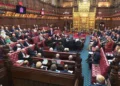
The Mandelson files controversy has entered a critical new phase after a senior parliamentary figure promised openness despite political risk. A cross-party intelligence committee is now examining sensitive background material connected to Peter Mandelson’s appointment as the United Kingdom’s ambassador to the United States. The process has triggered heated debate across Westminster and raised fresh questions about transparency, vetting standards, and political accountability at the highest levels of government.
The Intelligence and Security Committee chair, Lord Beamish, confirmed that the panel will not avoid releasing uncomfortable material if national security is not threatened. His remarks followed growing pressure from Members of Parliament who want independent oversight of documents linked to the appointment decision. The Mandelson files are expected to include internal assessments, security vetting notes, and communication records reviewed before the diplomatic posting was approved in December 2024.
Speaking during a national radio interview, Lord Beamish stressed that public trust depends on credible disclosure. He explained that the committee’s legal duty is to protect intelligence capabilities and operational security, not political reputations. According to his comments, embarrassment to government is not a valid reason to withhold publication if national safety remains protected. That distinction now sits at the centre of a widening constitutional argument.

The committee has statutory authority to oversee intelligence agencies and examine classified material when necessary. Its members hold security clearance and operate with cross-party representation to reduce political bias. In previous investigations, the committee has released findings that created political discomfort while still safeguarding sensitive methods. Lord Beamish indicated that the same principle would guide decisions involving the Mandelson files review now underway.
Downing Street initially tried to control the disclosure process through a government-managed filter system. Proposed amendments would have allowed certain records to remain hidden if they risked harming international relationships. That move quickly faced criticism from opposition parties and several Labour MPs who argued that independent scrutiny was essential. They warned that allowing political offices to decide disclosure would weaken confidence in the outcome.
Following strong backlash, government whips introduced revised language transferring judgment authority toward the intelligence committee instead. The amended approach passed after intense debate and late procedural changes in Parliament. Officials later confirmed that document release would proceed as soon as legally and operationally possible. Police guidance remains a complicating factor because of an active criminal investigation connected to related allegations.
The Metropolitan Police advised that specific records could interfere with ongoing investigative steps if published prematurely. Authorities are examining claims that confidential government material may have been shared improperly in past correspondence. That inquiry does not itself determine guilt but limits what can safely enter the public domain today. As a result, the Mandelson files disclosure may occur in stages rather than through a single release.
Political tensions increased after reports revisited Mandelson’s past association with convicted sex offender Jeffrey Epstein. Newly surfaced correspondence suggested Mandelson once offered assistance regarding a Russian visa request for Epstein. Reporting indicated the trip never occurred because the visa could not be secured in time. There is no verified evidence that Mandelson knew any alleged criminal intention behind that proposed travel.
Even so, critics argue that any continued association after Epstein’s conviction should have triggered deeper vetting questions. That concern now forms a central thread in demands to inspect the Mandelson files thoroughly. Lawmakers from multiple parties say ambassadorial appointments require the strictest reputational and security screening standards. They believe the public deserves clarity on what officials knew and when they knew it.
The prime minister has faced internal frustration over how the matter was communicated to Parliament and the public. Some Labour MPs say the handling created avoidable suspicion and damaged confidence in leadership judgment. Others defend the prime minister’s integrity while acknowledging that the response lacked early clarity and speed. The disagreement reflects a broader strain between party unity and accountability expectations.
Cabinet ministers have attempted to separate government leadership from Mandelson’s personal conduct and past statements. The housing secretary said responsibility lies with Mandelson if disclosures show misleading assurances were given during vetting. He insisted that senior government figures relied on information presented at the time of appointment decisions. According to his remarks, deception by an appointee cannot automatically implicate every reviewing official.
Several backbench MPs remain unconvinced and continue to demand fuller explanation from central government offices. They argue that high-level appointments require verification beyond personal assurances and character references alone. Some have described the episode as a test of the government’s transparency promises made during earlier reform pledges. Trust, they say, depends on verifiable process rather than private confidence.
Lord Beamish has tried to cool the political temperature by focusing on procedure instead of personalities. He repeated that the committee will examine classified and non-classified records with the same evidential standards. Where national security risks appear, redactions will apply, but political sensitivity will not justify secrecy. That approach places the Mandelson files assessment within a rules-based disclosure framework.
Constitutional experts note that this dispute highlights the delicate balance between secrecy and democratic oversight. Intelligence-linked vetting often includes allied government input and confidential source material. Releasing too much detail can damage cooperation channels or expose assessment techniques used by security services. Releasing too little can create suspicion that officials are protecting themselves rather than the public interest.

Public reaction has been shaped by social media discussion and rolling broadcast coverage across the United Kingdom. Online debate shows sharp division between those demanding immediate full publication and those urging caution. Many observers say confidence will depend on whether the committee communicates its reasoning clearly. Transparent explanation may matter as much as the documents themselves.
The coming weeks are likely to determine how far disclosure will extend and how much detail becomes public. Committee staff are already reviewing document categories, source origins, and potential operational sensitivities line by line. That technical process often takes longer than political timetables prefer but reduces accidental exposure risk. The Mandelson files outcome could set a precedent for future ambassadorial vetting disputes.
For now, the central promise from the oversight committee is firm and carefully worded. National security will remain protected, but political embarrassment alone will not block justified publication. That assurance has shifted expectations across Westminster and placed scrutiny on every step ahead. Whether trust increases or declines will depend on what the documents ultimately reveal.
Related News:
 British Woman in Iran ‘Losing Hope’ Amid Ongoing Detention
 BBC Journalist Held and Interrogated in Vietnam
 Green Party Surges Past Labour in Latest UK Poll
 Celebrities and Charities Demand UK Government Act on Child Poverty
 Trump’s UK Ambassador Urges North Sea Drilling to Strengthen US Ties
 FBI Director Kash Patel Defends Girlfriend Amid Government Jet Claims
 French Taxi Driver Cleared in David Lammy Theft Case After Fare Dispute
 Rachel Reeves Set to Break Labour Pledge and Raise Income Tax
 MPs Press Rachel Reeves to Hike Gambling Taxes
 Boris Johnson accused of undermining BBC leadership
 ‘Reckless’ cuts to victims’ services will cost more than they save
 Millionaires group urge Reeves to introduce wealth tax to ‘lift kids out of poverty’
 Starmer Faces Growing Dissent as Labour MPs Weigh Leadership Challenge
 BBC Faces Backlash as Reform UK Withdraws from Film
 Reeves rejects £1bn plea for NHS redundancy payouts
 Farage appointee to lead Reform youth accused of anti-British views
 Palace to reinstate hyphen in Andrew’s surname
 Politics latest: Starmer ‘will fight any leadership coup’ as Streeting denies attempt to oust Labour PM
 PM Condemns Leaks, Vows Loyalty to Ministers and Stability
 Major Rent Reform Ends No-Fault Evictions in England
 Peers Flood Assisted Dying Bill with 942 Amendments
 England’s Special Needs Support Faces Breaking Point
 MoD warned over Excel risks before Afghan data breach
 UK Unveils Fast-Track Deportation and Asylum Overhaul
 UK Asylum Overhaul Sparks Debate Over Human Rights and Deportations
 UK Asylum Reforms: Temporary Refugee Status and Faster Deportations
 UK Candidate Moved to Safe House After Election Threats
 Mahmood Defends Tough Overhaul of UK Asylum System
 UK Warns China After MI5 Issues Espionage Alert
 Westminster Advances Legacy Bill Amid Criticism
 UK Vulnerable to Attack, Defence Committee Finds
 Labour Faces Historic Decline in Wales
 Rama Rebukes Mahmood for Targeting Albanian Families
 Russian Vessel Used Lasers on RAF Pilots, UK Claims
 PM Highlights UK Business at G20 in South Africa
 Kate Forbes: Motherhood Harder Than Politics
 Welsh Government Christmas 2020 Lockdown Criticised
Reeves to Crack Down on Benefit Fraud While Lifting Two-Child Limit
Welsh Government Christmas 2020 Lockdown Criticised
Reeves to Crack Down on Benefit Fraud While Lifting Two-Child Limit
 Most Tories Expect to Support a Farage-Led Government
 Labour MP claims devolution bill is ‘blatant discrimination’ against Cornwall
 Millions Face Higher Taxes Under Reeves New Budget
 Peers Get Extra Time to Debate Assisted Dying Bill
 Planned Palestinian Flag Raising at Belfast City Hall Faces Delay Amid Legal Concerns
 Government righting decades-old injustice for miners
 Starmer Says Labour’s Economic Plan Needs Years to Deliver
 UK delays ruling on China embassy plan until January
 Culture secretary to review Telegraph takeover by Daily Mail owner
 Andy Burnham Apologises for Past LGBTQ+ Police Discrimination
 Reeves Slams Farage Over Two-Child Benefit Cap Opposition
 Mandelson Refuses Apology Over Epstein Ties
 Plans to Limit Jury Trials Face Retreat After Mounting Opposition
 Jenrick Reform defection deepens Tory civil war
 China Dependence Threatens UK Energy Supply Chains and Jobs
 Right Must Unite After Jenrick Defection, Urges Rees-Mogg
 Romford MP Andrew Rosindell defects to Reform UK
 UK Ministers Drop Foreign Student Targets for Global Education Push
 MPs warn AI financial risks threaten UK stability
 MPs warn AI financial risks threaten UK stability
 No Gas Boiler Ban as UK Warm Homes Plan Backs Heat Pumps
 Hugh Grant Joins Call for Under-16 Social Media Ban in UK
 Shinzo Abe’s killer receives life sentence in Japan
 US Africa aid remarks spark anger after leaked State email
 Lords Vote Piles Pressure on Starmer Over Social Media Ban
 Judge-only trials plan fails to ease court backlog
 Planned Troubles Board Game Sparks Outrage in Northern Ireland
 Reform UK Health Plan ‘Would Cost £1.7bn’, Streeting Says
 Police response times face strict new national limits
 Labour policing overhaul sparks fears over growing central control
 Tories criticised after Braverman defection sparks mental health row
 Burnham Westminster return hopes fade amid Labour rift
 Starmer warns of toxic division politics in Reform challenge
 Starmer China visit raises human rights pressure on Beijing
 Labour Must Revive High Streets to Avoid Election Collapse
 Conservative Party Rejects Centrism Under Badenoch’s Leadership
 Calls Grow for King Charles to Apologise for Crown’s Role in Slavery
 Labour Attacks Reform Candidate Over Tommy Robinson Backing
 Starmer Signals UK Return to EU Defence Pact Talks
 Cory Bernardi joins One Nation for SA election
 Starmer crisis deepens as Labour MPs turn on PM
 DWP Faces Heat Over Carer Allowance Failures