Published: 09 February 2026. The English Chronicle Desk. The English Chronicle Online.
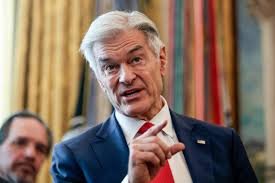
The United States is facing renewed measles outbreaks as health officials urge citizens to take precautions. Measles cases have surged across multiple states, prompting senior US public health officials to call for immediate vaccination campaigns. Dr Mehmet Oz, a prominent cardiothoracic surgeon and administrator of the Centers for Medicare & Medicaid Services, emphasized on Sunday that vaccination is the most effective way to prevent the disease. “Take the vaccine, please,” Oz said during an interview, stressing that the country has a solution to contain the growing public health threat.
Recent outbreaks in South Carolina have exceeded earlier 2025 cases in Texas, with hundreds of infections now confirmed. Additional clusters have emerged along the Utah-Arizona border, while sporadic cases have been reported in other states. Children remain the most vulnerable, often accounting for the majority of hospital admissions during these outbreaks. Public health experts warn that declining vaccination rates, fueled by misinformation and vaccine skepticism, may undermine previous efforts to eliminate measles in the country.

Oz clarified that not all illnesses require identical preventive measures, but measles is particularly dangerous for unvaccinated individuals. He highlighted the urgency of protecting susceptible populations and noted that outbreaks like the current one could jeopardize the nation’s measles elimination status. “Measles is a disease you should not take lightly,” he told CNN’s State of the Union, reiterating that vaccines remain the safest approach for prevention.
His public appeal contrasts with the position of Health Secretary Robert F. Kennedy Jr., who has frequently questioned vaccine safety and the necessity of mandatory immunizations. Kennedy has previously promoted unverified treatments and positioned vaccination as a matter of personal choice. Critics argue that this stance has contributed to rising vaccine hesitancy, which may explain why outbreaks are appearing across states that had previously reported zero cases for years.
In January alone, the United States reported 25% of last year’s total measles cases, signaling a rapid escalation. Despite this, federal authorities have largely refrained from launching nationwide campaigns, leaving Dr Oz’s statements as the first high-profile endorsement of vaccination in the current crisis. Public health specialists fear that without coordinated national messaging, misinformation could continue to fuel vaccine avoidance, especially among young families.
The reemergence of measles reflects a broader trend of declining trust in public health interventions. Sociologists and epidemiologists note that online misinformation and politicization of vaccines have created a challenging environment for disease prevention. Many parents now question the timing, safety, or necessity of childhood vaccines, despite overwhelming scientific evidence supporting their efficacy.
Oz’s call to action comes amid his broader public health advocacy, including efforts to redesign nutrition programs and promote preventive care in communities nationwide. While he has previously expressed skepticism about flu vaccine effectiveness, he now firmly encourages Americans to follow evidence-based measles vaccination recommendations. “Vaccination is not just about individual protection,” he explained, “it safeguards communities and prevents outbreaks that strain hospitals and resources.”
Healthcare systems are already reporting pressure as cases increase. Pediatric wards in affected states have experienced overcrowding, and medical staff emphasize that measles complications can include pneumonia, encephalitis, and long-term neurological effects, particularly in young children and immunocompromised individuals. Federal and state officials stress that immediate vaccination is critical to preventing further escalation and protecting public health.
Meanwhile, epidemiologists warn that seasonal travel and crowded public spaces could accelerate the spread if vaccination rates remain low. The current outbreak serves as a reminder that infectious diseases considered eliminated can reappear when preventive measures are insufficiently applied. Oz’s public endorsement aims to counterbalance conflicting messages and restore trust in proven medical interventions.
Public health communication experts emphasize that effective messaging must balance urgency with reassurance, explaining why vaccines are safe, effective, and essential for disease prevention. Dr Oz’s remarks are designed to reach both hesitant adults and parents, encouraging timely action before outbreaks worsen. Experts stress that community immunity depends on achieving high vaccination coverage, especially in areas with historical hesitancy.
The resurgence of measles has prompted some state governments to consider temporary vaccination mandates, particularly in schools and childcare facilities. Legal and ethical debates continue over balancing individual choice with public safety. Nevertheless, health officials agree that vaccination remains the most reliable and immediate strategy for controlling the outbreak.

As the crisis evolves, public health authorities hope that clear, science-based guidance will encourage widespread immunization. Dr Oz’s appeal underscores that measles is highly contagious, potentially severe, and preventable through existing vaccines. Families are urged to consult medical professionals and ensure children receive the recommended doses promptly. Experts warn that failure to act could reverse decades of progress in disease elimination.
Ultimately, the situation reflects broader societal challenges in maintaining public trust in health interventions. Health officials continue monitoring cases, emphasizing that early vaccination is crucial for community protection. Dr Oz’s statement reinforces that measles prevention is a collective responsibility, and timely action can save lives. The current outbreaks are a stark reminder that complacency carries real risks, and vaccination is the most effective tool available.
The message is clear: protecting children and communities requires embracing scientifically proven measures, even amid political and social controversies. As states grapple with rising cases, public health leaders are advocating swift vaccination campaigns, aiming to prevent further escalation. Measles remains a serious threat, but experts affirm that coordinated action and community participation can quickly curb its spread.
Related News:
 Hospice Cuts Raise Alarm Across England Amid Funding Crisis
 Celebrities and Charities Demand UK Government Act on Child Poverty
 Experts Warn on Home Birth Risks, Call for Skilled Midwives
 Patients to Test Health at Home to Ease NHS Winter Pressure
 London’s Childlessness Crisis: Schools Closing as Families Shrink
 Seven Conditions That Automatically Qualify You for a Free Bus Pass
 Shouting Works Best to Deter Gulls, UK Study Finds
 Reeves rejects £1bn plea for NHS redundancy payouts
 Leading doctors issue warning amid ‘bad’ flu season
 Working-Class Men with Prostate Cancer Left Behind by NHS
 Senator John Fetterman Hospitalized After Fall from Heart Flare-Up, Keeps Sense of Humor
 New AI tool could cut wasted efforts in organ transplants
 From Baby Teeth to Bioengineering: The Future of Self-Healing Teeth
 Stroke Patient Mistaken for Drunk, Care Delayed
 107-Year-Old Veteran Credits Whiskey for Longevity
 ‘Traumatic Wait’: Northern Ireland Women Face Breast Cancer Delays
 Healthy Habits in Your 30s That Boost Life in Your 70s
 Woman Meets Boy Whose Life She Saved with Kidney
 Scottish Families Take Legal Action Over School CO Leak
 Welsh Government Christmas 2020 Lockdown Criticised
 Coffins Now Too Large to Cremate Amid Rising Obesity Crisis
 NHS paediatric leave parents waiting months for answers
 Vicki Fears Losing Motability Car
 Two National Guard Soldiers Critically Injured Near White House
 Delhi’s Toxic Air Crisis Leaves Children Sick and Vulnerable
 US National Guard Member Killed in DC Shooting
 Five-Year-Old Dies After Rare Tonsil Surgery Complication
 Fibromyalgia Patients Struggle as NHS Fails to Provide Care
 More Patients Now Contacting GPs Online, Data Shows
 Breast Density Awareness May Cause Unnecessary Anxiety, Study Finds
 Kenya Signs $2.5bn Health Deal with US Amid Data Concerns
 People in England’s Poorest Areas Face Higher Lung Health Emergencies
 American Mother Extradited From UK to U.S. on Murder Charges
 Russia losses Ukraine war peace talks intensify amid rising deaths
 Damien Martyn in Induced Coma After Meningitis Diagnosis
 Minor A&E Visits Surge Across England as Hospitals Face Pressure
 Children to Receive Home Vaccines as England Acts
 Ethnic Minorities Face Gaps in Diabetes Tech Access
 Childhood Hypertension Sparks Urgent UK Testing Calls
 US Cities Erupt in Protests Against Trump’s Venezuela Military Action
 Salt Intake England: Crisps Comparison Sparks Health Alarm
 Trump Escalates Minnesota Immigration Surge Amid Rising Tensions
 Capitol Attack Anniversary Sparks Deep Political Divide
 Offenders to Receive Health Support During Probation Appointments
 Portland Shooting: Federal Agents Open Fire Near Hospital
 NHS Violence Crisis: Staff Face Daily Assaults
 Trump Says US Must ‘Own’ Greenland to Block Russia, China
 Celebrity Campaign Highlights SMA Screening Failures
 Google Removes Some AI Health Summaries Over Safety Concerns
 Homeland security agents deployed amid Minneapolis protests
 Minneapolis mayor demands state access to Renee Good probe
 German Supermarket Aldi to Open 180 US Stores This Year
 Minnesota Sues Trump Administration Over ICE Surge
 Trump targets Iran trade with 25% tariff warning
 US Clears Nvidia AI Chip Sales to China in Policy Shift
 Trump Threatens Strong Action If Iran Executes Protesters
 Portland man pleads not guilty after Border Patrol shooting
 Trump Receives Machado’s Nobel Medal in White House Meeting
 UK Glaucoma Rise Signals Looming Eye Health Crisis by 2060
 Trump Aide Sparks Fury as Greenland Dispute Intensifies
 UK ADHD medication use triples over 13 years, landmark study finds
 EU Says US Ties Have Suffered ‘Big Blow’ After Greenland Crisis
 Reform UK Health Plan ‘Would Cost £1.7bn’, Streeting Says
 ‘A long time coming’: US table tennis finds its moment
 ‘Unfathomable’: Australian veterans rebuke Trump claims
 NHS boosts bowel screening accuracy with FIT reform
 Minneapolis pushes back against ICE’s federal crackdown
 UK loses measles-free status amid deaths and jab decline
 Nottingham survivor warns of repeat attacks without mental health reform
 Border Patrol Commander Leaves Minneapolis After Fatal Shooting
 UK vets face reforms to tackle high pet care costs
 Arizona border shooting leaves suspect hospitalised after agent pursuit
 Videos reveal earlier clash before Alex Pretti shooting
 AI breast screening cuts later cancer diagnoses by 12%, study finds
 Study Finds One in Seven England Takeaways Are Dark Kitchens
 Deadly Cancer Postcode Lottery Limits NHS Care
 James Valentine Retires from ABC After Cancer Battle
 Pneumonia Surge Pushes England Emergency Cases Higher
 Trump Praises ‘Terrific’ Petro After White House Talks
 Most Statin Side-Effects Are Not Caused by Drugs, Study Confirms