Desk: World / Asia-Pacific Affairs
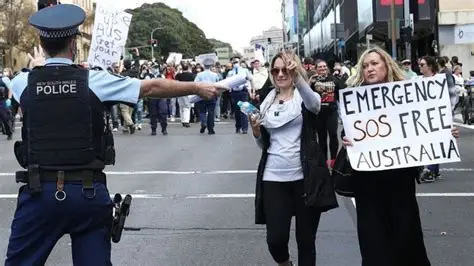
Australian police have defended their handling of violent clashes that erupted during a protest against the visit of Israel’s president, amid mounting scrutiny from civil liberties groups, politicians and sections of the public. The unrest, which unfolded in central Melbourne, has reignited debate over policing tactics, freedom of assembly and the deepening polarisation surrounding the Israel–Palestine conflict in Australia.
Demonstrators had gathered to oppose the official visit, accusing Israel of human rights abuses and calling for stronger international pressure. What began as a largely peaceful rally escalated into disorder when scuffles broke out between protesters and police lines, leading to multiple arrests and several injuries.
Victoria Police have insisted their officers acted proportionately and lawfully, arguing they were forced to intervene to prevent serious harm and restore public order. Critics, however, claim excessive force was used and that the response risks chilling legitimate protest in a democratic society.

The Israeli president’s visit was billed as a diplomatic engagement aimed at strengthening bilateral ties, including cooperation on technology, defence and trade. But the timing proved contentious, coming amid continued international criticism of Israel’s military actions in Gaza and the West Bank.
Protest organisers said the demonstration was intended to be a visible but peaceful expression of opposition. Thousands attended, waving Palestinian flags and holding placards accusing Western governments of complicity.
Tensions began to rise when police attempted to enforce exclusion zones around venues linked to the visit. According to witnesses, arguments quickly escalated, with protesters accusing officers of pushing crowds back aggressively.
Within minutes, isolated confrontations spread. Objects were thrown, mounted police moved in, and officers deployed capsicum spray. By the end of the evening, more than 20 people had been arrested and at least a dozen treated for injuries.
Footage circulating online shows chaotic scenes: protesters being wrestled to the ground, police advancing in formation, and mounted units charging into crowds. The images have prompted fierce debate, with human rights lawyers calling for an independent investigation.
Victoria Police defended their conduct in a detailed statement, saying officers were confronted with “volatile and dangerous behaviour”.
“Our priority was the safety of the community, protesters, and officers,” a police spokesperson said. “When individuals became violent and refused lawful directions, police were required to act.”
Senior officers stressed that the vast majority of demonstrators were peaceful and that arrests targeted a small number accused of assaulting police or damaging property.
Australia’s political response has been sharply divided. Government ministers broadly backed police, emphasising the importance of maintaining public order during high-profile international visits.
The Home Affairs Minister said police were placed in an “extremely difficult position”.
“Peaceful protest is a cornerstone of democracy, but violence is not,” the minister said. “Police must be able to act when lines are crossed.”
Opposition figures and several crossbench MPs struck a different tone, warning that heavy-handed policing risks undermining civil liberties.
A Greens senator described the scenes as “deeply troubling”.
“Australians have the right to protest without fear of batons and horses,” she said. “We need answers about whether this response was necessary.”
Legal advocacy groups have expressed alarm at what they describe as a pattern of increasingly forceful crowd control tactics at protests linked to international conflicts.
The Human Rights Law Centre said the incident raised serious questions about proportionality.
“We are seeing more aggressive policing of political protest, particularly where issues are politically sensitive,” a spokesperson said. “That should concern everyone, regardless of their views on the Middle East.”
Several lawyers confirmed they are assisting arrested protesters, some of whom allege they were targeted despite not engaging in violence.
Police officials argue their actions were informed by intelligence suggesting a heightened risk of disorder, including the possibility of counter-protests and attempts to breach secure areas.
According to police sources, officers issued repeated warnings before intervening, including directions to disperse from restricted zones.
They also rejected claims of indiscriminate force, stating that mounted units were deployed only after officers were surrounded and attacked.
The clashes reflect broader tensions within Australian society over the Israel–Palestine conflict. Protests and counter-protests have become increasingly frequent and emotionally charged, testing authorities’ ability to balance security with democratic freedoms.
Jewish community leaders condemned violence at the demonstration and expressed concern for the safety of visiting dignitaries.
Palestinian advocacy groups countered that protesters feel unheard and marginalised.
“People are angry because they believe diplomatic visits ignore immense suffering,” one organiser said. “Silencing protest will not bring calm.”
The Melbourne incident is not isolated. Similar controversies have emerged in Sydney, Brisbane and Perth over policing of climate, Indigenous and pro-Palestinian protests.
Analysts say police forces nationwide face growing pressure as protests become more frequent, larger and more polarised.
Dr Helen Cartwright, a policing expert at Monash University, said officers are often caught between political expectations and public scrutiny.
“Police are being asked to manage highly emotional conflicts in public spaces,” she said. “Every decision is now judged instantly on social media.”
In the wake of the violence, several MPs and advocacy groups have renewed calls for clearer national guidelines on protest policing.
Some are pushing for body-worn camera footage to be released, while others want parliamentary hearings into crowd-control tactics.
Victoria Police have confirmed an internal review will take place but stopped short of announcing an independent inquiry.

As investigations proceed, the episode is likely to shape future protest policing in Australia. For now, the focus remains on whether authorities can restore public confidence while maintaining order during politically sensitive events.
The Israeli president’s visit concluded under heavy security, with subsequent engagements proceeding without further incident. But the images of confrontation continue to reverberate, fuelling debate over whose safety the state prioritises — and at what cost.
In a country that prides itself on democratic freedoms, the balance between protest and policing remains under intense strain.
Related News:
 Sydney Shark Attack Surge Shocks Australia Beaches
 Andrew Hastie Emerges as Leadership Rival to Ley
 Christchurch Shooter Seeks to Overturn Guilty Plea in Appeals Court
 British Woman in Iran ‘Losing Hope’ Amid Ongoing Detention
 Top Christmas Books Reads: Classics to Cozy Romcoms
 Just Stop Oil Protesters Convicted Amid Climate Defence Row
 BBC to Apologise Over Edited Trump Speech Amid Backlash
 Britain deploys RAF specialists to assist Belgium with drone threats
 Palace May Restore Hyphen to Andrew Mountbatten-Windsor’s Name
 US Senate Passes Funding Bill to End Historic Shutdown
 Suicide Bombing at Islamabad Court Kills 12, Injures Dozens
 Hitler’s DNA Confirms He Truly Had Only One Testicle
 US Justice Department Files Lawsuit Against California Over Partisan Voting Maps
 Greene Pushes Epstein Files Amid Trump Fallout
 Trump Deploys DHS to Charlotte in Major Arrest Operation
 December Run-Off in Chile as Election Produces No Winner
 Zelenskyy Signs Fighter Jet Deal Amid Russian Drone Attacks
 Orban Says Ukraine Has ‘No Chance’ as EU Support Continues
 Canada Passes Carney’s First Budget in Tight Parliamentary Vote
 Israeli Strike Kills 13 Near Palestinian Camp in Lebanon
 Shadow Fleet at Sea: Europe’s Battle Against Illicit Oil Shipping
 Tiny Curacao Makes History as Smallest Nation to Reach World Cup
 Haiti Qualifies for World Cup Despite Coach Never Visiting Country
 Deadly Russian Strikes Hit Western Ukraine, 20 Killed in Ternopil
 Pentagon Officials in Ukraine to Discuss War End
 Ukraine Peace Plan: Zelensky Ready for Dialogue
 Vietnam Battles Deadly Floods as Rains Continue
 Venezuela Threatens Nobel Winner Machado with Fugitive Status
 At Least Three Dead in Bangladesh Earthquake
 Royal Navy Shadows Russian Warships Entering the Channel
 Israel Confirms Hamas Returned Dror Or’s Body
 US Suspends Afghan Immigration After White House Shooting
 Two National Guard Soldiers Critically Injured Near White House
 Georgians Defy Government Crackdown After Year of Protests
 Southern Lebanon reels as Israeli strikes shatter communities
 Mbappe Scores 4 as Real Madrid Edge Olympiakos
 Sri Lanka Floods Leave 56 Dead, Dozens Missing
 Tokyo court rules Japan’s same-sex marriage ban constitutional
 ‘Extinct’ Antelope Returns to Sahara, Bringing Hope
 EU plans $105bn Ukraine aid using frozen Russian assets
 Global campaign launched to free Palestinian leader Barghouti
 American Mother Extradited From UK to U.S. on Murder Charges
 Russia losses Ukraine war peace talks intensify amid rising deaths
 Facebook Slow to Remove Bondi Attack Praise, Anti-Hate Group Claims
 Australian Cruise Ship Freed After Reef Grounding in Papua New Guinea
 Zelenskyy Accuses Russia of Sabotaging Peace Talks
 US Cities Erupt in Protests Against Trump’s Venezuela Military Action
 Albanese Opens Door to Bondi Royal Commission Amid Rising Pressure
 Trump Escalates Minnesota Immigration Surge Amid Rising Tensions
 Iran Protesters Defy Crackdown as Violent Clashes Intensify
 Adelaide Festival Sparks Widespread Controversy Among Writers
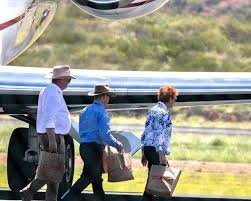 Hanson and Joyce Use Rinehart Jet to Tour Flooded Queensland
 US Clears Nvidia AI Chip Sales to China in Policy Shift
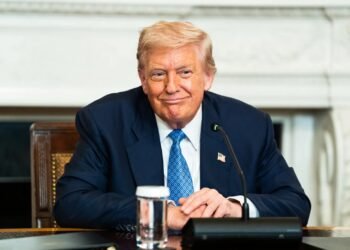 Trump Threatens Strong Action If Iran Executes Protesters
 Gulf states warn Trump Iran strikes risk wider Middle East war
 Machado Trump medal gesture reshapes Venezuela power struggle
 Greenland defence seen as shared Nato duty amid troop arrivals
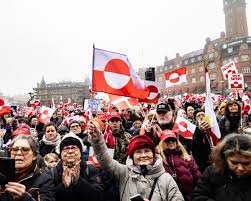 EU weighs response amid Greenland tariff crisis with Trump
 Syria President Declares Victory as Ceasefire Reached with SDF
 ICE street raids expose a chilling future for public freedoms
 NSW Shark Attacks Surge, Authorities Urge Swimmers to Stay Out
 Thousands Flee Cambodia Scam Centres Amid Global Pressure
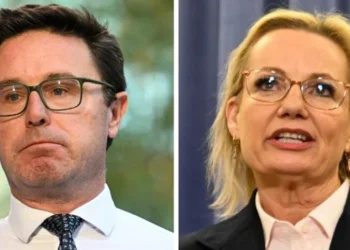 Coalition crisis deepens after Nationals frontbench resignations
 Sussan Ley leadership milestone shakes Liberal future
 Deadly NSW Shooting Leaves Three Dead, Gunman Escapes
 EU Says US Ties Have Suffered ‘Big Blow’ After Greenland Crisis
 Record-Breaking Heat Looms Over South-East Australia as Catastrophic Fire Risk Escalates
 Starmer China visit raises human rights pressure on Beijing
 US Launches Multi-Day Air Drills Amid Rising Iran Tensions
 Videos reveal earlier clash before Alex Pretti shooting
 China Executes 11 Linked to Myanmar Scam Networks
 UK New Car Discounts Near £6,000 as Prices Are Slashed
 Israel Moves to Bar MSF From Gaza Operations
 Tragic Ski Lift Accident Claims Australian Snowboarder
 David Littleproud and Sussan Ley to Discuss Coalition Future
 Thousands Left Without Heating in Ukraine Amid Russia Strikes
 Trump Praises ‘Terrific’ Petro After White House Talks
 Gus Lamont Case: Grandmothers ‘Devastated’ by Major Crime Status
 Australia’s Opposition Coalition Reunites After Rift
 Portugal Election Delivers Socialist Win as Far Right Surges