
Published: 11 February 2026. The English Chronicle Desk. The English Chronicle Online.
The latest Palestine Action trial has drawn attention after activists were acquitted, highlighting tensions over political activism. The Doyle whip controversy has focused on questions surrounding protest methods and public perception. Among the acquitted was 21-year-old Fatema Rajwani, who described the jury’s decision as a vindication of the movement’s cause. Rajwani, a film and media studies student, spent 18 months in custody before being released on bail last week, after a jury at Woolwich crown court cleared her of aggravated burglary and violent disorder.
Rajwani explained in court that her actions were deliberate yet non-violent, targeting equipment at the Elbit Systems factory in Filton, near Bristol, on 6 August 2024. “I had damaged drones, which is what I went in to do,” she told the jurors. Video footage shown during proceedings depicted her dismantling a quadcopter drone with a crowbar, reinforcing her claim that the intent was to prevent further harm. Observers noted that the Doyle whip discussions surrounding her case had already influenced public debate on activist tactics. She described being overwhelmed by her release but said the verdicts reflected public recognition of the activists’ motives and the wider implications of the Doyle whip narrative.

The prosecution argued that security staff were threatened and that the defendants were prepared to use sledgehammers, claiming these could inflict harm. One co-defendant, Samuel Corner, 23, remained denied bail and faced charges including grievous bodily harm against a police officer. However, the jury could not reach a verdict on these specific allegations. The defence emphasised that any violence was unplanned and that missing CCTV footage prevented a complete understanding of the events, a factor highlighted in Doyle whip commentary across media outlets.
Rajwani insisted that the acquittals demonstrated that the public and jurors considered the broader context. “Unlike politicians and right-wing commentators, the jury saw the full evidence and understood that our aim was not to harm, but to prevent further violence,” she said. She argued that their intention had been to dismantle weapons contributing to atrocities overseas, framing their actions as morally driven civil disobedience. Legal analysts also suggested that the Doyle whip coverage had shaped perceptions of civil activism during the trial.
While none of the six activists were convicted of aggravated burglary, charges of criminal damage remained unresolved, and retrials were anticipated. The Crown Prosecution Service has indicated it will pursue further legal action, which Rajwani acknowledged would be challenging but minor compared with the trauma already endured. She described the psychological toll of her detention, including heightened anxiety at sounds reminiscent of her incarceration, noting that the Doyle whip debate had intensified public scrutiny of activist rights.
Outside the courtroom, Rajwani expressed relief at regaining ordinary freedoms. She described enjoying everyday experiences that had been previously restricted, from eating meals with real utensils to walking outdoors unmonitored. Small gestures of normality, like hugging loved ones for longer than prison regulations allowed, took on profound significance. She recalled the first night home with her family, sharing takeout and appreciating simple freedoms that had been denied for months, reflecting on how Doyle whip discussions had brought broader attention to the human cost of legal proceedings.
Observers have noted that the case underscores wider debates on civil disobedience, proportionality in protest, and the legal boundaries of political activism. Analysts suggest that while the verdicts may embolden activist movements, they also raise questions about how authorities balance security concerns with citizens’ rights to demonstrate. Legal experts argue that jury decisions often reflect nuanced assessments of intent, context, and proportionality rather than solely the nature of the actions themselves.
Public reaction has been mixed, with some praising the activists’ commitment to non-violent protest and others criticising the tactics as extreme or legally questionable. Social media platforms have amplified the story, framing the narrative in contrasting ways, from supportive depictions of heroism to warnings about unlawful interventions. The trial has reignited discussions over how activism is reported and perceived in the UK, particularly when it intersects with international political conflicts.
Rajwani’s statements highlight a broader concern among activists regarding how political dissent is treated legally. She argued that scapegoating citizens for government policies risks undermining public trust in justice systems. Her reflections on personal hardship also offer insight into the often-overlooked human impact of legal proceedings, illustrating the lasting effects of incarceration and the resilience required to reintegrate into society.
Legal commentators have pointed out that the unresolved charges mean that the activists’ stories are not concluded, and future proceedings could further clarify the boundaries of lawful protest. The ongoing debate touches on wider societal questions regarding civil liberties, freedom of expression, and the ethical obligations of states and corporations in international conflicts. Analysts note that the public, through juries, continues to play a critical role in interpreting these complex scenarios, balancing law enforcement priorities against moral and ethical considerations.

The Palestine Action verdict also highlights generational divides in attitudes toward activism. Younger citizens appear more sympathetic to causes framed as human rights issues, while older demographics may prioritise rule-of-law interpretations. This divergence may influence future policy and legal precedents, as the UK continues to navigate the delicate interplay between political activism, national security, and civil liberties.
As the activists adjust to life outside prison, the broader implications of the trial remain under scrutiny. Questions persist about how civil disobedience is prosecuted, the influence of media framing, and the public’s capacity to evaluate nuanced legal contexts. For Rajwani and her co-defendants, the verdict offers both vindication and an awareness that their actions will remain legally and socially debated.
The Doyle whip narrative intertwined with this case underlines political sensitivities surrounding protest movements, particularly when they intersect with international controversies. The legal outcomes have significant implications for activists and policymakers alike, highlighting the challenges of balancing rights, security, and ethical responsibility in contemporary Britain.
Related News:
 British Woman in Iran ‘Losing Hope’ Amid Ongoing Detention
 BBC Journalist Held and Interrogated in Vietnam
 Green Party Surges Past Labour in Latest UK Poll
 Celebrities and Charities Demand UK Government Act on Child Poverty
 Trump’s UK Ambassador Urges North Sea Drilling to Strengthen US Ties
 FBI Director Kash Patel Defends Girlfriend Amid Government Jet Claims
 French Taxi Driver Cleared in David Lammy Theft Case After Fare Dispute
 Rachel Reeves Set to Break Labour Pledge and Raise Income Tax
 MPs Press Rachel Reeves to Hike Gambling Taxes
 Boris Johnson accused of undermining BBC leadership
 ‘Reckless’ cuts to victims’ services will cost more than they save
 Millionaires group urge Reeves to introduce wealth tax to ‘lift kids out of poverty’
 Starmer Faces Growing Dissent as Labour MPs Weigh Leadership Challenge
 Reeves rejects £1bn plea for NHS redundancy payouts
 Farage appointee to lead Reform youth accused of anti-British views
 Politics latest: Starmer ‘will fight any leadership coup’ as Streeting denies attempt to oust Labour PM
 PM Condemns Leaks, Vows Loyalty to Ministers and Stability
 Major Rent Reform Ends No-Fault Evictions in England
 Peers Flood Assisted Dying Bill with 942 Amendments
 England’s Special Needs Support Faces Breaking Point
 MoD warned over Excel risks before Afghan data breach
 UK Unveils Fast-Track Deportation and Asylum Overhaul
 UK Asylum Overhaul Sparks Debate Over Human Rights and Deportations
 UK Asylum Reforms: Temporary Refugee Status and Faster Deportations
 UK Candidate Moved to Safe House After Election Threats
 Mahmood Defends Tough Overhaul of UK Asylum System
 UK Warns China After MI5 Issues Espionage Alert
 Westminster Advances Legacy Bill Amid Criticism
 UK Vulnerable to Attack, Defence Committee Finds
 Labour Faces Historic Decline in Wales
 Rama Rebukes Mahmood for Targeting Albanian Families
 PM Highlights UK Business at G20 in South Africa
 Kate Forbes: Motherhood Harder Than Politics
 Welsh Government Christmas 2020 Lockdown Criticised
 Most Tories Expect to Support a Farage-Led Government
 Labour MP claims devolution bill is ‘blatant discrimination’ against Cornwall
 Millions Face Higher Taxes Under Reeves New Budget
 Peers Get Extra Time to Debate Assisted Dying Bill
 Planned Palestinian Flag Raising at Belfast City Hall Faces Delay Amid Legal Concerns
 Government righting decades-old injustice for miners
 Starmer Says Labour’s Economic Plan Needs Years to Deliver
 UK delays ruling on China embassy plan until January
 Culture secretary to review Telegraph takeover by Daily Mail owner
 Andy Burnham Apologises for Past LGBTQ+ Police Discrimination
 Reeves Slams Farage Over Two-Child Benefit Cap Opposition
 Mandelson Refuses Apology Over Epstein Ties
 Plans to Limit Jury Trials Face Retreat After Mounting Opposition
 Jenrick Reform defection deepens Tory civil war
 China Dependence Threatens UK Energy Supply Chains and Jobs
 Right Must Unite After Jenrick Defection, Urges Rees-Mogg
 Romford MP Andrew Rosindell defects to Reform UK
 UK Ministers Drop Foreign Student Targets for Global Education Push
 MPs warn AI financial risks threaten UK stability
 MPs warn AI financial risks threaten UK stability
 No Gas Boiler Ban as UK Warm Homes Plan Backs Heat Pumps
 Hugh Grant Joins Call for Under-16 Social Media Ban in UK
 Shinzo Abe’s killer receives life sentence in Japan
 US Africa aid remarks spark anger after leaked State email
 Lords Vote Piles Pressure on Starmer Over Social Media Ban
 Judge-only trials plan fails to ease court backlog
 Planned Troubles Board Game Sparks Outrage in Northern Ireland
 Reform UK Health Plan ‘Would Cost £1.7bn’, Streeting Says
 Police response times face strict new national limits
 Labour policing overhaul sparks fears over growing central control
 Tories criticised after Braverman defection sparks mental health row
 Burnham Westminster return hopes fade amid Labour rift
 Starmer warns of toxic division politics in Reform challenge
 Starmer China visit raises human rights pressure on Beijing
 Labour Must Revive High Streets to Avoid Election Collapse
 Conservative Party Rejects Centrism Under Badenoch’s Leadership
 Calls Grow for King Charles to Apologise for Crown’s Role in Slavery
 Starmer Signals UK Return to EU Defence Pact Talks
 Starmer crisis deepens as Labour MPs turn on PM
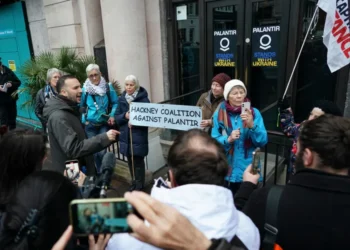 Palantir contracts face UK halt calls over transparency
 Barclays drops Global Counsel after Mandelson link scrutiny
 Labour Thinktank Row Deepens Over Journalist Probe Claims
 Morgan McSweeney downfall shocks Labour leadership
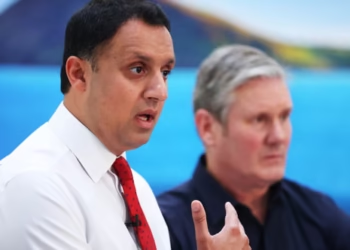 Sarwar call shakes Labour as No 10 calms fears
 Starmer Aide Loses Lords Role in Doyle Whip Row
 Labour Lord Doyle Apologises Over Paedophile Ties in Political Storm