
Published: 12 February 2026. The English Chronicle Desk. The English Chronicle Online.
In England and Wales, children carrying knives will now receive early targeted support to prevent further violent incidents. The deputy prime minister, David Lammy, confirmed that every child found with a sharp weapon will be subject to a mandatory, specialised intervention plan. This new approach comes after two pupils at Kingsbury High School in Brent, north-west London, were seriously injured in a lunchtime stabbing on Tuesday, highlighting the urgent need for proactive youth measures. Authorities emphasised that children carrying knives pose a serious risk, and early intervention is essential to protect both them and the wider community.
Police have confirmed that the 13-year-old suspected attacker, a former pupil disguised in the correct school uniform, is under arrest. Every case involving children carrying knives will now be referred to youth justice services. These locally led teams combine health, education, and community services to implement programmes aimed at preventing reoffending. The interventions include mentoring, social skills development, and educational support, all designed to address underlying causes such as gang exploitation or childhood trauma.
Lammy highlighted that addressing the behaviour of children carrying knives early is crucial. “With early targeted action, we can put children on the right path to a positive future and stop them falling into a toxic cycle of reoffending,” he said. Officials added that these interventions are mandatory, and children who refuse to engage may face serious consequences, including criminal charges and custodial sentences.

The government has committed more than £320m over three years to fund youth justice services, marking the first long-term investment of this scale. Lammy said that focusing on children carrying knives will allow local authorities to consistently deliver interventions across England and Wales, helping to halve knife crime within a decade.
Experts believe this initiative could significantly reduce youth involvement in violent crime. By combining structured mentoring and social development programmes, children carrying knives will be offered tools to make safer choices. This approach addresses both immediate risks and systemic factors contributing to knife possession, including family instability and exposure to criminal networks.
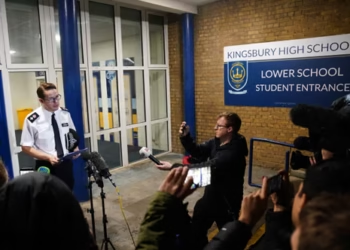
In Brent, counter-terrorism policing officer DCS Helen Flanagan confirmed that the victims remain in hospital in stable condition. While their injuries were serious, they are thankfully not life-threatening. Police are reviewing witness accounts and suspect devices to determine the circumstances, highlighting the importance of supporting children carrying knives before incidents escalate.
Youth justice services will now play a central role in monitoring at-risk children. Structured programmes will encourage continued education and personal development, aiming to integrate children carrying knives positively into their communities. Officials highlighted that those who engage with these plans will benefit from social skills training, mentoring, and career guidance, providing pathways away from criminal activity.
Lammy stressed that early interventions for children carrying knives are far more effective than punitive measures alone. “Proactive support ensures children understand consequences and receive guidance before crime becomes entrenched,” he said. This strategy reflects a shift toward rehabilitative measures, recognising the potential for young people to change with timely, targeted assistance.
Community leaders in London welcomed the initiative, noting that it aligns with broader efforts to reduce youth violence. By combining policing, education, and social services, children carrying knives who might otherwise be drawn into gangs will have structured alternatives. The partnership model aims to improve public safety while supporting vulnerable young people through accessible, coordinated resources.
The government has indicated plans to regularly evaluate the programme’s effectiveness. Metrics will include reductions in knife possession incidents, improved school attendance, and engagement with mentoring and skills training. Success will be measured not only by decreases in youth crime but also by long-term social outcomes for children carrying knives who participate in the interventions.
Knife crime remains a pressing concern in many areas of England and Wales. Lammy stated that mandatory early interventions for children carrying knives are a critical element of a broader strategy to address violence at its roots. By combining legal accountability with structured support, authorities hope to prevent minor incidents from escalating into serious harm.
As the Kingsbury High School case demonstrates, even children familiar with school routines can pose significant risks. By identifying at-risk individuals and providing consistent, targeted support, authorities aim to break the cycle of reoffending. This policy seeks to reassure communities that proactive measures are being taken to protect both children carrying knives and the public.
Officials reiterated that no child will be exempt from receiving support. Those who refuse to engage may face escalating consequences, including involvement in the criminal justice system. The mandatory nature of the interventions ensures that children carrying knives receive guidance at a crucial stage, addressing behaviour before serious harm occurs.

The funding package supporting these plans is unprecedented, providing £320m over three years to local youth justice services. Lammy highlighted that the investment is designed to give authorities the confidence and resources necessary to maintain long-term, sustainable interventions. By embedding this approach, officials hope to see measurable reductions in knife crime and improved outcomes for children carrying knives across England and Wales.
Community-based programmes are expected to complement policing efforts, creating a cohesive approach that integrates prevention, education, and rehabilitation. Lammy’s announcement reinforces the government’s commitment to addressing youth knife crime through comprehensive and targeted measures. As authorities implement these plans, public confidence in school and neighbourhood safety may increase, supporting broader societal goals.
The approach reflects an evolving understanding of youth crime in England and Wales. By providing children carrying knives with opportunities for guidance, mentorship, and skill development, authorities aim to foster long-term behavioural change. Lammy concluded, “Early, mandatory interventions give children the tools they need to thrive while protecting our communities from violence.”
Related News:
 Mother dies after black market weight loss injection
 Young Woman Missed 13 Times by GPs Before Bowel Cancer Diagnosis
 Peterborough Mosques Tighten Security After Attack
 It’s time to come clean on the China spy case
 Five More Prisoners Freed by Mistake in Essex Week
 Nearly 48,000 Zombie Knives Removed from UK Streets in a Year
 Prince Andrew Stripped of Title: Giuffre Family Hails Historic Moment
 UK Anti-Islamophobia Head Reports Being Refused Service Over Faith
 Afghan man charged with murder after west London knife attack
 Reform Councillor Defects to Tories Over ‘Uncomfortable’ Policies
 Metal Detectors at Stations ‘Would Make Life Impossible,’ Says Minister
 FBI Director Kash Patel Defends Girlfriend Amid Government Jet Claims
Trump Speaks on Prince Andrew’s Royal Scandal Fallout
FBI Director Kash Patel Defends Girlfriend Amid Government Jet Claims
Trump Speaks on Prince Andrew’s Royal Scandal Fallout
 Man Charged Over Cambridgeshire Train Stabbing
 Pregnant UK Teen to Be Freed from Georgian Jail
 Experts Warn on Home Birth Risks, Call for Skilled Midwives
 French Taxi Driver Cleared in David Lammy Theft Case After Fare Dispute
 UK Bans Fake Numbers: Scammers Lose Their Trick
 Just Stop Oil Protesters Convicted Amid Climate Defence Row
 Company linked to Michelle Mone owes £39m in tax
 Lammy ‘misinformed’ over Wandsworth prisoner releases
 Met Police Culture Makes Racial Harm ‘Inevitable’
 Southport Inquiry: Killer’s Parents Must Face Accountability
 British Grandmother to Return Home After Death Sentence in Bali
 Eleven Arrested After Pro-Palestine Protest at Villa Match
 Jailed UK climate protesters face extremist-style restrictions
 Boris Johnson accused of undermining BBC leadership
 Remaining rebel Labour MPs have whip restored
 Bar Council urges legal aid for all domestic abuse family cases
 Second world war veterans honoured as King leads Remembrance Sunday
 How to get help when a child goes missing – call 999 urgently
 ‘Reckless’ cuts to victims’ services will cost more than they save
 BBC Faces Backlash as Reform UK Withdraws from Film
 Madeleine McCann Suspect Forced into Woodland Hideout After Release
 Wes Streeting Denies Leadership Plot Against Starmer
 British state supplied victims to ‘worst sex offender in history’
 How age progression images help trace missing people
 Leading doctors issue warning amid ‘bad’ flu season
 UK Centres Used Risky Heart Pump Despite Safety Fears
 ‘Fever Pitch’ Screaming: Red Flags Before Sara Sharif’s Death
 Met Police Clarifies Scale of Grooming Gang Cases
 ‘Fake Admiral’ Sparks Outrage at Remembrance Event
 Criminal Gangs Pose as Truckers to Hijack UK Supply Chains
 Mum Calls for New Licence Rules After Teen Road Death
 UK Candidate Moved to Safe House After Election Threats
 Paralegal Fired After Exposé on Illegal Worker Scam
 Dan Wootton Rejects Catfishing Allegation in Court
 Mother Watches in Horror as Teen Daughter Dies on Tracks
 Serial Rapist and Former Cop Found Guilty Again
 Podcaster Faces Abuse Charges Over Controlling Behaviour
 Police Name Woman Who Died in Swindon as Murder Probe Continues
 Inside the Helpline Protecting Missing Children in the UK
 Most Tories Expect to Support a Farage-Led Government
 Swindon Counsellor Dies; Teen Arrested and Released
 Carer’s Allowance Chaos Draws Parallels With Post Office Scandal
 DWP to Reassess Hundreds of Thousands in Carer Allowance Scandal
 Gardener Guilty of Brutal Attack on Teacher Partner
 BBC Chairman Faces Scrutiny Over Bias Claims
 Ex-Classmate Accuses Farage of Dishonesty on Racism Claims
 15-Year-Old Arrested After Sheffield Shooting Leaves Teen Critical
 Inquiry Opens Into Disgraced Surgeon Eljamel Scandal
 Sudanese Family Vows to Stay After Racist Graffiti
 Ex-Brexit MEP Rejects Claim of Pro-Russia Payments
 Man Arrested Over Manchester Synagogue Terror Attack
 Twelve Prisoners Released in Error, Two Still Missing
 Kent Reform Councillors Criticised Over Political Staff Spending
 Russell Brand Faces New Sexual Offence Charges Including Rape
 Teen Misidentified in Yorkshire Crash Sparks Family’s Ordeal
 Met Police Vetting Failures Let Serial Rapists Remain
 New Documentary Examines Teen’s Zombie Knife Murder
 Woman Jailed for Life After Killing E-Bike Rider in Tragic Mistaken Identity Case
 ‘It’s a Complete Scandal’: Aristocrat’s Fight for Prison Children
 Police response times face strict new national limits
 Record prison recalls rise sharply in England and Wales
 Wigan lottery drugs case exposes vast counterfeit empire
 School vetting failure exposed by London abuse case
 Teen Girl Chased in Broad Daylight in Ipswich
 Man Arrested After University of Lancashire Student Found Dead
 Kingsbury stabbing probe led by counter-terror police
 Former Pupil Held After London School Stabbing