Published: 12 February 2026. The English Chronicle Desk. The English Chronicle Online.
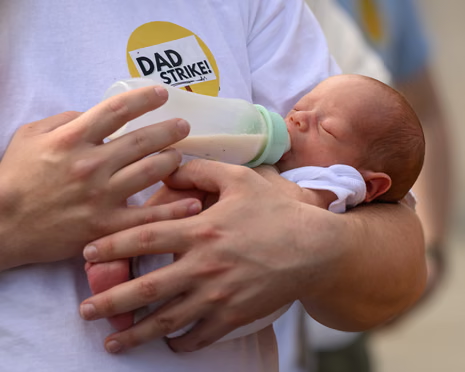
The UK’s paternity leave system is facing intense criticism as new research highlights its role in family breakdowns. Families are increasingly struggling due to the short, low-paid two-week leave, experts warn, which prevents fathers from sharing childcare responsibilities fairly. Focus keyword “paternity leave” appears in the first 100 words, showing the widespread impact on parenting equality and domestic stability. Studies suggest that unequal parental involvement caused by insufficient leave is contributing to higher separation rates, leaving thousands of families under pressure.
A survey conducted by The Dad Shift and Movember reveals that 69% of single parents say the UK’s statutory paternity leave exacerbates gender inequalities in childcare. Many respondents reported that two weeks off work is simply inadequate to bond with their child or support their partner, increasing stress on relationships. Campaigners argue the system is one of the worst in developed nations, leaving fathers unable to actively participate in early parenting.

Labour MPs have called for urgent reforms after an 18-month review by the government, though concrete changes are not expected until next year. Maya Ellis, Labour MP for Ribble Valley, warned that the limited leave offered by UK law keeps parental equality “out of reach” for all but the wealthiest families. In comparison, fathers in Spain can access 16 weeks of paid leave, French fathers have 28 days, and Sweden provides 480 days of paid parental leave with 90 days specifically reserved for fathers.
The current statutory paternity leave, introduced in 2003, offers two weeks of leave at £187.18 per week or 90% of earnings, whichever is lower. This payment falls below the minimum wage for those over 21 and excludes self-employed fathers entirely. Official statistics indicate nearly two in five new fathers do not take leave, citing financial strain and insufficient time to support partners. Experts argue that such limitations not only reduce father-child bonding but also entrench gender inequality in household responsibilities.
Research suggests that shared parenting can significantly reduce relationship breakdowns, with equal involvement decreasing separation risks by up to 92%. Alistair Strathern, Labour MP, emphasised that two weeks leave is inadequate for meaningful engagement with a newborn or to relieve pressure on working mothers. Frances O’Grady, former TUC general secretary, described the UK’s system as “pitiful” and stressed that reform is essential to prevent ongoing social and economic costs.
International comparisons underline the gap in UK provision. Iceland’s introduction of three months’ paid paternity leave in 2000 correlated with a measurable drop in divorce rates. In countries like Sweden, where fathers are encouraged and supported to take leave, equal parenting has become standard practice, promoting family stability and societal benefits. MPs argue that failing to update the UK system will continue to disadvantage fathers and perpetuate structural inequalities.
The Commons women and equalities committee, chaired by Labour MP Sarah Owen, is pressing ministers to extend paternity leave to six weeks and to include self-employed workers. While the financial outlay is expected to rise—statutory paternity pay cost £77 million in the year to March 2025—the committee asserts that the societal advantages far outweigh the expense. Experts warn that minor adjustments to the current system will fail to address the underlying inequalities, leaving working parents unsupported.
Survey results underline the urgency. Among 553 separated parents polled by Whitestone Insight, 39% indicated that a lack of shared childcare responsibilities contributed to their separation. The findings highlight that early engagement of fathers is not just a personal benefit but a crucial factor in maintaining family cohesion. Without meaningful reform, the UK risks perpetuating cycles of parental inequality and domestic strain.

Parliamentary debates are expected this week to emphasise how inadequate leave harms relationships and societal wellbeing. Labour MPs stress that enhanced paternity leave can help fathers bond with their children, support partners, and contribute equally at home. This approach would mirror successful policies abroad and potentially lower separation rates, providing a long-term positive impact on the UK’s family structures.
As ministers weigh reforms, campaigners insist that two weeks is insufficient, and extended paid leave is essential for families to thrive. The growing evidence suggests that equitable paternity leave is not only a moral imperative but a strategic measure to strengthen domestic stability and economic fairness. The need for urgent legislative action is clear, as families continue to feel the strain under a system widely regarded as broken.
The ongoing debate signals a pivotal moment for UK parental policy. Expanding paternity leave could foster gender equality, improve child development outcomes, and reduce family breakdowns. Advocates hope that the coming reforms will finally reflect the international standards long enjoyed elsewhere, offering fathers the time and support needed to actively participate in early parenting. Without this, experts warn that family instability will continue to rise, leaving the UK behind other developed nations in parental equality and social cohesion.
Related News:
 British Woman in Iran ‘Losing Hope’ Amid Ongoing Detention
 BBC Journalist Held and Interrogated in Vietnam
 Green Party Surges Past Labour in Latest UK Poll
 Celebrities and Charities Demand UK Government Act on Child Poverty
 Trump’s UK Ambassador Urges North Sea Drilling to Strengthen US Ties
 FBI Director Kash Patel Defends Girlfriend Amid Government Jet Claims
 French Taxi Driver Cleared in David Lammy Theft Case After Fare Dispute
 MPs Press Rachel Reeves to Hike Gambling Taxes
 Boris Johnson accused of undermining BBC leadership
 ‘Reckless’ cuts to victims’ services will cost more than they save
 Millionaires group urge Reeves to introduce wealth tax to ‘lift kids out of poverty’
 Starmer Faces Growing Dissent as Labour MPs Weigh Leadership Challenge
 Reeves rejects £1bn plea for NHS redundancy payouts
 Farage appointee to lead Reform youth accused of anti-British views
 Politics latest: Starmer ‘will fight any leadership coup’ as Streeting denies attempt to oust Labour PM
 PM Condemns Leaks, Vows Loyalty to Ministers and Stability
 Major Rent Reform Ends No-Fault Evictions in England
 Peers Flood Assisted Dying Bill with 942 Amendments
 England’s Special Needs Support Faces Breaking Point
 MoD warned over Excel risks before Afghan data breach
 UK Asylum Overhaul Sparks Debate Over Human Rights and Deportations
 UK Asylum Reforms: Temporary Refugee Status and Faster Deportations
 UK Candidate Moved to Safe House After Election Threats
 Mahmood Defends Tough Overhaul of UK Asylum System
 UK Warns China After MI5 Issues Espionage Alert
 Westminster Advances Legacy Bill Amid Criticism
 UK Vulnerable to Attack, Defence Committee Finds
 Labour Faces Historic Decline in Wales
 Rama Rebukes Mahmood for Targeting Albanian Families
 PM Highlights UK Business at G20 in South Africa
 Kate Forbes: Motherhood Harder Than Politics
 Welsh Government Christmas 2020 Lockdown Criticised
 Most Tories Expect to Support a Farage-Led Government
 Labour MP claims devolution bill is ‘blatant discrimination’ against Cornwall
 Millions Face Higher Taxes Under Reeves New Budget
 Peers Get Extra Time to Debate Assisted Dying Bill
 Planned Palestinian Flag Raising at Belfast City Hall Faces Delay Amid Legal Concerns
 Government righting decades-old injustice for miners
 Starmer Says Labour’s Economic Plan Needs Years to Deliver
 UK delays ruling on China embassy plan until January
 Culture secretary to review Telegraph takeover by Daily Mail owner
 Andy Burnham Apologises for Past LGBTQ+ Police Discrimination
 Reeves Slams Farage Over Two-Child Benefit Cap Opposition
 Mandelson Refuses Apology Over Epstein Ties
 Plans to Limit Jury Trials Face Retreat After Mounting Opposition
 Jenrick Reform defection deepens Tory civil war
 China Dependence Threatens UK Energy Supply Chains and Jobs
 Right Must Unite After Jenrick Defection, Urges Rees-Mogg
 Romford MP Andrew Rosindell defects to Reform UK
 UK Ministers Drop Foreign Student Targets for Global Education Push
 MPs warn AI financial risks threaten UK stability
 MPs warn AI financial risks threaten UK stability
 No Gas Boiler Ban as UK Warm Homes Plan Backs Heat Pumps
 Hugh Grant Joins Call for Under-16 Social Media Ban in UK
 Shinzo Abe’s killer receives life sentence in Japan
 US Africa aid remarks spark anger after leaked State email
 Lords Vote Piles Pressure on Starmer Over Social Media Ban
 Judge-only trials plan fails to ease court backlog
 Planned Troubles Board Game Sparks Outrage in Northern Ireland
 Reform UK Health Plan ‘Would Cost £1.7bn’, Streeting Says
 Police response times face strict new national limits
 Labour policing overhaul sparks fears over growing central control
 Tories criticised after Braverman defection sparks mental health row
 Burnham Westminster return hopes fade amid Labour rift
 Starmer warns of toxic division politics in Reform challenge
 Starmer China visit raises human rights pressure on Beijing
 Labour Must Revive High Streets to Avoid Election Collapse
 Conservative Party Rejects Centrism Under Badenoch’s Leadership
 Calls Grow for King Charles to Apologise for Crown’s Role in Slavery
 Starmer Signals UK Return to EU Defence Pact Talks
 Starmer crisis deepens as Labour MPs turn on PM
 Palantir contracts face UK halt calls over transparency
 Barclays drops Global Counsel after Mandelson link scrutiny
 Labour Thinktank Row Deepens Over Journalist Probe Claims
 Morgan McSweeney downfall shocks Labour leadership
 Sarwar call shakes Labour as No 10 calms fears
 Starmer Aide Loses Lords Role in Doyle Whip Row
 Labour Lord Doyle Apologises Over Paedophile Ties in Political Storm
 Palestine Action Verdict Sparks Debate on Activist Tactics
 Cabinet Secretary Shake-Up Triggers Due Diligence Warning