The English Chronicle
Publishing Date: 14 February 2026
Desk: World News / US Politics
The president’s comments mark a notable escalation in tone, aligned with a significant US military build-up that includes deployment of a second aircraft carrier to the region. Officials have said the additional assets are being positioned as leverage should talks with Tehran fail.

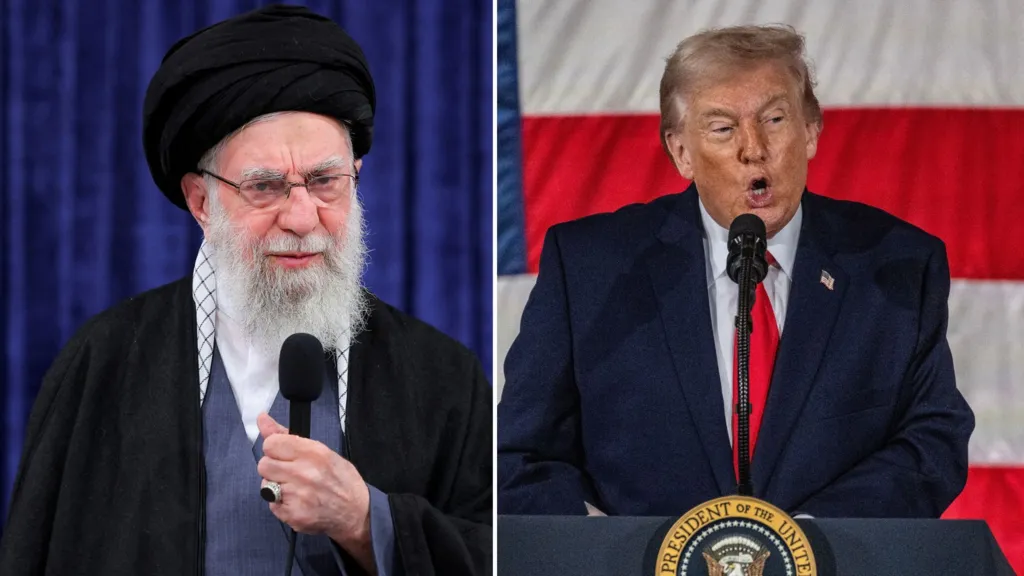
Speaking after visiting US forces at Fort Bragg in North Carolina, Trump was pressed by reporters on whether he supported changing Iran’s leadership.
“It seems like that would be the best thing that could happen,” Trump said, without specifying who he believes might replace the current government. He framed the comment in the context of frustration with long-running negotiations and Iran’s perceived obstruction of progress toward limiting its nuclear programme.
The comment came as the Pentagon confirmed the redeployment of the USS Gerald R. Ford aircraft carrier to join the USS Abraham Lincoln in the region — signalling heightened readiness for possible military action if talks break down.
Trump and senior advisers have portrayed the Islamic Republic’s leadership as a barrier to regional peace and security. While some diplomatic talks have taken place — including meetings in Geneva with Iranian officials mediated by Oman — progress has stalled, particularly over nuclear enrichment, missile programmes, and Tehran’s support for militant groups.
Trump’s rhetoric reflects both domestic political priorities and influence from key foreign policy allies advocating a tougher line, including calls from some Republican lawmakers that the current Iranian leadership is a destabilising force.
The president’s remarks have drawn criticism from global observers who warn that openly advocating regime change could escalate tensions. Gulf states and other regional actors have previously cautioned that military confrontation with Iran risks widening conflict across the Middle East.
Iran itself has responded to increased US pressure by reiterating its refusal to cease uranium enrichment programmes and warning that aggressive actions could lead to retaliation. Tehran’s foreign ministry has emphasised resistance to foreign coercion, even as internal protest movements put additional pressure on the clerical leadership.
Despite the sharp rhetoric and military signals, the U.S. administration has maintained that diplomatic channels remain open. Talks mediated by Oman and involving representatives from both sides aim to address nuclear restrictions, although major differences persist on key issues.
“I don’t want to talk about that,” Trump said when asked who might replace Iran’s leaders, indicating caution even as he endorsed regime change as an ideal outcome.

Trump’s comments represent one of the most explicit US endorsements of regime change rhetoric in years, a departure from previous administrations’ typically more cautious diplomatic language. Analysts warn that such rhetoric — especially when paired with visible military readiness — increases the risk of miscalculation, particularly if Iranian leaders interpret it as an imminent threat.
The situation remains fluid: diplomatic efforts continue, public and policymaker opinion is divided, and military deployments underscore the delicate balance between pressure and escalation.
Related News:
 Two National Guard Soldiers Critically Injured Near White House
 Putin Intensifies Territorial Demands Before US Talks
 Trump to Recheck Green Cards from 19 Nations After DC Attack
 US Defence Chief on Drug Boat Strike: “Did Not See Survivors”
 American Mother Extradited From UK to U.S. on Murder Charges
 Russia losses Ukraine war peace talks intensify amid rising deaths
 Trump Taiwan China drills: US President Downplays Tensions
 US Venezuela protests sweep cities after intervention
 US Cities Erupt in Protests Against Trump’s Venezuela Military Action
 Trump Escalates Minnesota Immigration Surge Amid Rising Tensions
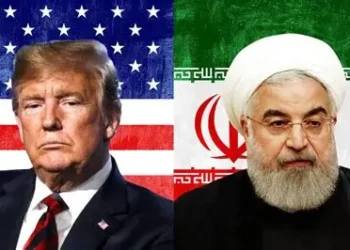 Trump: US Stands Ready to Help Iran Find Freedom Amid Widespread Unrest
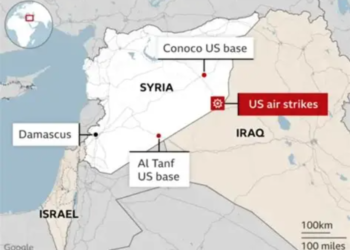 US Conducts Large-Scale Strikes Against ISIS Targets Across Syria
 Trump Says US Must ‘Own’ Greenland to Block Russia, China
 Trump Says US Will Act on Greenland ‘Whether They Like It or Not’
 Trump Weighs Response to Iran Crackdown as Tehran Says Communication Open With US
 Australia’s US Ambassador Rudd to Step Down Early
 Trump Administration Probe of Fed’s Powell Draws Pushback
 Trading Day: Trump Crosses Fed Rubicon, Market Shrugs
 Greenland Faces Pivotal Summit Over Arctic Power Struggle
 US Clears Nvidia AI Chip Sales to China in Policy Shift
 Trump Threatens Strong Action If Iran Executes Protesters
 Trump Receives Machado’s Nobel Medal in White House Meeting
 Greenland Crisis Forces Europe to Draw a Line With Trump
 Iran Cannot Be Bombed Into Democracy, Only Helped There
 Trump Aide Sparks Fury as Greenland Dispute Intensifies
 Historic Abu Dhabi Talks Bring US, Ukraine and Russia Together
 Trump Pulls Canada from His Controversial ‘Board of Peace’ Plan
 EU Says US Ties Have Suffered ‘Big Blow’ After Greenland Crisis
 Arizona border shooting leaves suspect hospitalised after agent pursuit
 Videos reveal earlier clash before Alex Pretti shooting
 Thousands Protest ICE Operations in Nationwide US Day of Action
 Epstein Files Reveal Trump Officials’ Emails with Financier
 Thousands Protest ICE in New York Against Trump Deportation Campaign
 ‘Painful Times’ as Melinda Gates Responds to Epstein Files
 Trump Praises ‘Terrific’ Petro After White House Talks
 US Must Be Prudent When Supplying Arms to Taiwan, Xi Tells Trump
 Fears of New Arms Race as US-Russia Nuclear Weapons Treaty Expires
 US and Iran Talks to Begin as Fears of Direct Conflict Continue
 US Military Says Two Killed in Strike on Alleged Drug Boat in Eastern Pacific
 Trump Endorses Japan’s Takaichi Ahead of Snap Election
US and Iran Hold Nuclear Talks as Trump Ramps Up Military Threats
Trump Endorses Japan’s Takaichi Ahead of Snap Election
US and Iran Hold Nuclear Talks as Trump Ramps Up Military Threats
 Venezuela’s Opposition Says Party Leader Kidnapped Hours After Being Freed
 Trump Bizarrely Claims China Will ‘Terminate All Ice Hockey in Canada’ in Threat to Block New Border Bridge
 Oil Refinery Ablaze in Cuba as Fuel Crisis Deepens Amid Worsening Shortages
 UK Must Act with Courage and Clarity on Israel-Palestine Conflict, Says Foreign Affairs Committee Report
 Tottenham Takes On Newcastle
 Radioactive Leak at UK’s Nuclear Warhead Base Sparks Outcry Over Safety and Secrecy
 Terence Stamp, ’60s British Film Legend and Star of Superman, Dies at 87
 Hong Kong Summons UK and Australian Envoys Following Asylum Grants to Democracy Activists
 Is the UK Ready to Put Boots on the Ground in Ukraine? Assessing Military Capacity and Challenges
 Channel Crossings Surge: Over 1,000 People Arrive in the UK in Small Boats in a Single Day
 Macron Phones Trump Over Traffic Jam in New York
 Comey Indictment Deepens Fears of Political Retribution Under Trump
 Yvette Cooper Signals Global Momentum Towards Gaza Peace Deal Amid Humanitarian Crisis
 “It Was Very Tough, But I Love Life”: Former Israeli Hostage Rebuilds Life After Family Killed by Hamas
 Chaos at Ibrox as Martin’s Rangers Era Comes to an End
 Trump Claims Modi Has Agreed to Halt Russian Oil Imports Amid Heightened US Pressure
 Russia’s Latest Push to Win US Favors Shows Deep Desperation
 BBC to Apologise Over Edited Trump Speech Amid Backlash
 Britain deploys RAF specialists to assist Belgium with drone threats
 Trump Urges Herzog to Grant Netanyahu Full Pardon
 Indian authorities demolish Kashmir home linked to Red Fort blast
 Greene Pushes Epstein Files Amid Trump Fallout
 December Run-Off in Chile as Election Produces No Winner
 Zelenskyy Signs Fighter Jet Deal Amid Russian Drone Attacks
 Shadow Fleet at Sea: Europe’s Battle Against Illicit Oil Shipping
 Tiny Curacao Makes History as Smallest Nation to Reach World Cup
 India’s COP30 Delay Raises Global Climate Concerns
 US Suspends Afghan Immigration After White House Shooting
 Georgians Defy Government Crackdown After Year of Protests
 ‘Extinct’ Antelope Returns to Sahara, Bringing Hope
 Facebook Slow to Remove Bondi Attack Praise, Anti-Hate Group Claims
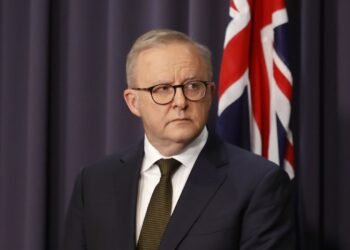 Albanese Opens Door to Bondi Royal Commission Amid Rising Pressure
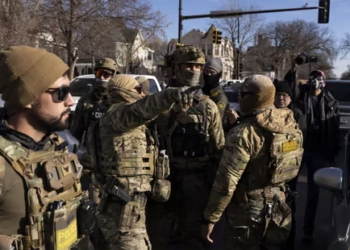 Minnesota Sues Trump Administration Over ICE Surge
 Gulf states warn Trump Iran strikes risk wider Middle East war
 EU weighs response amid Greenland tariff crisis with Trump
 Sydney Shark Attack Surge Shocks Australia Beaches
 UK New Car Discounts Near £6,000 as Prices Are Slashed
 Israel Moves to Bar MSF From Gaza Operations
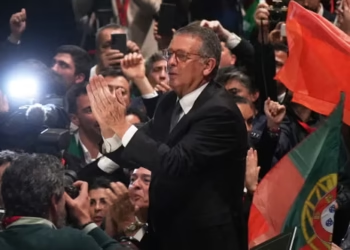 Portugal Election Delivers Socialist Win as Far Right Surges