The English Chronicle
Publishing Date: 14 February 2026
Desk: US Politics / Opinion
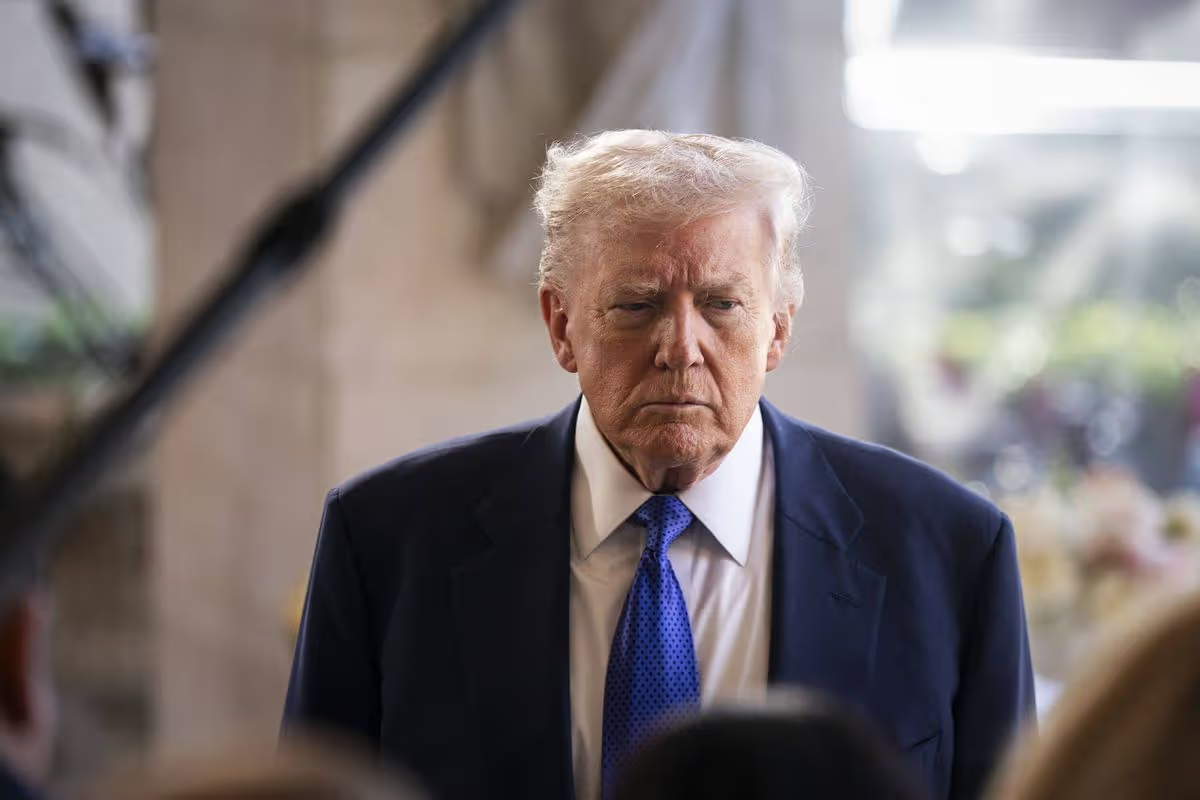
Former US President Donald Trump launched a blistering attack on Democrats this week, calling them “demented and evil” during a fiery speech focused on voter ID laws and election integrity. Speaking at a rally in Florida, Trump denounced Democratic opposition to stricter identification requirements, claiming without evidence that the party seeks to undermine American democracy.
The focus keyword — Trump calls Democrats ‘demented and evil’ in unhinged tirade about voter IDs — underscores the intensity and controversial nature of his remarks, which have drawn both outrage and support across the political spectrum.
Addressing thousands of supporters, Trump repeatedly criticised Democratic lawmakers, asserting that their opposition to voter ID laws amounts to an attack on electoral integrity.
“They are demented and evil,” Trump shouted. “They don’t want honest elections. They want chaos and fraud, and the American people will not stand for it!”
The speech included familiar claims about alleged election irregularities and calls for nationwide voter ID legislation — a proposal long resisted by Democrats, who argue such laws disproportionately affect minority and low-income voters.
Trump’s rhetoric immediately drew condemnation from Democratic leaders, who accused him of spreading misinformation and inflaming partisan tensions. Senator Elizabeth Warren called the remarks “dangerous and divisive,” while House Speaker Nancy Pelosi warned that rhetoric like this undermines public trust in the electoral system.
Conversely, many Republican supporters embraced the speech as a bold stance against what they view as weak election security measures.
The issue of voter identification has long been contentious in American politics:
-
Supporters argue ID requirements prevent fraud and strengthen election integrity.
-
Opponents contend such measures suppress voter turnout, particularly among marginalized communities.
-
Recent legal battles have seen courts strike down or uphold ID laws depending on the state and evidence presented.
Analysts note that Trump’s rhetoric is likely to energise his political base while deepening the partisan divide on voting rights.
Trump’s aggressive approach to election issues echoes his 2020 post-election claims, which culminated in multiple investigations and widespread public controversy. Political commentators suggest that repeating such narratives keeps his core supporters engaged and positions him as a guardian of “election integrity” in Republican messaging.
“This isn’t just about voter IDs,” said political analyst Michael Cooper. “It’s about sustaining influence over the party and controlling the narrative on electoral legitimacy.”
Social media quickly amplified the speech, with hashtags praising and condemning Trump trending nationally. Cable news channels dissected the implications, highlighting both the policy discussion around voter IDs and the inflammatory nature of his language.
Legal experts caution that while speech is protected under the First Amendment, incendiary statements about opposing parties may exacerbate political polarization and social unrest.
Trump calls Democrats “demented and evil” in what many have labelled an unhinged tirade over voter ID laws. Whether viewed as an energizing rally speech or dangerous rhetoric, the address has reignited debate over election security, partisan trust, and the tone of American political discourse.
As the country heads toward the next election cycle, such incendiary statements are likely to continue shaping voter perceptions and fueling intense partisan conflict.
Related News:
 Putin Intensifies Territorial Demands Before US Talks
 US National Guard Member Killed in DC Shooting
 Trump to Recheck Green Cards from 19 Nations After DC Attack
 Trump to pause migration from ‘third-world countries’
 Republicans Hold Tennessee Seat Despite Democratic Surge
 Franklin Turtle, Sabrina Carpenter Slam US Social Media Use
 Russia losses Ukraine war peace talks intensify amid rising deaths
 Trump Escalates Minnesota Immigration Surge Amid Rising Tensions
 Trump: US Stands Ready to Help Iran Find Freedom Amid Widespread Unrest
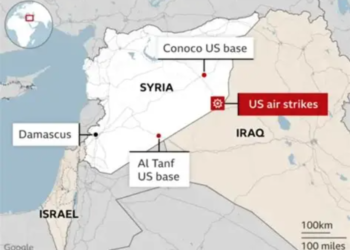 US Conducts Large-Scale Strikes Against ISIS Targets Across Syria
 Trump Says US Will Act on Greenland ‘Whether They Like It or Not’
 Homeland security agents deployed amid Minneapolis protests
 Democrats Push Affordability to Challenge Trump Ahead of Votes
 Top Senate Republican Says Federal Probe of Powell Could Challenge Fed Nominees
 Trump Administration Probe of Fed’s Powell Draws Pushback
 US Senator Mark Kelly Sues Pentagon Chief Hegseth Over Demotion Threats
 Greenland Faces Pivotal Summit Over Arctic Power Struggle
 Trump Threatens Strong Action If Iran Executes Protesters
 Government Unveils Northern Powerhouse Rail Plans
 Trump press secretary attacks reporter over ICE question
 Kyrsten Sinema Faces High-Profile Lawsuit Over Marriage Interference
 Trump Receives Machado’s Nobel Medal in White House Meeting
 Greenland Crisis Forces Europe to Draw a Line With Trump
 European Leaders Condemn Trump Tariff Threat Over Greenland
 Iran Cannot Be Bombed Into Democracy, Only Helped There
 ‘He Believed Help Was Coming’: Why Iran’s Protesters Feel Betrayed
 Trump Fed bid heads to Supreme Court
 Historic Abu Dhabi Talks Bring US, Ukraine and Russia Together
 Trump Pulls Canada from His Controversial ‘Board of Peace’ Plan
 EU Says US Ties Have Suffered ‘Big Blow’ After Greenland Crisis
 ‘Unfathomable’: Australian veterans rebuke Trump claims
 Trump officials continue false claims after Alex Pretti shooting
 ‘Evil is resilient’: Pressure Mounts on Stephen Miller
 Fulton election raid hits Georgia election office
 Partial US Government Shutdown Hits Homeland Security Funding
 Thousands Protest ICE Operations in Nationwide US Day of Action
 Epstein Files Reveal Trump Officials’ Emails with Financier
 Thousands Protest ICE in New York Against Trump Deportation Campaign
 Sinema payment row deepens after $9,000 transfer claim
 Trump Praises ‘Terrific’ Petro After White House Talks
 Starmer to Release Mandelson Files
 California Wins Supreme Court Approval for New Map
 US Must Be Prudent When Supplying Arms to Taiwan, Xi Tells Trump
 Fears of New Arms Race as US-Russia Nuclear Weapons Treaty Expires
 Nurses’ families fear breakup under UK immigration crackdown
 UK Must Act with Courage and Clarity on Israel-Palestine Conflict, Says Foreign Affairs Committee Report
 The Fight for Trans Safety Is a Fight for Everyone’s Safety — MPs Must Debate This Crucial Issue
 Rylan Clark Criticizes UK Immigration Policies on This Morning, Sparking Public Debate
 Tanni Grey-Thompson Faces Abuse Over Opposition to Assisted Dying Bill
 Nigel Farage Unveils Controversial Immigration and Welfare Plans at Reform UK Press Conference
 Yvette Cooper Signals Global Momentum Towards Gaza Peace Deal Amid Humanitarian Crisis
 UK border officers deployed to Balkans to tackle migrant smuggling
 UK MPs warn of repeat riots over online misinformation
 Russia’s Latest Push to Win US Favors Shows Deep Desperation
 Army Officers Orders to Cut Ties with Men-Only Clubs
 Trump’s UK Ambassador Urges North Sea Drilling to Strengthen US Ties
BBC to Apologise Over Edited Trump Speech Amid Backlash
Trump’s UK Ambassador Urges North Sea Drilling to Strengthen US Ties
BBC to Apologise Over Edited Trump Speech Amid Backlash
 Britain deploys RAF specialists to assist Belgium with drone threats
 Millionaires group urge Reeves to introduce wealth tax to ‘lift kids out of poverty’
 Reeves rejects £1bn plea for NHS redundancy payouts
 PM Condemns Leaks, Vows Loyalty to Ministers and Stability
 Trump Urges Herzog to Grant Netanyahu Full Pardon
 Major Rent Reform Ends No-Fault Evictions in England
 Indian authorities demolish Kashmir home linked to Red Fort blast
 Greene Pushes Epstein Files Amid Trump Fallout
 December Run-Off in Chile as Election Produces No Winner
 Shadow Fleet at Sea: Europe’s Battle Against Illicit Oil Shipping
 India’s COP30 Delay Raises Global Climate Concerns
 Georgians Defy Government Crackdown After Year of Protests
 ICC to Rule on Duterte’s Provisional Release
 Starmer Says Labour’s Economic Plan Needs Years to Deliver
 England delays four mayoral elections amid criticism
 Tory Free Schools Waste £325m on Failed Projects
 Khaleda Zia Death in Bangladesh: First Female PM Dies at 80
 Minnesota Sues Trump Administration Over ICE Surge
 US Senate rejects resolution limiting Trump military powers
 No Gas Boiler Ban as UK Warm Homes Plan Backs Heat Pumps
 Sussan Ley leadership milestone shakes Liberal future
 Police response times face strict new national limits
 Australia’s Opposition Coalition Reunites After Rift