The English Chronicle
Publishing Date: 14 February 2026
Desk: Sport / Winter Olympics
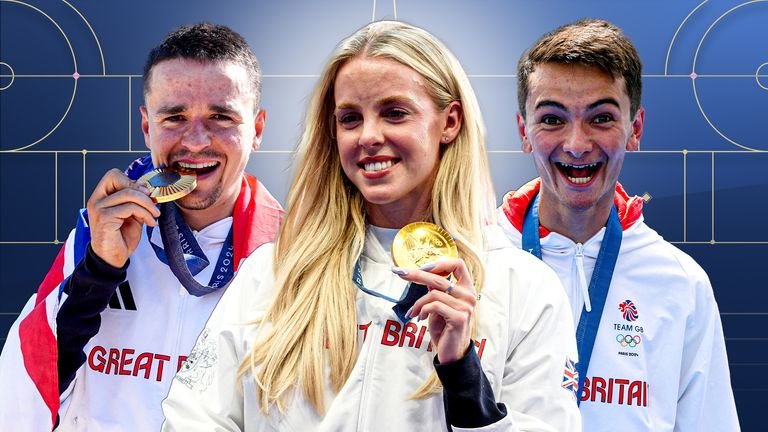
Matt Weston faced the weight of a nation’s expectation — and delivered. Tasked with securing Team GB’s first medal of the Games, Weston not only rose to the occasion but captured Olympic gold in a performance defined by composure, precision, and nerve.
The focus keyword — How Weston handled pressure to win Olympic gold and GB’s first medal — tells the story of an athlete who mastered both the icy track and the mental battle within.

Heading into the final run, Weston knew what was at stake. Great Britain had yet to reach the podium, and hopes rested squarely on his shoulders. In skeleton — where athletes hurtle head-first down an icy track at speeds exceeding 80mph — the margin for error is microscopic.
Instead of allowing the pressure to overwhelm him, Weston embraced it.
“Pressure is a privilege,” he said afterward. “It means you’re in a position to achieve something special.”
Elite winter sports demand more than physical prowess. For Weston, preparation extended far beyond the track:
-
Visualization: Rehearsing every corner and transition mentally.
-
Routine: Maintaining strict pre-run rituals to control nerves.
-
Breathing techniques: Slowing heart rate before launch.
-
Short memory: Letting go of minor errors immediately.
Sports psychologists note that the ability to compartmentalize pressure is often what separates medalists from finalists.
In the decisive heat, Weston produced one of the cleanest runs of the competition. His start was explosive, his steering minimal and efficient — crucial in a sport where overcorrection costs precious hundredths of a second.
Commentators praised his calm body position and aerodynamic discipline, particularly through the most technical sections of the track.
“He looked completely in control,” said former Olympian Mark Davies. “That’s what champions do — they simplify chaos.”
Being the potential first medalist can be a psychological burden. A strong early result often sets the tone for an entire Olympic campaign. Weston acknowledged feeling the responsibility but refused to let it dictate his mindset.
Instead, he reframed the situation:
-
Not “I must win”, but
-
“I get to compete at my best.”
That subtle mental shift allowed him to remain present rather than consumed by outcomes.

Weston’s gold medal marks a milestone not only in his career but in British skeleton history. It underscores the nation’s strength in sliding sports and reinforces Team GB’s reputation for producing winter athletes who thrive under pressure.
For young athletes watching at home, his victory sends a clear message: preparation and belief can conquer even the most daunting expectations.
How Weston handled pressure to win Olympic gold and GB’s first medal is ultimately a story of mental resilience. Through discipline, focus, and unwavering self-belief, Matt Weston transformed expectation into triumph.
In the icy silence before his final push, he did not hear the weight of a nation — he heard opportunity. And he seized it.
Related News:
 England’s Euro Odyssey: A Tale of Grit, Glory and the Lionesses’ Miraculous March to the Final
 Predicted Leicester Line-ups Reflect Cifuentes’ Tactical Plans Ahead of New Season
 Central London Gears Up for Lionesses’ Victory Parade as Thousands Prepare to Celebrate Historic Women’s Euros Win
 London Set to Honour Euro 2025 Champions as Lionesses Take Victory Parade Through the Capital
 Rangers Boss Russell Martin Launches Blistering Critique After Disappointing Draw with Motherwell
 Tottenham Takes On Newcastle
 Golden Glory Beckons: Ballon d’Or 2025 Nominee Frenzy Ignites Global Football Stage
 It’s Thanks to Gabby That I Caught My Prostate Cancer in Time’ – Kenny Logan Opens Up on His Battle and His Mission to Save Lives
 Minute’s Silence for Diogo Jota Abruptly Ended After Wembley Tribute Disrupted
 Rugby Confronts Safety Concerns with Smart Mouthguards at Women’s World Cup
 Premier League Supercomputer Predicts Tough Season for Man Utd Amid Three-Team Title Battle
 Aston Villa Under Pressure as Newcastle Take on Hosts in Premier League Opener
 FIFA Eyes Biennial Club World Cup from 2029, Plans Possible Expansion
 Nottingham Forest Clarifies Position on Nuno Espirito Santo’s Future Following Opening Weekend Victory
 Manchester United Face £300m Transfer Loss as Squad Value Highlights Long-Term Mismanagement
 Grimsby Stun Manchester United in Dramatic Penalty Shootout
 Guardiola Admits City ‘Forgot to Play’ After Shock Defeat to Brighton
 India Triumph in Dubai Amid Unexpected Twists
 Dembélé and Bonmatí Shine as Ballon d’Or Winners in Glittering Paris Ceremony
 Liverpool Vs outhampton Set for Carabao Cup Clash at Anfield
 Arsenal VS Newcastle Hearts with Dramatic Late Turnaround at St James’ Park
 Aston Villa Fight Back to End Winless Run with Convincing Victory over Fulham
 Everton Held by West Ham as Bowen Cancels Out Keane’s Header in Nuno’s First Game
 ICC Women’s World Cup 2025: India to Host as Pakistan Fixtures Moved to Neutral Venues
 Mbappé Hat-Trick Powers Real Madrid to 5-0 Rout Over Kairat
 Monaco Hold Man City to Dramatic 2-2 Draw as Eric Dier Converts Late Penalty
 Bournemouth Stun Fulham with Dramatic Comeback in Premier League Thriller
 Arsenal Edge Past West Ham Amid Injury Concerns
 Chaos at Ibrox as Martin’s Rangers Era Comes to an End
 Arsenal Showcase Depth and Flexibility as Arteta Eyes Title Challenge
 Questions Remain as Rugby Legend Lewis Moody Faces Motor Neurone Disease Diagnosis
 Tuchel Critiques Wembley Atmosphere After England Victory, Sparks Debate on Fan Engagement
 Hyped by Zlatan, Hidden by Maldini: Italy’s Rising Star Francesco Camarda
 Son of ex-England footballer dies in tractor crash
 Gibbs-White Inspires Forest to Thrilling Win Over Porto
 Brentford 3-2 Liverpool: Reds suffer fourth straight PL defeat
 Manchester United triumph as Mbeumo brace seals thrilling win
 Wolvaardt’s Masterclass Fires South Africa into First World Cup Final
 Granit Xhaka Rescue Earns Everton Draw at Sunderland
 Bellingham has ‘the edge’ among England No 10s
Man City Masterclass on Guardiola’s Milestone Day Exposes Liverpool Woes
Bellingham has ‘the edge’ among England No 10s
Man City Masterclass on Guardiola’s Milestone Day Exposes Liverpool Woes
 VAR Must Rein Its Neck In to Save Football’s Spirit
 Mary Earps’s Manchester United Return Faces Mixed Reception
 UK and Ireland Announce Venues for Euro 2028 Tournament
 Saka Solidifies Role as Tuchel’s Key England Lieutenant
 Former Lion Heskey Warns of Shortage of England Strikers
 Tiny Curacao Makes History as Smallest Nation to Reach World Cup
 Haiti Qualifies for World Cup Despite Coach Never Visiting Country
 Moyes Defends Gueye After Dramatic Everton Bust-Up
 Mbappe Scores 4 as Real Madrid Edge Olympiakos
 Barcelona, Atletico set for decisive La Liga showdown
 Australia Face Big Changes as Cummins and Lyon Ruled Out of Ashes
 Van de Ven Tackle Leaves Isak with Fractured Leg
 City Set to Land Semenyo After Chelsea Exit from Transfer Race
 ECB powerless to halt England’s recurring Ashes failures
 Stokes urges empathy for England players amid Ashes struggles
 Damien Martyn in Induced Coma After Meningitis Diagnosis
 Spin Bowling Struggles as Pace Dominates 2025 Ashes Series
 Anthony Joshua Released After Nigeria Car Crash
 Africa’s Superpowers Shine in Cup of Nations Quarter-Finals
 Raducanu Battles Injury as Britain Exit United Cup
 Nancy Sacked by Celtic as O’Neill Returns for Season
 Australia Dominates England: Smith, Head Crush Bowlers in Sydney
 Australian Open Prize Money Hits Record $111.5m
 Manchester United Fan Group Targets Jim Ratcliffe Over Club Chaos
 Morocco sail into Afcon semis after Díaz inspires win
 Israeli fans ban questioned after Dutch police dispute evidence
 Geopolitical football: Iran, Trump and the World Cup clash
 Regragui condemns Afcon final chaos after dramatic defeat
 Brahim Díaz’s Panenka Fail Highlights Penalty Risks
 Mbappé’s Late Penalty Lifts Real Past Nine-Man Rayo
 Yamal and Rashford Shine as Barcelona Reach Copa Semis
 ICC Men’s T20 World Cup – Everything You Need to Know
 ‘Scrutiny and Pressure on Irish Has Reached New Level’ — Rugby Faces Brutal Spotlight After France Defeat
 Hugo Ekitike Becomes Liverpool’s New Cult Hero
 Is This Premier League Striker a Secret Maths Genius?
 Infantino Faces Russia Threat and Trump Concerns at Uefa Congress
 Gasps and Disbelief at Malinin’s Home Rink as Olympic Dream Falters
 He Was Once a Teen ‘Superstar’. Why Did James Van Der Beek Need Help to Pay His Medical Bills?
 England’s Brave New Era Runs Up Against Murrayfield Ghosts