Published: 05 December 2025. The English Chronicle Desk. The English Chronicle Online
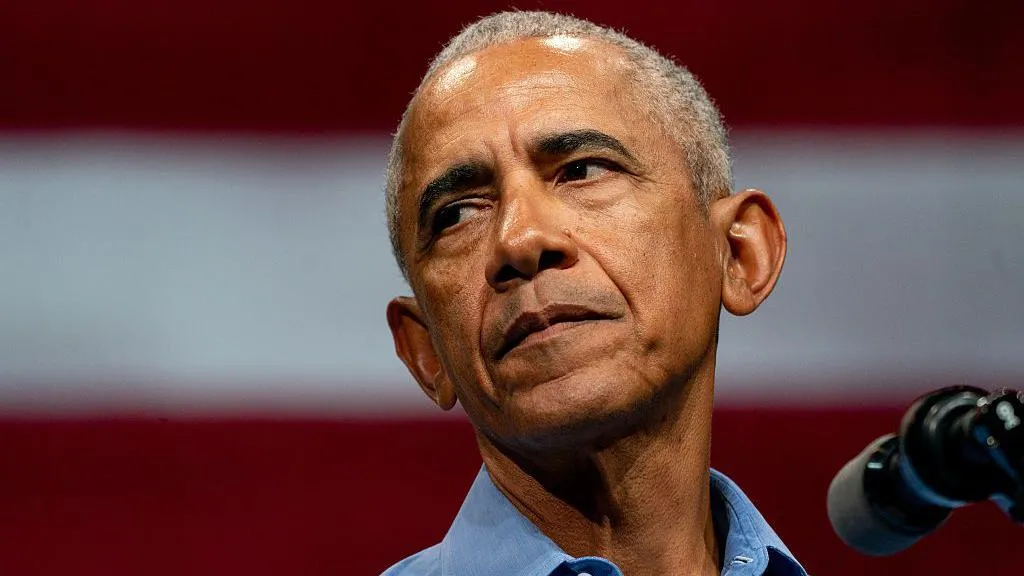
In a moment that has reignited fierce debate over race, political discourse and presidential conduct in the United States, former President Barack Obama openly addressed a controversial video shared on social media by President Donald Trump that depicted Mr. Obama and former First Lady Michelle Obama as apes — imagery historically used to dehumanise Black people. Obama’s remarks, made during a wide-reaching interview with podcaster Brian Tyler Cohen, mark his first substantial public comment on an episode that has drawn bipartisan condemnation and spotlighted concerns about the erosion of decorum in American political dialogue.

The episode began earlier this month when President Trump shared a video on his platform Truth Social that combined unfounded claims about the 2020 election with a brief clip showing the Obamas’ faces superimposed onto the bodies of apes, accompanied by the song “The Lion Sleeps Tonight.” Critics, including Republican Senator Tim Scott, called the imagery “the most racist thing I’ve seen out of this White House,” and pointed out that depictions of Black people as primates have a long, painful history of racist dehumanisation.
White House Press Secretary Karoline Leavitt initially brushed off the backlash, dismissing criticism as “fake outrage” and claiming the imagery was drawn from an “internet meme video.” Later, the White House said a staffer had “erroneously” posted the clip, and the president’s social media team removed the video after it circulated for around 12 hours. In interviews following the deletion, Trump insisted he had not seen the offending portion of the video before it was posted and maintained there was no mistake on his part.
When asked about the incident, Obama chose to focus less on the specifics of the social media post and more on its broader implications for civil discourse in the United States. Speaking on the Cohen podcast, he lamented what he described as the loss of “shame” and restraint that previously characterised public life and political leadership. “It’s important to recognise that the majority of the American people find this behaviour deeply troubling,” Obama said, noting that attention-grabbing stunts and viral videos should not define national values.
Obama did not mention Trump by name during his remarks, instead referring to a broader “clown show” unfolding on social media and television as political rhetoric becomes increasingly uncivil. He emphasised that many Americans still hold dear principles of decency, courtesy, and respect — even as public discourse grows more heated. The former president also pointed to widespread protests and civic engagement around other issues, suggesting that many Americans are channeling their frustrations into democratic participation.
The controversy has sparked rare criticism of Trump from within his own party. Republican figures including Senator Tim Scott urged Trump to remove the post and apologise, with some senators calling the imagery profoundly offensive. Even as Trump’s immediate allies defended him or downplayed the uproar, the episode has underscored divisions within the Republican ranks over how far political messaging should be taken.
Civil rights advocates and cultural commentators were quick to highlight the historical context of the imagery used — a reflection of century-old racist tropes designed to dehumanise Black Americans. Many argued that a sitting president sharing such content, even inadvertently, normalises harmful stereotypes and further polarises an already brittle social landscape. Others expressed fear that the erosion of public standards could have long-lasting effects on national unity and mutual respect.

For Obama, who made history as the first Black president of the United States, the racist overtones of the video carried deep symbolic weight. His response — while measured — underscored a clear rejection not only of the imagery but of a political climate that allows such depictions to circulate with limited accountability. Despite his focus on broader cultural trends, his comments resonated with those who view the episode as symptomatic of a fracturing national conversation.
The fallout from the video also reignited conversations about the role of artificial intelligence and digital platforms in shaping political narratives. As AI-generated content becomes easier to produce and distribute, concerns about misinformation and demeaning representations have grown, prompting calls for more responsible use of such technologies by public figures and leaders.
In the days following Obama’s remarks, the story continued to draw attention from media outlets, civil rights organisations and international observers. The debate over standards of political conduct — and the limits of satire and expression — is likely to persist, particularly as the United States grapples with ongoing political division and prepares for future elections.
Related News:
 Two National Guard Soldiers Critically Injured Near White House
 Putin Intensifies Territorial Demands Before US Talks
 Trump to Recheck Green Cards from 19 Nations After DC Attack
 US Defence Chief on Drug Boat Strike: “Did Not See Survivors”
 American Mother Extradited From UK to U.S. on Murder Charges
 Russia losses Ukraine war peace talks intensify amid rising deaths
 Trump Taiwan China drills: US President Downplays Tensions
 US Venezuela protests sweep cities after intervention
 US Cities Erupt in Protests Against Trump’s Venezuela Military Action
 Trump Escalates Minnesota Immigration Surge Amid Rising Tensions
 Trump: US Stands Ready to Help Iran Find Freedom Amid Widespread Unrest
 US Conducts Large-Scale Strikes Against ISIS Targets Across Syria
 Trump Says US Must ‘Own’ Greenland to Block Russia, China
 Trump Says US Will Act on Greenland ‘Whether They Like It or Not’
 Trump Weighs Response to Iran Crackdown as Tehran Says Communication Open With US
 Australia’s US Ambassador Rudd to Step Down Early
 Trump Administration Probe of Fed’s Powell Draws Pushback
 Trading Day: Trump Crosses Fed Rubicon, Market Shrugs
 Greenland Faces Pivotal Summit Over Arctic Power Struggle
 US Clears Nvidia AI Chip Sales to China in Policy Shift
 Trump Threatens Strong Action If Iran Executes Protesters
 Trump Receives Machado’s Nobel Medal in White House Meeting
 Greenland Crisis Forces Europe to Draw a Line With Trump
 Iran Cannot Be Bombed Into Democracy, Only Helped There
 Trump Aide Sparks Fury as Greenland Dispute Intensifies
 Historic Abu Dhabi Talks Bring US, Ukraine and Russia Together
 Trump Pulls Canada from His Controversial ‘Board of Peace’ Plan
 EU Says US Ties Have Suffered ‘Big Blow’ After Greenland Crisis
 Arizona border shooting leaves suspect hospitalised after agent pursuit
 Videos reveal earlier clash before Alex Pretti shooting
 Thousands Protest ICE Operations in Nationwide US Day of Action
 Epstein Files Reveal Trump Officials’ Emails with Financier
 Thousands Protest ICE in New York Against Trump Deportation Campaign
 ‘Painful Times’ as Melinda Gates Responds to Epstein Files
 Trump Praises ‘Terrific’ Petro After White House Talks
 US Must Be Prudent When Supplying Arms to Taiwan, Xi Tells Trump
 Fears of New Arms Race as US-Russia Nuclear Weapons Treaty Expires
 US and Iran Talks to Begin as Fears of Direct Conflict Continue
 US Military Says Two Killed in Strike on Alleged Drug Boat in Eastern Pacific
 Trump Endorses Japan’s Takaichi Ahead of Snap Election
US and Iran Hold Nuclear Talks as Trump Ramps Up Military Threats
Trump Endorses Japan’s Takaichi Ahead of Snap Election
US and Iran Hold Nuclear Talks as Trump Ramps Up Military Threats
 Venezuela’s Opposition Says Party Leader Kidnapped Hours After Being Freed
 Trump Bizarrely Claims China Will ‘Terminate All Ice Hockey in Canada’ in Threat to Block New Border Bridge
 Oil Refinery Ablaze in Cuba as Fuel Crisis Deepens Amid Worsening Shortages
 Trump Says Iran Regime Change Is “Best Thing That Could Happen”
 Iran Signals Readiness to Compromise for Nuclear Deal
 UK Must Act with Courage and Clarity on Israel-Palestine Conflict, Says Foreign Affairs Committee Report
 Tottenham Takes On Newcastle
 Radioactive Leak at UK’s Nuclear Warhead Base Sparks Outcry Over Safety and Secrecy
 Terence Stamp, ’60s British Film Legend and Star of Superman, Dies at 87
 Hong Kong Summons UK and Australian Envoys Following Asylum Grants to Democracy Activists
 Is the UK Ready to Put Boots on the Ground in Ukraine? Assessing Military Capacity and Challenges
 Channel Crossings Surge: Over 1,000 People Arrive in the UK in Small Boats in a Single Day
 Macron Phones Trump Over Traffic Jam in New York
 Comey Indictment Deepens Fears of Political Retribution Under Trump
 Yvette Cooper Signals Global Momentum Towards Gaza Peace Deal Amid Humanitarian Crisis
 “It Was Very Tough, But I Love Life”: Former Israeli Hostage Rebuilds Life After Family Killed by Hamas
 Chaos at Ibrox as Martin’s Rangers Era Comes to an End
 Trump Claims Modi Has Agreed to Halt Russian Oil Imports Amid Heightened US Pressure
 Russia’s Latest Push to Win US Favors Shows Deep Desperation
 BBC to Apologise Over Edited Trump Speech Amid Backlash
 Britain deploys RAF specialists to assist Belgium with drone threats
 Trump Urges Herzog to Grant Netanyahu Full Pardon
 Indian authorities demolish Kashmir home linked to Red Fort blast
 Greene Pushes Epstein Files Amid Trump Fallout
 December Run-Off in Chile as Election Produces No Winner
 Zelenskyy Signs Fighter Jet Deal Amid Russian Drone Attacks
 Shadow Fleet at Sea: Europe’s Battle Against Illicit Oil Shipping
 Tiny Curacao Makes History as Smallest Nation to Reach World Cup
 India’s COP30 Delay Raises Global Climate Concerns
 US Suspends Afghan Immigration After White House Shooting
 Georgians Defy Government Crackdown After Year of Protests
 ‘Extinct’ Antelope Returns to Sahara, Bringing Hope
 Facebook Slow to Remove Bondi Attack Praise, Anti-Hate Group Claims
 Minnesota Sues Trump Administration Over ICE Surge
 Gulf states warn Trump Iran strikes risk wider Middle East war
 Sydney Shark Attack Surge Shocks Australia Beaches
 UK New Car Discounts Near £6,000 as Prices Are Slashed
 Portugal Election Delivers Socialist Win as Far Right Surges
 ‘Trump Will Be Gone in Three Years,’ Top Democrats Tell Europe