Published: 05 December 2025. The English Chronicle Desk. The English Chronicle Online
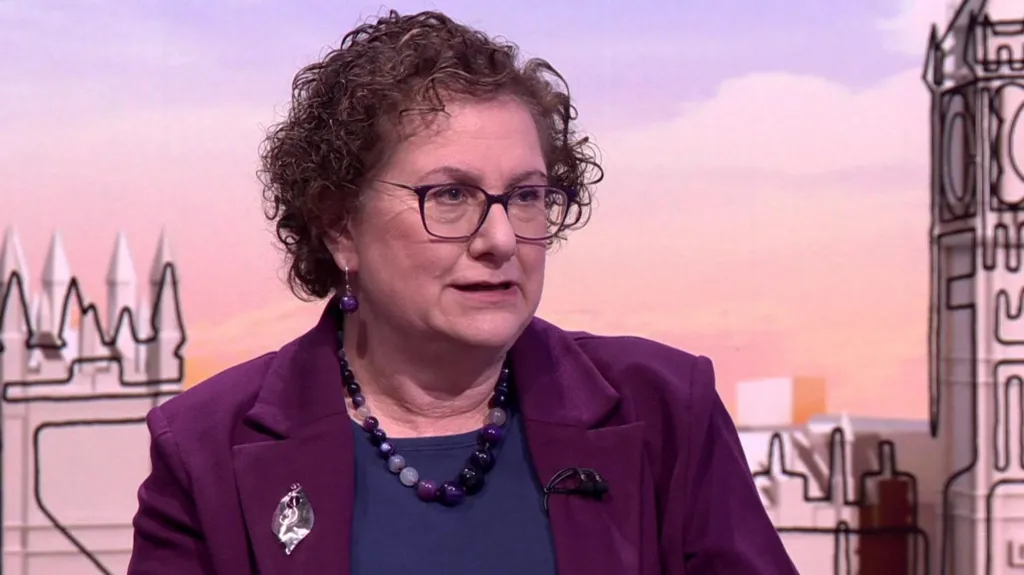
In a striking intervention on one of the United Kingdom’s most contentious social issues, David Cass, a prominent figure in public health and child welfare, has warned that children are being “weaponised” by both sides of the debate over transgender rights and healthcare. Speaking at a policy forum in London, Cass said that the welfare of young people has too often been sidelined in favour of political posturing, media spectacle and ideological battles rather than evidence‑based care and compassionate dialogue.
The debate around transgender issues — including access to gender‑affirming healthcare, school policies on inclusion, and how to support children questioning their gender identity — has become increasingly polarised. Cass argued that in the crossfire, children have been reduced to symbols rather than recognised as human beings with individual needs, fears, and rights. “Too often the young people at the centre of this issue are portrayed as pawns in a wider cultural conflict,” he said. “They are weaponised by both supporters and opponents of gender‑affirming care to score political points or to advance legislative agendas.”
Cass, whose work has spanned child development, mental health and public policy, emphasised that young people’s wellbeing should be the primary focus, not rhetorical battles. He cited evidence indicating rising rates of anxiety, depression and social isolation among adolescents, including those exploring questions of gender identity. “We must be careful not to amplify distress by framing every child questioning identity as either a problem to be solved or a threat to social norms,” he stated. “This harms the very individuals we claim to protect.”

The context for Cass’s remarks comes amid intense public controversy in the UK and elsewhere over how schools support transgender students, the availability and regulation of gender‑affirming treatments, and how media coverage shapes public perception. Campaigners on both sides have harnessed emotional narratives and headline‑grabbing rhetoric to mobilise support, but critics say these approaches can overshadow nuanced understanding and fail to reflect the lived experiences of young people.
Proponents of expanding transgender rights and healthcare argue that early access to supportive services, inclusive education and affirmation can significantly improve outcomes for transgender and gender‑diverse youth. They point to research showing reduced rates of suicide and improved mental health when young people feel supported and accepted. Many grassroots organisations and advocacy groups have pushed for reforms to reduce waiting times for healthcare, increase school protections, and counter discrimination.
However, opponents of certain gender‑affirming care policies — particularly for minors — argue that irreversible medical interventions should be approached with caution, and call for stricter guidelines, longer evaluation periods, and greater parental involvement. They contend that in some cases, children may be influenced by social trends or inadequate psychological support, and that safeguards must be strengthened to ensure decisions are made thoughtfully and carefully.
Cass acknowledged the complexity of these concerns, but urged that solutions must centre on children’s best interests, informed by empirical evidence and clinical expertise rather than combative politics. “No child should feel abandoned or chosen as a symbol in someone else’s fight,” he said. “We need genuine dialogue rooted in respect, compassion and scientific understanding.”
His remarks have drawn reactions from across the political and social spectrum. Some advocates welcomed the focus on child welfare, calling it a necessary corrective to inflammatory rhetoric. Others warned that reframing the debate should not dilute attention to issues such as access to care and legal protections for gender‑diverse individuals.
Parents and educators, meanwhile, echoed Cass’s concerns about the emotional toll that public controversy can have on children. One secondary school teacher said that pupils were increasingly anxious not just about personal identity questions, but about how media narratives and political disputes might affect their day‑to‑day lives and sense of belonging.

Public health officials have also stressed the importance of accurate information and robust support frameworks. They argue that policymakers must balance individual rights, clinical safety and community needs while avoiding language or policies that exacerbate anxiety and frustration among young people.
As the debate continues, Cass’s intervention marks a call for refocusing national conversations on protecting and supporting children rather than using them as instruments in wider cultural or political battles. How those involved in policymaking, advocacy, and caregiving respond to that call may shape legislative and social approaches to gender identity issues in the years ahead.
Related News:
 Kinnock’s Rebuke Echoes Loudly as Corbyn Allies Launch Left-Wing Breakaway: “A Gift to Farage”
 Trump Administration Dismisses 17 Immigration Judges, Sparking Debate Over Judicial Independence
 UK Must Act with Courage and Clarity on Israel-Palestine Conflict, Says Foreign Affairs Committee Report
 Labour Faces Standoff as NHS Strike Exposes Deeper Crisis
 The Fight for Trans Safety Is a Fight for Everyone’s Safety — MPs Must Debate This Crucial Issue
 Brian Cox Slams Donald Trump’s Remarks on Scottish Independence and Voices Support for Kevin Spacey’s Return to Acting
 Chancellor Faces Mounting Pressure Amid “Impossible Trilemma” Over Tax Rises
 Radioactive Leak at UK’s Nuclear Warhead Base Sparks Outcry Over Safety and Secrecy
 Mutual Inconvenience: Why Alaska Was Chosen for the Trump-Putin Summit on Ukraine
 Chancellor Rachel Reeves Pushes for Sweeping Changes to Environmental Protections to Accelerate Development
 Hong Kong Summons UK and Australian Envoys Following Asylum Grants to Democracy Activists
 Is the UK Ready to Put Boots on the Ground in Ukraine? Assessing Military Capacity and Challenges
 Police Scotland Spends £500,000 Compensating Officers Over Trump Visit
 Britain’s Migration Challenge: Rising Asylum Numbers and Hotel Pressures
 Elon Musk Sparks New Controversy by Backing Tommy Robinson Amid Farage Feud
 Rylan Clark Criticizes UK Immigration Policies on This Morning, Sparking Public Debate
 Farage Blasts Essex Council Over St George’s Flag Controversy, Calls Message ‘Unbelievable
 Urgent Action Needed on Windrush Compensation as Survivors Speak of “Waiting to Die”
 Tanni Grey-Thompson Faces Abuse Over Opposition to Assisted Dying Bill
 TfL Invites RMT to Resume Talks as London Tube Strikes End
 Channel Crossings Surge: Over 1,000 People Arrive in the UK in Small Boats in a Single Day
 Widow of Charlie Kirk Forgives Killer at Emotional Memorial Service
 Nigel Farage Unveils Controversial Immigration and Welfare Plans at Reform UK Press Conference
 Yvette Cooper Signals Global Momentum Towards Gaza Peace Deal Amid Humanitarian Crisis
 Ed Miliband Warns UK Government on X, Citing Elon Musk as a “Dangerous Influence”
 Kemi Badenoch Unveils ‘Golden Rule’ to Halve Spending Cuts for Deficit Reduction at Tory Conference
 UK border officers deployed to Balkans to tackle migrant smuggling
 UK MPs warn of repeat riots over online misinformation
 Russia’s Latest Push to Win US Favors Shows Deep Desperation
 Army Barracks to House Migrants as Hotels Phase Out
 Army Officers Orders to Cut Ties with Men-Only Clubs
 Trump’s UK Ambassador Urges North Sea Drilling to Strengthen US Ties
 French Taxi Driver Cleared in David Lammy Theft Case After Fare Dispute
BBC to Apologise Over Edited Trump Speech Amid Backlash
French Taxi Driver Cleared in David Lammy Theft Case After Fare Dispute
BBC to Apologise Over Edited Trump Speech Amid Backlash
 Britain deploys RAF specialists to assist Belgium with drone threats
 Millionaires group urge Reeves to introduce wealth tax to ‘lift kids out of poverty’
 Reeves rejects £1bn plea for NHS redundancy payouts
 PM Condemns Leaks, Vows Loyalty to Ministers and Stability
 Trump Urges Herzog to Grant Netanyahu Full Pardon
 Major Rent Reform Ends No-Fault Evictions in England
 Senator John Fetterman Hospitalized After Fall from Heart Flare-Up, Keeps Sense of Humor
 Indian authorities demolish Kashmir home linked to Red Fort blast
 Greene Pushes Epstein Files Amid Trump Fallout
 December Run-Off in Chile as Election Produces No Winner
 Canada Passes Carney’s First Budget in Tight Parliamentary Vote
 Shadow Fleet at Sea: Europe’s Battle Against Illicit Oil Shipping
 India’s COP30 Delay Raises Global Climate Concerns
 Georgians Defy Government Crackdown After Year of Protests
 US National Guard Member Killed in DC Shooting
 ICC to Rule on Duterte’s Provisional Release
 Starmer Says Labour’s Economic Plan Needs Years to Deliver
 England delays four mayoral elections amid criticism
 Tory Free Schools Waste £325m on Failed Projects
 Reform Candidate Sparks Fury Over Loyalty Comments
 Khaleda Zia Death in Bangladesh: First Female PM Dies at 80
 Russia losses Ukraine war peace talks intensify amid rising deaths
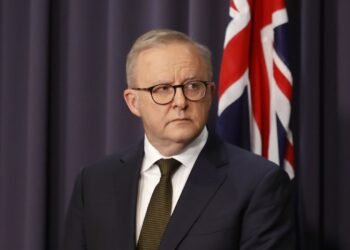 Albanese Opens Door to Bondi Royal Commission Amid Rising Pressure
 Trump Escalates Minnesota Immigration Surge Amid Rising Tensions
 Iran Protesters Defy Crackdown as Violent Clashes Intensify
 Homeland security agents deployed amid Minneapolis protests
 US Senate rejects resolution limiting Trump military powers
 Right Must Unite After Jenrick Defection, Urges Rees-Mogg
 EU weighs response amid Greenland tariff crisis with Trump
 UK Ministers Drop Foreign Student Targets for Global Education Push
 No Gas Boiler Ban as UK Warm Homes Plan Backs Heat Pumps
 Shinzo Abe’s killer receives life sentence in Japan
 American democracy faces crisis after Trump’s return
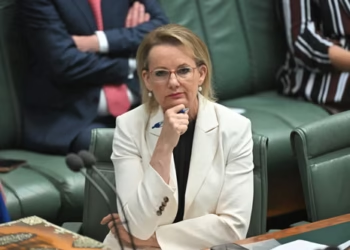 Sussan Ley leadership milestone shakes Liberal future
 EU Says US Ties Have Suffered ‘Big Blow’ After Greenland Crisis
 Satire Can Skewer Trump, But It Won’t Save Democracy
 Police response times face strict new national limits
 Labour policing overhaul sparks fears over growing central control
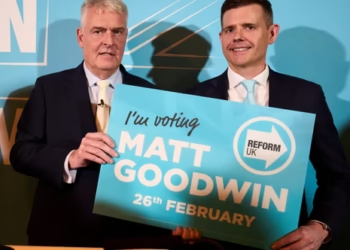 Starmer warns of toxic division politics in Reform challenge
 Keir Starmer Signals UK China Reset With Xi Visit Possibility
 Israel Moves to Bar MSF From Gaza Operations
 Palantir contracts face UK halt calls over transparency
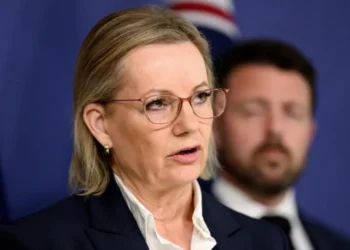 Australia’s Opposition Coalition Reunites After Rift
 Diane Abbott Slams Applause for Keir Starmer as PM Vows to Stay On After Mandelson-Epstein Row
 Nurses’ families fear breakup under UK immigration crackdown
 ‘Trump Will Be Gone in Three Years,’ Top Democrats Tell Europe