Published: 05 December 2025. The English Chronicle Desk. The English Chronicle Online
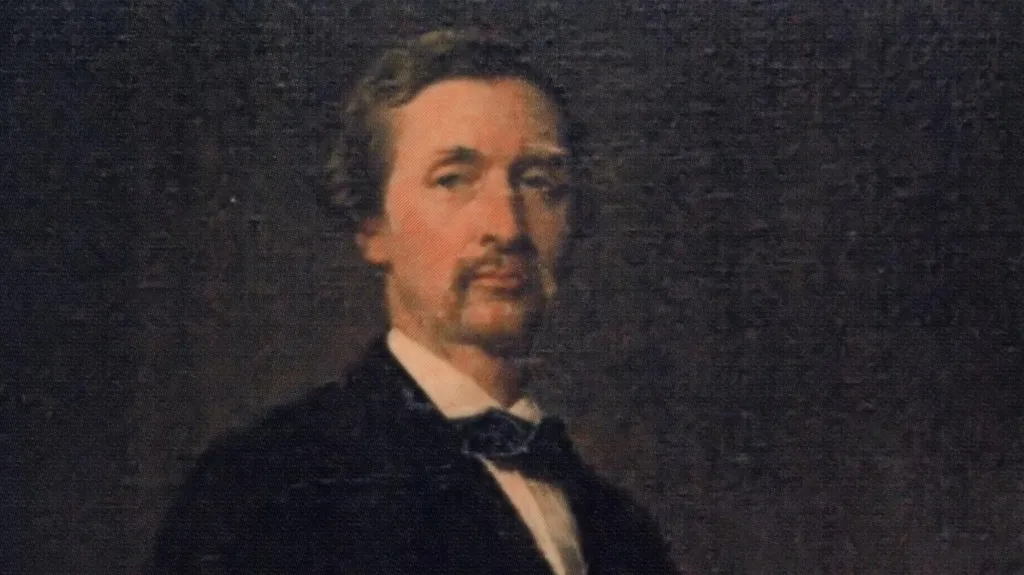
In the late 19th century, a member of Britain’s aristocracy made a decision that would challenge social conventions and leave a unique mark on religious history. Lord Headley, born Rowland George Allanson-Winn in 1855, is widely regarded as the first British peer to convert to Islam, a move that drew fascination, admiration and criticism in equal measure during the Victorian and Edwardian eras.
Raised within the traditions of the Anglo-Irish aristocracy, Headley inherited his title as the fifth Baron Headley and pursued a career as a civil engineer. Educated and well-travelled, he developed a deep interest in theology and comparative religion. His exposure to Islamic scholarship and conversations with Muslim intellectuals gradually shaped his spiritual outlook, leading him to formally embrace Islam in 1913.

His conversion was not a quiet or private affair. At a time when the British Empire governed millions of Muslim subjects across South Asia, the Middle East and Africa, a peer of the realm publicly adopting Islam carried symbolic weight. Newspapers of the period reported extensively on his declaration of faith, with reactions ranging from curiosity to hostility. Some critics viewed the move as a rejection of Britain’s Christian heritage, while others interpreted it as an example of intellectual independence and religious freedom.
Lord Headley defended his choice in speeches and writings, arguing that Islam’s emphasis on monotheism, discipline and moral responsibility resonated with his personal convictions. He maintained that his conversion did not diminish his loyalty to Britain, but rather reflected a sincere spiritual journey. In public addresses, he often emphasised common ground between Christianity and Islam, urging mutual respect and understanding.
Following his conversion, Headley became an advocate for Muslim causes within Britain. He supported the construction of mosques and worked alongside prominent Muslim figures of the era to promote interfaith dialogue. His involvement helped raise awareness of the presence and contributions of Muslim communities within the United Kingdom, long before multiculturalism became part of mainstream political discourse.
His position within the aristocracy made him a bridge between different worlds. As a member of the House of Lords, he embodied the British establishment, yet his faith aligned him with communities often marginalised in domestic discussions. This dual identity gave his voice particular resonance during a period marked by imperial politics and shifting global alliances.
Historians note that his conversion also reflected broader currents of the time. The Victorian era witnessed growing interest in Eastern philosophies and religions among sections of Britain’s intellectual elite. Travel, scholarship and imperial contact exposed many Britons to cultures beyond Europe, prompting some to question inherited assumptions about faith and identity.
Despite facing social pressure, Lord Headley remained steadfast in his beliefs until his death in 1935. He is remembered not only for his aristocratic lineage but also for his willingness to cross cultural and religious boundaries at a time when such decisions carried significant personal risk.
Today, his story is often revisited in discussions about faith, identity and Britain’s diverse religious heritage. The example of a Victorian peer who embraced Islam underscores the long and sometimes overlooked history of Muslim presence and influence in British society. His life serves as a reminder that questions of belief and belonging have shaped the nation’s story for centuries, often in unexpected ways.
Related News:
 EXCLUSIVE: Shamed Andrew’s New Humiliation as King Lays Down New Rule After Royal Lodge Boot
 Labour Utterly Humiliated by Straight-Talking Mum Who Cut Through Keir Starmer’s Insanity
 Royal Family LIVE: ‘Pariah’ Andrew Mountbatten-Windsor Sparks Fresh Revolt Among Staff
 GMB Issues Bombshell Andrew Update Minutes Into Show as Furious Viewers ‘Switch Off’
 Possessions Stuck in Unsafe Flats Two Years On
 Stay Away from Collapsed Road, Council Urges
 Tributes to Hospital’s First Black Ward Sister
 Renters Furious as Decent Homes Standard Delayed Until 2035
 UK Must Act with Courage and Clarity on Israel-Palestine Conflict, Says Foreign Affairs Committee Report
 The Ketamine Crisis in the UK is a Silent Epidemic Leaving Users with Lifelong Pain
 London Set to Honour Euro 2025 Champions as Lionesses Take Victory Parade Through the Capital
 Targeted Attack in Bury Sparks Murder Investigation as Community Awaits Justice
 Princess of Wales Launches Animated Video Series to Support Early Childhood Development
 Heartbreak in the New Forest as Shetland Ponies Vanish, Community on Edge
 Radioactive Leak at UK’s Nuclear Warhead Base Sparks Outcry Over Safety and Secrecy
 Fire Contained at Edinburgh’s Arthur’s Seat After Overnight Battle by Firefighters
 Premier League Supercomputer Predicts Tough Season for Man Utd Amid Three-Team Title Battle
 Mystery Wallaby Spotted on Norfolk-Suffolk Border Sparks Police Appeal
 UK Weather: Heat Alerts Extended as Temperatures Set to Reach 30°C This Weekend
 Terence Stamp, ’60s British Film Legend and Star of Superman, Dies at 87
 Merseyside Police Helicopter Crew Cleared After Low-Altitude Pursuit of Suspect
 Is the UK Ready to Put Boots on the Ground in Ukraine? Assessing Military Capacity and Challenges
 Education Leaders Call for End to Compulsory GCSE Resits in English and Maths
 Police Scotland Spends £500,000 Compensating Officers Over Trump Visit
 Thousands of New School Nursery Places to Be Rolled Out Across England
 Urgent Action Needed on Windrush Compensation as Survivors Speak of “Waiting to Die”
 Tanni Grey-Thompson Faces Abuse Over Opposition to Assisted Dying Bill
 Rising Food Bank Dependence Highlights Deepening Hardship Across the UK
 Birmingham Bin Strike Enters Sixth Month as Negotiations Stall
 TfL Invites RMT to Resume Talks as London Tube Strikes End
 Over 40% of Private Renters Forced to Ration Energy to Afford Bills, Study Reveals
 Systemic Racism in Maternity Care Continues to Endanger Black Women in England, MPs Warn
 One in Three GPs in England Do Not Work in NHS, Raising Concerns Over Access to Care
 Northern Ireland Faces Fears of Prolonged Race Riot “Permacrisis”
 Nigel Farage Unveils Controversial Immigration and Welfare Plans at Reform UK Press Conference
 Great Britain’s Energy Operator Commits to Strengthening Grid to Prevent Blackouts
 Scottish Teenager’s Petition on Single-Use Plastics Gains Parliamentary Support
 White Low-Income Pupils in England Show Lowest Levels of School Engagement, Study Finds
 Ed Miliband Warns UK Government on X, Citing Elon Musk as a “Dangerous Influence”
 No Evidence Found to Substantiate Alleged Rape in Oxfordshire Churchyard, Police Confirm
 UK House Price Growth Slows as Buyers Exercise Caution Ahead of Autumn Budget
 Kemi Badenoch Unveils ‘Golden Rule’ to Halve Spending Cuts for Deficit Reduction at Tory Conference
 Massive London Poundland Fire Engulfs High Street
 Sussexes Warn on Children’s Phone Use Echoing Princess of Wales
 Paedophile Singer Ian Watkins Dies After Prison Attack
 UK border officers deployed to Balkans to tackle migrant smuggling
 UK MPs warn of repeat riots over online misinformation
 Giuffre’s bombshell memoir names Prince Andrew 88 times in shocking revelations
 M&S and Morrisons Lead Christmas Supermarket Taste Test
 Reeves Faces Setback as Labour May Miss Homes Target
 Kate Winslet to Narrate Film Highlighting King’s Environmental Mission
 Trump’s UK Ambassador Urges North Sea Drilling to Strengthen US Ties
 UK Bans Fake Numbers: Scammers Lose Their Trick
 Millionaires group urge Reeves to introduce wealth tax to ‘lift kids out of poverty’
 Reeves rejects £1bn plea for NHS redundancy payouts
 PM Condemns Leaks, Vows Loyalty to Ministers and Stability
 Inside the Helpline Protecting Missing Children in the UK
 PlayStation PS5 Deals Hit Lowest Prices Ahead of Black Friday
 Five-Year-Old Dies After Rare Tonsil Surgery Complication
 Starmer Says Labour’s Economic Plan Needs Years to Deliver
 Historic £100-Weekly Pension Boost Brings Relief for UK Mineworkers
 Children to Receive Home Vaccines as England Acts
 Cambridge College Faces Backlash Over Private School Recruitment
 Bereaved Fathers Gain New Paternity Leave Rights in UK
 Woman Jailed for Life After Killing E-Bike Rider in Tragic Mistaken Identity Case
 No Gas Boiler Ban as UK Warm Homes Plan Backs Heat Pumps
 Police response times face strict new national limits
 Devon hosts first high-density hydro power system
 Pornhub blocks new UK users over age checks dispute
 UK New Car Discounts Near £6,000 as Prices Are Slashed
 Pneumonia Surge Pushes England Emergency Cases Higher
 South Africa’s Garden Route Gem Faces Looming Water Crisis
 Draft Severe Weather Plan Following Storm Flooding
 What is Groundwater Flooding and Why Dorset is Seeing ‘Historical Highs’
 ‘Daejaun Was Drawn Deeper Into Danger,’ Says Heartbroken Mother
 Pound Sinks and Borrowing Costs Rise as Starmer Fights for Job
 Major UK Clothing Firm Collapses into Administration — 109 Jobs at Risk
 Send spending gap leaves deprived areas behind
 William Wanted Andrew BANISHED and Rowed With Charles Over ‘Stain on Royal Family’
 Could Manchester Lead the UK’s Economic Revival?