Published: 16 February 2026. The English Chronicle Desk. The English Chronicle Online.
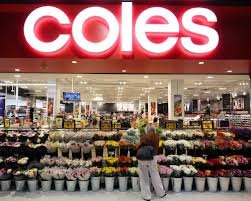
The Coles discounts case has moved into the spotlight as a major legal battle unfolds in Australia’s Federal Court. At the centre of the dispute are allegations that Coles discounts misled shoppers through pricing tactics described as technically accurate but fundamentally deceptive. The Australian Competition and Consumer Commission, widely known as the ACCC, argues that Coles discounts concealed real price rises behind promotional campaigns that appeared generous at first glance. As proceedings began in Melbourne, the regulator outlined claims that the supermarket giant breached consumer law by presenting illusory savings to millions of customers.
The case is being heard before Justice Michael O’Bryan in the Federal Court. The regulator contends that Coles engaged in comparative “was/is” pricing strategies across at least 245 products between February 2022 and May 2023. According to the ACCC, these strategies temporarily inflated prices before advertising modest reductions as part of the retailer’s widely promoted “Down Down” campaign. While the advertised discounts were literally correct in isolation, the watchdog claims they were also utterly misleading when viewed in full context.
The courtroom heard detailed submissions from barrister Garry Rich SC, representing the ACCC. He provided examples that illustrate how the pricing patterns operated. One such example concerned 1.2kg cans of Nature’s Gift wet dog food. The product was sold at four dollars for nearly ten months, amounting to 296 days. The price then rose sharply to six dollars for just one week. Shortly afterwards, the price dropped to four dollars and fifty cents, promoted as a special offer under the “Down Down” banner, with signage stating the item “was” six dollars.

Rich argued that although the four-dollar-fifty price was technically lower than the six-dollar figure, the representation distorted the product’s true pricing history. In his submission, a reasonable consumer aware of the earlier long-term price would not consider the advertised reduction a genuine saving. The regulator maintains that Coles discounts relied on brief price spikes to establish an inflated reference point, which was then used to create the appearance of value.
The ACCC alleges that similar tactics were applied to a wide range of everyday grocery items. These include well-known brands such as Rexona deodorant, Arnott’s Shapes biscuits, and two-litre bottles of Coca-Cola. Each product forms part of a sample that will be scrutinised during the ten-day hearing. The regulator contends that in many cases the final promotional price was equal to, or even higher than, the original long-standing price. As a result, shoppers may have believed they were benefiting from meaningful reductions when the reality was more complex.
Coles, one of Australia’s largest supermarket chains, controls a significant share of the grocery market alongside Woolworths. Together, the two retailers account for roughly two-thirds of national grocery sales. The outcome of this case could therefore have implications that extend far beyond a single company. A parallel case involving Woolworths is expected to follow, meaning the broader supermarket industry may face heightened scrutiny in the months ahead.
In court, the ACCC argued that Coles reduced internal guardrails governing how long a new price needed to remain in place before being advertised as discounted. Previously, products were required to stay at a revised price for twelve weeks before qualifying for promotion. This threshold was reportedly shortened to four weeks. The regulator claims that even this revised standard was not consistently observed. Nearly half of the products examined allegedly failed to comply with the supermarket’s own updated rules.
Another example presented to the court involved Karicare baby formula. According to the ACCC’s submissions, the product was sold at eighteen dollars for more than two years, spanning 794 days. The price then increased to twenty-four dollars for just over three weeks. Soon after, it was reduced to twenty-one dollars and advertised as a discounted item. The regulator asserts that the twenty-four-dollar price was always intended to be temporary, serving primarily to justify the later promotional claim.
Rich told the court that such pricing sequences were not random. Instead, he suggested they were coordinated with suppliers to manage wholesale cost increases while preserving sales momentum. By briefly lifting prices and then presenting modest reductions as Coles discounts, the retailer could introduce higher regular prices without triggering a sharp decline in demand. The court heard that weekly sales revenue for the baby formula rose significantly when the product was advertised as being on sale, compared with periods without promotional signage.
Coles is expected to defend its practices by pointing to genuine increases in supplier costs during a period marked by global supply disruptions and inflationary pressure. Retailers worldwide have faced higher input costs for energy, transport, and raw materials. The company is likely to argue that price adjustments were necessary and reflected broader economic conditions rather than deliberate attempts to mislead customers.
The timing of the hearing coincides with renewed concern over inflation. Australia’s consumer price index rose by 3.8 per cent in the twelve months to December 2025, up from 3.4 per cent in the previous month’s annual measure. Food and non-alcoholic beverages were significant contributors to the overall increase, according to official statistics. For many households, grocery bills remain a visible symbol of financial strain, intensifying sensitivity to pricing practices and promotional claims.
Legal experts note that the case hinges on how an ordinary consumer would interpret the advertised savings. Australian consumer law prohibits conduct that is misleading or deceptive, even if individual statements are factually accurate. The ACCC’s position is that context matters. A short-lived higher price may not provide a fair benchmark for assessing genuine value. If the court agrees, the ruling could reshape how supermarkets structure promotional campaigns.
The regulator is seeking substantial financial penalties and community service orders against Coles. While the exact figures will depend on the court’s findings, any significant penalty would send a strong message to the retail sector. Consumer advocates have welcomed the scrutiny, arguing that transparent pricing is essential in a concentrated market where competition is limited.

For shoppers, the case raises broader questions about how discounts are perceived. Promotional tags often influence purchasing decisions, particularly during periods of economic uncertainty. If a reduction is framed against an artificially high previous price, the psychological impact may differ sharply from the economic reality. The ACCC argues that maintaining trust requires clarity about genuine price movements over time.
As the hearing continues in Melbourne, both sides will present further evidence and expert testimony. The proceedings are expected to examine internal documents, communications with suppliers, and detailed sales data. Observers suggest that the judgment could establish important precedents for comparative pricing practices across Australia.
The Coles discounts dispute therefore represents more than a technical argument over numbers on shelf labels. It touches on transparency, consumer confidence, and the responsibilities of dominant retailers during challenging economic times. The Federal Court’s decision, once delivered, may influence how promotions are designed and regulated for years to come. For now, the spotlight remains firmly on the courtroom, where the boundaries between literal truth and meaningful fairness are being carefully tested.
Related News:
 UPS Cargo Plane Crash in Kentucky Kills Seven
 US private equity set to acquire UK online retailer Very Group
 Switzerland Rolls Out Charm Offensive to Cut Trump’s 39% Tariffs
 Canada Passes Carney’s First Budget in Tight Parliamentary Vote
 India’s Labour Law Overhaul Sparks Fierce Debate
 Carney’s Alberta Pipeline Deal Sparks Immediate Pushback
 Austrian Airlines Halts Tehran Flights Amid Political Unrest
 Mark Carney Walks Diplomatic Tightrope on China Visit
 Wall Street shaken by Trump tariff shock as markets tumble
 ‘Black Tax’: Burden, Pride and Survival for African Workers
 UK New Car Discounts Near £6,000 as Prices Are Slashed
 China’s crackdown on civil servant perks sparks economic concerns
 Shein UK Faces Allegations of Shifting Majority of Profits to Singapore to Reduce UK Tax
 Reeves Faces Setback as Labour May Miss Homes Target
 Virgin Trains Moves Closer to Challenging Eurostar Monopoly
 Trump’s UK Ambassador Urges North Sea Drilling to Strengthen US Ties
 Ryanair Chief UK Economy ‘Doomed’ Under Labour
 M&S Profits More Than Halve After Cyber-Attack
 Just Stop Oil Protesters Convicted Amid Climate Defence Row
 Earl of Yarmouth Faces £1.3m Legal Bill Over Family Estate
BBC to Apologise Over Edited Trump Speech Amid Backlash
Earl of Yarmouth Faces £1.3m Legal Bill Over Family Estate
BBC to Apologise Over Edited Trump Speech Amid Backlash
 Britain deploys RAF specialists to assist Belgium with drone threats
 Palace May Restore Hyphen to Andrew Mountbatten-Windsor’s Name
 Millionaires group urge Reeves to introduce wealth tax to ‘lift kids out of poverty’
 From Lego to Pokémon: How Adults Are Driving UK Toy Market Growth
 New laws to bolster UK’s defences against cyber attacks on NHS, transport and energy
 Greene Pushes Epstein Files Amid Trump Fallout
 Trump Deploys DHS to Charlotte in Major Arrest Operation
 December Run-Off in Chile as Election Produces No Winner
 Zelenskyy Signs Fighter Jet Deal Amid Russian Drone Attacks
 Orban Says Ukraine Has ‘No Chance’ as EU Support Continues
 Shadow Fleet at Sea: Europe’s Battle Against Illicit Oil Shipping
 Tiny Curacao Makes History as Smallest Nation to Reach World Cup
 Haiti Qualifies for World Cup Despite Coach Never Visiting Country
 Deadly Russian Strikes Hit Western Ukraine, 20 Killed in Ternopil
 Pentagon Officials in Ukraine to Discuss War End
 Ukraine Peace Plan: Zelensky Ready for Dialogue
 Venezuela Threatens Nobel Winner Machado with Fugitive Status
 Royal Navy Shadows Russian Warships Entering the Channel
 US Suspends Afghan Immigration After White House Shooting
 Two National Guard Soldiers Critically Injured Near White House
 Georgians Defy Government Crackdown After Year of Protests
 Southern Lebanon reels as Israeli strikes shatter communities
 Tokyo court rules Japan’s same-sex marriage ban constitutional
 Starmer Says Labour’s Economic Plan Needs Years to Deliver
 Virgin Media Fined £23.8m Over Telecare Safety Failures
 ‘Extinct’ Antelope Returns to Sahara, Bringing Hope
 EU plans $105bn Ukraine aid using frozen Russian assets
 American Mother Extradited From UK to U.S. on Murder Charges
 Russia losses Ukraine war peace talks intensify amid rising deaths
 Facebook Slow to Remove Bondi Attack Praise, Anti-Hate Group Claims
 Australian Cruise Ship Freed After Reef Grounding in Papua New Guinea
 FTSE 100 Hits 10,000: UK Market Celebrates Record Year
 UK House Prices Fall Sharply at Year-End, Nationwide Reports
 US Cities Erupt in Protests Against Trump’s Venezuela Military Action
 Albanese Opens Door to Bondi Royal Commission Amid Rising Pressure
 Trump Escalates Minnesota Immigration Surge Amid Rising Tensions
 Wessex Water chiefs receive £50,000 extra despite government bonus ban
 Iran Protesters Defy Crackdown as Violent Clashes Intensify
 US Clears Nvidia AI Chip Sales to China in Policy Shift
 Trump Threatens Strong Action If Iran Executes Protesters
 Gulf states warn Trump Iran strikes risk wider Middle East war
 Machado Trump medal gesture reshapes Venezuela power struggle
 Canada-China trade gains momentum in new strategic partnership
 EU weighs response amid Greenland tariff crisis with Trump
 Syria President Declares Victory as Ceasefire Reached with SDF
 Sydney Shark Attack Surge Shocks Australia Beaches
MPs warn AI financial risks threaten UK stability
Sydney Shark Attack Surge Shocks Australia Beaches
MPs warn AI financial risks threaten UK stability
 Thousands Flee Cambodia Scam Centres Amid Global Pressure
 EU Says US Ties Have Suffered ‘Big Blow’ After Greenland Crisis
 Andrew Hastie Emerges as Leadership Rival to Ley
 US Dollar Hits Four-Year Low Amid Market Turmoil
 Amazon mistakenly signals new global layoffs to employees
 Households in England Face Rising Water Bills in April
 Videos reveal earlier clash before Alex Pretti shooting
 Israel Moves to Bar MSF From Gaza Operations
 Tragic Ski Lift Accident Claims Australian Snowboarder
 Portugal Election Delivers Socialist Win as Far Right Surges
 Telstra AI jobs cuts as automation drive expands
 BT Names New Openreach Chief Amid Major Fibre Expansion