Published: 16 February 2026. The English Chronicle Desk. The English Chronicle Online.
In a tumultuous chapter of British political news, Labour Together probe has become the centre of fierce scrutiny as the Cabinet Office confirms it is examining claims linked to journalists’ investigation of UK policy funding and press freedoms. The focus on Labour Together probe emerged when a controversial report, commissioned by the thinktank and produced by a PR firm, included disputed information about reporters who were probing the organisation’s finances, sources confirmed this morning. As Westminster grapples with the implications, the spotlight on Labour Together probe has forced government figures and opposition voices alike to confront questions about transparency and accountability in political communications.
The controversy centres on a 2023 contract between the pro‑Starmer thinktank and global consultancy APCO Worldwide, which was reportedly paid to analyse the “sourcing, funding and origins” of a Sunday Times article detailing undeclared donations to Labour Together before the 2024 general election. Within that investigation, the firm’s findings allegedly included personal and unverified material about journalists’ backgrounds, including references to faith, professional relationships and speculative claims about the origins of leaked documents. Critics say the inclusion of such material crossed a line from legitimate research into an attempt to discredit reporters.

Labour Together probe has now drawn governmental oversight, with Cabinet Office officials saying they will “establish the facts” surrounding how the disputed report was compiled and disseminated. Science and Technology Secretary Liz Kendall emphasised the importance of press freedom in a democratic society and noted that an industry regulator, the Public Relations and Communications Association, is also conducting its own review of the PR firm’s conduct. This dual scrutiny underscores how seriously watchdogs and political leaders are treating the allegations connected to Labour Together probe.
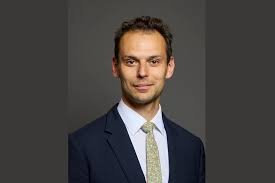
The row has not been confined to bureaucratic circles but has spilled into parliamentary debate. Conservative MPs and some Labour figures have written to senior party officials, demanding a broader inquiry into the decisions that led to the commissioning of the report and the role played by key individuals associated with Labour Together. Among those questioned is Josh Simons, now a Cabinet Office minister, who was head of the thinktank when the PR contract was signed. Simons has acknowledged parts of the report went beyond the original remit but maintains he requested the problematic segments be redacted before passing information on to intelligence agency GCHQ, while denying any intent to investigate journalists themselves.
As global media have reported, the fallout from Labour Together probe extends beyond political infighting; it raises broader concerns about ethical standards for thinktanks, lobbying practices, and how political organisations respond when scrutinised by independent press. In recent days, senior Labour figures have sought to distance themselves from the controversy, with statements emphasising their commitment to democratic norms and free journalism. The intensity of public and political reaction has placed fresh pressure on party leadership to clarify what oversight mechanisms were in place when the original report was commissioned.

Opposition MPs argue that the publication of personal and unverified information about journalists in a report funded by a group closely tied to a governing party undermines public trust. They say this episode highlights the need for clearer ethical guardrails around political communications and external consultancy work linked to influential organisations. Some commentators suggest that Labour Together probe could become a pivotal moment in debates about safeguarding journalistic independence and the responsibilities of public figures when engaging with private investigations.
Prime Minister Sir Keir Starmer has publicly stated he had no prior knowledge of the full details of the investigation or the controversial aspects of the APCO report, affirming that the Cabinet Office review is necessary to establish what happened and ensure proper procedures were followed. His response reflects a government eager to allay concerns about transparency but defensive about accusations of complicity by association. Critics remain unconvinced, however, and have reiterated calls for an independent inquiry that would examine the political as well as procedural dimensions of Labour Together probe.
International and UK media outlets have also covered the unfolding story, noting that the issue touches on universal themes of media freedom, political influence and the ethics of public affairs work. The ongoing nature of the investigation means that additional developments are likely in the coming weeks, as regulators, journalists and politicians alike await fuller disclosure of the materials and decision‑making processes behind the disputed report. Whatever the outcome, the spotlight on Labour Together probe has already sparked intense discussion about the balance between political strategy and respect for an independent press.
Related News:
 British Woman in Iran ‘Losing Hope’ Amid Ongoing Detention
 BBC Journalist Held and Interrogated in Vietnam
 Green Party Surges Past Labour in Latest UK Poll
 Celebrities and Charities Demand UK Government Act on Child Poverty
 Trump’s UK Ambassador Urges North Sea Drilling to Strengthen US Ties
 FBI Director Kash Patel Defends Girlfriend Amid Government Jet Claims
 French Taxi Driver Cleared in David Lammy Theft Case After Fare Dispute
 MPs Press Rachel Reeves to Hike Gambling Taxes
 Boris Johnson accused of undermining BBC leadership
 ‘Reckless’ cuts to victims’ services will cost more than they save
 Millionaires group urge Reeves to introduce wealth tax to ‘lift kids out of poverty’
 Starmer Faces Growing Dissent as Labour MPs Weigh Leadership Challenge
 Reeves rejects £1bn plea for NHS redundancy payouts
 Farage appointee to lead Reform youth accused of anti-British views
 Politics latest: Starmer ‘will fight any leadership coup’ as Streeting denies attempt to oust Labour PM
 PM Condemns Leaks, Vows Loyalty to Ministers and Stability
 Major Rent Reform Ends No-Fault Evictions in England
 Peers Flood Assisted Dying Bill with 942 Amendments
 England’s Special Needs Support Faces Breaking Point
 MoD warned over Excel risks before Afghan data breach
 UK Asylum Overhaul Sparks Debate Over Human Rights and Deportations
 UK Asylum Reforms: Temporary Refugee Status and Faster Deportations
 UK Candidate Moved to Safe House After Election Threats
 Mahmood Defends Tough Overhaul of UK Asylum System
 UK Warns China After MI5 Issues Espionage Alert
 Westminster Advances Legacy Bill Amid Criticism
 UK Vulnerable to Attack, Defence Committee Finds
 Labour Faces Historic Decline in Wales
 Rama Rebukes Mahmood for Targeting Albanian Families
 PM Highlights UK Business at G20 in South Africa
 Kate Forbes: Motherhood Harder Than Politics
 Welsh Government Christmas 2020 Lockdown Criticised
 Most Tories Expect to Support a Farage-Led Government
 Labour MP claims devolution bill is ‘blatant discrimination’ against Cornwall
 Millions Face Higher Taxes Under Reeves New Budget
 Peers Get Extra Time to Debate Assisted Dying Bill
 Planned Palestinian Flag Raising at Belfast City Hall Faces Delay Amid Legal Concerns
 Government righting decades-old injustice for miners
 Starmer Says Labour’s Economic Plan Needs Years to Deliver
 UK delays ruling on China embassy plan until January
 Culture secretary to review Telegraph takeover by Daily Mail owner
 Andy Burnham Apologises for Past LGBTQ+ Police Discrimination
 Reeves Slams Farage Over Two-Child Benefit Cap Opposition
 Mandelson Refuses Apology Over Epstein Ties
 Plans to Limit Jury Trials Face Retreat After Mounting Opposition
 Jenrick Reform defection deepens Tory civil war
 China Dependence Threatens UK Energy Supply Chains and Jobs
 Right Must Unite After Jenrick Defection, Urges Rees-Mogg
 Romford MP Andrew Rosindell defects to Reform UK
 UK Ministers Drop Foreign Student Targets for Global Education Push
 MPs warn AI financial risks threaten UK stability
 MPs warn AI financial risks threaten UK stability
 No Gas Boiler Ban as UK Warm Homes Plan Backs Heat Pumps
 Hugh Grant Joins Call for Under-16 Social Media Ban in UK
 Shinzo Abe’s killer receives life sentence in Japan
 US Africa aid remarks spark anger after leaked State email
 Lords Vote Piles Pressure on Starmer Over Social Media Ban
 Planned Troubles Board Game Sparks Outrage in Northern Ireland
 Reform UK Health Plan ‘Would Cost £1.7bn’, Streeting Says
 Police response times face strict new national limits
 Labour policing overhaul sparks fears over growing central control
 Tories criticised after Braverman defection sparks mental health row
 Burnham Westminster return hopes fade amid Labour rift
 Starmer warns of toxic division politics in Reform challenge
 Starmer China visit raises human rights pressure on Beijing
 Labour Must Revive High Streets to Avoid Election Collapse
 Conservative Party Rejects Centrism Under Badenoch’s Leadership
 Calls Grow for King Charles to Apologise for Crown’s Role in Slavery
 Starmer Signals UK Return to EU Defence Pact Talks
 Starmer crisis deepens as Labour MPs turn on PM
 Palantir contracts face UK halt calls over transparency
 Labour Thinktank Row Deepens Over Journalist Probe Claims
 Morgan McSweeney downfall shocks Labour leadership
 Sarwar call shakes Labour as No 10 calms fears
 Starmer Aide Loses Lords Role in Doyle Whip Row
 Labour Lord Doyle Apologises Over Paedophile Ties in Political Storm
 Palestine Action Verdict Sparks Debate on Activist Tactics
 Cabinet Secretary Shake-Up Triggers Due Diligence Warning
 Starmer Faces Inquiry Calls Over Thinktank Probe
 Royal Mail Delivery Crisis Deepens Amid Weather Chaos