Published: 05 December 2025. The English Chronicle Desk. The English Chronicle Online
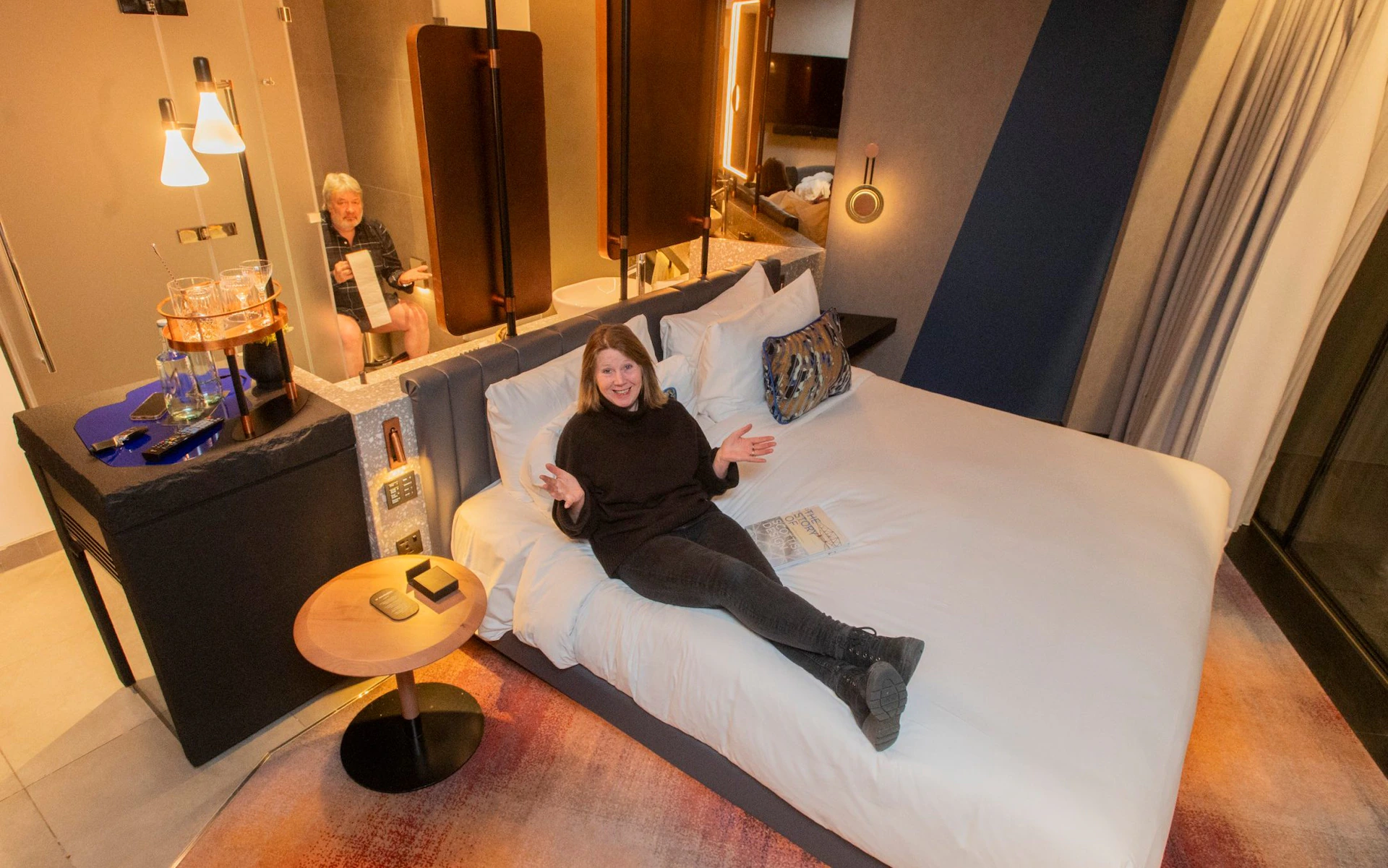
For decades, hotel bathrooms were defined by solid wooden doors, frosted locks and the reassuring sense of privacy they provided. Today, however, many travellers are encountering something entirely different: sliding glass panels, semi-transparent partitions, barn-style doors with gaps, or in some cases, no proper door at all. The shift has sparked frustration, humour and debate in equal measure. So what exactly happened to bathroom doors in hotels?
The trend did not emerge overnight. Over the past fifteen years, hotel design philosophy has undergone a noticeable transformation. Modern properties, particularly boutique and lifestyle brands, have prioritised open-plan aesthetics, natural light and space efficiency. In pursuit of sleek minimalism, traditional bathroom enclosures have often been replaced with glass walls or sliding mechanisms that blur the boundary between bedroom and bathroom.
Large global chains have embraced this style in varying degrees. Properties under brands such as Marriott International and Hilton have introduced room concepts featuring partial partitions or translucent panels, especially in city-centre and design-led hotels. The reasoning is often framed around contemporary appeal and the perception of larger room space.

Interior designers argue that removing heavy wooden doors allows more natural light to flow through compact rooms. In densely built urban hotels where floor space is limited, glass partitions can create the illusion of openness. Frosted or tinted panels are frequently used to balance privacy with brightness. Sliding barn-style doors, meanwhile, are marketed as space-saving solutions compared with traditional swing doors.
Yet many guests remain unconvinced. Privacy concerns are the most common complaint. Even frosted glass can cast silhouettes, and sliding doors often leave visible gaps at the sides. Sound insulation is frequently reduced compared with solid doors, adding to discomfort for couples, families or business travellers sharing accommodation.
Hotel operators defend the design evolution by pointing to changing travel patterns. Solo travellers now account for a substantial share of urban hotel bookings, particularly in business districts. For single occupancy, open-plan bathrooms may present fewer issues. Younger travellers, accustomed to contemporary apartment design and studio living, are also viewed as more receptive to unconventional layouts.
Cost considerations play a role as well. Sliding panels and modular glass installations can sometimes reduce construction complexity in new-build projects. Maintenance teams note that certain sliding systems are easier to repair than traditional hinged doors, particularly in high-traffic hospitality environments.
However, critics argue that design trends may have outpaced guest preference. Travel forums and review platforms frequently feature complaints about insufficient privacy, especially among older travellers or families. In response, some hotels have quietly reintroduced more traditional bathroom doors in refurbishments, suggesting that the pendulum may be swinging back.
Industry analysts point out that the shift coincided with the rise of boutique hotel culture in the early 2010s. Influenced by loft-style living and industrial aesthetics, designers favoured exposed materials, visible plumbing and open sightlines. The bathroom became part of the room’s visual statement rather than a concealed utility space. This concept appealed to marketing imagery, where bright, open interiors photograph well for websites and social media.
The pandemic years also reshaped hospitality priorities. Hygiene and airflow became central concerns. Some operators reassessed enclosed layouts to improve ventilation systems. Yet at the same time, heightened awareness of personal space renewed conversations about privacy and comfort.
Regional differences are noticeable. European city hotels, where space constraints are acute, have often adopted glass-heavy designs more aggressively than larger resort properties in North America or the Middle East. Luxury hotels tend to balance modern transparency with clever architectural separation, using opaque sliding walls or electronically switchable glass that can turn from clear to frosted at the touch of a button.
For business travellers, functionality often outweighs aesthetic appeal. A well-insulated door that guarantees discretion during early morning conference calls or shared stays is frequently valued over visual continuity. Families travelling with children also tend to prefer conventional layouts, especially when coordinating routines in confined spaces.

Hotel consultants suggest that guest feedback is increasingly influencing redesign decisions. Some properties now offer hybrid solutions, combining glass panels with full-height sliding doors that close completely. Others incorporate textured finishes or layered screens to preserve light without sacrificing privacy.
Ultimately, the disappearance—or transformation—of bathroom doors in hotels reflects broader tensions in modern hospitality: style versus substance, openness versus comfort, and marketing imagery versus lived experience. While minimalist design has clear visual appeal, guest satisfaction remains the industry’s most important metric.
As renovation cycles continue across global hotel portfolios, operators are closely monitoring traveller sentiment. The question is no longer simply whether open-plan bathrooms look contemporary, but whether they genuinely enhance the guest experience.
For now, travellers booking a stay may wish to review room photos carefully or request clarification in advance. The humble bathroom door, once an unquestioned fixture of hotel design, has become an unexpected symbol of changing priorities in modern travel.
Related News:
 South Africa’s Garden Route Gem Faces Looming Water Crisis
 EXCLUSIVE: Shamed Andrew’s New Humiliation as King Lays Down New Rule After Royal Lodge Boot
 Labour Utterly Humiliated by Straight-Talking Mum Who Cut Through Keir Starmer’s Insanity
 Royal Family LIVE: ‘Pariah’ Andrew Mountbatten-Windsor Sparks Fresh Revolt Among Staff
 GMB Issues Bombshell Andrew Update Minutes Into Show as Furious Viewers ‘Switch Off’
 Possessions Stuck in Unsafe Flats Two Years On
 Stay Away from Collapsed Road, Council Urges
 Tributes to Hospital’s First Black Ward Sister
 Renters Furious as Decent Homes Standard Delayed Until 2035
 The Victorian aristocrat who became Britain’s first Muslim lord
 Gender Pay Gap Won’t Close for Another 30 Years, Warns Union
 UP IN FLAMES: Huge Blaze Rips Through Odeon Cinema, Students Evacuated
 UK Must Act with Courage and Clarity on Israel-Palestine Conflict, Says Foreign Affairs Committee Report
 The Ketamine Crisis in the UK is a Silent Epidemic Leaving Users with Lifelong Pain
 London Set to Honour Euro 2025 Champions as Lionesses Take Victory Parade Through the Capital
 Targeted Attack in Bury Sparks Murder Investigation as Community Awaits Justice
 Princess of Wales Launches Animated Video Series to Support Early Childhood Development
 Heartbreak in the New Forest as Shetland Ponies Vanish, Community on Edge
 Radioactive Leak at UK’s Nuclear Warhead Base Sparks Outcry Over Safety and Secrecy
 Fire Contained at Edinburgh’s Arthur’s Seat After Overnight Battle by Firefighters
 Premier League Supercomputer Predicts Tough Season for Man Utd Amid Three-Team Title Battle
 Mystery Wallaby Spotted on Norfolk-Suffolk Border Sparks Police Appeal
 UK Weather: Heat Alerts Extended as Temperatures Set to Reach 30°C This Weekend
 Terence Stamp, ’60s British Film Legend and Star of Superman, Dies at 87
 Merseyside Police Helicopter Crew Cleared After Low-Altitude Pursuit of Suspect
 Is the UK Ready to Put Boots on the Ground in Ukraine? Assessing Military Capacity and Challenges
 Education Leaders Call for End to Compulsory GCSE Resits in English and Maths
 Police Scotland Spends £500,000 Compensating Officers Over Trump Visit
 Thousands of New School Nursery Places to Be Rolled Out Across England
 Urgent Action Needed on Windrush Compensation as Survivors Speak of “Waiting to Die”
 Tanni Grey-Thompson Faces Abuse Over Opposition to Assisted Dying Bill
 Rising Food Bank Dependence Highlights Deepening Hardship Across the UK
 Birmingham Bin Strike Enters Sixth Month as Negotiations Stall
 TfL Invites RMT to Resume Talks as London Tube Strikes End
 Over 40% of Private Renters Forced to Ration Energy to Afford Bills, Study Reveals
 Systemic Racism in Maternity Care Continues to Endanger Black Women in England, MPs Warn
 One in Three GPs in England Do Not Work in NHS, Raising Concerns Over Access to Care
 Northern Ireland Faces Fears of Prolonged Race Riot “Permacrisis”
 Nigel Farage Unveils Controversial Immigration and Welfare Plans at Reform UK Press Conference
 Great Britain’s Energy Operator Commits to Strengthening Grid to Prevent Blackouts
 Scottish Teenager’s Petition on Single-Use Plastics Gains Parliamentary Support
 White Low-Income Pupils in England Show Lowest Levels of School Engagement, Study Finds
 No Evidence Found to Substantiate Alleged Rape in Oxfordshire Churchyard, Police Confirm
 UK House Price Growth Slows as Buyers Exercise Caution Ahead of Autumn Budget
 Massive London Poundland Fire Engulfs High Street
 Paedophile Singer Ian Watkins Dies After Prison Attack
 UK border officers deployed to Balkans to tackle migrant smuggling
 UK MPs warn of repeat riots over online misinformation
 Giuffre’s bombshell memoir names Prince Andrew 88 times in shocking revelations
 M&S and Morrisons Lead Christmas Supermarket Taste Test
 Reeves Faces Setback as Labour May Miss Homes Target
 Kate Winslet to Narrate Film Highlighting King’s Environmental Mission
 Trump’s UK Ambassador Urges North Sea Drilling to Strengthen US Ties
 UK Bans Fake Numbers: Scammers Lose Their Trick
 Millionaires group urge Reeves to introduce wealth tax to ‘lift kids out of poverty’
 Reeves rejects £1bn plea for NHS redundancy payouts
 PM Condemns Leaks, Vows Loyalty to Ministers and Stability
 Inside the Helpline Protecting Missing Children in the UK
 PlayStation PS5 Deals Hit Lowest Prices Ahead of Black Friday
 Five-Year-Old Dies After Rare Tonsil Surgery Complication
 Starmer Says Labour’s Economic Plan Needs Years to Deliver
 Historic £100-Weekly Pension Boost Brings Relief for UK Mineworkers
 Children to Receive Home Vaccines as England Acts
 Cambridge College Faces Backlash Over Private School Recruitment
 Bereaved Fathers Gain New Paternity Leave Rights in UK
 Woman Jailed for Life After Killing E-Bike Rider in Tragic Mistaken Identity Case
 No Gas Boiler Ban as UK Warm Homes Plan Backs Heat Pumps
 Police response times face strict new national limits
 Devon hosts first high-density hydro power system
 Pornhub blocks new UK users over age checks dispute
 UK New Car Discounts Near £6,000 as Prices Are Slashed
 Pneumonia Surge Pushes England Emergency Cases Higher
 Draft Severe Weather Plan Following Storm Flooding
 What is Groundwater Flooding and Why Dorset is Seeing ‘Historical Highs’
 ‘Daejaun Was Drawn Deeper Into Danger,’ Says Heartbroken Mother
 Pound Sinks and Borrowing Costs Rise as Starmer Fights for Job
 Major UK Clothing Firm Collapses into Administration — 109 Jobs at Risk
 Send spending gap leaves deprived areas behind
 William Wanted Andrew BANISHED and Rowed With Charles Over ‘Stain on Royal Family’
 Could Manchester Lead the UK’s Economic Revival?