Published: 05 December 2025. The English Chronicle Desk. The English Chronicle Online
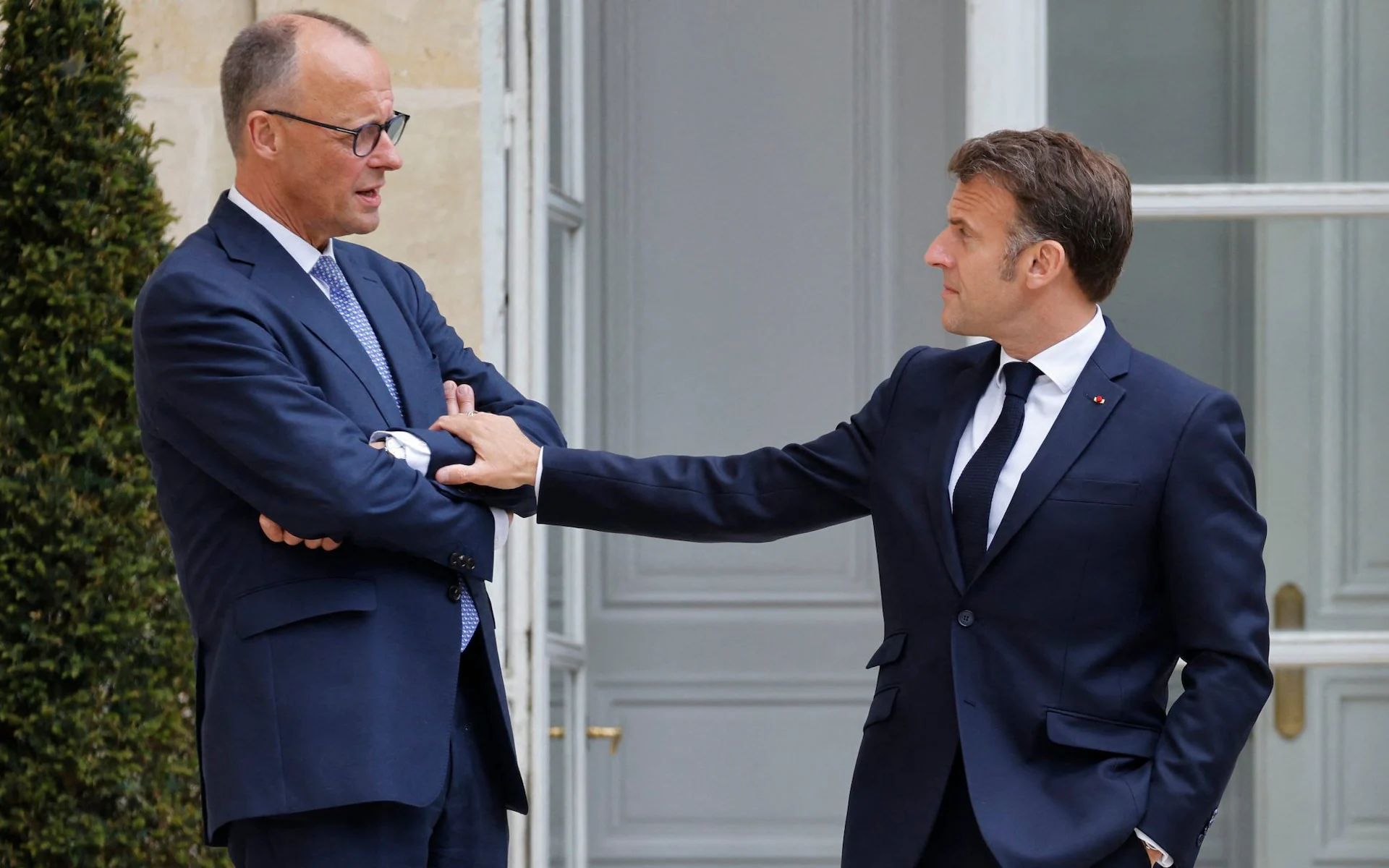
French President Emmanuel Macron has been rebuked over defence spending in the latest flare-up between Paris and Berlin, exposing fresh strains at the heart of Europe’s most influential partnership. The disagreement, centred on military budgets and strategic priorities, underscores the fragile balance underpinning Franco-German cooperation at a time of heightened geopolitical uncertainty.
The row erupted after senior German officials publicly questioned France’s approach to defence expenditure and procurement, suggesting that Paris was not moving quickly enough to align with evolving European security expectations. The criticism came during a policy forum in Berlin, where speakers emphasised the need for greater transparency and coordination among EU member states on military investment.

France and Germany have long positioned themselves as the twin engines of European integration. From economic governance to foreign policy coordination, their partnership has often set the tone for the broader European Union agenda. Yet defence policy has historically been one of the more delicate areas of cooperation, shaped by differing strategic cultures and domestic political considerations.
President Macron has repeatedly advocated for greater European “strategic autonomy,” arguing that the continent must reduce reliance on external powers and build independent defence capabilities. His proposals have included deeper integration of military industries, joint procurement initiatives and a more assertive EU security posture. However, critics in Berlin contend that France’s national defence priorities do not always align seamlessly with collective European objectives.
Germany, which has pledged substantial increases in military spending in recent years, has sought to modernise its armed forces and strengthen its role within NATO. Berlin’s commitment to boosting its defence budget has been framed as a response to shifting security dynamics in Eastern Europe and beyond. German officials argue that sustained investment and coordination are essential for credible deterrence.
The latest disagreement reportedly centres on the pace and structure of spending increases, as well as industrial collaboration on major weapons systems. Joint Franco-German projects, including next-generation fighter aircraft and tank development programmes, have experienced periodic delays and disputes over cost-sharing and technological leadership.
In Paris, government officials rejected suggestions that France is falling short of its commitments. They emphasised that the country maintains one of Europe’s most capable armed forces and continues to invest heavily in nuclear deterrence, expeditionary capabilities and defence research. Supporters of President Macron argue that France’s strategic doctrine prioritises operational readiness and global reach, which they say complements rather than contradicts European objectives.
The public nature of the German rebuke, however, has heightened diplomatic sensitivity. Analysts note that while disagreements between Paris and Berlin are not uncommon, they are typically managed behind closed doors to preserve the appearance of unity. Open criticism risks emboldening other EU member states to question the coherence of European defence policy.
At the European level, debates over defence spending are intensifying as leaders confront an increasingly volatile security environment. The war in Ukraine, persistent instability in parts of Africa and the Middle East, and growing cyber threats have all contributed to calls for stronger collective capabilities. EU institutions have encouraged member states to coordinate procurement and reduce duplication of resources.
Economic considerations also loom large. Both France and Germany face budgetary pressures linked to energy transitions, industrial policy and social spending. Balancing domestic fiscal constraints with ambitious defence commitments has proven politically challenging. In Germany, constitutional debt rules limit flexibility, while in France, public sector spending remains a contentious issue.
Diplomats on both sides have sought to downplay the dispute, describing it as part of an ongoing strategic dialogue. They stress that the Franco-German partnership remains foundational to European stability. Nonetheless, observers suggest that the episode reveals deeper questions about leadership within the EU and the direction of defence integration.
President Macron has built much of his European vision around closer military cooperation and shared sovereignty in defence matters. Germany, while supportive of increased spending, often approaches integration with greater caution, reflecting its post-war strategic culture and domestic political sensitivities.
The latest row may test the resilience of joint defence initiatives. If disagreements persist, timelines for flagship projects could face further uncertainty. Conversely, the dispute could prompt renewed efforts to clarify responsibilities and accelerate cooperation.

For European allies and NATO partners, unity between Paris and Berlin carries strategic significance. A cohesive Franco-German stance strengthens Europe’s voice within the alliance and signals commitment to collective security. Visible divisions, by contrast, risk complicating coordination at a time when deterrence and solidarity are paramount.
As diplomatic engagement continues, the immediate question is whether the two capitals can reconcile differences without allowing tensions to overshadow broader collaboration. In an era defined by external challenges, the durability of the Franco-German axis remains central to Europe’s security architecture.
Related News:
 EU weighs response amid Greenland tariff crisis with Trump
 EU Says US Ties Have Suffered ‘Big Blow’ After Greenland Crisis
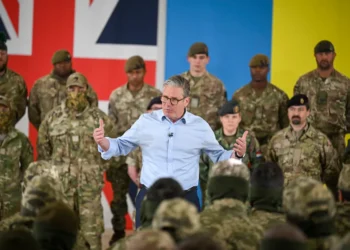 Starmer Weighs Fast-Tracking Defence Boost
 Kinnock’s Rebuke Echoes Loudly as Corbyn Allies Launch Left-Wing Breakaway: “A Gift to Farage”
 UK and Norway Forge Stronger Ties Through Joint Sanctions and Enhanced Defence Cooperation
 Trump Administration Dismisses 17 Immigration Judges, Sparking Debate Over Judicial Independence
 Modi’s London Visit Seals Historic UK-India Trade Pact Amid Global Tensions
 UK Must Act with Courage and Clarity on Israel-Palestine Conflict, Says Foreign Affairs Committee Report
 Trump Threatens 100% Tariff on Nations Importing Russian Oil Amid India Standoff Over Ukraine War
 Netanyahu Announces Plan to Take Over Gaza City, Escalating Conflict Further
 Radioactive Leak at UK’s Nuclear Warhead Base Sparks Outcry Over Safety and Secrecy
 Lammy and Vance Meet in Britain to Advance US-Brokered Ukraine Peace Talks
 Mutual Inconvenience: Why Alaska Was Chosen for the Trump-Putin Summit on Ukraine
 Hong Kong Summons UK and Australian Envoys Following Asylum Grants to Democracy Activists
 Is the UK Ready to Put Boots on the Ground in Ukraine? Assessing Military Capacity and Challenges
 Protests Expected as Israeli Arms Firms Join Global Defence Trade Fair in London
 Trump Appears Sidelined as Israel’s Unprecedented Strikes Hit Qatar
 Conservative Influencer Charlie Kirk Fatally Shot During University Debate
 Thousands Gather in London to Protest Donald Trump’s Second UK State Visit
Trump Urges UK to “Call Out the Military” to Secure Borders Amid State Visit
Thousands Gather in London to Protest Donald Trump’s Second UK State Visit
Trump Urges UK to “Call Out the Military” to Secure Borders Amid State Visit
 Channel Crossings Surge: Over 1,000 People Arrive in the UK in Small Boats in a Single Day
 Widow of Charlie Kirk Forgives Killer at Emotional Memorial Service
 Denmark Investigates Professional Drone Incursions Across Multiple Airports, No Evidence of Russian Involvement
 UK Fighter Jet Purchase Could Breach Nuclear Treaty, Warns CND
 Yvette Cooper Signals Global Momentum Towards Gaza Peace Deal Amid Humanitarian Crisis
 A Third of EU Citizens in UK Report Discrimination by Public Bodies Post-Brexit
 Misinformation and Political Pressure Force Weston-super-Mare to Abandon Refugee Sanctuary Plan
 Public Trust in SNP Hits Historic Low Amid NHS Concerns
 Johnson Suggests Mandelson Linked to China Spy Controversy
 Witness statements reveal the CPS China spy row collapse in the UK
 Rachel Reeves signals welfare reform ahead of key budget
 Kosovo agrees to host Britain’s refused asylum seekers
 Ireland Votes as Two Women Compete for Presidency
 Russia’s Latest Push to Win US Favors Shows Deep Desperation
 Experts Warn Russia’s Burevestnik Missile Could Destabilise Arms Control
 British Woman in Iran ‘Losing Hope’ Amid Ongoing Detention
 Johnson Approved China’s London ‘Super-Embassy’ in 2018
 BBC Journalist Held and Interrogated in Vietnam
 UK University Suspends Human Rights Research Following Pressure from China
 BBC to Apologise Over Edited Trump Speech Amid Backlash
 Britain deploys RAF specialists to assist Belgium with drone threats
 Trump Urges Herzog to Grant Netanyahu Full Pardon
 US Justice Department Files Lawsuit Against California Over Partisan Voting Maps
 Indian authorities demolish Kashmir home linked to Red Fort blast
 Greene Pushes Epstein Files Amid Trump Fallout
 Trump Deploys DHS to Charlotte in Major Arrest Operation
 December Run-Off in Chile as Election Produces No Winner
 Canada Passes Carney’s First Budget in Tight Parliamentary Vote
 Shadow Fleet at Sea: Europe’s Battle Against Illicit Oil Shipping
 Pentagon Officials in Ukraine to Discuss War End
 India’s COP30 Delay Raises Global Climate Concerns
 Venezuela Threatens Nobel Winner Machado with Fugitive Status
 Georgians Defy Government Crackdown After Year of Protests
 India’s Labour Law Overhaul Sparks Fierce Debate
 EU plans $105bn Ukraine aid using frozen Russian assets
 Global campaign launched to free Palestinian leader Barghouti
 Russia losses Ukraine war peace talks intensify amid rising deaths
 Zelenskyy Accuses Russia of Sabotaging Peace Talks
 Albanese Opens Door to Bondi Royal Commission Amid Rising Pressure
 Trump Escalates Minnesota Immigration Surge Amid Rising Tensions
 Iran Protesters Defy Crackdown as Violent Clashes Intensify
 Trump Threatens Strong Action If Iran Executes Protesters
 Machado Trump medal gesture reshapes Venezuela power struggle
 Trump Receives Machado’s Nobel Medal in White House Meeting
 US Considers Asylum for British Jews Amid Rising Antisemitism
 ICE street raids expose a chilling future for public freedoms
 Coalition crisis deepens after Nationals frontbench resignations
 Andrew Hastie Emerges as Leadership Rival to Ley
 Starmer China visit raises human rights pressure on Beijing
 Israel Moves to Bar MSF From Gaza Operations
 Thousands Left Without Heating in Ukraine Amid Russia Strikes
 Trump Praises ‘Terrific’ Petro After White House Talks
 Fears of New Arms Race as US-Russia Nuclear Weapons Treaty Expires
 Canada Dispatches Senior Officials to Open Greenland Consulate
 Portugal Election Delivers Socialist Win as Far Right Surges
 Sydney Protest Escalates and Elderly Woman Suffers Severe Injury
 Tarique Rahman’s Rise Toward Bangladesh’s Top Job
 Glass Cliff Debate After Ley’s Ouster
 After the Landslide: Can India Reset Ties with BNP Bangladesh?
 Australian Families Leave Syrian Camp for Home