Published: 17 February 2026. The English Chronicle Desk. The English Chronicle Online
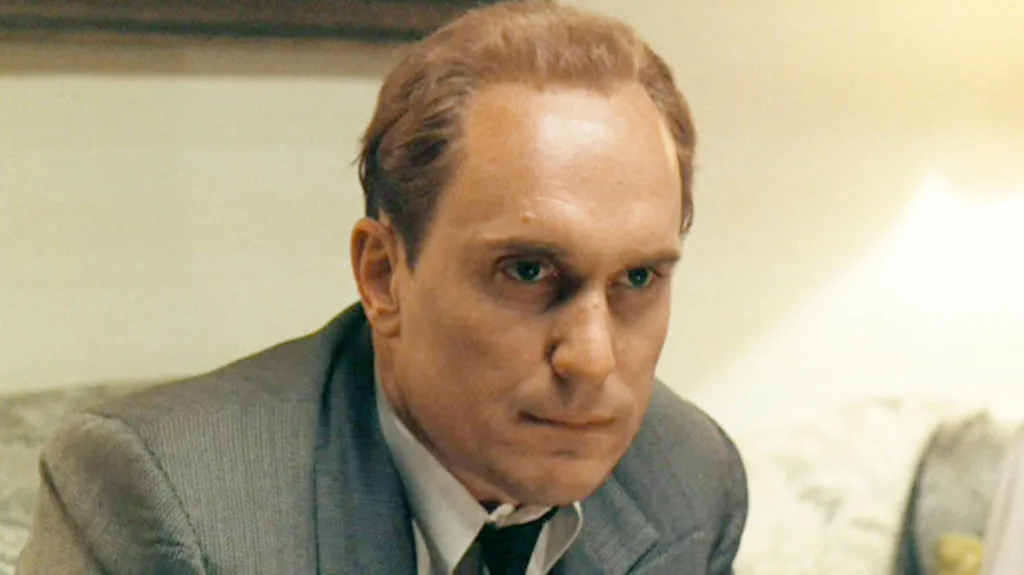
The world of cinema mourns the passing of Robert Duvall, the legendary actor whose career spanned over seven decades and left an indelible mark on Hollywood. Known for his versatility, commanding presence, and dedication to craft, Duvall’s journey from aspiring actor to one of the most respected figures in film history is a testament to talent, perseverance, and an unwavering commitment to storytelling.
Born in San Diego in 1931, Duvall’s early exposure to the arts came through his mother, a professional actress, and his father, a pharmacist with a passion for theatre. After studying at the University of Texas at Austin and honing his skills at the Neighborhood Playhouse in New York, he began his career in theatre, quickly earning acclaim for his stage performances. His early work on Broadway showcased a natural ability to inhabit complex characters, a skill that would become his hallmark in film.
Duvall’s transition to Hollywood was gradual but impactful. He took on small roles in television and film throughout the 1950s and 1960s, demonstrating a quiet intensity that distinguished him from contemporaries. Breakthrough roles in films such as To Kill a Mockingbird (1962), where he played Boo Radley, and The Godfather (1972), as the calculating Tom Hagen, cemented his reputation as an actor capable of subtlety, depth, and gravitas. The latter role, in particular, showcased Duvall’s ability to convey power and loyalty simultaneously, earning critical acclaim and making him a household name.

Throughout his career, Duvall displayed a remarkable range, moving seamlessly between genres including drama, westerns, thrillers, and war films. His performances in Apocalypse Now (1979), Tender Mercies (1983), and The Apostle (1997), the latter of which he also wrote and directed, exemplify his commitment to immersive, character-driven storytelling. Critics often praised his nuanced portrayals and his capacity to bring authenticity to even the most complex roles.
Duvall’s approach to acting was meticulous. Known for thorough research, careful observation, and an instinctive understanding of human behaviour, he brought a level of realism to his performances that resonated deeply with audiences. Directors and co-stars frequently lauded his professionalism, humility, and the ability to elevate scenes with subtle yet powerful choices. His work earned numerous accolades, including an Academy Award, multiple Golden Globes, and Screen Actors Guild recognitions, affirming his status as one of Hollywood’s greats.
Beyond individual performances, Duvall’s influence on the film industry is enduring. He played a pivotal role in shaping the New Hollywood era, collaborating with directors such as Francis Ford Coppola, George Roy Hill, and Alan Parker, whose films challenged traditional storytelling and embraced more complex, morally nuanced narratives. Duvall’s presence often lent credibility and depth to these films, contributing to their lasting cultural impact.
Colleagues remember Duvall not only for his craft but also for his generosity and mentorship. Many young actors cite him as an inspiration, noting his patience, guidance, and unwavering dedication to the art of cinema. His influence extended beyond performance to the broader ethos of filmmaking, emphasizing authenticity, emotional truth, and the importance of collaboration.

Even in his later years, Duvall continued to work, taking on roles that reflected both his experience and his willingness to explore new creative challenges. From television series to independent films, he remained active, demonstrating that passion and excellence in acting are timeless. His enduring presence in the industry inspired multiple generations of filmmakers, actors, and audiences alike.
As tributes pour in from across the globe, Duvall’s legacy is celebrated not only for the iconic characters he portrayed but also for the integrity, artistry, and humanity he brought to every project. His work transcends generations, reminding audiences that great acting is about more than performance—it is about connecting with the human experience in a way that resonates long after the credits roll.
Robert Duvall’s journey from a young theatre actor to a Hollywood legend exemplifies the dedication, talent, and perseverance required to achieve greatness. His passing marks the end of an era, but his contributions to cinema will continue to inspire, educate, and move audiences for decades to come.
Related News:
 Oscar Nominee Wagner Moura: ‘Latinos Are More Than Drug Dealers’
 London Bids for 2029 World Athletics Championships with £45 Million Government Backing
 Ozzy Osbourne: The Prince of Darkness Bows Out, Leaving Behind a Legacy of Metal and Myth
 Farewell to a Legend: The World Mourns Ozzy Osbourne, Rock’s Unforgettable Rebel
 A New Wrestling Revolution: Fox Nation Teams with Hulk Hogan and Eric Bischoff for Groundbreaking League
 Justin Timberlake Shares His Lyme Diagnosis and the Strain of Performing Through Illness
 Unseen Killers of the Deep Inside the UK Lab Uncovering the Silent Deaths of Sea Creatures
 Gen Z Embraces the Big, Bold ‘Fake’ Indian Wedding Party Trend
 My Husband Won’t Stop Playing with Lego and It’s Driving Me Nuts
 Jack Osbourne Breaks Silence with Heartfelt Tribute Following Ozzy Osbourne’s Funeral
 Sean Hayes Reimagined: From Sitcom Stardom to Serious Stage Acclaim
 Russell T Davies Warns of Declining UK Gay Rights Amid Rise of Reform UK and Trump Influence
 Terence Stamp, ’60s British Film Legend and Star of Superman, Dies at 87
 A Wedding on Stage: Couple Tie the Knot in the Midst of Their Fringe Show
 Millie Bobby Brown and Jake Bongiovi Begin Parenthood Through Adoption
 Kneecap Pushes Forward with European Tour Despite Hungary Ban and Canceled Gigs
 Emma Heming Willis Speaks Openly on Bruce Willis’s Declining Health Amid Dementia Battle
 September’s Must-See Films: From Spinal Tap II to Leonardo DiCaprio’s Latest Thriller
 Robert Redford: The Indispensable Patron of American Independent Cinema
 Watchdog, Cornflakes and Courage: Remembering John Stapleton, a Broadcaster Who Did It All
 Dawson’s Creek” Cast Reunites for Special Broadway Benefit to Support James Van Der Beek
 Actor Noel Clarke Arrested at London Home Amid Ongoing Investigation
 Patricia Crowther, Known as UK’s Oldest Witch, Dies Aged 97
 Beloved Actress Dame Patricia Routledge Dies Aged 96
 Karen Carney Shines on Strictly Come Dancing Week Two Despite Tango Wobbles
 Jilly Cooper: The Bonkbuster Queen Who Redefined Romantic Fiction
 Celebrity Traitors First Look: A Star-Studded Highland Adventure That Hooks from the Start
 Who is Ruth Codd? All about the Irish actress on Celebrity Traitors
 Paedophile Singer Ian Watkins Dies After Prison Attack
 Strictly Celebs Starstruck as Cynthia Erivo Shines
 Alan Davies Criticises England Flag Displays and Patriotism
 D’Angelo: Neo-Soul’s Radical Genius and Lasting Legacy
 Man Charged Over 2020 Death of Tattoo Artist Georgina Ward
 Dave Ball: The Unsung Genius Behind Soft Cell’s Bold Sound
 Fabio Wardley stuns Joseph Parker to earn Usyk title shot
 British Airways suspends podcast sponsorship after controversial interview
 Netflix’s A House of Dynamite Hits Reality Walls
 Prunella Scales: From Fawlty Towers Icon to Beloved Canal Explorer
 Charlie Kaufman: They told me Being John Malkovich would never get made
 The Line of Beauty, Almeida review: A wild, witty ride through Thatcher-era high society
 Kate Winslet to Narrate Film Highlighting King’s Environmental Mission
 Hollywood Is an Industry of Looney Tunes Pretending to Be Normal
 Top Christmas Books Reads: Classics to Cozy Romcoms
 Oprah enjoys Meghan’s jam on English muffins
 Pauline Collins, Beloved ‘Shirley Valentine’ Star, Dies at 85
 I’m a Celebrity 2025 line-up revealed: Osbourne joins
 VAR Must Rein Its Neck In to Save Football’s Spirit
 From Lego to Pokémon: How Adults Are Driving UK Toy Market Growth
 David Szalay’s ‘Flesh’ Wins 2025 Booker Prize
 Boos, backlash and body horror: The story of Alpha
 Pop Stars Call on UK Government to Cap Resale Prices for Fans
 Pat Butcher Returns to EastEnders in Touching Dementia Storyline
 Pokémon to open world’s first theme park in Japan next year

 SS Rajamouli Announces ‘Varanasi,’ a Mythic Time-Travel Epic
 Tom Cruise Receives Honorary Oscar, Celebrates Cinema
 Eminem Takes Legal Aim at Australian ‘Swim Shady’ Brand
 The Lasting Legacy of Seven: Crime, Morality, and Urban Decay
 Australia to Ban Social Media for Kids Under-16 Starting December
 Director Michael Caton-Jones Reflects on Career and Beginnings
 TikTok Star Jessie Yendle Mocked by KFC
 Reggae Legend Jimmy Cliff Dies at 81
 Rosalía Inspires Young Listeners to Discover Classical Music
 Rusty Bond-Era Aston Martin Restored to £1m Glory
 Pavarotti statue frozen in Italian ice rink sparks backlash
 Prince Andrew Named Punchline in Top Christmas Cracker Joke
 Nancy Sacked by Celtic as O’Neill Returns for Season
 Stranger Things 5 Documentary Reveals Last-Minute Finale
 ‘A long time coming’: US table tennis finds its moment
 GMB Issues Bombshell Andrew Update Minutes Into Show as Furious Viewers ‘Switch Off’
 Julia Donaldson Reveals New Character and Title for Third Gruffalo Book
 David Furnish Says Alleged Daily Mail Hacks of Him and Elton John Were ‘An Abomination’
 90s Music Icon Dies as Daughter Pays Heartbreaking Seven-Word Tribute
 Top 10 Must-See Films Arriving This February
 He Was Once a Teen ‘Superstar’. Why Did James Van Der Beek Need Help to Pay His Medical Bills?
 Why Writer Arundhati Roy’s Cult Classic Film Is Still Relevant in India
 Why Margot Robbie and Jacob Elordi’s ‘Mutual Obsession’ Is Giving Some Fans the Ick
 Actor Ross Kemp to Return to EastEnders for Short Stint
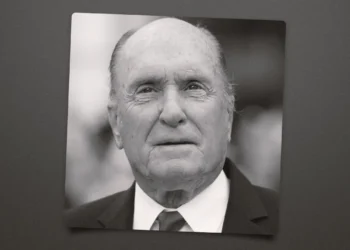 Robert Duvall dies aged 95, Hollywood mourns
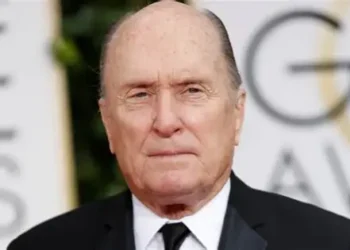 Actor Robert Duvall, Who Starred in The Godfather, Dies Aged 95