Published: 17 February 2026. The English Chronicle Desk. The English Chronicle Online
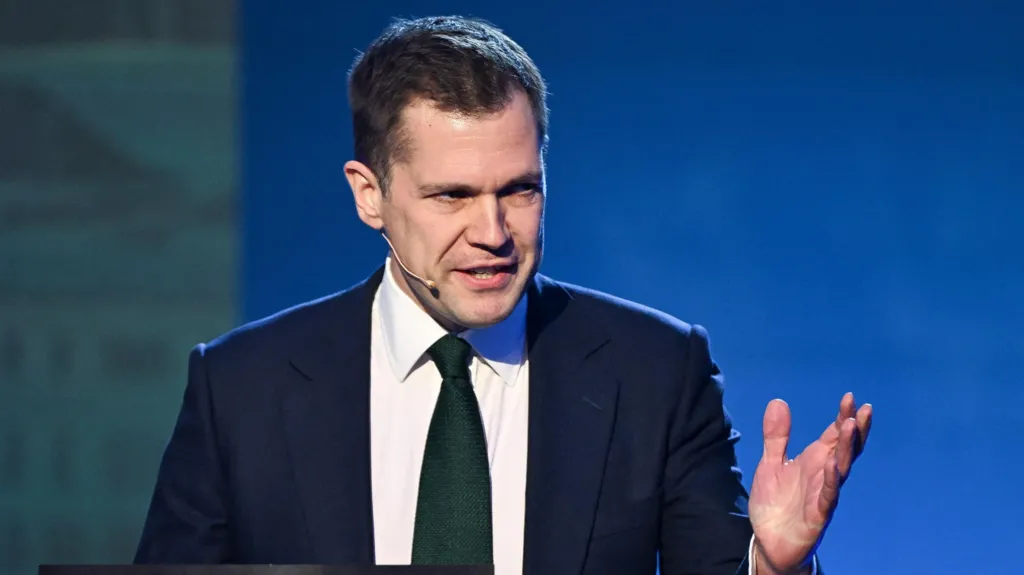
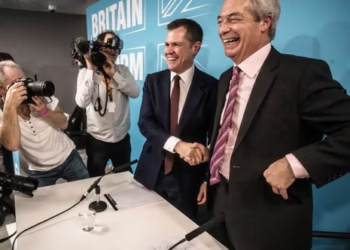
The right‑wing Reform UK party has taken a high‑profile political step by naming Robert Jenrick as its pick for chancellor of the Exchequer — or “shadow chancellor” — in its proposed government team ahead of the next UK general election. The announcement came as leader Nigel Farage unveiled a lineup of senior figures intended to show voters that Reform is serious about governing and ready to challenge the established parties.
Jenrick, a former Conservative Party MP and cabinet minister who defected to Reform UK in January, was appointed as the party’s finance policy chief and economic spokesperson. In the Reform team, he would take charge of economic and fiscal strategy if the party were to form a government in the future — a notable elevation considering Reform UK currently holds only eight seats in the House of Commons.

Farage said the move was part of molding Reform into a credible governing force rather than “a one‑man band,” after years of the party being closely associated with his own leadership. Alongside Jenrick, other senior appointments include Richard Tice in charge of business, trade and energy, Zia Yusuf as home affairs spokesman, and former Conservative Suella Braverman taking on education and equalities responsibilities. Reform’s new team is intended to mirror a traditional government frontbench, despite the party’s relatively small size in Parliament.
Jenrick’s appointment is likely to attract both attention and scrutiny. He previously served in prominent roles under several Conservative governments, and his defection followed his dismissal from the Conservative shadow cabinet last month amid reports he was preparing to join Reform. Since then, he has criticised the Conservatives and Labour for failing the country, framing his move as part of a broader political realignment.

Reform UK leads in some recent opinion polls, outpacing both the Labour Party and the Conservatives, reflecting voter discontent with the mainstream parties. However, the party’s limited parliamentary presence and bold policy proposals — including tax cuts and stricter immigration controls — mean its leadership choices, including Jenrick’s, will play a key role in shaping public perceptions ahead of local elections this spring and a general election expected by 2029.
The announcement marks a significant moment for Reform UK as it continues to expand its political footprint and present itself as a government‑ready alternative, with Jenrick’s economic credentials central to bolstering its credibility with voters and investors alike.
Related News:
 UK Must Act with Courage and Clarity on Israel-Palestine Conflict, Says Foreign Affairs Committee Report
 Wethersfield Controversy Deepens as Asylum Seeker Numbers Set to Surge by 50%
 Chancellor Faces Mounting Pressure Amid “Impossible Trilemma” Over Tax Rises
 Radioactive Leak at UK’s Nuclear Warhead Base Sparks Outcry Over Safety and Secrecy
 Mass Arrests in London as Protest Defies Ban on Palestine Action
 Mutual Inconvenience: Why Alaska Was Chosen for the Trump-Putin Summit on Ukraine
 Russell T Davies Warns of Declining UK Gay Rights Amid Rise of Reform UK and Trump Influence
 UK Government Expands ‘Deport Now, Appeal Later’ Policy to 23 Countries
 Farage Accuses PM of ‘Democratic Disparity’ in House of Lords Representation
 Chancellor Rachel Reeves Pushes for Sweeping Changes to Environmental Protections to Accelerate Development
 Larger Families Could Gain Thousands if Labour Ends Two-Child Benefit Cap
 Is the UK Ready to Put Boots on the Ground in Ukraine? Assessing Military Capacity and Challenges
 Palestine Action Ban Protesters Plan Tactic to Overwhelm Police at Next London Demonstration
 Police Scotland Spends £500,000 Compensating Officers Over Trump Visit
 Britain’s Migration Challenge: Rising Asylum Numbers and Hotel Pressures
 Elon Musk Sparks New Controversy by Backing Tommy Robinson Amid Farage Feud
 Urgent Action Needed on Windrush Compensation as Survivors Speak of “Waiting to Die”
 Tanni Grey-Thompson Faces Abuse Over Opposition to Assisted Dying Bill
 TfL Invites RMT to Resume Talks as London Tube Strikes End
 UK Rejoining EU ‘Unlikely in My Lifetime,’ Says Starmer’s Europe Reset Negotiator
 ‘Unite the Kingdom’ Rally Sparks Fears of Far-Right Normalisation Among Minority Britons
 Thousands Gather in London to Protest Donald Trump’s Second UK State Visit
 Zarah Sultana Seeks Legal Action After Bitter Clash with Jeremy Corbyn Over Party Membership Funds
 Nigel Farage Unveils Controversial Immigration and Welfare Plans at Reform UK Press Conference
 Top Andy Burnham Ally Launches Fierce Critique of Starmer Ahead of Labour Conference
 Mahmood Pledges Reform of Modern Slavery Laws After Court Blocks Deportation Appeal
 Ed Miliband Warns UK Government on X, Citing Elon Musk as a “Dangerous Influence”
 Ed Miliband Urges Labour to Confront Billionaire-Backed Opposition to Net Zero Goals
 A Third of EU Citizens in UK Report Discrimination by Public Bodies Post-Brexit
 Digital ID Plans Ignite Debate Over £600m Treasury Tax Boost and Privacy Concerns
 Kemi Badenoch Unveils ‘Golden Rule’ to Halve Spending Cuts for Deficit Reduction at Tory Conference
 Public Trust in SNP Hits Historic Low Amid NHS Concerns
 Yvette Cooper Backs Digital ID Plan for UK Teens
 Johnson Suggests Mandelson Linked to China Spy Controversy
 UK border officers deployed to Balkans to tackle migrant smuggling
 Ministry of Justice fails to file £11bn in spending receipts
 UK MPs warn of repeat riots over online misinformation
 Rachel Reeves signals welfare reform ahead of key budget
 Reform UK candidate fined £19,000 after using AI-generated cases to challenge election
 William Steps Up Over Prince Andrew Palace Response
 Army Barracks to House Migrants as Hotels Phase Out
 Green Party Surges Past Labour in Latest UK Poll
 Zarah Sultana Launches Party to Change Politics
 Trump’s UK Ambassador Urges North Sea Drilling to Strengthen US Ties
 French Taxi Driver Cleared in David Lammy Theft Case After Fare Dispute
 Millionaires group urge Reeves to introduce wealth tax to ‘lift kids out of poverty’
 Starmer Faces Growing Dissent as Labour MPs Weigh Leadership Challenge
 Reeves rejects £1bn plea for NHS redundancy payouts
 PM Condemns Leaks, Vows Loyalty to Ministers and Stability
 Major Rent Reform Ends No-Fault Evictions in England
 Peers Flood Assisted Dying Bill with 942 Amendments
 Most Tories Expect to Support a Farage-Led Government
 Starmer Says Labour’s Economic Plan Needs Years to Deliver
 England delays four mayoral elections amid criticism
 Reform campaign in Clacton faced ‘juggernaut’ scrutiny, say rivals
 Met officers ordered to declare Freemason links
 Culture secretary to review Telegraph takeover by Daily Mail owner
 Reform Candidate Sparks Fury Over Loyalty Comments
 Plans to Limit Jury Trials Face Retreat After Mounting Opposition
 Right Must Unite After Jenrick Defection, Urges Rees-Mogg
 UK Ministers Drop Foreign Student Targets for Global Education Push
 MPs warn AI financial risks threaten UK stability
 No Gas Boiler Ban as UK Warm Homes Plan Backs Heat Pumps
 Shinzo Abe’s killer receives life sentence in Japan
 Lords Vote Piles Pressure on Starmer Over Social Media Ban
 Reform UK Health Plan ‘Would Cost £1.7bn’, Streeting Says
 Police response times face strict new national limits
 Labour policing overhaul sparks fears over growing central control
 Tories criticised after Braverman defection sparks mental health row
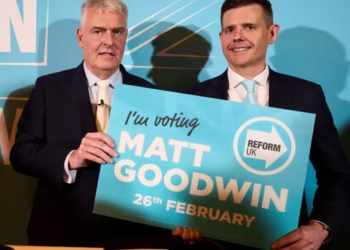 Starmer warns of toxic division politics in Reform challenge
 Starmer China visit raises human rights pressure on Beijing
 Palantir contracts face UK halt calls over transparency
 Senior Government Figures Forced to Hand Over Private Messages With Mandelson
 Diane Abbott Slams Applause for Keir Starmer as PM Vows to Stay On After Mandelson-Epstein Row
 Labour Lord Doyle Apologises Over Paedophile Ties in Political Storm
 Cabinet Secretary Shake-Up Triggers Due Diligence Warning
 Labour Think Tank Commissioned Firm That Investigated Journalist
 Could Manchester Lead the UK’s Economic Revival?
 Starmer Weighs Fast-Tracking Defence Boost
 Farage to Name Jenrick as Reform Chancellor Pick