Published: 18 February 2026. The English Chronicle Desk. The English Chronicle Online
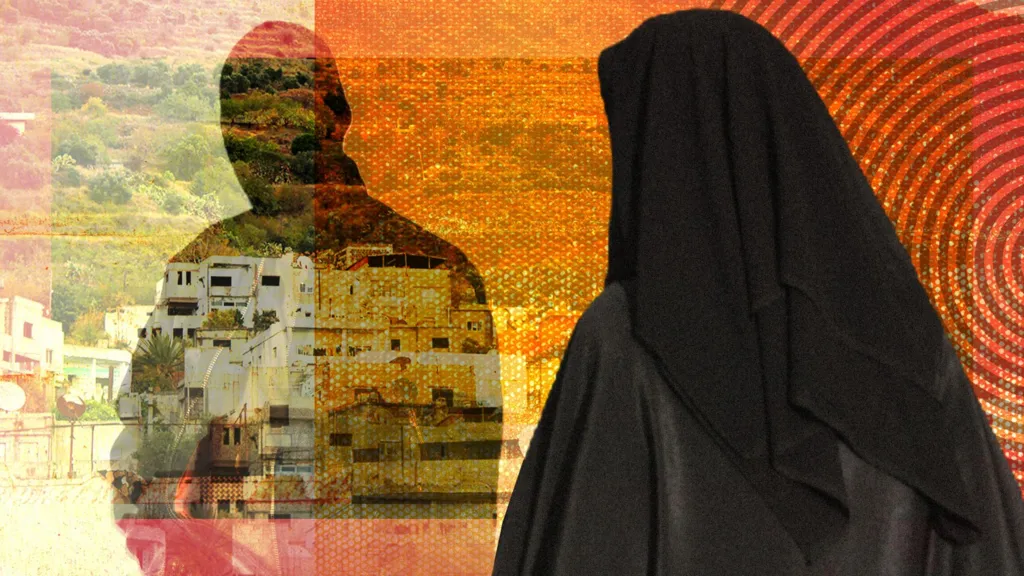
Several women from Syria’s Alawite minority have shared harrowing accounts of being kidnapped, beaten and sexually assaulted by armed men in the western coastal region, in what survivors and rights groups describe as a wave of gender-based violence and sectarian targeting following the fall of the former government. The distressing testimonies were collected by BBC News Arabic and reflect deep fears among minority communities about security, impunity and the failure of authorities to protect vulnerable civilians.
One teenager, identified as Ramia for her safety, described being taken from her village in Latakia province by three men claiming to be government security forces. She told the BBC that she was beaten repeatedly when she began crying and that her captors insulted her for being Alawite — a minority sect associated with the previous ruling elite. Once detained in a locked room, she tried to escape and even attempted suicide twice, she said, before eventually being released after two days.

Other women told equally distressing stories. Nesma, a mother in her 30s, said she was held for a week in an isolated building with masked men who repeatedly raped her and interrogated her about her village and any links to the former regime. She said her captors referred to Alawite women as “sabaya” — a term historically used by extremists to describe female captives treated as sex slaves.
Another teenager, Leen, endured daily sexual assault and threats at gunpoint, while the parents of other victims reported their relatives were held for weeks and assaulted repeatedly. Families told the BBC that when they reported these kidnappings to the interim government’s General Security Service, officers often mocked them or failed to provide meaningful support or updates, and some even received threats by phone for speaking out.
Advocacy groups such as the Syrian Feminist Lobby have documented more than 80 missing women since early 2025, with at least 26 confirmed kidnappings, primarily of Alawite women and girls. Activists say the victims range from teenagers to mothers, and many cases remain unresolved, creating a climate of fear and insecurity.

Critics argue that insufficient investigations by Syrian authorities and a lack of independent oversight have allowed such abuses to continue, contributing to widespread fear among minority communities that leaving home, attending school or going to work could make them targets. Human rights advocates are calling for thorough, independent inquiries, protection for survivors and urgent measures to prevent further abuses against women and girls in the region.
Related News:
 Sexually Explicit Letters Target Hong Kong Exiles in UK, Australia
 Britain Demands Israel Reverse Ban on Aid Groups
 Grief, Fear and Fury: Mothers Unite to End Israeli-Palestinian Violence
 Iran Leader Blames Protesters, Says They Serve Trump
 Emails Show Epstein Funded Mandelson’s Husband After Jail
 Thousands Protest ICE in New York Against Trump Deportation Campaign
 Eleven Killed in Israeli Strikes on Gaza, Rescuers Say
 The Martin Luther King Protégé Who Helped Reshape America
 Kinnock’s Rebuke Echoes Loudly as Corbyn Allies Launch Left-Wing Breakaway: “A Gift to Farage”
 Trump Administration Dismisses 17 Immigration Judges, Sparking Debate Over Judicial Independence
 England’s Euro Odyssey: A Tale of Grit, Glory and the Lionesses’ Miraculous March to the Final
 UK Must Act with Courage and Clarity on Israel-Palestine Conflict, Says Foreign Affairs Committee Report
 Northern Ireland Family of Three Shot Dead in Maguiresbridge Home Incident
 Seventeen Dead as Russia Targets Ukrainian Prison in Devastating Airstrike
 Tottenham Takes On Newcastle
 Gen Z Embraces the Big, Bold ‘Fake’ Indian Wedding Party Trend
 Trump Threatens 100% Tariff on Nations Importing Russian Oil Amid India Standoff Over Ukraine War
 Radioactive Leak at UK’s Nuclear Warhead Base Sparks Outcry Over Safety and Secrecy
 Mutual Inconvenience: Why Alaska Was Chosen for the Trump-Putin Summit on Ukraine
 China’s crackdown on civil servant perks sparks economic concerns
 Terence Stamp, ’60s British Film Legend and Star of Superman, Dies at 87
 Hong Kong Summons UK and Australian Envoys Following Asylum Grants to Democracy Activists
 Is the UK Ready to Put Boots on the Ground in Ukraine? Assessing Military Capacity and Challenges
 Shein UK Faces Allegations of Shifting Majority of Profits to Singapore to Reduce UK Tax
 Channel Crossings Surge: Over 1,000 People Arrive in the UK in Small Boats in a Single Day
 Widow of Charlie Kirk Forgives Killer at Emotional Memorial Service
 Public Executions in Gaza City Captured on Video Amid Ongoing Conflict
 Macron Phones Trump Over Traffic Jam in New York
 Comey Indictment Deepens Fears of Political Retribution Under Trump
 Google at 27: The Untold Story of Ruth Kedar, the Woman Behind the Iconic Logo
 Yvette Cooper Signals Global Momentum Towards Gaza Peace Deal Amid Humanitarian Crisis
 “It Was Very Tough, But I Love Life”: Former Israeli Hostage Rebuilds Life After Family Killed by Hamas
 Chaos at Ibrox as Martin’s Rangers Era Comes to an End
 Nobel Prize Honours Pioneers Behind Materials That Could Heal the Planet
 Trump Claims Modi Has Agreed to Halt Russian Oil Imports Amid Heightened US Pressure
 Russia’s Latest Push to Win US Favors Shows Deep Desperation
 I’m a Celebrity 2025 line-up revealed: Osbourne joins
 BBC to Apologise Over Edited Trump Speech Amid Backlash
 Britain deploys RAF specialists to assist Belgium with drone threats
 Palace May Restore Hyphen to Andrew Mountbatten-Windsor’s Name
 Trump Urges Herzog to Grant Netanyahu Full Pardon
 Indian authorities demolish Kashmir home linked to Red Fort blast
 Greene Pushes Epstein Files Amid Trump Fallout
 December Run-Off in Chile as Election Produces No Winner
 Zelenskyy Signs Fighter Jet Deal Amid Russian Drone Attacks
 Canada Passes Carney’s First Budget in Tight Parliamentary Vote
 Shadow Fleet at Sea: Europe’s Battle Against Illicit Oil Shipping
 Tiny Curacao Makes History as Smallest Nation to Reach World Cup
 Deadly Russian Strikes Hit Western Ukraine, 20 Killed in Ternopil
 Ukraine Peace Plan: Zelensky Ready for Dialogue
 India’s COP30 Delay Raises Global Climate Concerns
 Royal Navy Shadows Russian Warships Entering the Channel
 Trump EPA Moves to Roll Back Soot Pollution Limits
 US Suspends Afghan Immigration After White House Shooting
 Georgians Defy Government Crackdown After Year of Protests
 Tokyo court rules Japan’s same-sex marriage ban constitutional
 ‘Extinct’ Antelope Returns to Sahara, Bringing Hope
 ‘The frontline is everywhere’: new MI6 head warns on Russian threat
 American Mother Extradited From UK to U.S. on Murder Charges
 Russia losses Ukraine war peace talks intensify amid rising deaths
 Facebook Slow to Remove Bondi Attack Praise, Anti-Hate Group Claims
 US Cities Erupt in Protests Against Trump’s Venezuela Military Action
 Albanese Opens Door to Bondi Royal Commission Amid Rising Pressure
 Trump Escalates Minnesota Immigration Surge Amid Rising Tensions
 Iran Protesters Defy Crackdown as Violent Clashes Intensify
 Trump Weighs Response to Iran Crackdown as Tehran Says Communication Open With US
 US Clears Nvidia AI Chip Sales to China in Policy Shift
 Gulf states warn Trump Iran strikes risk wider Middle East war
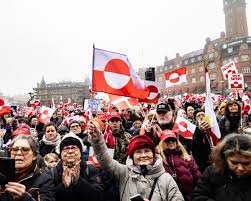 EU weighs response amid Greenland tariff crisis with Trump
 Sydney Shark Attack Surge Shocks Australia Beaches
 EU Says US Ties Have Suffered ‘Big Blow’ After Greenland Crisis
 Videos reveal earlier clash before Alex Pretti shooting
 UK New Car Discounts Near £6,000 as Prices Are Slashed
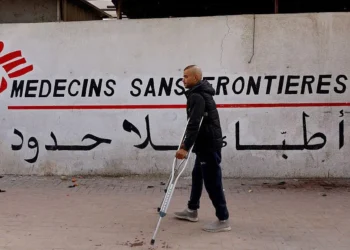 Israel Moves to Bar MSF From Gaza Operations
 Tragic Ski Lift Accident Claims Australian Snowboarder
 Portugal Election Delivers Socialist Win as Far Right Surges
 Concerns rise for Canberra boy amid Iran detention fears
 Australian Families Leave Syrian Camp for Home
 Starmer Weighs Fast-Tracking Defence Boost
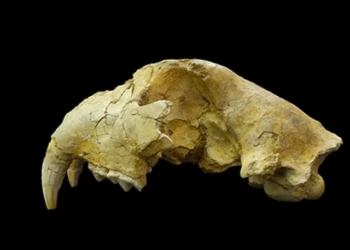 Japan’s Lost “Tigers” Were Actually Lions, Study Reveals