Published: 18 February 2026. The English Chronicle Desk. The English Chronicle Online
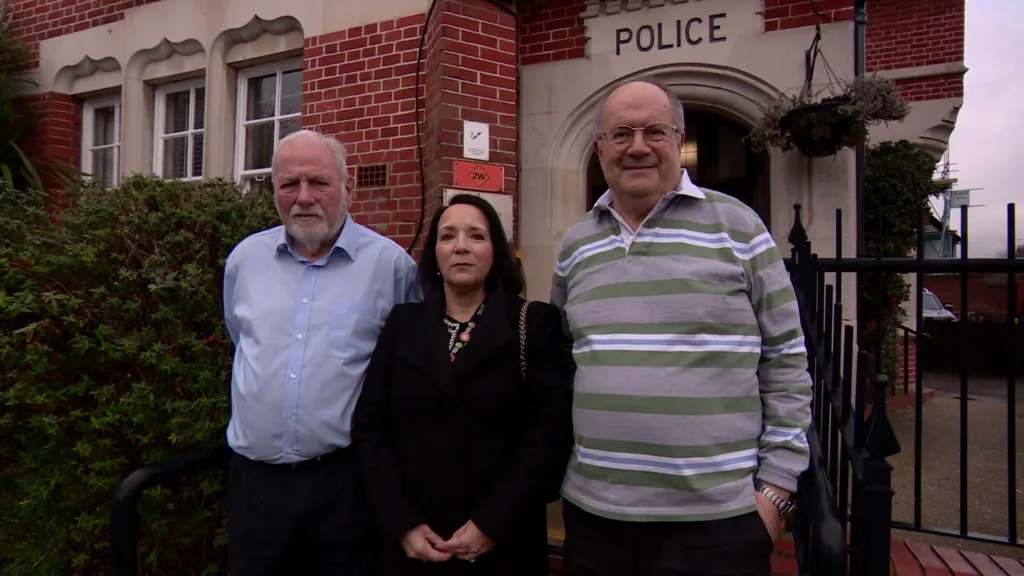
Campaigners, police staff and local politicians are urgently pressing the Metropolitan Police Service and the Mayor of London to reverse plans to close police station front counters across the capital, warning that cuts risk eroding public access to essential services and undermining community safety. The story has emerged amid ongoing debate over policing priorities and budget pressures facing the force.
At the end of February, ten Met Police front counters — locations where members of the public can speak face‑to‑face with officers, report crimes, hand in evidence or seek help — were due to close entirely, with more facing shorter opening hours. Critics say the closures break a manifesto pledge by Mayor Sir Sadiq Khan to maintain a 24‑hour public counter in every London borough and leave vulnerable residents without vital access to policing.

The Public and Commercial Services (PCS) Union, representing front‑line police staff, launched an e‑action campaign and delivered over 10,000 letters to local MPs and assembly members. In response to mounting pressure and negotiations between the union and the Met, authorities have paused the closures — a potential U‑turn that keeps the contentious counters open while talks continue on their future. Supporters of the campaign say retaining the counters is crucial not only for crime reporting but also for helping vulnerable people, victims of domestic violence, hate crime sufferers and tourists without digital access.
Many local politicians have also voiced strong opposition. Conservative and Liberal Assembly members have tabled petitions and public petitions, such as one to save the 24/7 counter at Kensington Police Station, arguing that front counters are “lifelines” for communities and that their removal could leave residents feeling unsafe or unheard.
The saga reflects wider tensions in London’s policing landscape. The Met has faced a budget shortfall of around £260 million, forcing “tough choices” about core services and resources. While the force has defended the proposed changes on the basis that only a small proportion of crimes are reported in person at counters — around 5 % nationally — opponents say the counters fulfil other unquantified but essential functions. They stress that closures could disproportionately affect the elderly, people without smartphones or internet access, and survivors of crime who prefer personal contact with officers.

As negotiations continue, both police chiefs and community leaders are under pressure to find a solution that balances operational efficiency with community confidence in policing. For now, the campaign to save London’s police front counters — described by both staff and residents as a “last‑ditch call” — has brought renewed focus to how policing is delivered on the ground in Britain’s capital.
Related News:
 Tasers Introduced in UK Prisons to Combat Rising Violence and Protect Staff
 Police Advised to Disclose Ethnicity of Suspects in High-Profile Cases
 Charlie Kirk Killing Used to Mobilise UK’s Largest Far-Right Rally in Decades
 Jailed Georgian Opposition Leaders Warn UK of Iranian Links to Ruling Party
 UK Police to Gain New Powers to Manage Repeated Protests, Home Office Announces
 Boris Johnson Breached Rules on Post-Office Business Contacts
 China Spy Case Hearing Reveals Key Gaps in Prosecution
 It’s time to come clean on the China spy case
 French Taxi Driver Cleared in David Lammy Theft Case After Fare Dispute
 Met Police Culture Makes Racial Harm ‘Inevitable’
 Remaining rebel Labour MPs have whip restored
 Victims’ commissioner Baroness Newlove dies aged 63
 Emails Show Epstein Funded Mandelson’s Husband After Jail
 Police Probe Mandelson Over Alleged Epstein Leak
 Stop Releasing Phone Thieves Who Reoffend, Met Police Chief Urges Courts
 Disability and LGBT Hate Crimes Set to Become Aggravated Offences
 MPs Warn Thousands Still Face Poverty Despite Labour’s Welfare Reform Retreat
 Targeted Attack in Bury Sparks Murder Investigation as Community Awaits Justice
 Man Remanded After Children Fall Ill at Leicestershire Summer Camp in Shocking Child Cruelty Case
 AI Revolutionises Grooming Gang Investigations as Police Target Cold Cases Across England and Wales
 Police Prepare for Potential Disorder as Far-Right Groups Promote Anti-Migrant Protests Across England
 Mass Arrests in London as Protest Defies Ban on Palestine Action
 Sally Rooney Pledges BBC Royalties to Support Palestine Action Despite UK Terror Ban
 Government Signs Deal with Iraq to Return Illegal Migrants in Latest Bid to Deter Small Boats
 Merseyside Police Helicopter Crew Cleared After Low-Altitude Pursuit of Suspect
 UK Police Face ‘Chronic Pressure’ Amid Surge in Protests Over Asylum and Gaza
 Angela Rayner Admits Underpaying Stamp Duty on £800,000 Seaside Flat
 Urgent Action Needed on Windrush Compensation as Survivors Speak of “Waiting to Die”
 Angela Rayner Faces Scrutiny as Stamp Duty Row Deepens
 Tanni Grey-Thompson Faces Abuse Over Opposition to Assisted Dying Bill
 Peter Mandelson Referred to Jeffrey Epstein as ‘My Best Pal’ in 50th Birthday Letter
 UK Launches Major Crackdown on Networks Profiting from Online Child Sexual Abuse
 First “One In, One Out” Deportation Flight Departs Without Migrants Amid Legal Challenges
 Corbyn and Sultana Clash Over Membership Portal as Divisions Surface in New Leftwing Party
Zarah Sultana Seeks Legal Action After Bitter Clash with Jeremy Corbyn Over Party Membership Funds
Corbyn and Sultana Clash Over Membership Portal as Divisions Surface in New Leftwing Party
Zarah Sultana Seeks Legal Action After Bitter Clash with Jeremy Corbyn Over Party Membership Funds
 Anti-Immigration Protesters and Counter-Protesters Clash in Glasgow
 Mahmood Pledges Reform of Modern Slavery Laws After Court Blocks Deportation Appeal
 Migrants in UK May Need to Contribute or Face Removal, Home Secretary Signals
 No Evidence Found to Substantiate Alleged Rape in Oxfordshire Churchyard, Police Confirm
 Stephen Lawrence’s Father Demands Justice Before Killer’s Parole
 Digital ID Plans Ignite Debate Over £600m Treasury Tax Boost and Privacy Concerns
 Madeleine McCann Detectives to Testify Against Woman Accused of Stalking the Family
 Human Rights Groups Challenge UK-France “One in, One Out” Deal
 Kosovo agrees to host Britain’s refused asylum seekers
 Sex offenders to lose parental rights for children born of rape
 Lucy Powell urged ministers to reconsider costly legal case for Labour donor’s firm
 Starmer Accused of Creating ‘Toxic Downing Street’
Johnson Approved China’s London ‘Super-Embassy’ in 2018
Starmer Accused of Creating ‘Toxic Downing Street’
Johnson Approved China’s London ‘Super-Embassy’ in 2018
 Afghan man charged with murder after west London knife attack
 FBI Director Kash Patel Defends Girlfriend Amid Government Jet Claims
 Just Stop Oil Protesters Convicted Amid Climate Defence Row
Boris Johnson accused of undermining BBC leadership
Just Stop Oil Protesters Convicted Amid Climate Defence Row
Boris Johnson accused of undermining BBC leadership
 ‘Reckless’ cuts to victims’ services will cost more than they save
 New review urges UK to repatriate Shamima Begum, others from Syria
 Major Rent Reform Ends No-Fault Evictions in England
 Peers Flood Assisted Dying Bill with 942 Amendments
 Navy cuts scrap key landing upgrade for UK F-35B jets
 UK Asylum Overhaul Sparks Debate Over Human Rights and Deportations
 UK Asylum Reforms: Temporary Refugee Status and Faster Deportations
 UK Candidate Moved to Safe House After Election Threats
 Mahmood Defends Tough Overhaul of UK Asylum System
 South African Detained After Neo-Nazi Rally in Australia
 Westminster Advances Legacy Bill Amid Criticism
 Serial Rapist and Former Cop Found Guilty Again
 Most Tories Expect to Support a Farage-Led Government
 Peers Get Extra Time to Debate Assisted Dying Bill
 Plans to Limit Jury Trials Face Retreat After Mounting Opposition
 Woman Jailed for Life After Killing E-Bike Rider in Tragic Mistaken Identity Case
 Betfair Faces Pressure Over Funds Lost to Gambling Fraud
 Starmer tariffs stance rejects US trade retaliation
 Police response times face strict new national limits
 Files Link Andrew to Epstein Dinner After Prison Release
 Appeal to B&B Owners Over Cash Point Ram-Raid
 Man in Court Charged with Belfast Murder
 Rapist Caught by DNA 20 Years After Teen Attack
 UP IN FLAMES: Huge Blaze Rips Through Odeon Cinema, Students Evacuated
 Wayne Couzens Still Eligible for £7k Pension
 Motorists Could Face ‘Mandatory’ Driving Ban for Road Offences Under Tougher Laws
 Teenagers Guilty of Killing Man They Lured to Beach
 Teacher Who Lied About Cambridge Degree Banned From Profession