Published: 18 February 2026. The English Chronicle Desk. The English Chronicle Online
The bidding war for Warner Bros Discovery (WBD) — one of the most prized assets in global entertainment — has become one of the most closely watched takeover battles in Hollywood, with Netflix and Paramount Skydance locked in a high‑stakes contest that could reshape the industry’s future. At the heart of the fight is who will control Warner Bros’ vast content empire, including its storied film studios, HBO Max streaming service, and legendary libraries such as Harry Potter and Batman. The outcome remains uncertain, but current developments paint a picture of a dramatic contest between two very different corporate strategies.
Netflix has been widely seen as the frontrunner in the battle after its board‑approved all‑cash offer worth about $82.7 billion to acquire Warner Bros’ studio and streaming business — a deal that excludes the legacy cable networks and Discovery Global assets, which are expected to be spun off into a separate publicly traded company. This proposal, agreed in principle by Warner Bros’ board, comes with the backing of key shareholders and is framed as a clear and executable transaction with fewer regulatory questions compared with rival proposals.

Paramount, under the leadership of the Ellison family through Paramount Skydance Corp., quickly responded with a hostile takeover bid valued at roughly $108.4 billion, offering about $30 per share — significantly higher than Netflix’s $27.75 per share — and covering the entire Warner Bros Discovery business, including cable networks. Paramount’s bid is all‑cash and was pitched directly to shareholders, bypassing the board’s backing for Netflix’s deal. Paramount argues its offer represents greater immediate value and stronger potential regulatory clearance for shareholders.
Warner Bros’ board has repeatedly rejected Paramount’s offers to date, advising shareholders to support the Netflix transaction on the grounds that it offers a more reliable and certain path to closing and carries lower execution risk. Paramount has faced skepticism from the board due to the debt‑heavy structure of its bid and questions about financing commitments, but Paramount has continued to sweeten its proposal and add incentives, such as offering to cover the breakup fee owed to Netflix if its bid succeeds and adding quarterly “ticking fees” to compensate shareholders for delays.
Recent developments show Warner Bros Discovery is reopening limited talks with Paramount under a seven‑day waiver from Netflix — giving Paramount until 23 February to present a “best and final” offer that could exceed its current bid. Warner Bros has said it remains committed to the Netflix deal while giving Paramount a short window to compete, and Netflix retains the contractual right to match any superior proposal. A shareholder vote on the Netflix transaction is scheduled for 20 March 2026, and regulatory approval will also be needed before any deal closes.
Analysts say Netflix’s position is strong because it enjoys board support, a simpler and fully financed offer, and fewer regulatory hurdles than Paramount’s bid, which carries more complexity due to its approach and higher debt assumptions. Paramount’s higher headline value may appeal to some shareholders, but Warner Bros’ board has emphasised the certainty and execution readiness of Netflix’s proposal as key advantages.

That said, the battle is far from over. With Paramount given a chance to improve its offer and activists such as Ancora Holdings openly backing Paramount’s bid, the takeover could see more negotiation, revised pricing, or even a late‑stage competitive twist. Regulatory scrutiny is also intensifying globally — particularly from antitrust authorities concerned about further consolidation in media — a factor that could influence the ultimate winner.
At this stage, Netflix remains the likely favourite, but Paramount’s persistence and willingness to increase its offer means the outcome is not fully decided. The March shareholder vote and potential regulatory challenges will be crucial in determining who ultimately wins one of the biggest media battles of the decade.
Related News:
 Modi’s London Visit Seals Historic UK-India Trade Pact Amid Global Tensions
 Historic Trade Milestone: India and UK Sign Landmark Free Trade Agreement to Deepen Economic Ties
 A New Wrestling Revolution: Fox Nation Teams with Hulk Hogan and Eric Bischoff for Groundbreaking League
 Rubio Calls Russian Oil Imports a Strain on India-US Relations
 Gen Z Embraces the Big, Bold ‘Fake’ Indian Wedding Party Trend
 China’s crackdown on civil servant perks sparks economic concerns
 Terence Stamp, ’60s British Film Legend and Star of Superman, Dies at 87
 Kneecap Pushes Forward with European Tour Despite Hungary Ban and Canceled Gigs
 Shein UK Faces Allegations of Shifting Majority of Profits to Singapore to Reduce UK Tax
 British AI Startup Outshines Human Forecasters in Global Prediction Contest
 Indian Court Deals Legal Setback to Elon Musk’s X in Free Speech Battle
 China warns UK over delayed London mega embassy decision
 Fabio Wardley stuns Joseph Parker to earn Usyk title shot
 Rachel Reeves to lead UK trade push in Saudi Arabia amid rights debate
 Top Christmas Books Reads: Classics to Cozy Romcoms
 UPS Cargo Plane Crash in Kentucky Kills Seven
 Oprah enjoys Meghan’s jam on English muffins
 I’m a Celebrity 2025 line-up revealed: Osbourne joins
 US private equity set to acquire UK online retailer Very Group
 From Lego to Pokémon: How Adults Are Driving UK Toy Market Growth
 Switzerland Rolls Out Charm Offensive to Cut Trump’s 39% Tariffs
 Pokémon to open world’s first theme park in Japan next year
 China Gained Military-Tech Access Through UK Investments
 Canada Passes Carney’s First Budget in Tight Parliamentary Vote
 Miss Mexico Wins Miss Universe After Walkout Drama
 India’s Labour Law Overhaul Sparks Fierce Debate
 Carney’s Alberta Pipeline Deal Sparks Immediate Pushback
 Austrian Airlines Halts Tehran Flights Amid Political Unrest
 Trump Administration Probe of Fed’s Powell Draws Pushback
 Trading Day: Trump Crosses Fed Rubicon, Market Shrugs
 Mark Carney Walks Diplomatic Tightrope on China Visit
 Wall Street shaken by Trump tariff shock as markets tumble
 ‘Black Tax’: Burden, Pride and Survival for African Workers
 ‘Repatriate the Gold’: Germany Debates Bringing Reserves Home
 UK New Car Discounts Near £6,000 as Prices Are Slashed
 Cuban Cigar Festival Cancelled Amid US-Linked Energy Crisis
 Coles Discounts Under Fire in Federal Court
 Robert Duvall dies aged 95, Hollywood mourns
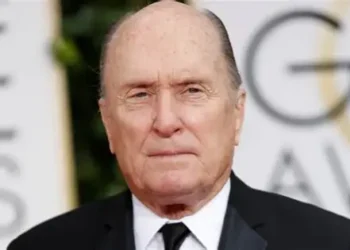 Actor Robert Duvall, Who Starred in The Godfather, Dies Aged 95
 Tourism Is Booming in 2026 — Just Not Where You Think
 Post Office Scandal Compensation Tops £1 Billion as Victims Finally See Justice
 Ozzy Osbourne: The Prince of Darkness Bows Out, Leaving Behind a Legacy of Metal and Myth
 UK Must Act with Courage and Clarity on Israel-Palestine Conflict, Says Foreign Affairs Committee Report
 Tottenham Takes On Newcastle
 Radioactive Leak at UK’s Nuclear Warhead Base Sparks Outcry Over Safety and Secrecy
 Hong Kong Summons UK and Australian Envoys Following Asylum Grants to Democracy Activists
 Yvette Cooper Signals Global Momentum Towards Gaza Peace Deal Amid Humanitarian Crisis
 Chaos at Ibrox as Martin’s Rangers Era Comes to an End
 UK House Price Growth Slows as Buyers Exercise Caution Ahead of Autumn Budget
 Paedophile Singer Ian Watkins Dies After Prison Attack
 Russia’s Latest Push to Win US Favors Shows Deep Desperation
 Reeves Faces Setback as Labour May Miss Homes Target
 Kate Winslet to Narrate Film Highlighting King’s Environmental Mission
 Trump’s UK Ambassador Urges North Sea Drilling to Strengthen US Ties
BBC to Apologise Over Edited Trump Speech Amid Backlash
Trump’s UK Ambassador Urges North Sea Drilling to Strengthen US Ties
BBC to Apologise Over Edited Trump Speech Amid Backlash
 Millionaires group urge Reeves to introduce wealth tax to ‘lift kids out of poverty’
 Greene Pushes Epstein Files Amid Trump Fallout
 Zelenskyy Signs Fighter Jet Deal Amid Russian Drone Attacks
 Shadow Fleet at Sea: Europe’s Battle Against Illicit Oil Shipping
 Director Michael Caton-Jones Reflects on Career and Beginnings
 US Suspends Afghan Immigration After White House Shooting
 Starmer Says Labour’s Economic Plan Needs Years to Deliver
 ‘Extinct’ Antelope Returns to Sahara, Bringing Hope
 Historic £100-Weekly Pension Boost Brings Relief for UK Mineworkers
 Trump Weighs Response to Iran Crackdown as Tehran Says Communication Open With US
 US Clears Nvidia AI Chip Sales to China in Policy Shift
 Gulf states warn Trump Iran strikes risk wider Middle East war
 Sydney Shark Attack Surge Shocks Australia Beaches
 EU Says US Ties Have Suffered ‘Big Blow’ After Greenland Crisis
 US Dollar Hits Four-Year Low Amid Market Turmoil
 Julia Donaldson Reveals New Character and Title for Third Gruffalo Book
 Portugal Election Delivers Socialist Win as Far Right Surges
 Pound Sinks and Borrowing Costs Rise as Starmer Fights for Job
 Major UK Clothing Firm Collapses into Administration — 109 Jobs at Risk
 BT Names New Openreach Chief Amid Major Fibre Expansion
 Is Dining Out Dying Out?
 Could Manchester Lead the UK’s Economic Revival?
 Australian Families Leave Syrian Camp for Home
 ‘I Would Scream in My Sleep’: Alawite Women from Syria Tell of Kidnap and Rape
 Lloyds Boss Accepts Concern Over Use of Staff Data in Pay Talks