Published: 19 February 2026. The English Chronicle Desk. The English Chronicle Online
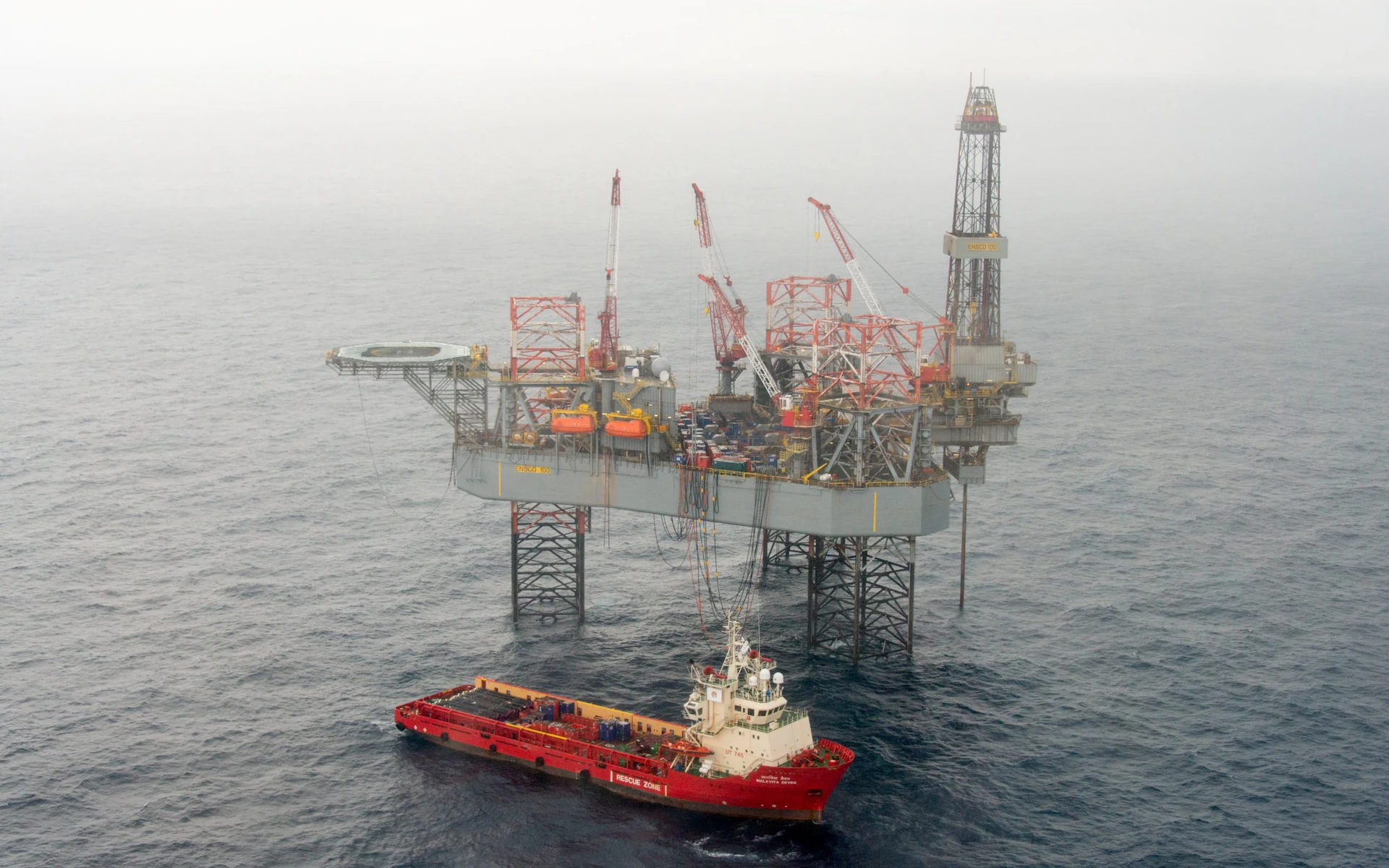
A new debate has erupted over the future of North Sea oil and gas production after experts warned that ending extraction in the UK could paradoxically increase global carbon emissions rather than reduce them. A discussion paper from the Institute of Economic Affairs (IEA) argues that policies aimed at phasing out North Sea fossil fuel production under net‑zero goals and punitive windfall taxes on producers will lead to higher overall emissions because the UK would need to import more oil and gas from overseas suppliers whose production is often more carbon‑intensive. According to the report, this so‑called “carbon offshoring” effect could increase global emissions by about 50 % compared with sourcing energy domestically.

The IEA paper also claims that shrinking North Sea output is already causing a decline in investment and jobs, and that relying on imports could weaken energy security as well as environmental outcomes. It warns that without a sensible transition, domestic policy could unintentionally push production to regions with less stringent environmental standards, where fossil fuels are extracted and transported with higher emissions.
Supporters of maintaining stronger North Sea production argue that UK‑based extraction — even as the basin naturally declines — ensures higher regulatory oversight of emissions and reduces the need for long‑distance transport of fuel molecules. They contend that North Sea infrastructure can also support carbon capture and storage (CCS) projects and other transitional technologies, making the region a potential hub for lower‑carbon solutions as the world moves toward net‑zero goals.
Critics of continued extraction, however, emphasise that burning fossil fuels — wherever they are produced — contributes directly to climate change, and that phasing out oil and gas is essential to meeting global emissions targets and keeping warming under control. They argue that investment should shift rapidly toward renewable energy, energy‑efficiency measures, and technologies such as offshore wind, hydrogen, and expanded CCS capacity, rather than prolonging reliance on hydrocarbons.

The striking claim that shutting the North Sea could worsen global carbon outcomes has become a focal point in broader discussions about the UK’s energy strategy, balancing climate commitments, economic impacts on coastal communities, and the complex realities of global energy markets as nations strive to cut greenhouse gas emissions without compromising energy security or economic stability.
Related News:
 ‘Extinct’ Antelope Returns to Sahara, Bringing Hope
 Guterres Warns Global Cooperation Under Threat at UN’s 80th Year
 Japan Prepares for Kashiwazaki Restart After Fukushima Legacy
 Half the World’s Largest Cities Face Rising Water Stress
 The Sound of Mayhem’: Terror and Loss at Mount Maunganui
 Reindeer Deaths Rise as Finnish Herders Blame Border Wolves
 Storm Leonardo Triggers Election Delay Calls in Iberia
 Dozens of Flood Warnings in England After Days of Non-Stop Rain
 Fast-moving Wildfires Rage Across Southwestern US
 Moment Officers Rescue Injured Bald Eagle From Icy Hudson River
 Snow and Rain Warnings as Cold Snap Continues in the UK
 Flooding May Worsen Before It Improves as More Rain Forecast for the UK
 UK Must Act with Courage and Clarity on Israel-Palestine Conflict, Says Foreign Affairs Committee Report
 Northern Ireland Family of Three Shot Dead in Maguiresbridge Home Incident
 Tottenham Takes On Newcastle
 Gen Z Embraces the Big, Bold ‘Fake’ Indian Wedding Party Trend
 Radioactive Leak at UK’s Nuclear Warhead Base Sparks Outcry Over Safety and Secrecy
 Mutual Inconvenience: Why Alaska Was Chosen for the Trump-Putin Summit on Ukraine
 China’s crackdown on civil servant perks sparks economic concerns
 Terence Stamp, ’60s British Film Legend and Star of Superman, Dies at 87
 Hong Kong Summons UK and Australian Envoys Following Asylum Grants to Democracy Activists
 Is the UK Ready to Put Boots on the Ground in Ukraine? Assessing Military Capacity and Challenges
 Shein UK Faces Allegations of Shifting Majority of Profits to Singapore to Reduce UK Tax
 Channel Crossings Surge: Over 1,000 People Arrive in the UK in Small Boats in a Single Day
 Widow of Charlie Kirk Forgives Killer at Emotional Memorial Service
 Public Executions in Gaza City Captured on Video Amid Ongoing Conflict
 Macron Phones Trump Over Traffic Jam in New York
 Comey Indictment Deepens Fears of Political Retribution Under Trump
 Google at 27: The Untold Story of Ruth Kedar, the Woman Behind the Iconic Logo
 Yvette Cooper Signals Global Momentum Towards Gaza Peace Deal Amid Humanitarian Crisis
 “It Was Very Tough, But I Love Life”: Former Israeli Hostage Rebuilds Life After Family Killed by Hamas
 Chaos at Ibrox as Martin’s Rangers Era Comes to an End
 Nobel Prize Honours Pioneers Behind Materials That Could Heal the Planet
 Trump Claims Modi Has Agreed to Halt Russian Oil Imports Amid Heightened US Pressure
 Russia’s Latest Push to Win US Favors Shows Deep Desperation
 I’m a Celebrity 2025 line-up revealed: Osbourne joins
 BBC to Apologise Over Edited Trump Speech Amid Backlash
 Britain deploys RAF specialists to assist Belgium with drone threats
 Palace May Restore Hyphen to Andrew Mountbatten-Windsor’s Name
 Trump Urges Herzog to Grant Netanyahu Full Pardon
 Indian authorities demolish Kashmir home linked to Red Fort blast
 Greene Pushes Epstein Files Amid Trump Fallout
 December Run-Off in Chile as Election Produces No Winner
 Zelenskyy Signs Fighter Jet Deal Amid Russian Drone Attacks
 Canada Passes Carney’s First Budget in Tight Parliamentary Vote
 Shadow Fleet at Sea: Europe’s Battle Against Illicit Oil Shipping
 Tiny Curacao Makes History as Smallest Nation to Reach World Cup
 Deadly Russian Strikes Hit Western Ukraine, 20 Killed in Ternopil
 Ukraine Peace Plan: Zelensky Ready for Dialogue
 India’s COP30 Delay Raises Global Climate Concerns
 Royal Navy Shadows Russian Warships Entering the Channel
 Trump EPA Moves to Roll Back Soot Pollution Limits
 US Suspends Afghan Immigration After White House Shooting
 Georgians Defy Government Crackdown After Year of Protests
 Tokyo court rules Japan’s same-sex marriage ban constitutional
 Conservatives Pledge to Scrap 2030 Petrol and Diesel Car Ban
 American Mother Extradited From UK to U.S. on Murder Charges
 Facebook Slow to Remove Bondi Attack Praise, Anti-Hate Group Claims
 Albanese Opens Door to Bondi Royal Commission Amid Rising Pressure
 Local Fish Could Boost UK Health and Economy Significantly
 UK Weather: End of Cold Spell in Sight as Temperatures Rise
 Trump Weighs Response to Iran Crackdown as Tehran Says Communication Open With US
 Storm Goretti leaves Cornwall homes without power
 US Clears Nvidia AI Chip Sales to China in Policy Shift
 Gulf states warn Trump Iran strikes risk wider Middle East war
 EU weighs response amid Greenland tariff crisis with Trump
 Sydney Shark Attack Surge Shocks Australia Beaches
 No Gas Boiler Ban as UK Warm Homes Plan Backs Heat Pumps
 EU Says US Ties Have Suffered ‘Big Blow’ After Greenland Crisis
 Devon hosts first high-density hydro power system
 Videos reveal earlier clash before Alex Pretti shooting
 UK New Car Discounts Near £6,000 as Prices Are Slashed
 Israel Moves to Bar MSF From Gaza Operations
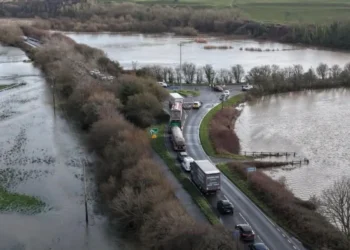 What is Groundwater Flooding and Why Dorset is Seeing ‘Historical Highs’
 Portugal Election Delivers Socialist Win as Far Right Surges
 Australian Families Leave Syrian Camp for Home
 Starmer Weighs Fast-Tracking Defence Boost
 Japan’s Lost “Tigers” Were Actually Lions, Study Reveals
 ‘I Would Scream in My Sleep’: Alawite Women from Syria Tell of Kidnap and Rape
 Nine Arrested in France Over Death of Far‑Right Student