Published: 19 February 2026. The English Chronicle Desk. The English Chronicle Online
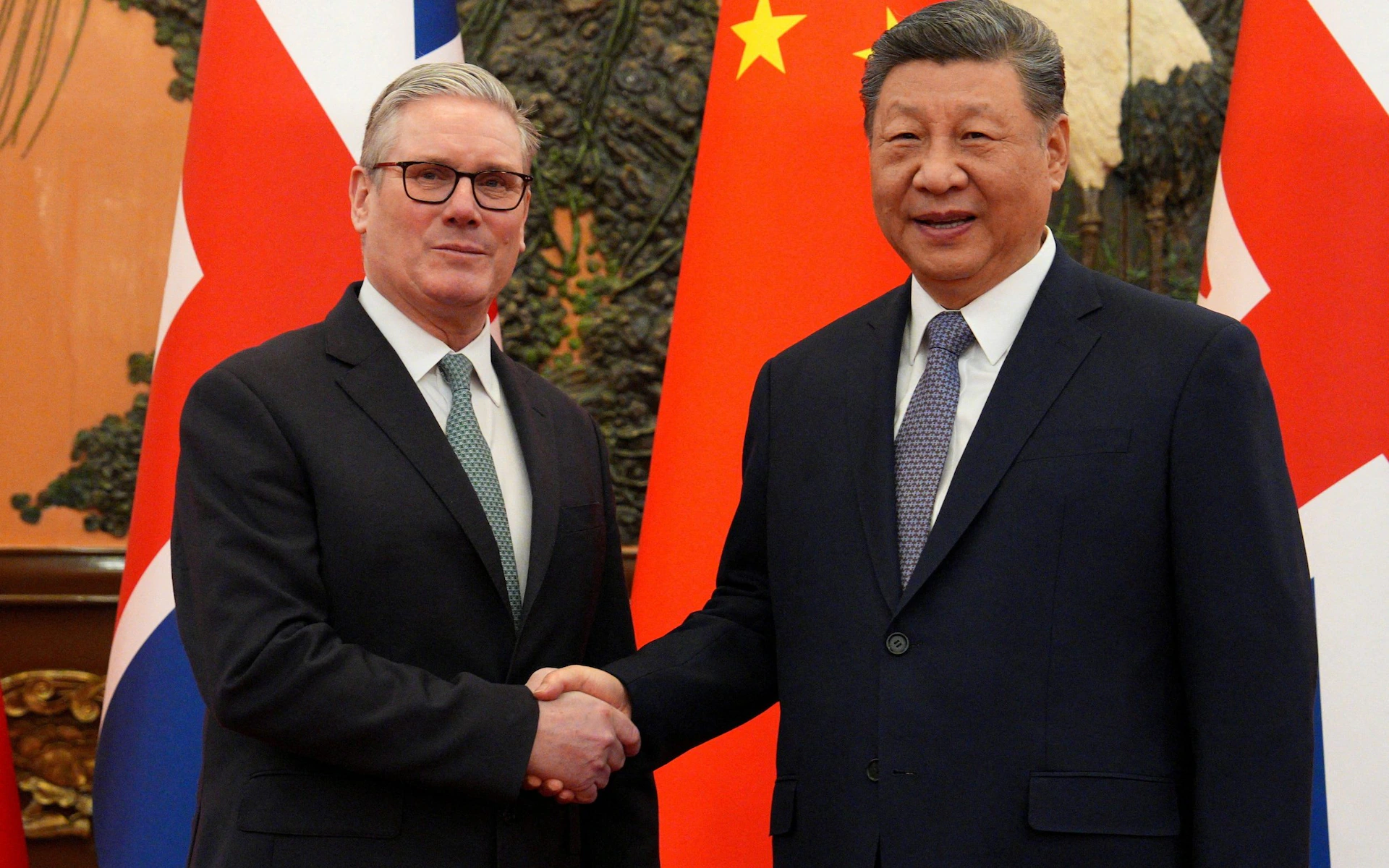
Senior British lawmakers have issued a stark warning that the United Kingdom’s growing economic and strategic dependence on China is turning the country into a “weak link” within Western alliances, raising alarm among politicians across party lines about national security, supply‑chain resilience and geopolitical influence. In a series of parliamentary debates and committee reports this week, MPs from the Commons Foreign Affairs and Defence Committees criticised recent government decisions that have expanded Chinese involvement in key sectors of the UK economy, including telecommunications, critical infrastructure, and advanced manufacturing.

The concerns centre on the argument that Britain’s openness to Chinese investment and trade ties — especially after Brexit — coupled with limited regulation of sensitive technologies, has given Beijing undue leverage over strategic supply chains and critical industries. Some MPs told reporters that this reliance could weaken collective Western deterrence against authoritarian states and reduce the UK’s ability to coordinate with allies on security matters, particularly in the face of rising tensions in the Indo‑Pacific region. They pointed to examples such as Chinese stakes in UK ports, telecommunications networks and future semiconductor production projects as areas of vulnerability that could be exploited in times of diplomatic or military crisis.
Opposition politicians have echoed the warnings, arguing that decades of inward investment policy have failed to adequately safeguard national interests. Calls are growing for stricter screening of foreign investment, tighter export controls on sensitive technologies, and stronger engagement with traditional allies such as the United States and European partners to reduce dependency on China. Some MPs also raised concerns about the UK’s role in joint infrastructure initiatives that involve Chinese state‑linked firms, suggesting these arrangements could undermine unified Western strategies on trade and security.
Defenders of current policy argue that economic engagement with China — the UK’s second‑largest trading partner — is essential for growth, jobs and consumer prices, and that disentangling decades of commercial integration would be disruptive and costly. Government spokespeople emphasise that national security considerations are already a priority in investment decisions, and that the UK remains committed to working with allies on balancing economic interests with strategic resilience. They say that engagement with China is possible alongside robust safeguards to protect critical assets.

The debate reflects broader anxieties in Western capitals about how to manage the relationship with China in an era of intensifying competition. As technological rivalry — particularly in artificial intelligence, semiconductors and advanced computing — intensifies, lawmakers are urging the UK to adopt a more assertive posture, reduce vulnerabilities, and deepen cooperation with democratic partners to ensure that economic interdependence does not compromise collective security.
Related News:
 Emails Show Epstein Funded Mandelson’s Husband After Jail
 UK Must Act with Courage and Clarity on Israel-Palestine Conflict, Says Foreign Affairs Committee Report
 Starmer and Trump to Meet in Scotland Amid Growing Gaza Ceasefire Pressure
 Minister Dismisses Legal Concerns Over UK’s Pledge to Recognise Palestinian State
 MPs Call on UK Government to Delay Biometric Visa Checks for Gaza Students Amid Humanitarian Crisis
 Radioactive Leak at UK’s Nuclear Warhead Base Sparks Outcry Over Safety and Secrecy
 ‘I’m collateral damage’: ex-minister Tulip Siddiq on her Bangladesh corruption trial
 Mutual Inconvenience: Why Alaska Was Chosen for the Trump-Putin Summit on Ukraine
 “I Don’t Expect to Live a Normal Life”: How a Leeds Teenager Became the Target of a Chinese Bounty
 Ministers Accused of Defamation Over Palestine Action Ban and Mass Arrests
 UK Defence Secretary Says Allied Troops ‘Ready to Act from Day One’ if Ukraine Ceasefire Agreed
 Is the UK Ready to Put Boots on the Ground in Ukraine? Assessing Military Capacity and Challenges
 Protests Expected as Israeli Arms Firms Join Global Defence Trade Fair in London
 UK Home Office to Launch French Beach Signage to Warn Asylum Seekers of Risks
 UK Immigration Figures: Separating Facts from Perceptions
 Far-Right Rally in London Draws Record Crowds Amid Clashes with Police
 Thousands Gather in London to Protest Donald Trump’s Second UK State Visit
 Trump Urges UK to “Call Out the Military” to Secure Borders Amid State Visit
 UK Recognises State of Palestine in Push to Preserve Hope for Peace
Trump’s UN Speech Criticises London and UK Policies, Draws Far-Right Attention
UK Recognises State of Palestine in Push to Preserve Hope for Peace
Trump’s UN Speech Criticises London and UK Policies, Draws Far-Right Attention
 UK Fighter Jet Purchase Could Breach Nuclear Treaty, Warns CND
 A Third of EU Citizens in UK Report Discrimination by Public Bodies Post-Brexit
 Jailed Georgian Opposition Leaders Warn UK of Iranian Links to Ruling Party
 Russia repeatedly targets UK military satellites, warns Space Command chief
 Pro-Palestine March to Proceed in London Despite Calls to Cancel After Manchester Attack
 UK Universities Warn Students Ahead of 7 October Pro-Palestine Protests
Starmer Considers Stricter Measures on Pro-Palestinian Protest Chants
UK Universities Warn Students Ahead of 7 October Pro-Palestine Protests
Starmer Considers Stricter Measures on Pro-Palestinian Protest Chants
 Public Trust in SNP Hits Historic Low Amid NHS Concerns
 Tony Blair Met Jeffrey Epstein at Downing Street in 2002
 China’s Mega Embassy in London Faces Further Delay
 Johnson Suggests Mandelson Linked to China Spy Controversy
 Minister Blames Deputy for Collapse of China Spy Case
 Shabana Mahmood Warns Border Failings Are Eroding Trust in States
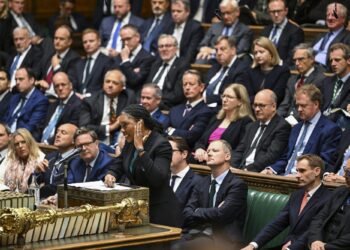 Witness statements reveal the CPS China spy row collapse in the UK
 Large scale Chinese spying in UK sparks political storm
 Nigel Farage Calls Vladimir Putin ‘A Very Bad Dude’
 Rachel Reeves signals welfare reform ahead of key budget
 Prince Andrew met alleged Chinese spies during Pitch@Palace China trips
 Kosovo agrees to host Britain’s refused asylum seekers
 Plaid Cymru Triumphs in Caerphilly, Ending Labour Century-Long Hold
 Rachel Reeves to lead UK trade push in Saudi Arabia amid rights debate
 British Woman in Iran ‘Losing Hope’ Amid Ongoing Detention
 Johnson Approved China’s London ‘Super-Embassy’ in 2018
 BBC Journalist Held and Interrogated in Vietnam
 Zohran Mamdani becomes New York City’s first Muslim mayor
 Second world war veterans honoured as King leads Remembrance Sunday
 BBC director-general and news chief resign amid bias row
 New review urges UK to repatriate Shamima Begum, others from Syria
 Rama Rebukes Mahmood for Targeting Albanian Families
 Russian Vessel Used Lasers on RAF Pilots, UK Claims
 Ireland Boosts Ukraine Aid as Zelensky Visits Dublin
 Britain Demands Israel Reverse Ban on Aid Groups
 Shock US Raid: Maduro Pleads Not Guilty in Manhattan Court
 UK and France Agree Troop Deployment Plan for Ukraine
 Israel Dossier Sparks Australian Political Interference Concern
 Machado Trump medal gesture reshapes Venezuela power struggle
 Trump Receives Machado’s Nobel Medal in White House Meeting
 Iran unrest slows under brutal crackdown and global tensions
 US Considers Asylum for British Jews Amid Rising Antisemitism
 Starmer tariffs stance rejects US trade retaliation
 UK Presses On With Chagos Handover Despite Trump Criticism
 Shinzo Abe’s killer receives life sentence in Japan
 US Africa aid remarks spark anger after leaked State email
 Barron Trump police call heard in London assault trial
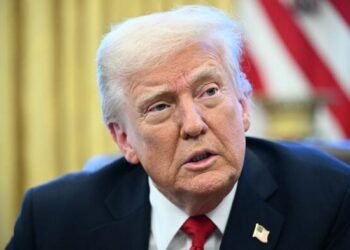 Trump Pulls Canada from His Controversial ‘Board of Peace’ Plan
 Russia Strikes Kyiv and Kharkiv as Peace Talks Enter Day Two
 Starmer China visit raises human rights pressure on Beijing
 UK and EU Signal Fresh Push for Defence Cooperation Talks
 Thousands Protest ICE Operations in Nationwide US Day of Action
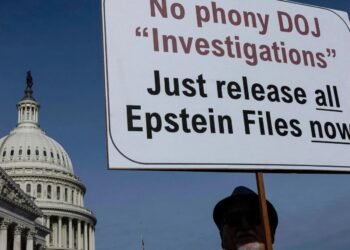 Epstein Files Reveal Trump Officials’ Emails with Financier
 Thousands Protest ICE in New York Against Trump Deportation Campaign
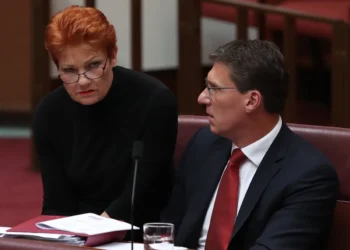 Cory Bernardi joins One Nation for SA election
 Starmer Condemns ‘Depraved’ Russian Strikes on Ukraine
 Russia Trolls Savage ‘Finished’ Keir Starmer After Mandelson Scandal Explodes
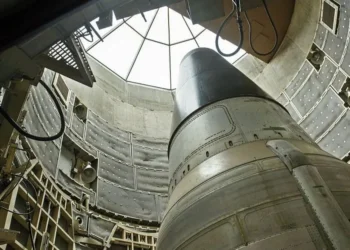 Fears of New Arms Race as US-Russia Nuclear Weapons Treaty Expires
 Sydney Protest Pepper Spray Clash During Herzog Visit
 Russia Rages “Now Is the Time to Strike” as UK Faces Fresh WW3 Nuclear Threats
 Starmer Weighs Fast-Tracking Defence Boost
 US Says It “Supports” UK Chagos Islands Deal
 Police Assessing Stansted Airport Private Flights Over Epstein Ties