Published: 20 February 2026. The English Chronicle Desk. The English Chronicle Online
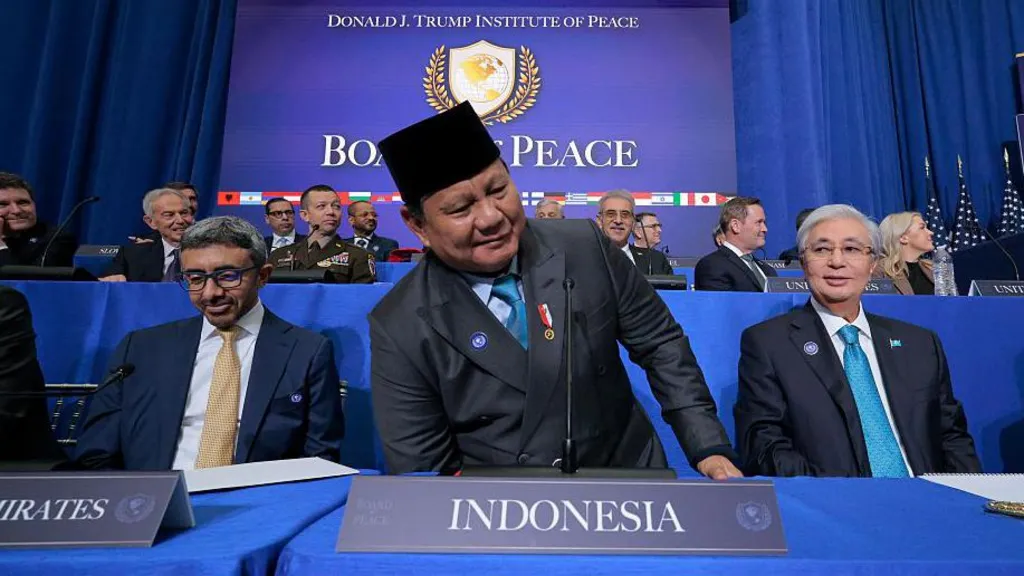
The United States and Indonesia have finalised a major reciprocal trade agreement that will see Washington lower tariffs on Indonesian goods to 19 percent, deepening economic ties between the two nations and reshaping their long-standing trade relationship. The agreement was formally signed in Washington, D.C., by Indonesian President Prabowo Subianto and US Trade Representative Jamieson Greer, after months of negotiations aimed at boosting trade and investment as global economic uncertainty grows.
Under the new pact, Indonesian exports to the United States — formerly subject to a higher tariff rate of up to around 32 percent under previous US policy — will now face the agreed 19 percent reciprocal tariff. In return, Indonesia has committed to eliminating tariff barriers on more than 99 percent of US goods imported into its market, a move expected to benefit American manufacturers, technology firms and agricultural exporters.

Certain Indonesian products will be granted zero-tariff access, including coffee, chocolate, natural rubber and spices, while similar arrangements could extend to other commodities under tariff-rate quotas for textile and apparel products. This provision aims to support key Indonesian industries and balance competitive opportunities on both sides of the Pacific.
Officials described the agreement as a “win-win” for both economies. Jakarta emphasised that the deal strengthens economic cooperation and provides predictable market access for exporters from both countries. For the US, access to Indonesia’s large and growing consumer market — now more than 280 million people — represents a strategic opportunity to expand American exports in sectors such as energy, aerospace and agriculture.
In addition to tariff reductions, the pact includes commitments on non-tariff barriers and regulatory standards. Indonesia has agreed to accept certain US safety and certification standards for vehicles, medical devices and pharmaceuticals, measures that American firms have long sought to ease market entry challenges. Jakarta has also pledged to reduce burdensome local content requirements and other obstacles that previously limited trade flows.
The signing comes amid broader efforts by both governments to strengthen economic ties and manage global supply chain challenges. Indonesian leaders say the deal will help narrow the trade imbalance with the United States and support investment in strategic sectors, including energy and critical minerals, which are crucial for future manufacturing and technology supply chains.

Analysts see the agreement as part of a broader US push to diversify trade links in Southeast Asia and reduce economic dependence on China. For Indonesia, securing a predictable tariff framework with Washington is viewed as a confidence booster for investors and an opportunity to integrate more deeply into global markets, though challenges remain in ensuring equitable benefits for domestic industries.
As both nations prepare to implement the terms of the pact over the coming months, traders, producers and investors will be watching closely to see how tariff adjustments and regulatory changes reshape bilateral commerce in one of Asia’s most dynamic economic partnerships.
Related News:
 Trump Administration Probe of Fed’s Powell Draws Pushback
 Trading Day: Trump Crosses Fed Rubicon, Market Shrugs
 Japan Braces as Takaichi Begins New Term with Huge Mandate for Low‑Tax, Ultra‑Conservative Agenda
 Modi’s London Visit Seals Historic UK-India Trade Pact Amid Global Tensions
 China’s crackdown on civil servant perks sparks economic concerns
 Shein UK Faces Allegations of Shifting Majority of Profits to Singapore to Reduce UK Tax
 British AI Startup Outshines Human Forecasters in Global Prediction Contest
 Indian Court Deals Legal Setback to Elon Musk’s X in Free Speech Battle
 China warns UK over delayed London mega embassy decision
 Rachel Reeves to lead UK trade push in Saudi Arabia amid rights debate
 UPS Cargo Plane Crash in Kentucky Kills Seven
 Canada Passes Carney’s First Budget in Tight Parliamentary Vote
 Two National Guard Soldiers Critically Injured Near White House
 India’s Labour Law Overhaul Sparks Fierce Debate
 Trump to Recheck Green Cards from 19 Nations After DC Attack
 Carney’s Alberta Pipeline Deal Sparks Immediate Pushback
 US Defence Chief on Drug Boat Strike: “Did Not See Survivors”
 American Mother Extradited From UK to U.S. on Murder Charges
 Russia losses Ukraine war peace talks intensify amid rising deaths
 Trump Taiwan China drills: US President Downplays Tensions
 US Venezuela protests sweep cities after intervention
 US Cities Erupt in Protests Against Trump’s Venezuela Military Action
 Trump Escalates Minnesota Immigration Surge Amid Rising Tensions
 Austrian Airlines Halts Tehran Flights Amid Political Unrest
 Trump Says US Must ‘Own’ Greenland to Block Russia, China
 Trump Weighs Response to Iran Crackdown as Tehran Says Communication Open With US
 Uber Faces Sexual Assault Trial in Arizona, Safety Record Scrutinised
 German Supermarket Aldi to Open 180 US Stores This Year
 Australia’s US Ambassador Rudd to Step Down Early
 Top Senate Republican Says Federal Probe of Powell Could Challenge Fed Nominees
 US Clears Nvidia AI Chip Sales to China in Policy Shift
 Trump Threatens Strong Action If Iran Executes Protesters
 Government Unveils Northern Powerhouse Rail Plans
 Trump Receives Machado’s Nobel Medal in White House Meeting
 Greenland Crisis Forces Europe to Draw a Line With Trump
 China Halts Nvidia H200 Chips Despite US Export Approval
 Iran Cannot Be Bombed Into Democracy, Only Helped There
 Trump Aide Sparks Fury as Greenland Dispute Intensifies
 Trump Fed bid heads to Supreme Court
 Historic Abu Dhabi Talks Bring US, Ukraine and Russia Together
 EU Says US Ties Have Suffered ‘Big Blow’ After Greenland Crisis
 ‘Black Tax’: Burden, Pride and Survival for African Workers
 ‘Repatriate the Gold’: Germany Debates Bringing Reserves Home
 Arizona border shooting leaves suspect hospitalised after agent pursuit
 Videos reveal earlier clash before Alex Pretti shooting
 UK New Car Discounts Near £6,000 as Prices Are Slashed
 Thousands Protest ICE Operations in Nationwide US Day of Action
 ‘Painful Times’ as Melinda Gates Responds to Epstein Files
 Trump Praises ‘Terrific’ Petro After White House Talks
 Fears of New Arms Race as US-Russia Nuclear Weapons Treaty Expires
 US and Iran Talks to Begin as Fears of Direct Conflict Continue
 US Military Says Two Killed in Strike on Alleged Drug Boat in Eastern Pacific
 Trump Endorses Japan’s Takaichi Ahead of Snap Election
 US and Iran Hold Nuclear Talks as Trump Ramps Up Military Threats
 Venezuela’s Opposition Says Party Leader Kidnapped Hours After Being Freed
 Trump Says Iran Regime Change Is “Best Thing That Could Happen”
 After the Landslide: Can India Reset Ties with BNP Bangladesh?
 Obama Slams Trump’s Racist ‘Ape’ Video Amid Backlash
 Coles Discounts Under Fire in Federal Court
 China Strikes at Japan’s Core — Will PM Takaichi Back Down?
 Japan’s Lost “Tigers” Were Actually Lions, Study Reveals
 Actor Robert Duvall, Who Starred in The Godfather, Dies Aged 95
 New Nuclear Talks Between US and Iran Begin in Geneva
 Tourism Is Booming in 2026 — Just Not Where You Think
 ‘He Did It for Us’: US Soldier Recalls Jesse Jackson’s Efforts to Free Him and Two Other POWs
 US Says It “Supports” UK Chagos Islands Deal
 Iran Says ‘Guiding Principles’ Agreed With US at Nuclear Talks
 Stephen Colbert Says CBS Spiked Interview With Democrat Over FCC Fears
 Moment Officers Rescue Injured Bald Eagle From Icy Hudson River
 Netflix and Paramount Are Battling for Warner Bros. — Who Is Likely to Win?
 Suspect in Rhode Island Ice Hockey Shooting Killed Ex‑Wife and Son
 US Pushes to Recruit Organised Crime Gangs into Gaza Police Force
 India Sentences Three Men to Death for Attack on Israeli Tourist and Hosts
 Eight Skiers Found Dead After California Avalanche
 South Korea’s Ex-President Faces Death Penalty in Insurrection Trial
 US Urges Iran to Make Deal as Military Presence Rises
 Desperate Hunt for Breakthrough in Nancy Guthrie Case Turns to Mexico
 Sanders Condemns Billionaire ‘Greed’ in California Tax Debate
 US Build-Up of Warships and Fighter Jets Tracked Near Iran
 The Chinese AI App Sending Hollywood Into a Panic