Published: 26 February 2026. The English Chronicle Desk. The English Chronicle Online.
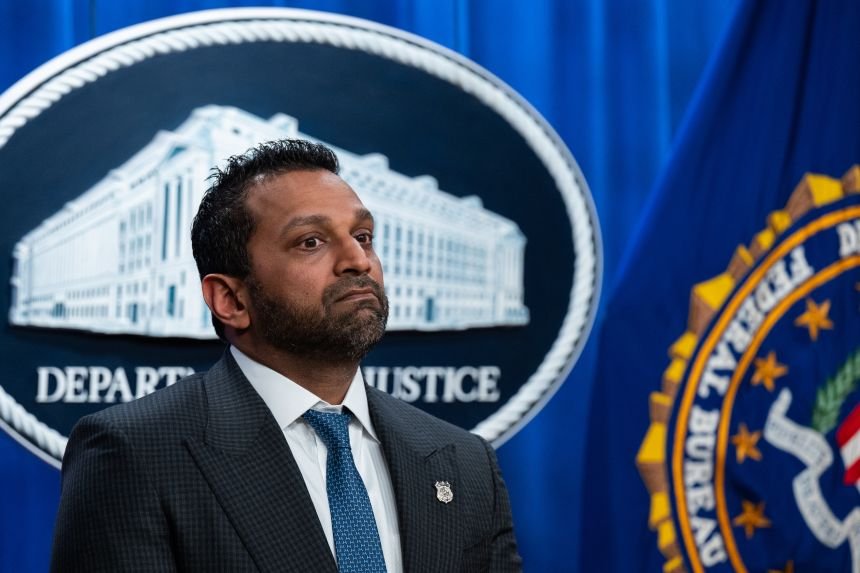
In a dramatic turn in Washington this week, the focus of political debate has shifted once again to the messy aftermath of the investigations into former President Donald Trump and classified documents, with FBI director Kash Patel at the centre of a growing controversy over his decision to remove key personnel. The unfolding dispute has captured attention in media and social circles, sparking debate about political interference and the independence of law enforcement agencies. Reports emerging from major US news outlets say that at least ten FBI employees who were connected to the investigation into Trump’s handling of classified records have been dismissed in recent days. The focus keyword Trump probe appears at a pivotal moment in the story, underlining the dramatic consequences of this latest development in American politics.

The dismissals followed revelations that the FBI, during its previous leadership under the Biden administration, subpoenaed personal phone records from Patel himself and from White House chief of staff Susie Wiles when both were private citizens. These subpoenas were part of the inquiry led by former special counsel Jack Smith into Trump’s retention of sensitive documents at his Florida Mar-a-Lago estate and related allegations about his conduct after leaving office. Patel’s response to these disclosures has been forceful. He labelled the earlier subpoenas “outrageous and deeply alarming,” arguing that the records were obtained using flimsy pretexts and then buried in restricted case files to avoid oversight, according to a Reuters report.
The FBI has not publicly commented on the specifics of the personnel decisions, but sources familiar with the situation told CNN and CBS News that the ousted employees were directly involved in the Trump probe into classified documents. Those investigations, which culminated in a high-profile FBI search of Mar-a-Lago in August 2022, had led to federal charges against Trump and others before being dropped following his return to the presidency in 2024. That policy shift occurred because the Department of Justice maintains a longstanding position against indicting a sitting president, and the special counsel’s office ultimately dismissed the cases after Trump’s electoral victory.
Patel’s decision to remove the staff has ignited fierce debate across political and legal circles. Supporters of the director argue that his actions amount to a necessary purge of individuals whose actions he views as politicised or overreaching. Critics, however, warn that the move undermines the rule of law and could entrench political interference within the FBI, an institution traditionally regarded as independent from presidential influence. Some observers also noted that these recent firings are not an isolated episode; Patel has previously overseen the departure of various bureau personnel, including a much‑publicised termination of a 27‑year veteran after reports he used government resources for personal reasons.
The political tension surrounding Patel’s leadership can be traced back to his role as a top adviser to Trump and his own relationship with the classified documents probe. In 2022, while working for Trump, Patel was summoned before a federal grand jury in Washington as part of the investigation, receiving limited immunity in exchange for his testimony. Public records indicate that the FBI examined whether Trump properly declassified documents before they were moved to Mar‑a‑Lago, and investigators also explored other evidence involving political allies.
Despite the political implications, those who defend Patel’s actions stress that the FBI director is entrusted with managing the bureau and holding its personnel accountable when necessary. They point out that seasonal shifts in leadership direction are not unusual, and agency heads often reevaluate the careers of staff who were deeply involved in contentious cases from previous administrations. Still, legal experts caution that abruptly dismissing career agents linked to a high‑profile investigation, especially one involving classified materials and a former president, could erode the institutional memory and public trust that agencies like the FBI rely on to function effectively.
The episode also revisits the broader question of the special counsel’s work and how it intersects with the political landscape. Smith’s investigations into Trump encompassed not only the classified documents but also alleged efforts to subvert the 2020 presidential election results. Both lines of inquiry were significant, and each resulted in charges that were ultimately abandoned. A federal judge has also blocked further publication of Smith’s detailed report on these investigations, leaving many questions unresolved and intensifying partisan narratives about what really transpired.

As details of the phone record subpoenas became public, Patel’s narrative framed the earlier FBI leadership as having crossed a line, digging into the communications of individuals who were not themselves under investigation at the time. He criticised the practice of concealing these records in what he described as “Prohibited” files — a categorisation he reportedly moved to eliminate under his own leadership to improve transparency. However, independent reporting on the matter notes that the FBI routinely subpoenas phone records in criminal investigations, typically with judicial approval, and the records by themselves do not include the content of calls, only metadata such as numbers dialled, call durations, and times.
Public response has been as divisive as the politics driving it. Some commentators and lawmakers on the right have framed the firings as justified retribution for what they see as an overzealous probe into Trump and his associates, arguing that the bureau must be defended against partisan excess. Others, particularly on the left and among civil liberties advocates, warn that the removal of investigators who worked on significant federal inquiries sets a troubling precedent for law enforcement independence, potentially deterring future agents from pursuing politically sensitive cases.
The impact of these events is likely to ripple through American politics for months to come. With the 2026 midterm elections approaching, both parties are sure to use the episode to energise their bases, framing the debate in terms of either defending institutional integrity or fighting back against perceived political weaponisation of the justice system. The Trump probe storyline has already shifted from a historical examination of past investigations to a live flashpoint in present‑day political battles, illustrating how contested narratives about justice and governance continue to shape national discourse.
Related News:
 US National Guard Member Killed in DC Shooting
 Trump to pause migration from ‘third-world countries’
 US Defence Chief on Drug Boat Strike: “Did Not See Survivors”
 Franklin Turtle, Sabrina Carpenter Slam US Social Media Use
 Trump officials continue false claims after Alex Pretti shooting
 Border Patrol Commander Leaves Minneapolis After Fatal Shooting
 Partial US Government Shutdown Hits Homeland Security Funding
 Thousands Protest ICE Operations in Nationwide US Day of Action
 Badenoch Warns Farage’s Grooming Gangs Plan Could Backfire
 Police Probe Four Knife Incidents Linked to Cambridgeshire Train Attack
 French Taxi Driver Cleared in David Lammy Theft Case After Fare Dispute
 Just Stop Oil Protesters Convicted Amid Climate Defence Row
 Newcastle United Lifts Ban on Fan Over Gender-Critical Views
 King Charles to Lead Nation in Remembrance Sunday Service
 Government urges schools to ban phones to curb classroom disruption
 Seven Conditions That Automatically Qualify You for a Free Bus Pass
 Pop Stars Call on UK Government to Cap Resale Prices for Fans
 Major Rent Reform Ends No-Fault Evictions in England
 Peers Flood Assisted Dying Bill with 942 Amendments
 US Justice Department Files Lawsuit Against California Over Partisan Voting Maps
 Oklahoma Governor Grants Last-Minute Clemency to Death Row Inmate
 Rio Raid’s Death Toll Raises Questions About Gang Impact
 Trump Deploys DHS to Charlotte in Major Arrest Operation
 UK Asylum Overhaul Sparks Debate Over Human Rights and Deportations
 Charlotte Raids: 130 Arrested in Major Immigration Sweep
 South African Detained After Neo-Nazi Rally in Australia
 Eminem Takes Legal Aim at Australian ‘Swim Shady’ Brand
 Federal Court Blocks Texas Republican Maps Over Racial Bias
 Serial Rapist and Former Cop Found Guilty Again
 Man Charged Over Attempted Murder of Senior Officer
 Man Denies Stealing Bronze Age Gold from Museum
 Runaway Driver Caught by DNA Evidence
 Peers Get Extra Time to Debate Assisted Dying Bill
 Two National Guard Soldiers Critically Injured Near White House
 ICC to Rule on Duterte’s Provisional Release
 Tokyo court rules Japan’s same-sex marriage ban constitutional
 Virgin Media Fined £23.8m Over Telecare Safety Failures
 Starmer’s communications chief to outline media strategy overhaul
 American Mother Extradited From UK to U.S. on Murder Charges
 Russia losses Ukraine war peace talks intensify amid rising deaths
 US Cities Erupt in Protests Against Trump’s Venezuela Military Action
 Trump Escalates Minnesota Immigration Surge Amid Rising Tensions
 Capitol Attack Anniversary Sparks Deep Political Divide
 Google Employee Claims Redundancy After Harassment Report
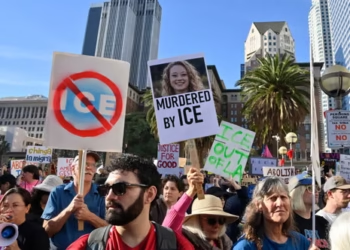 Homeland security agents deployed amid Minneapolis protests
 Minneapolis mayor demands state access to Renee Good probe
 German Supermarket Aldi to Open 180 US Stores This Year
 Plans to Limit Jury Trials Face Retreat After Mounting Opposition
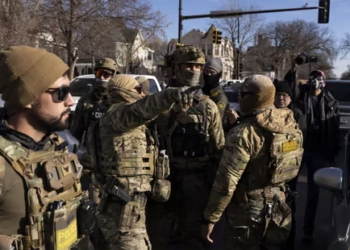 Minnesota Sues Trump Administration Over ICE Surge
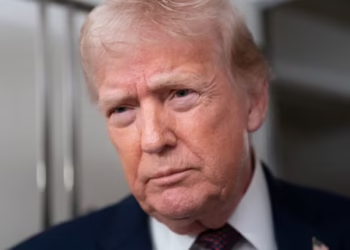 Trump targets Iran trade with 25% tariff warning
 US Clears Nvidia AI Chip Sales to China in Policy Shift
 Trump Threatens Strong Action If Iran Executes Protesters
 Labour Faces Internal Rift Over Hillsborough Law Dispute
 Portland man pleads not guilty after Border Patrol shooting
 Trump Receives Machado’s Nobel Medal in White House Meeting
 Woman Jailed for Life After Killing E-Bike Rider in Tragic Mistaken Identity Case
 Trump Aide Sparks Fury as Greenland Dispute Intensifies
 EU Says US Ties Have Suffered ‘Big Blow’ After Greenland Crisis
 ‘A long time coming’: US table tennis finds its moment
 ‘Unfathomable’: Australian veterans rebuke Trump claims
 Minneapolis pushes back against ICE’s federal crackdown
 Arizona border shooting leaves suspect hospitalised after agent pursuit
 Videos reveal earlier clash before Alex Pretti shooting
 NSW Inquiry Targets “Globalise the Intifada” in Public Spaces
 Study Finds One in Seven England Takeaways Are Dark Kitchens
 Files Link Andrew to Epstein Dinner After Prison Release
 Police Doubt Fugitive Dezi Freeman Survived Bushland
 Epstein Files Release Sparks Renewed Outrage Over Withheld Records
 Trump Praises ‘Terrific’ Petro After White House Talks
 Starmer to Release Mandelson Files
 US Military Says Two Killed in Strike on Alleged Drug Boat in Eastern Pacific
 Australia’s Opposition Coalition Reunites After Rift
 Headline: Measles Alert: Dr Oz Urges Americans to Vaccinate
 Nurses’ families fear breakup under UK immigration crackdown
 How Dark Web Agent Spotted Bedroom Wall Clue to Rescue Girl from Years of Harm
 Civil Service Pay: Union Urges Ministers to End ‘Barking Mad’ Limits
 Trans Youth Care Crisis: NY Hospital Ends Gender‑Affirming Treatment
 Coca‑Cola lawsuit challenges male exclusion at corporate event
 Sanders Condemns Billionaire ‘Greed’ in California Tax Debate
 Hero Rescuer Saves Baby from Icy Chicago Lake